ALPS Mountaineering Lynx 1-Person Tent vs The North Face Stormbreak 2 Tent
Why You Can Trust Us
- Side-by-side analysis based on real user feedback
- Unbiased comparisons, not influenced by partnerships
- Updated as new data becomes available
We may earn from affiliate links at no extra cost to you.
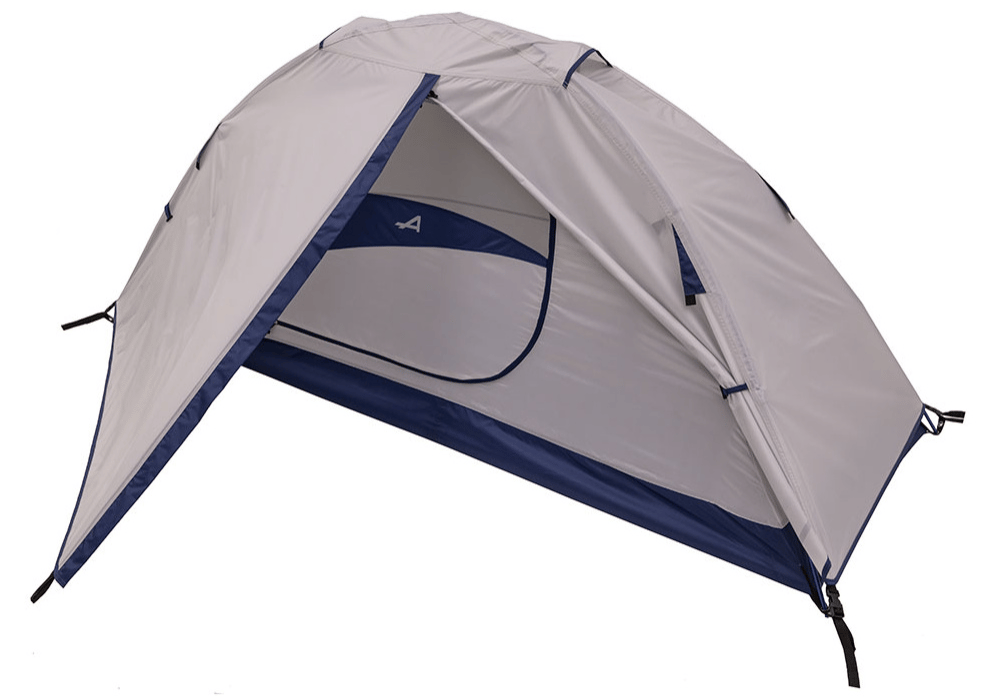
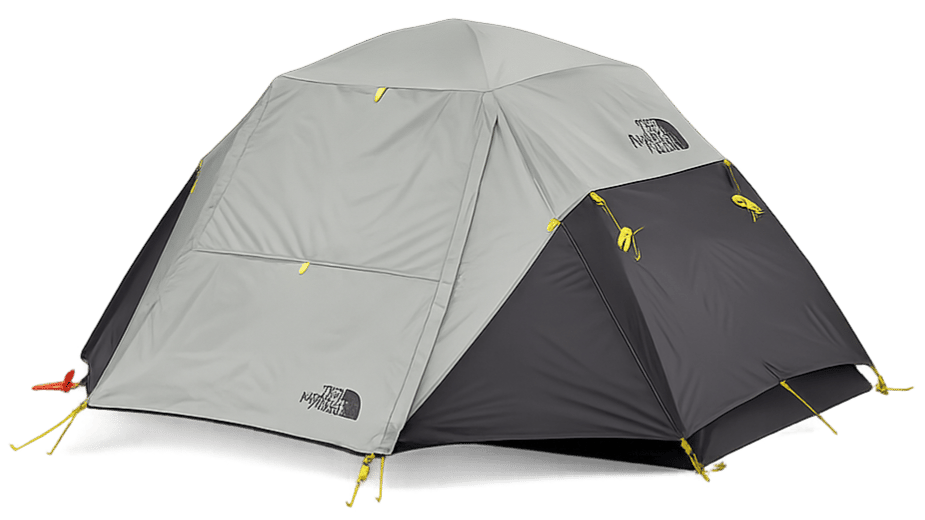
| ALPS Mountaineering Lynx 1-Person Tent | The North Face Stormbreak 2 Tent | |
|---|---|---|
 |  VS | |
| Weight | 65 oz | 94.2 oz |
| Dimensions | 90 × 32 × 36 in | 30.56 sq ft; 43 in peak |
| Number Of Doors | 1 | 2 |
| Material | Rainfly: 75D fly 59.1 in | 75D polyester; 40D mesh |
| Number Of Vestibules | 1 | 2 |
| Warranty | Limited lifetime warranty | Limited lifetime guarantee |
| Number Of Pockets | 2 | 4 |
| Number Of Poles | 2 | 4 |
| Number Of Vents | N/A | 2 |
| Vestibule Area | 10 sq ft | 9.8 sq ft each side |
| Stake Material | Aluminum | N/A |
| Bathtub Floor | Yes | Yes |
| ALPS Mountaineering Lynx 1-Person Tent | The North Face Stormbreak 2 Tent |
|---|---|
| |
| Weight | |
65 oz | 94.2 oz |
| Dimensions | |
90 × 32 × 36 in | 30.56 sq ft; 43 in peak |
| Number Of Doors | |
1 | 2 |
| Material | |
Rainfly: 75D fly 59.1 in | 75D polyester; 40D mesh |
| Number Of Vestibules | |
1 | 2 |
| Warranty | |
Limited lifetime warranty | Limited lifetime guarantee |
| Number Of Pockets | |
2 | 4 |
| Number Of Poles | |
2 | 4 |
| Number Of Vents | |
N/A | 2 |
| Vestibule Area | |
10 sq ft | 9.8 sq ft each side |
| Stake Material | |
Aluminum | N/A |
| Bathtub Floor | |
Yes | Yes |
Durability
ALPS Mountaineering Lynx 1-Person Tent
The North Face Stormbreak 2 Tent
Durability matters deeply in backpacking tents because trail repairs are difficult and shelter failure can end a trip. When one tent is stronger here, buyers gain peace of mind in exposed terrain and longer service life. The ALPS Mountaineering Lynx 1-Person Tent earns a narrow edge with its 75D polyester construction, 7000-series aluminum poles, factory-sealed seams, heavy-duty zippers, and extensive user praise for stability in wind. Buyers frequently cite quality stitching, sturdy bathtub floors, and minimal seam separation even after repeated use. The North Face Stormbreak 2 Tent also scores well with quality aluminum poles, seam taping, and polyester taffeta materials that users describe as "bomb-proof," but its evidence base is smaller and less detailed on long-term wear. For buyers prioritizing proven ruggedness over years of solo use, the Lynx's deeper track record of specific material praise gives it a slight practical advantage, though both are solid for the price point.
Comfort
ALPS Mountaineering Lynx 1-Person Tent
The North Face Stormbreak 2 Tent
Comfort in backpacking tents translates to sleep quality, gear storage, and the ability to move inside during bad weather. Equivalent comfort ratings mean buyers should look at how space is allocated rather than raw scores. The Lynx provides a 90-inch length and 32-inch width that accommodates most solo sleepers with gear, plus soft mesh, tie-back door fabric, and storage pockets—though taller users and those in hot conditions report shoulder contact with walls and stuffiness. The Stormbreak 2 offers more total floor area for two people, usable length, peak height of 43 inches, and headroom that lets occupants sit up and stretch out. For solo buyers, the Lynx is adequately roomy; for pairs, the Stormbreak's shared space is the only functional option. The practical verdict depends entirely on group size, making this a true tie in terms of satisfying their respective user bases.
Ventilation
ALPS Mountaineering Lynx 1-Person Tent
The North Face Stormbreak 2 Tent
Ventilation directly impacts condensation management, morning dampness, and summer comfort in enclosed shelters. A meaningful advantage here means waking drier and sleeping cooler. The North Face Stormbreak 2 Tent clearly outperforms with its 3.7/5 rating, featuring mesh all around, two dedicated vents, cross-ventilation design, and vestibule configurations that promote airflow even with the rainfly deployed. Users report effective condensation control and adequate airflow in humid conditions. The ALPS Mountaineering Lynx 1-Person Tent struggles significantly at 2.4/5, with widespread reports of limited airflow, blocked breathability when the rainfly is on, and persistent condensation issues despite some mesh and a top vent. While the Lynx can be used with the door open or rainfly removed in fair weather, its fundamental ventilation design is a known weakness. Buyers in humid climates or those who camp frequently in variable weather should strongly favor the Stormbreak.
Ease Of Setup
ALPS Mountaineering Lynx 1-Person Tent
The North Face Stormbreak 2 Tent
Quick, intuitive setup reduces fatigue after long hiking days and minimizes errors in poor weather or low light. A decisive advantage here means less time fumbling with poles and more time recovering. The ALPS Mountaineering Lynx 1-Person Tent dominates this category with a near-perfect 4.9/5, featuring a simple two-pole design that users consistently describe as taking under five minutes, with clips that attach intuitively and poles that cross cleanly at the top. The compact, lightweight poles further simplify handling. The North Face Stormbreak 2 Tent still scores respectably at 4.4/5 with color-coded tabs and straightforward instructions, but its four-pole structure adds complexity and setup time. For solo backpackers who may arrive at camp exhausted or in deteriorating conditions, the Lynx's foolproof assembly is a genuine practical advantage that compounds over many trip nights.
Weather Resistance
ALPS Mountaineering Lynx 1-Person Tent
The North Face Stormbreak 2 Tent
Weather resistance determines whether a tent keeps you dry and stable when conditions turn severe, making it a potential trip-saving category. The North Face Stormbreak 2 Tent holds a clear advantage at 4.4/5 versus the Lynx's 3.4/5, backed by specific performance evidence including a documented 6.5-hour heavy rainfall test without leaking, strong hydrostatic head ratings, effective seam taping, and a tub floor design. Users report confidence in thunderstorms and harsh conditions. The ALPS Mountaineering Lynx 1-Person Tent offers factory waterproofing, sealed bathtub floor seams, and rainfly coverage that extends down the sides, but it also accumulates more negative reports—stake pullouts in wind, leaks in heavy downpours, and compromised performance when vents must be closed in rain. For buyers who encounter serious weather regularly, the Stormbreak's superior rain protection and documented storm performance provide meaningful security that the Lynx cannot consistently match.
Packability
ALPS Mountaineering Lynx 1-Person Tent
The North Face Stormbreak 2 Tent
Packability shapes how much space and weight a tent consumes in a backpack, directly affecting carrying comfort and room for other essentials. The ALPS Mountaineering Lynx 1-Person Tent wins decisively at 4.2/5 versus the Stormbreak's struggling 2.4/5, with a packed size around 19.5 × 7 × 5 inches, compression straps, and poles under 12 inches that users find easy to stow. At approximately 65 ounces, it is notably lighter than alternatives in its class. The North Face Stormbreak 2 Tent suffers from recurring complaints about bulk, heavy packed weight near 94 ounces, and dimensions that consume precious backpack space—problems amplified by its two-person capacity. While some users manage adequate packing, the downside is prominent enough that space-constrained buyers or those with smaller backpacks should approach the Stormbreak cautiously. For ounce-counting solo backpackers, the Lynx's compact efficiency is a clear practical win.
Trust & Transparency
- Data-driven rankings from real user reviews
- Affiliate partnerships don't influence our methodology
We may earn commission from links.
Conclusion & Final Verdict:
Choose the ALPS Mountaineering Lynx 1-Person Tent if you primarily camp alone, count every ounce, value lightning-fast setup after exhausting days, and need a shelter that packs down small. Its durability and packability are genuine strengths, but you must accept compromised ventilation and merely adequate weather resistance—plan to camp with the door open or rainfly off when conditions allow, and avoid prolonged exposure to heavy rain.
Choose The North Face Stormbreak 2 Tent if you need a two-person shelter, frequently encounter wet or humid conditions, or prioritize staying dry over minimizing pack weight. Its superior weather resistance, better ventilation, and dual-door/dual-vestibule design make it far more livable for pairs, though you will carry noticeably more bulk and spend slightly more time on setup.
Bottom line: These tents serve different users so directly that direct comparison is almost a category error—solo minimalists should default to the Lynx, while budget-minded pairs or those needing storm security should save up the pack space for the Stormbreak 2.
Related Comparisons
Forceatt 2 Person Camping TentvsThe North Face Stormbreak 2 Tent
The Forceatt 2 Person Camping Tent excels in ventilation and ease of setup, ideal for backpackers prioritizing airflow and quick assembly. The North Face Stormbreak 2 Tent offers better durability and comfort, making it a solid choice for those seeking long-term reliability and space.
GEERTOP Pyramid II 1-Person Ultralight TentvsThe North Face Stormbreak 2 Tent
The North Face Stormbreak 2 Tent excels in durability and comfort, making it ideal for those prioritizing reliability. The GEERTOP Pyramid II is lighter and more packable, better suited for solo backpackers focused on minimalism.
Kelty Grand Mesa 4 TentvsThe North Face Stormbreak 2 Tent
The Kelty Grand Mesa 4 Tent excels in packability and ease of setup, making it ideal for backpackers prioritizing convenience. The North Face Stormbreak 2 Tent offers better comfort and durability, suited for those needing more space and robust weather resistance.
Naturehike Cloud Up™ 2-Person Ultralight Backpacking TentvsThe North Face Stormbreak 2 Tent
The Naturehike Cloud Up™ is lighter and packs smaller for serious backpackers, while The North Face Stormbreak 2 offers better comfort, ventilation, and weather protection—choose the Cloud Up™ for weight savings, the Stormbreak 2 for all-around comfort in damp or hot conditions.
Naturehike Mongar 2 TentvsThe North Face Stormbreak 2 Tent
The Naturehike Mongar 2 Tent excels in ease of setup and packability, making it ideal for backpackers prioritizing convenience and space. The North Face Stormbreak 2 Tent offers slightly better comfort and durability, suitable for those who value a bit more room and robust materials.
Paria Outdoor Products Zion 2P Backpacking TentvsThe North Face Stormbreak 2 Tent
The Paria Outdoor Products Zion 2P excels in comfort and ventilation, ideal for those prioritizing space and airflow. The North Face Stormbreak 2 wins in durability and ease of setup, better for harsh weather and quick assembly.