
Big Agnes Copper Spur Tent vs TarpTent Arc Dome 2
Why You Can Trust Us
- Side-by-side analysis based on real user feedback
- Unbiased comparisons, not influenced by partnerships
- Updated as new data becomes available
We may earn from affiliate links at no extra cost to you.
| Big Agnes Copper Spur Tent | TarpTent Arc Dome 2 | |
|---|---|---|
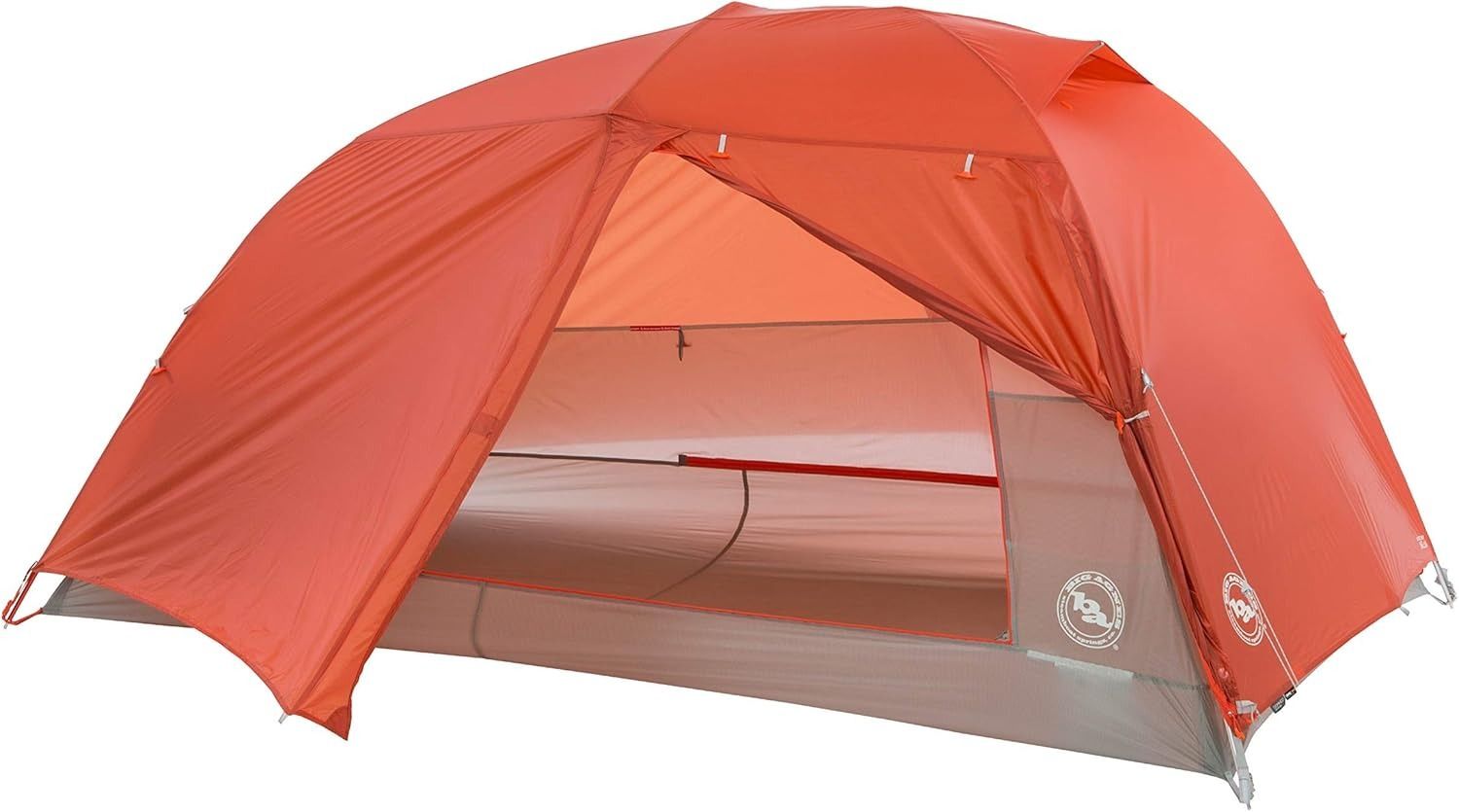 | 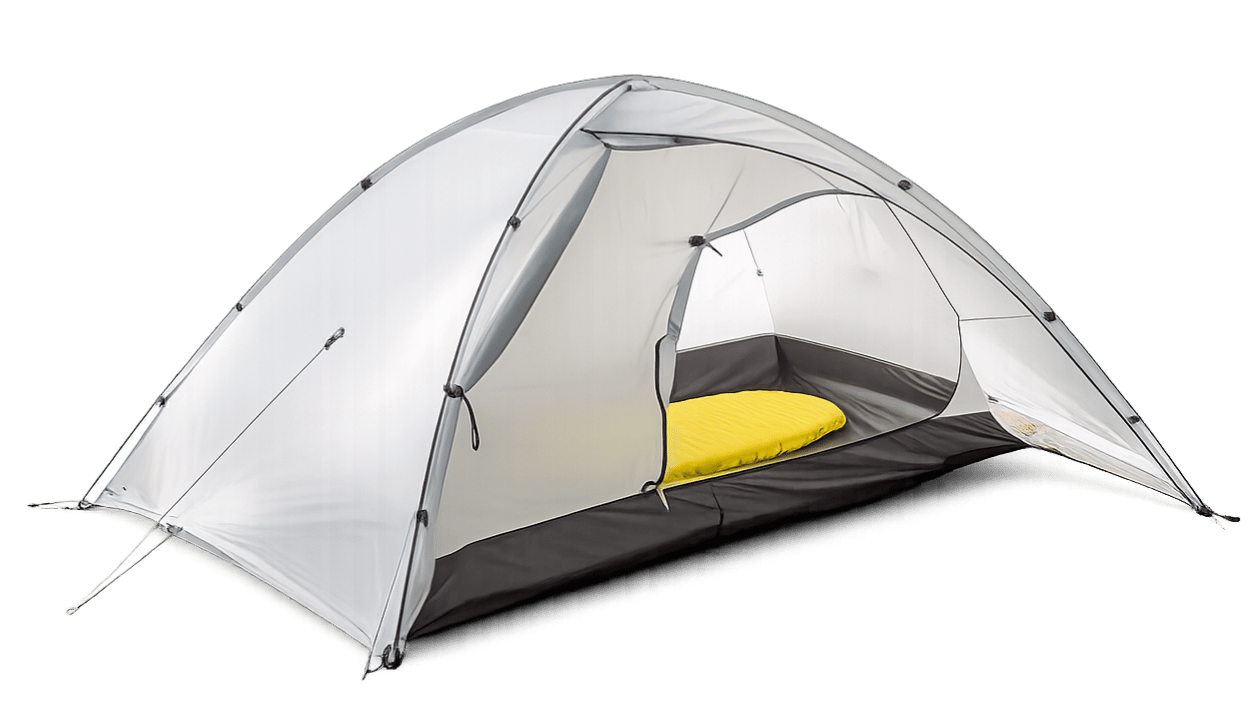 VS | |
| Weight | 2 lb 10 oz min; 3 lb packed | 3 lb 9.8 oz min; 3 lb 15.9 oz typical |
| Floor Area | 29 sq ft | 32.5 sq ft |
| Pole Material | DAC NFL | DAC aluminum or Tarptent carbon fiber |
| Number Of Doors | 2 | 1 |
| Number Of Vestibules | 2 | 1 |
| Warranty | Manufacturing defects | N/A |
| Bathtub Floor | N/A | 6 in |
| Fabric Type | Rainfly/Floor: HyperBead 15D/20D nylon | 30D fly; 30D silnylon floor |
| Packed Size | 19.5 × 4 in | 16.5 × 6 in |
| Tent Capacity | 2 | 2 or 3 |
| Vestibule Area | 18 sq ft | N/A |
| Zipper Type | N/A | YKK #5 |
| Floor Space | 29 sq ft | 32.5 sq ft |
| Big Agnes Copper Spur Tent | TarpTent Arc Dome 2 |
|---|---|
| |
| Weight | |
2 lb 10 oz min; 3 lb packed | 3 lb 9.8 oz min; 3 lb 15.9 oz typical |
| Floor Area | |
29 sq ft | 32.5 sq ft |
| Pole Material | |
DAC NFL | DAC aluminum or Tarptent carbon fiber |
| Number Of Doors | |
2 | 1 |
| Number Of Vestibules | |
2 | 1 |
| Warranty | |
Manufacturing defects | N/A |
| Bathtub Floor | |
N/A | 6 in |
| Fabric Type | |
Rainfly/Floor: HyperBead 15D/20D nylon | 30D fly; 30D silnylon floor |
| Packed Size | |
19.5 × 4 in | 16.5 × 6 in |
| Tent Capacity | |
2 | 2 or 3 |
| Vestibule Area | |
18 sq ft | N/A |
| Zipper Type | |
N/A | YKK #5 |
| Floor Space | |
29 sq ft | 32.5 sq ft |
Durability
Big Agnes Copper Spur Tent
TarpTent Arc Dome 2
Durability in an ultralight tent is about trusting that your shelter won't fail when you're miles from the trailhead. For backpackers, this means materials that resist abrasion, poles that withstand wind stress, and hardware that doesn't snap after repeated use. The Big Agnes Copper Spur Tent earns a strong 4.6/5 with extensive owner praise for its ripstop nylon body, DAC poles, reinforced injection-molded cross poles, rubber tips, and silicone-reinforced stress points—many report a decade or more of hard use. The TarpTent Arc Dome 2 scores a respectable 4.1/5, with buyers appreciating its triple-siliconized nylon, Ultra TNT material stiffness, and sturdy pole structure, but some note issues like line lock hooks breaking and end caps pulling off. While both use quality materials, the Copper Spur's broader track record of longevity under relentless use gives it a clearer durability advantage for most buyers.
Weather Performance
Big Agnes Copper Spur Tent
TarpTent Arc Dome 2
Weather performance determines whether you stay dry and stable when storms roll in unexpectedly. For two-person ultralight tents, this means effective rainfly coverage, hydrostatic head ratings that don't saturate, and structural stability in wind. The Big Agnes Copper Spur Tent achieves 4.7/5 with its 1500mm hydrostatic head rainfly, PFC-free waterproofing, and bathtub floor that owners confirm handles heavy rain and wind without sagging. The TarpTent Arc Dome 2 scores 3.8/5—it handles wind well when pitched taut and performs in winter conditions, but buyers frequently mention flapping noise, Sil nylon stretching when wet, and difficulty sleeping through howling wind despite the tent remaining structurally intact. The Copper Spur's more consistent storm protection and confirmed waterproofing make it the safer choice for unpredictable weather.
Comfort
Big Agnes Copper Spur Tent
TarpTent Arc Dome 2
Comfort in a backpacking tent translates to livable space, headroom for changing clothes, and storage that keeps essentials within reach. The Big Agnes Copper Spur Tent scores 4.4/5 with steep walls, dual doors, large vestibules, and thoughtful gear storage pockets that buyers find roomy for two adults, even accommodating 6'4" users. However, the TarpTent Arc Dome 2 edges ahead at 4.8/5 with its exceptional interior volume, good headroom, and spacious feel that owners consistently praise—some even pairing it with thick 4.6-inch sleeping pads and still finding ample room. The Arc Dome 2's unique arc-shaped design maximizes usable space in ways that make it feel significantly roomier than typical ultralight options. For backpackers who spend extended time in camp or simply value not feeling cramped, the Arc Dome 2's comfort advantage is meaningful.
Ease Of Setup
Big Agnes Copper Spur Tent
TarpTent Arc Dome 2
After exhausting miles on the trail, the last thing you want is a frustrating tent pitch in fading light or worsening weather. Ease of setup directly impacts your daily energy and camp morale. The Big Agnes Copper Spur Tent excels at 4.8/5 with color-coded webbing, intuitive pole design, reflective guylines, and a quick-stash door keeper that buyers describe as 'dead easy,' 'so easy,' and the 'easiest pitching tent' they've used. In stark contrast, the TarpTent Arc Dome 2 plummets to 1.8/5 with persistent complaints about narrow pole sleeves, finicky pole insertion, stiff crossing sections, and frustrating takedown—buyers warn it requires patience, practice, and is especially challenging in wind. This isn't a minor difference; it's a fundamental usability gap that affects every single camp setup.
Ventilation
Big Agnes Copper Spur Tent
TarpTent Arc Dome 2
Proper ventilation prevents condensation buildup that can leave you waking up in a damp sleeping bag, particularly during temperature swings or humid conditions. The Big Agnes Copper Spur Tent scores 4.4/5 with mesh panels, adjustable top vents that prop open with poles, and an 'incredibly breathable' design that buyers find 'very airy.' The TarpTent Arc Dome 2 manages 3.9.getcwd9/5 with carbon fiber vent tubes and dual side vents that provide 'significant venting,' though some buyers note flapping noise when vents are open and occasional condensation issues. While both tents offer functional airflow, the Copper Spur's more versatile and quieter ventilation system provides more consistent comfort across varying conditions.
Bug Protection
Big Agnes Copper Spur Tent
TarpTent Arc Dome 2
Bug protection is non-negotiable for three-season backpacking, where mosquitoes, flies, and no-see-ums can ruin sleep and morale. The Big Agnes Copper Spur Tent scores 4.4/5 with fine mesh walls, secure door seals, and a 'big bug net' design that keeps insects out completely. The TarpTent Arc Dome 2 lags at 3.3/5 with minimal buyer feedback and a 'solid inner' that offers less confidence—its description even acknowledges gaps that can let insects in. For anyone camping in buggy environments, this difference alone could be a dealbreaker.
Trust & Transparency
- Data-driven rankings from real user reviews
- Affiliate partnerships don't influence our methodology
We may earn commission from links.
Conclusion & Final Verdict:
Choose the Big Agnes Copper Spur Tent if: you want a proven, hassle-free ultralight shelter that sets up in minutes, protects you reliably in storms, and won't let bugs in. Its 1.5+ pound weight advantage, lifetime warranty, and intuitive design make it ideal for thru-hikers, frequent backpackers, and anyone who values camp simplicity after long days.
Choose the TarpTent Arc Dome 2 if: interior space and comfort are your top priorities, and you're willing to invest time mastering a complex setup. Its roomier floor plan and excellent headroom reward patient users, but the frustrating pitch process, weaker bug protection, and heavier weight are significant tradeoffs.
Verdict: For most ultralight backpackers, the Big Agnes Copper Spur Tent is the stronger all-around choice. The Arc Dome 2's comfort advantage isn't worth its setup complexity and protection compromises unless you specifically need maximum interior volume and rarely face buggy or rapidly changing conditions.
Related Comparisons
Big Agnes Copper Spur TentvsMSR Hubba Hubba LT 2 Tent
The Big Agnes Copper Spur Tent is lighter and offers better bug protection, while the MSR Hubba Hubba LT 2 Tent provides more space and durability. Choose the Copper Spur for weight savings and the Hubba Hubba for comfort and ruggedness.
Big Agnes Copper Spur TentvsSix Moon Designs Lunar Solo Tent
The Big Agnes Copper Spur is a durable, weather-ready two-person tent with easy setup, while the Lunar Solo is an exceptionally light, roomy solo shelter for ounce-counters. Choose the Copper Spur for reliability and space; choose the Lunar Solo for minimal weight and solo comfort.
Big Agnes Copper Spur TentvsZpacks Duplex Tent
The Big Agnes Copper Spur offers easier setup and superior rain protection for those who prioritize reliability in storms, while the Zpacks Duplex wins on weight savings for ultralight purists willing to master a trickier pitch.
Big Agnes Copper Spur TentvsZpacks Plex Solo Tent
The Big Agnes Copper Spur offers superior durability, weather protection, and comfort for two-person trips, while the Zpacks Plex Solo wins on weight savings for solo hikers who can tolerate less ventilation and a single-door setup.
Durston X-Mid 1vsTarpTent Arc Dome 2
The Durston X-Mid 1 is lighter and more durable with superior ventilation and bug protection, ideal for solo hikers prioritizing reliability; the TarpTent Arc Dome 2 offers more interior space and comfort but is heavier and harder to set up, better for those who value roominess over ease of use.
Zpacks Plex Solo TentvsTarpTent Arc Dome 2
The Zpacks Plex Solo Tent is the ultralight champion for solo backpackers, while the TarpTent Arc Dome 2 offers more space and comfort for those willing to carry extra weight. Choose the Plex Solo for minimalist adventures or the Arc Dome 2 for roomier trips.