
Big Agnes Tiger Wall UL1 Tent vs Durston X-Mid Pro 2
Why You Can Trust Us
- Side-by-side analysis based on real user feedback
- Unbiased comparisons, not influenced by partnerships
- Updated as new data becomes available
We may earn from affiliate links at no extra cost to you.
| Big Agnes Tiger Wall UL1 Tent | X-Mid Pro 2 | |
|---|---|---|
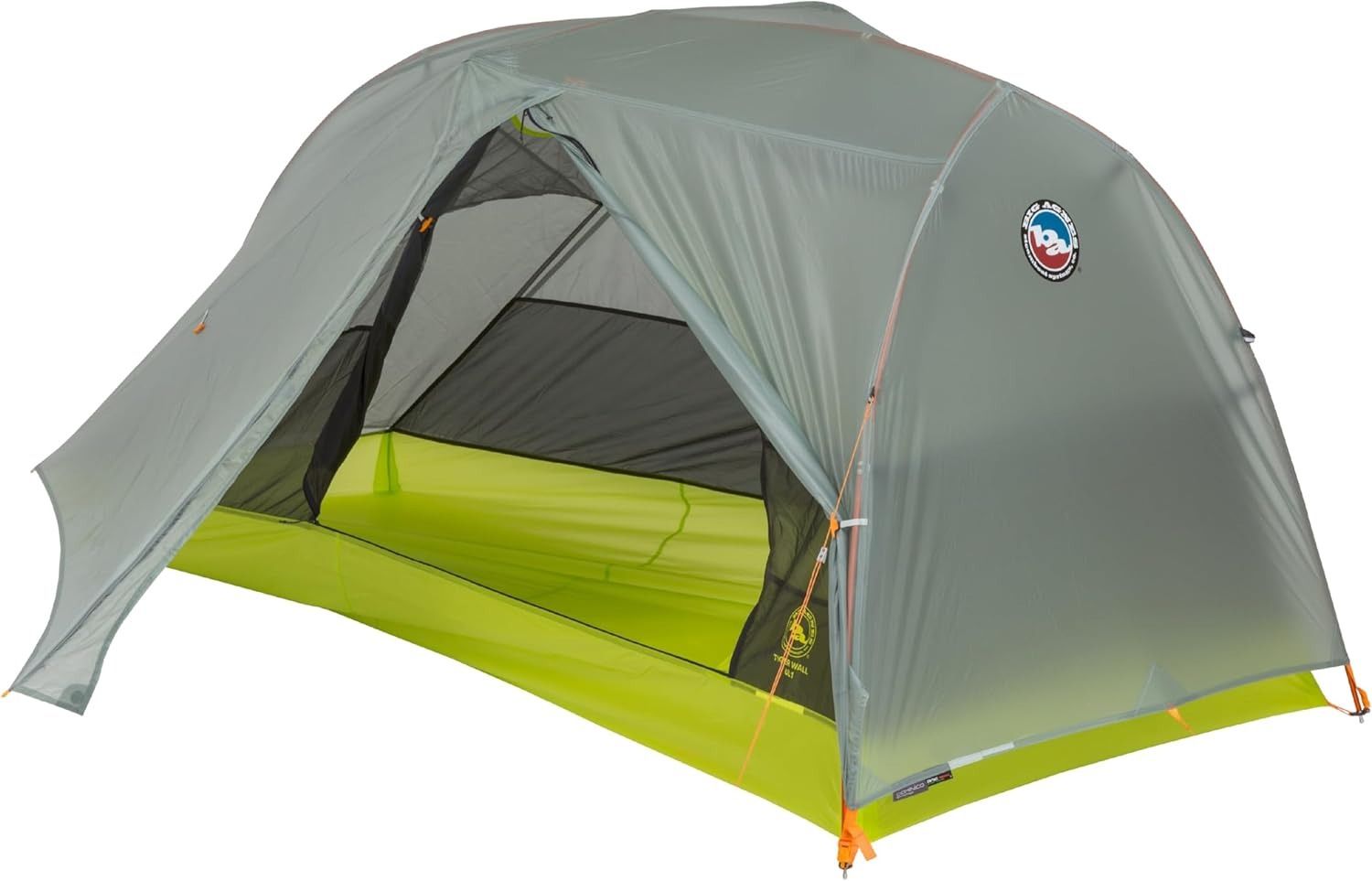 | 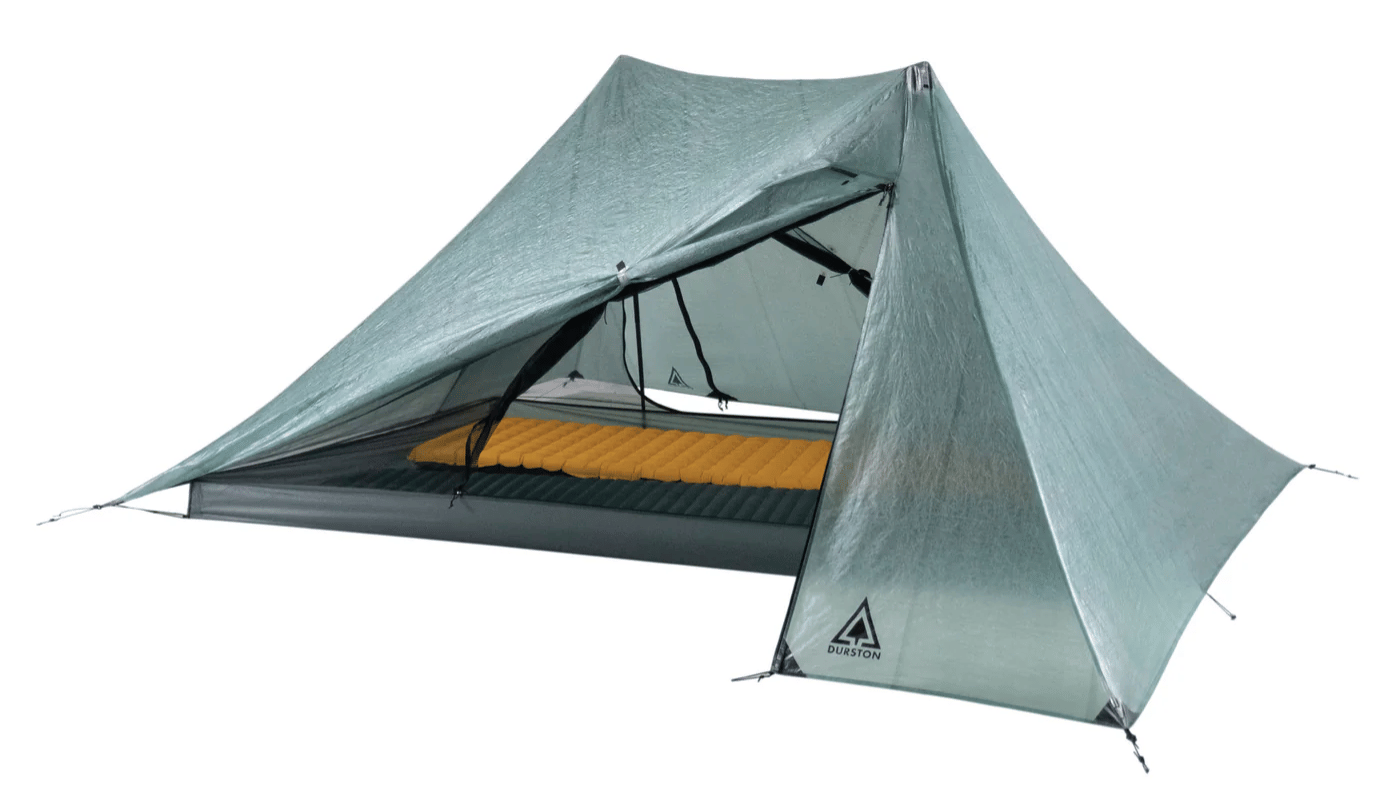 VS | |
| Weight | 1 lb 13 oz min; 2 lb 2 oz packed | 17.9 oz DCF; 21 oz typical |
| Floor Area | 19 sq ft | 28.75 sq ft |
| Pole Material | DAC Featherlite NFL | Trekking poles |
| Number Of Doors | 1 | 2 |
| Number Of Vestibules | 1 | 2 |
| Warranty | Manufacturing defects | 2 years |
| Bathtub Floor | N/A | Tensioned bathtub floor |
| Fabric Type | HyperBead recycled 15D; 59.1 in | DCF canopy; 15D nylon or DCF floor |
| Packed Size | 5 × 17 in | 11 × 5 in |
| Tent Capacity | 1 | 2 |
| Vestibule Area | 8 sq ft | 23 sq ft (11.6 sq ft x 2) |
| Zipper Type | N/A | YKK #3 AquaGuard fly; YKK #3 inner |
| Floor Space | 19 sq ft | 90 × 46 in |
| Big Agnes Tiger Wall UL1 Tent | Durston X-Mid Pro 2 |
|---|---|
| |
| Weight | |
1 lb 13 oz min; 2 lb 2 oz packed | 17.9 oz DCF; 21 oz typical |
| Floor Area | |
19 sq ft | 28.75 sq ft |
| Pole Material | |
DAC Featherlite NFL | Trekking poles |
| Number Of Doors | |
1 | 2 |
| Number Of Vestibules | |
1 | 2 |
| Warranty | |
Manufacturing defects | 2 years |
| Bathtub Floor | |
N/A | Tensioned bathtub floor |
| Fabric Type | |
HyperBead recycled 15D; 59.1 in | DCF canopy; 15D nylon or DCF floor |
| Packed Size | |
5 × 17 in | 11 × 5 in |
| Tent Capacity | |
1 | 2 |
| Vestibule Area | |
8 sq ft | 23 sq ft (11.6 sq ft x 2) |
| Zipper Type | |
N/A | YKK #3 AquaGuard fly; YKK #3 inner |
| Floor Space | |
19 sq ft | 90 × 46 in |
Durability
Big Agnes Tiger Wall UL1 Tent
X-Mid Pro 2
Durability in ultralight tents is always a tension between weight savings and long-term resilience, especially for backpackers who subject their shelters to months of trail abuse. When one tent proves more durable, it means fewer field repairs, longer replacement intervals, and greater confidence in exposed conditions. The Big Agnes Tiger Wall UL1 edges ahead with its 3.6/5 rating, thanks to aluminum stakes and stout construction that holds up well in heavy winds when properly pitched. Its shock cord does require annual readjustment and replacement every few years, but this is predictable maintenance. The X-Mid Pro 2 scores 3.2/5 with more polarized feedback: buyers praise its DCF fabric and reinforced corners, yet report significant concerns about puncture vulnerability, seam tape issues similar to other DCF shelters, and pads potentially pushing the floor into contact with wet ground during heavy rain. The carbon fiber poles and tensioned bathtub floor are engineering strengths, but the broader pattern of durability complaints makes the Tiger Wall the safer long-term bet for most users.
Weather Performance
Big Agnes Tiger Wall UL1 Tent
X-Mid Pro 2
Weather performance separates fair-weather shelters from genuine four-season capable designs, and even small gaps in fly coverage or wind stability can mean sleepless nights in storms. A stronger weather performer gives buyers peace of mind when conditions turn unexpectedly severe. The Tiger Wall UL1 wins narrowly at 3.3/5 versus 3.1/5, with its rainfly providing good protection in heavy rainfall and a design that keeps users cozy as temperatures drop. The gap between tent body and fly that some users report is a real vulnerability, allowing dampness during prolonged storms. The X-Mid Pro 2 offers innovative rain-fly-first pitching that keeps the interior dry during setup, and its steep walls shed wind and snow effectively when fully staked. However, buyer feedback reveals persistent concerns about rain entering the tent, pads compromising floor integrity in heavy conditions, and the single-wall construction forcing more condensation management. Both tents demand careful pitching in serious weather, but the Tiger Wall's double-wall security provides more forgiving protection.
Comfort
Big Agnes Tiger Wall UL1 Tent
X-Mid Pro 2
Comfort in an backpacking tent encompasses not just floor dimensions but the entire experience of living inside the shelter—sitting up to change clothes, organizing gear, and entering without contortion. Superior comfort transforms a tent from mere survival equipment to a genuine home on the trail. The X-Mid Pro 2 dominates this category with a 4.4/5 rating against the Tiger Wall's 3.6/5, and the difference is immediately apparent. Buyers consistently describe fitting a six-foot person with foot-and-a-half of extra room, sitting up without issue, and enjoying big vestibules with unobstructed door access. The rectangular floor and dual-peak height maximize usable space for two people. The Tiger Wall UL1, while offering ample head space and storage pockets for its weight, forces users into narrow dimensions that require crawling in headfirst and performing contortions to orient properly—enough that some report stiff necks and lower back pain. The solo design simply cannot compete with the X-Mid's generous proportions, making the Pro 2 the clear choice for anyone who values livability over absolute minimalism.
Ease Of Setup
Big Agnes Tiger Wall UL1 Tent
X-Mid Pro 2
Setup speed and intuitiveness matter enormously when arriving exhausted at dusk or pitching in deteriorating weather, where fumbling with poles and guylines can become genuinely dangerous. Both tents achieve identical 4.3/5 ratings, though through different mechanisms. The Tiger Wall UL1 leverages a single-hub pole design with color-coded poles that buyers describe as 'insanely easy' and requiring 'no guesswork'—intuitive enough for first-time users, though the brand itself recommends practicing before backcountry use. The X-Mid Pro 2 uses a four-stake rectangular pitch with trekking poles, which experienced users call 'super simple' and fast once the geometry is verified. Dan Durston's setup video helps, and the minimum stake requirement means it goes up quickly in ideal conditions. However, achieving the 'best pitch possible' requires additional stakes and guylines, and the taut-line hitch adjustments add complexity the Tiger Wall avoids. For pure plug-and-play simplicity, the Tiger Wall's integrated pole system wins; for those comfortable with trekking-pole shelters, the X-Mid matches it with practice.
Ventilation
Big Agnes Tiger Wall UL1 Tent
X-Mid Pro 2
Ventilation determines condensation management, which can mean the difference between waking dry or discovering your sleeping bag soaked in moisture. Better ventilation allows broader usable temperature ranges and more comfortable sleep in humid or cold conditions. The Tiger Wall UL1 takes this category 3.4/5 to 3.0/5 with its high mesh walls and adjustable vestibule airflow that helps manage condensation, though some users still report minor dampness in cold conditions. The X-Mid Pro 2's split feedback reflects its fundamental design challenge: as a single-wall tent, it forces more condensation by nature, with peak vents and mesh doors providing mitigation but not elimination. Buyers note the need to prop vents open with Velcro bars or pitch higher for increased airflow, trade-offs the double-wall Tiger Wall largely avoids. The Pro 2's condensation drains and peak vents show thoughtful engineering, but the structural reality of DCF single-wall construction creates inherent limitations that the Tiger Wall's mesh-and-fly architecture overcomes more consistently.
Bug Protection
Big Agnes Tiger Wall UL1 Tent
X-Mid Pro 2
Bug protection becomes critical in mosquito-dense environments where inadequate mesh can ruin nights and force premature mornings. Both tents tie at 3.4/5, though with different character. The Tiger Wall UL1's mesh and seals effectively keep out bugs, though in heavily infested areas some users prefer using just the fly for added protection—suggesting the mesh works but isn't always trusted as the sole barrier. The X-Mid Pro 2 uses no-see-um mesh with an L-shaped door designed to prevent abrasion, and buyers mention permethrin treatment as a complementary strategy. The noseeum specification indicates fine enough weave for small insects. Neither tent appears flawed in this regard, but neither stands out as exceptional; both provide adequate protection for typical backpacking scenarios with the usual caveats about user behavior and regional insect pressure.
Trust & Transparency
- Data-driven rankings from real user reviews
- Affiliate partnerships don't influence our methodology
We may earn commission from links.
Conclusion & Final Verdict:
Choose the Big Agnes Tiger Wall UL1 if: you want the simplest possible setup with integrated poles, prefer double-wall condensation management, value a lifetime warranty, and prioritize proven weather protection in a true solo shelter.
Choose the Durston X-Mid Pro 2 if: you want the lightest overall package with the most interior space, need genuine two-person livability, appreciate dual doors and vestibules, and are comfortable with trekking-pole pitching and single-wall condensation management.
The Verdict: These tents serve different hikers. The Tiger Wall UL1 is the safer, more traditional ultralight choice with better weather protection and durability confidence. The X-Mid Pro 2 is the more innovative, spacious option that pushes material science forward—at some cost to durability predictability. For pure solo gram-counting in varied conditions, the Tiger Wall retains advantages. For anyone who spends enough nights in a tent that livability matters more than a few ounces, the X-Mid Pro 2's comfort superiority is transformative.
Related Comparisons
Big Agnes Tiger Wall UL1 TentvsGossamer Gear The One
The Big Agnes Tiger Wall UL1 Tent excels in durability and ease of setup, while The One by Gossamer Gear offers superior comfort and space. Choose Big Agnes for reliability in harsh conditions or Gossamer Gear for a more comfortable shelter.
Big Agnes Tiger Wall UL1 TentvsHyperlite Mountain Gear UltaMid 2 Tent
The Big Agnes Tiger Wall UL1 is the easier-to-set-up solo tent for lightweight solo trips, while the Hyperlite Mountain Gear UltaMid 2 offers superior weather protection, comfort, and durability for two people—choose the UL1 for simplicity, the UltaMid 2 for all-conditions reliability.
Big Agnes Tiger Wall UL1 TentvsMSR FreeLite™ 2-Person Ultralight Backpacking Tent
The Big Agnes Tiger Wall UL1 Tent is lighter and easier to set up, ideal for solo backpackers prioritizing weight and simplicity. The MSR FreeLite™ 2-Person Tent offers more space and better ventilation, making it a better choice for those who value comfort and airflow.
Big Agnes Tiger Wall UL1 TentvsMSR Hubba Hubba LT 2 Tent
The Big Agnes Tiger Wall UL1 Tent is ultra-lightweight and easy to set up, ideal for solo backpackers prioritizing weight savings. The MSR Hubba Hubba LT 2 Tent offers superior durability, weather resistance, and comfort, making it better for harsh conditions and longer trips.
Big Agnes Tiger Wall UL1 TentvsSix Moon Designs Lunar Solo Tent
The Big Agnes Tiger Wall UL1 Tent offers quick setup and solid durability, while the Six Moon Designs Lunar Solo Tent provides superior comfort and weather performance. Choose the Tiger Wall for ease of use or the Lunar Solo for a more spacious and weather-resistant shelter.
Big Agnes Tiger Wall UL1 TentvsZpacks Duplex Tent
The Zpacks Duplex Tent excels in durability, weather performance, and comfort, making it ideal for serious backpackers. The Big Agnes Tiger Wall UL1 Tent is lighter and easier to set up, perfect for solo adventurers prioritizing simplicity.