
Black Diamond Alpine Carbon Cork Trekking Poles vs Black Diamond Trail Cork Trekking Poles
Why You Can Trust Us
- Side-by-side analysis based on real user feedback
- Unbiased comparisons, not influenced by partnerships
- Updated as new data becomes available
We may earn from affiliate links at no extra cost to you.
| Alpine Carbon Cork Trekking Poles | Trail Cork Trekking Poles | |
|---|---|---|
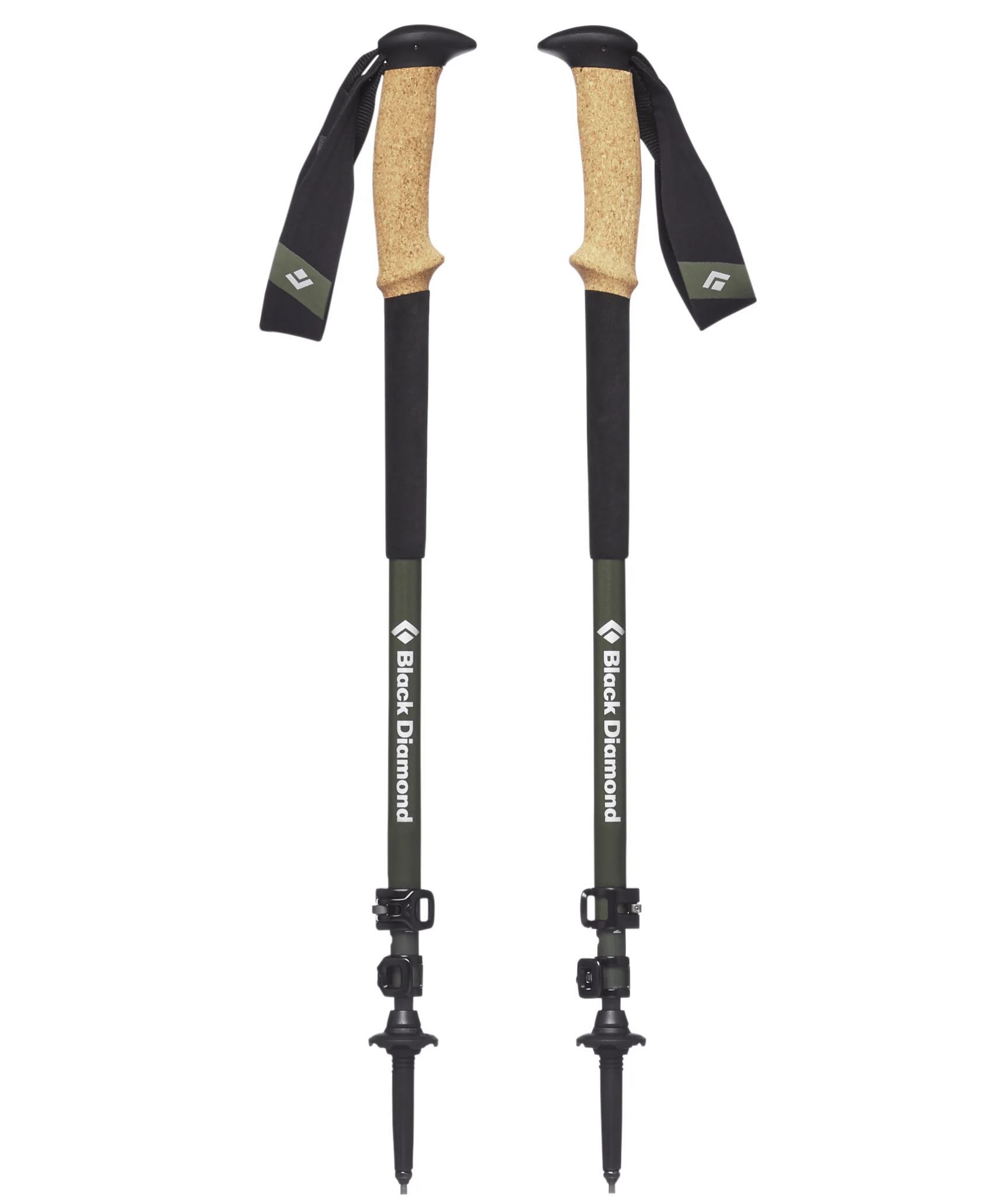 | 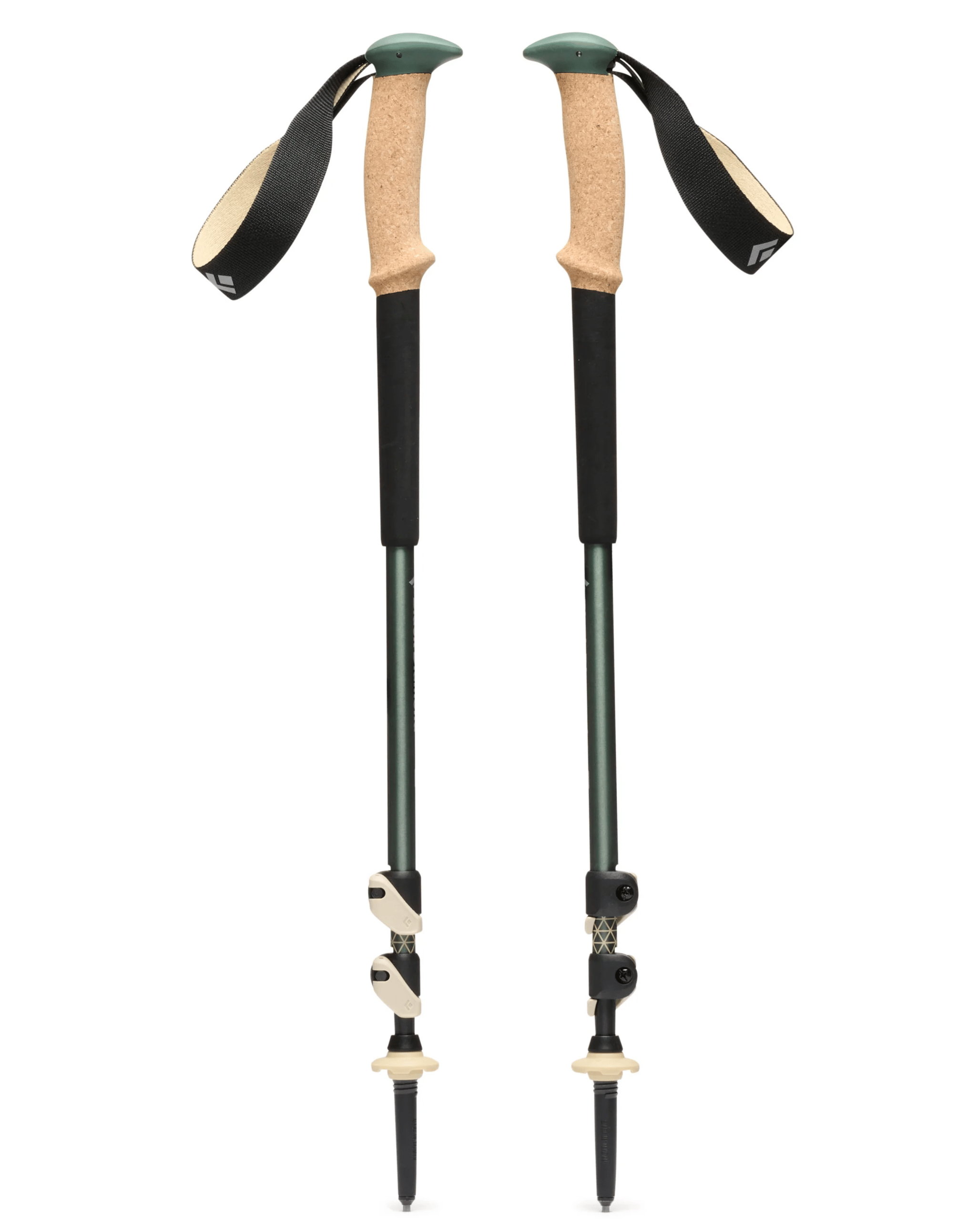 VS | |
| Weight | 17.13 oz | 14.1 oz (pair) |
| Locking Mechanism | FlickLock® Pro | FlickLock adjustable |
| Grip Material | Cork, EVA foam | Cork; foam |
| Carbide Tips | Carbide tips | Carbide tips |
| Number Of Sections | N/A | 3 |
| Warranty | 2 Years | Lifetime |
| Tip Material | Carbide, Steel | Carbide Tech Tips |
| Basket Type | EVA Plastic | Trekking baskets; snow baskets included |
| Rubber Tips | N/A | Sold separately |
| Adjustment Range | 39.4–51.2 in | N/A |
| Adjustment Wheel | N/A | N/A |
| Aluminum Flip Locks | Aluminum flip locks | Aluminum flip locks |
| Black Diamond Alpine Carbon Cork Trekking Poles | Black Diamond Trail Cork Trekking Poles |
|---|---|
| |
| Weight | |
17.13 oz | 14.1 oz (pair) |
| Locking Mechanism | |
FlickLock® Pro | FlickLock adjustable |
| Grip Material | |
Cork, EVA foam | Cork; foam |
| Carbide Tips | |
Carbide tips | Carbide tips |
| Number Of Sections | |
N/A | 3 |
| Warranty | |
2 Years | Lifetime |
| Tip Material | |
Carbide, Steel | Carbide Tech Tips |
| Basket Type | |
EVA Plastic | Trekking baskets; snow baskets included |
| Rubber Tips | |
N/A | Sold separately |
| Adjustment Range | |
39.4–51.2 in | N/A |
| Adjustment Wheel | |
N/A | N/A |
| Aluminum Flip Locks | |
Aluminum flip locks | Aluminum flip locks |
Comfort
Alpine Carbon Cork Trekking Poles
Trail Cork Trekking Poles
Comfort is critical on long hikes, where hand fatigue, sweat buildup, and grip pressure can turn a pleasant trek into a painful ordeal. Poles with cork handles that mold to your grip and wick moisture offer a significant advantage, especially when paired with padded, breathable straps. The Alpine Carbon Cork earns a higher comfort score thanks to broader praise for its natural cork handles, moisture-wicking properties, and ergonomic wrist straps with mesh and foam padding—users report fewer blisters and a more natural feel over hours of use. The Trail Cork also delivers excellent comfort with its cork and foam grips, but feedback is slightly less detailed and lacks the same depth of praise for strap design and sweat management. For buyers prioritizing all-day comfort, the Alpine Carbon Cork has a subtle but meaningful edge.
Durability
Alpine Carbon Cork Trekking Poles
Trail Cork Trekking Poles
Durability determines how long your poles will last under rough use—rocky scrambles, accidental drops, or heavy loads on steep trails. The Trail Cork dominates here with overwhelming buyer feedback highlighting its aluminum construction and Gorilla tape reinforcement, with dozens of users praising its resilience and long-term reliability even after years of heavy use. In contrast, the Alpine Carbon Cork’s carbon fiber shafts, while lightweight, draw consistent concerns about vulnerability to impacts and chipping, with some reports of breakage under stress. Though both have removable carbide tips and strong flick locks, the Trail Cork’s aluminum build is simply more forgiving in rugged conditions. If you hike off-trail, carry heavy packs, or frequently encounter abrasive terrain, the Trail Cork is the clear winner for lasting performance.
Adjustability
Alpine Carbon Cork Trekking Poles
Trail Cork Trekking Poles
Quick, secure length adjustments are essential for adapting to changing terrain—whether ascending steep slopes or descending rocky paths. Both poles use FlickLock technology, but the Trail Cork benefits from significantly more user feedback praising its smooth, reliable, and precise adjustments, with many noting how easily it can be shortened or extended even with gloves on. The Alpine Carbon Cork’s FlickLock Pro system is also effective, but fewer users mention it in detail, and the overall volume of positive feedback is lower. The Trail Cork’s higher adjustability score reflects a more consistently satisfying experience across diverse conditions and user preferences. For hikers who frequently tweak pole length, the Trail Cork offers a more confident and hassle-free adjustment experience.
Stability
Alpine Carbon Cork Trekking Poles
Trail Cork Trekking Poles
Stability on uneven ground, steep inclines, or slippery surfaces directly impacts safety and reduces strain on knees and ankles. The Alpine Carbon Cork receives more detailed feedback on stability, with users noting strong traction from carbide tips, no movement when leaning, and effective support during tent pitching and downhill walking. The Trail Cork also helps reduce knee strain and has been credited with preventing injuries, but feedback is sparse and lacks the same breadth of real-world testing scenarios. While both poles perform adequately, the Alpine Carbon Cork’s wider range of stability-related comments—from traction to load-bearing confidence—gives it a slight edge in practical, on-trail performance.
Noise And Vibration
Alpine Carbon Cork Trekking Poles
Trail Cork Trekking Poles
Noise and vibration are rarely discussed by buyers, suggesting neither pole has a standout issue or feature in this area. With no meaningful feedback on either model regarding clatter, resonance, or shock absorption, this category remains neutral. Neither carbon nor aluminum construction appears to create a noticeable difference in user experience, and no complaints or praises emerge to suggest one is quieter or more dampened than the other. For most hikers, this factor won’t influence their decision.
Versatility
Alpine Carbon Cork Trekking Poles
Trail Cork Trekking Poles
Versatility matters when poles double as tent poles, tarp anchors, or snowshoe aids. Both models excel here, earning identical 4.6/5 scores, but the Trail Cork has more user mentions covering a wider range of uses—from road walking and storage to left/right hand positioning and shelter setup. The Alpine Carbon Cork is praised for its dust and snow baskets, rubber tips for pavement, and use with trekking pole tents, but the Trail Cork’s feedback is more diverse and frequent, suggesting broader adaptability across activities. While both are highly versatile, the Trail Cork’s slightly richer feedback landscape gives it a marginal advantage for multi-sport users.
Trust & Transparency
- Data-driven rankings from real user reviews
- Affiliate partnerships don't influence our methodology
We may earn commission from links.
Conclusion & Final Verdict:
For hikers prioritizing lightweight comfort and all-day grip on long trails, the Black Diamond Alpine Carbon Cork Trekking Poles are ideal. But if you need maximum durability, lifetime warranty, and snow-ready baskets for rugged backpacking or frequent off-trail use, the Black Diamond Trail Cork Trekking Poles are the smarter, longer-lasting choice. Choose the Alpine Carbon Cork for endurance hikes; choose the Trail Cork for heavy-duty adventures.
Related Comparisons
Black Diamond Alpine Carbon Cork Trekking PolesvsBlack Diamond Distance Carbon FLZ Trekking Poles
The Black Diamond Alpine Carbon Cork Trekking Poles offer superior durability and cork handles for comfort, while the Distance Carbon FLZ poles excel in adjustability and versatility. Choose Alpine for rugged trails and Distance for varied terrain.
Black Diamond Alpine Carbon Cork Trekking PolesvsBlack Diamond Pursuit Trekking Poles
The Black Diamond Alpine Carbon Cork offers superior versatility and lighter weight for long hikes, while the Pursuit delivers better adjustability and stability with shock absorption—choose the Alpine for multi-terrain adaptability, the Pursuit for all-day comfort on rugged trails.
Black Diamond Alpine Carbon Cork Trekking PolesvsBlack Diamond Trail Back Trekking Poles
Choose the Alpine Carbon Cork for superior comfort and versatility on long hikes, or the Trail Back for unmatched durability and adjustability on rugged trails.
Black Diamond Alpine Carbon Cork Trekking PolesvsCascade Mountain Tech Aluminum Quick Lock Trekking Poles (EVA Grip)
For maximum comfort and grip in wet conditions, choose Cascade Mountain Tech’s EVA grips; for superior moisture-wicking and natural feel on long hikes, pick Black Diamond’s cork handles. The Cascade poles are lighter, more adjustable, and more durable overall.
Black Diamond Alpine Carbon Cork Trekking PolesvsHiker Hunger 100% Carbon Fiber Trekking Poles
The Black Diamond Alpine Carbon Cork Trekking Poles offer superior comfort and versatility, while the Hiker Hunger 100% Carbon Fiber Trekking Poles excel in durability and stability. Choose the former for a comfortable grip and multi-use functionality, or the latter for rugged terrain and long-lasting performance.
Black Diamond Alpine Carbon Cork Trekking PolesvsLeki Legacy Lite
For maximum comfort and shock absorption on long hikes, choose Leki Legacy Lite; for superior versatility and moisture-wicking cork grips, pick Black Diamond Alpine Carbon Cork—ideal for hikers who prioritize multi-terrain adaptability and natural grip feel.