
Dragon NFX MAG OTG vs Glade Optics Adapt 2
Why You Can Trust Us
- Side-by-side analysis based on real user feedback
- Unbiased comparisons, not influenced by partnerships
- Updated as new data becomes available
We may earn from affiliate links at no extra cost to you.
| NFX MAG OTG | Adapt 2 | |
|---|---|---|
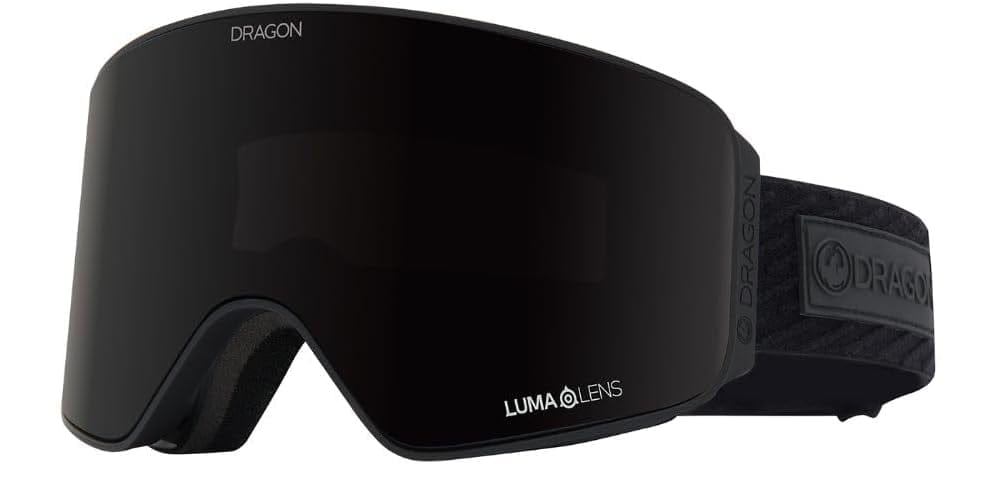 | 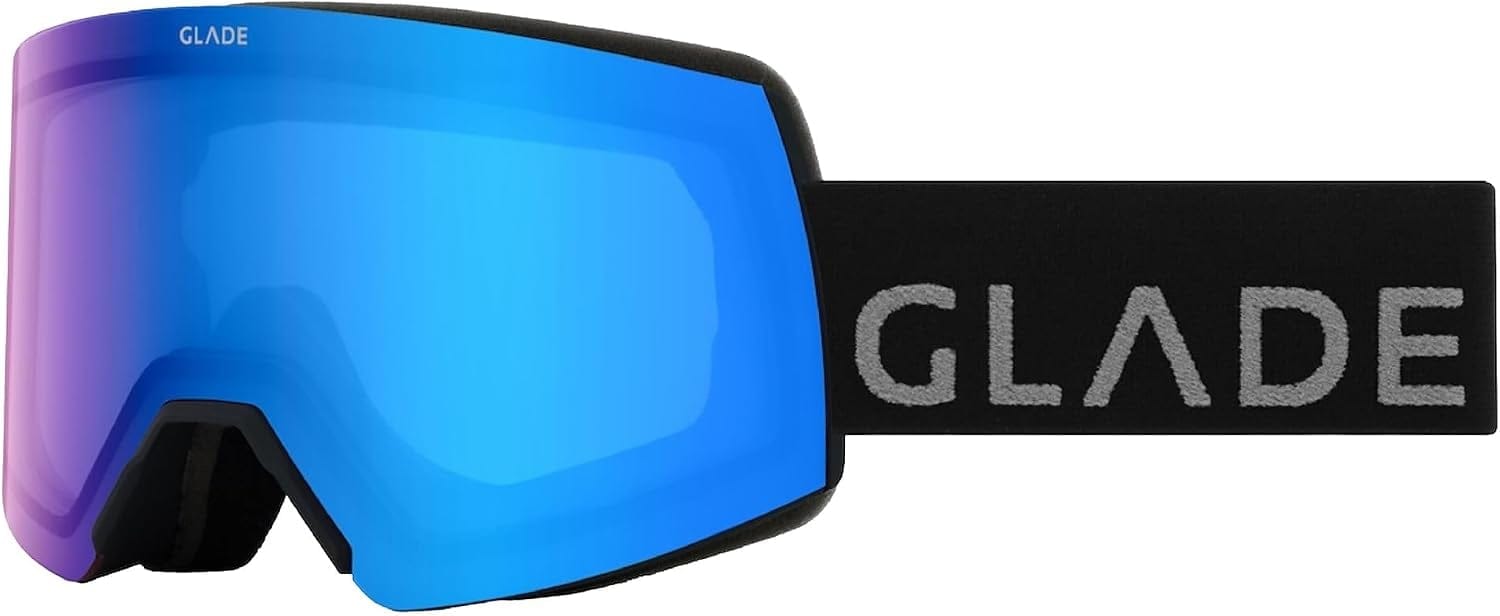 VS | |
| Lens Type | Cylindrical (injection-molded) | Cylindrical |
| Lens Change System | Swiftlock magnetic lens change system | Interchangeable lens, non-magnetic (no quick-change mechanism) |
| Included Lenses | 2: Lumalens main lens + Lumalens bonus lens (e.g., Midnight 6% VLT + Violet) | 1: REVEAL photochromic lens (installed); VLT range varies by tint |
| Size | Medium fit | Medium/Large fit |
| OTG Compatibility | Yes (OTG) | Yes (OTG; fits most glasses under 5.5 × 2 in) |
| Lens Technology | Lumalens color-optimized | REVEAL photochromic (REVEAL 4K option) |
| Warranty | 2 years (manufacturer defects) | 2 years (materials and craftsmanship) |
| Anti-fog Coating | Yes (Super Anti-Fog coating) | Yes (anti-fog coating) |
| Ventilation | Armored venting | Oversized fog-free vents |
| Helmet Compatibility | Helmet compatible | Yes (gap-free fit with Glade helmets) |
| Foam Layers | 3 (with micro-fleece lining) | 3 |
| Case Included | N/A | No hard case (microfiber bag with spare lens sleeve) |
| Dragon NFX MAG OTG | Glade Optics Adapt 2 |
|---|---|
| |
| Lens Type | |
Cylindrical (injection-molded) | Cylindrical |
| Lens Change System | |
Swiftlock magnetic lens change system | Interchangeable lens, non-magnetic (no quick-change mechanism) |
| Included Lenses | |
2: Lumalens main lens + Lumalens bonus lens (e.g., Midnight 6% VLT + Violet) | 1: REVEAL photochromic lens (installed); VLT range varies by tint |
| Size | |
Medium fit | Medium/Large fit |
| OTG Compatibility | |
Yes (OTG) | Yes (OTG; fits most glasses under 5.5 × 2 in) |
| Lens Technology | |
Lumalens color-optimized | REVEAL photochromic (REVEAL 4K option) |
| Warranty | |
2 years (manufacturer defects) | 2 years (materials and craftsmanship) |
| Anti-fog Coating | |
Yes (Super Anti-Fog coating) | Yes (anti-fog coating) |
| Ventilation | |
Armored venting | Oversized fog-free vents |
| Helmet Compatibility | |
Helmet compatible | Yes (gap-free fit with Glade helmets) |
| Foam Layers | |
3 (with micro-fleece lining) | 3 |
| Case Included | |
N/A | No hard case (microfiber bag with spare lens sleeve) |
Comfort & Fit
NFX MAG OTG
Adapt 2
Comfort and fit matter more than any other factor in a goggle because a frame that pinches or leaks will distract you on every run. Buyers consistently describe the Adapt 2 as the more comfortable option, with its triple-density foam praised as cushy and its flatter cylindrical shape sitting naturally against the face. Reviewers also say it leaves no gap when paired with a helmet, including Glade and Smith models, and its larger size gives good face coverage and cuts down on wind. The trade-off is that a few wearers with wider faces feel pressure on the nose or find the frame sitting against the eye, so the fit is not universal. The NFX MAG OTG also earns good marks, with owners saying it fits well, the triple-density foam stays comfortable through long days, and the nose seal sits well on the bridge of the nose. However, it is not a big-fitting goggle, and some wearers find the foam a little snug around the eye socket, so trying it on before buying is wise. For most buyers, especially those who want a larger, helmet-friendly fit, the Adapt 2 is the stronger choice in this category.
Durability
NFX MAG OTG
Adapt 2
Durability affects how well a goggle survives drops, rough handling and the everyday wear of ski trips and travel. The NFX MAG OTG stands out here, with reviewers pointing to its scratch-resistant hard coat, hard shell top piece and armored venting that protects the foam when you pull the goggle off. Owners describe it as durable enough for regular days on the mountain. The Adapt 2 received no specific durability feedback from buyers, so its rating sits at a neutral level rather than reflecting any known weakness. For a buyer who wants confidence that the frame will hold up through hard use, the NFX MAG OTG has the clearer advantage in this category.
Optical Clarity
NFX MAG OTG
Adapt 2
Optical clarity determines how easily you read snow texture, bumps and terrain in flat or changing light, so it is one of the most important considerations for any goggle. The NFX MAG OTG is praised for a wide, unobstructed field of view and improved depth perception and color optimization that make terrain easier to read. Its main drawback is slight blockage at the edges of the periphery, which some riders will notice. The Adapt 2 gets consistent praise for crystal-clear sightlines without squinting, good coverage and UVA and UVB filtering, and a few testers gave it a visibility edge in side-by-side comparisons. Its photochromic lens also adjusts to changing light, which helps keep the view consistent across the day. A few complaints keep it from the top tier, though. Both goggles perform well here, so the choice comes down to whether you value the NFX's sharper color and depth cues or the Adapt 2's wider, clearer sightline and adaptive lens.
Fog Control
NFX MAG OTG
Adapt 2
Fog control is essential because a goggle that fogs at the first stop or during a sudden temperature change can quickly become unusable. The NFX MAG OTG has a strong reputation here, with reviewers calling its anti-fog coating one of the best and reporting that fogging rarely became a problem during testing. Its top vent adds airflow, though minimal bottom venting can limit ventilation in some conditions and in some wearers' foam. The Adapt 2 also has positive anti-fog feedback, with buyers mentioning its anti-fog coating and vent holes in the brim that help keep the lens clear and provide good ventilation. Fewer buyers have commented on its fog performance, however, so the rating is less certain. Based on the evidence available, the NFX MAG OTG has the edge for riders who are especially worried about fog in wet or humid conditions.
Lens Changing
NFX MAG OTG
Adapt 2
Lens changing matters because light conditions on the mountain shift quickly, and a goggle that is slow or awkward to adjust can cost you time and comfort. The NFX MAG OTG's Swift Lock magnetic system is a clear strength, with buyers saying the lens pops open easily, can be swapped quickly and often with one hand, and feels cleaner and more refined than older versions. The Adapt 2 takes a different approach with a photochromic lens that automatically adjusts tone as the sun changes, so many skiers rarely need to swap at all. Its interchangeable lenses use a conventional, non-magnetic mount, which takes more effort, and a few buyers questioned how the photochromic claims hold up in practice. If you swap lenses often and want speed, the NFX MAG OTG is the better choice. If you prefer a lens that adapts on its own and you swap infrequently, the Adapt 2 offers a practical alternative.
Style
NFX MAG OTG
Adapt 2
Style matters to many buyers because goggles are visible on the face and often paired with a helmet and jacket. The NFX MAG OTG draws attention with a sleek, rimless look that many owners describe as gorgeous and full of style, and its armored venting adds to the eye-catching design. The Adapt 2 has a classic cylindrical, squared-off look that buyers say pairs nicely with a helmet and looks good on the face. The NFX suits riders who want a modern, streamlined look, while the Adapt 2 appeals to those who prefer a traditional silhouette. Since both are well received, the decision here depends on personal taste rather than a clear winner.
Trust & Transparency
- Data-driven rankings from real user reviews
- Affiliate partnerships don't influence our methodology
We may earn commission from links.
Conclusion & Final Verdict:
Choose the Dragon NFX MAG OTG if you want the fastest lens changes, the best-regarded anti-fog performance, a tough hard-coated frame and a sleek rimless look, and you have a medium-sized face that the foam fits comfortably.
Choose the Glade Optics Adapt 2 if you prioritize a cushy, larger fit with good coverage, a gap-free seal with helmets and a photochromic lens that handles changing light without swapping. Both are solid goggles, so trying them on with your helmet and glasses is the best final test.
Related Comparisons
Dragon NFX MAG OTGvsAnon M5
The Dragon NFX MAG OTG suits riders who want OTG compatibility, a two-year warranty and a tough, quick-swapping build. The Anon M5 is the better pick for sharper, lower-distortion optics and a comfortable rimless fit on most faces.
Dragon NFX MAG OTGvsGiro Axis
The NFX MAG OTG is the better pick for riders who want the fastest one-hand lens swaps, a tougher build, and OTG compatibility. The Giro Axis suits skiers who put comfort under a helmet and a wide frameless view first.
Dragon NFX MAG OTGvsGiro Contour
The Dragon NFX MAG OTG is the better choice for riders who want quick one-handed lens swaps, stronger fog control, and a tougher build. The Giro Contour suits buyers who put comfort and edge-to-edge optics first and can accept weaker fog performance in wet or hard riding.
Dragon NFX MAG OTGvsOakley Flight Deck
The NFX MAG OTG suits riders who change lenses often and want a tougher, stylish goggle with a fast magnetic swap. The Flight Deck is the better choice for buyers who put comfort, wide clear vision, and fog resistance first.
Dragon NFX MAG OTGvsOakley Flow Scape
The Dragon NFX MAG OTG is the better choice for riders who change lenses often, especially those who wear glasses, thanks to its quick one-hand Swift Lock magnetic system. The Oakley Flow Scape wins on snow optics, comfort, and fog resistance, so it suits riders who mostly keep one lens for the day.
Dragon NFX MAG OTGvsOakley Line Miner
The Dragon NFX MAG OTG is the better pick if you change lenses often, since its magnetic Swift Lock system swaps quickly, sometimes one-handed. The Oakley Line Miner suits riders who put comfort, sharper optics, and vintage style first, especially those who wear glasses.