
Durston X-Mid Pro 1 vs MSR FreeLite™ 2-Person Ultralight Backpacking Tent
Why You Can Trust Us
- Side-by-side analysis based on real user feedback
- Unbiased comparisons, not influenced by partnerships
- Updated as new data becomes available
We may earn from affiliate links at no extra cost to you.
| X-Mid Pro 1 | FreeLite™ 2-Person Ultralight Backpacking Tent | |
|---|---|---|
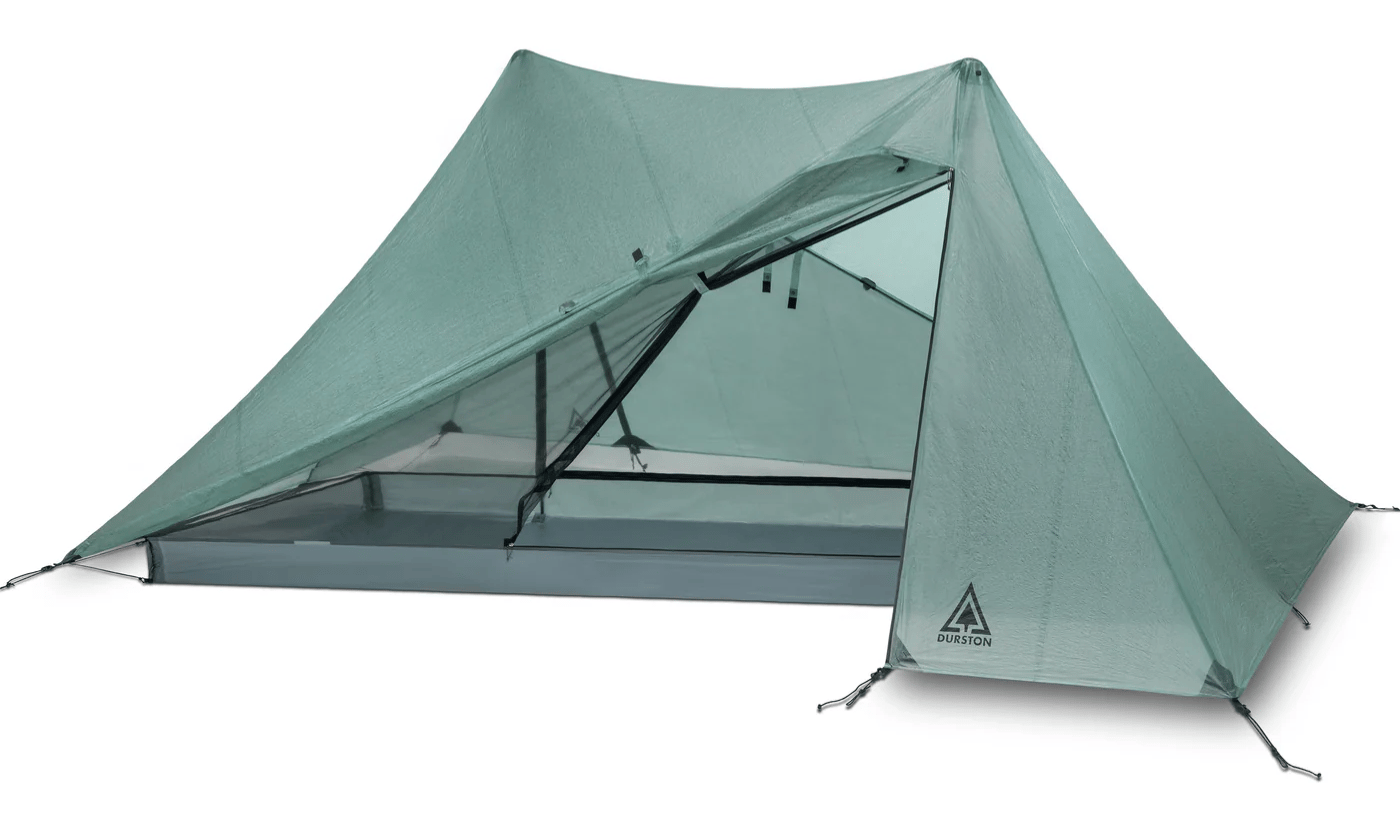 | 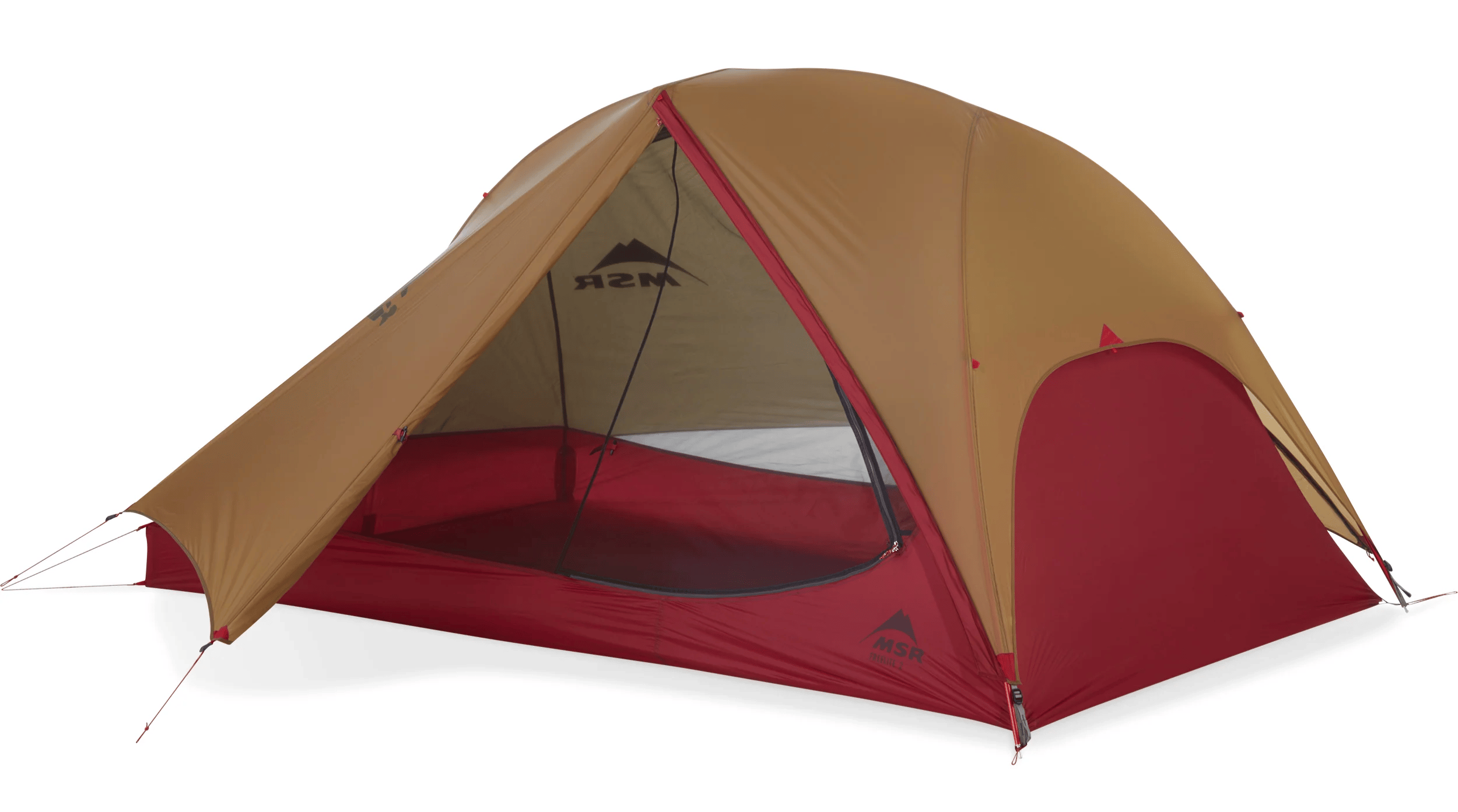 VS | |
| Weight | 15.5 oz DCF; 17.1 oz woven | 2 lb min; 2 lb 5 oz packed |
| Floor Area | 20 sq ft | 29 sq ft |
| Pole Material | Aluminum | 2 DAC NFL 0.34 in poles |
| Number Of Doors | 1 | 2 |
| Number Of Vestibules | 2 | 2 |
| Warranty | 2 years | Limited lifetime/3-year |
| Bathtub Floor | Tensioned bathtub floor | Waterproof bathtub-style floor |
| Fabric Type | DCF canopy; 15D nylon or DCF floor | Rainfly/floor 15D nylon; 47.2 in |
| Packed Size | 10 × 4.5 in | 18 × 4.5 in |
| Tent Capacity | 1 | 2 |
| Vestibule Area | 22 sq ft (11 × 2) | 15 sq ft |
| Zipper Type | YKK #3 AquaGuard fly; YKK #3 inner | No-curve door zippers |
| Floor Space | 20 sq ft | 29 sq ft |
| Durston X-Mid Pro 1 | MSR FreeLite™ 2-Person Ultralight Backpacking Tent |
|---|---|
| |
| Weight | |
15.5 oz DCF; 17.1 oz woven | 2 lb min; 2 lb 5 oz packed |
| Floor Area | |
20 sq ft | 29 sq ft |
| Pole Material | |
Aluminum | 2 DAC NFL 0.34 in poles |
| Number Of Doors | |
1 | 2 |
| Number Of Vestibules | |
2 | 2 |
| Warranty | |
2 years | Limited lifetime/3-year |
| Bathtub Floor | |
Tensioned bathtub floor | Waterproof bathtub-style floor |
| Fabric Type | |
DCF canopy; 15D nylon or DCF floor | Rainfly/floor 15D nylon; 47.2 in |
| Packed Size | |
10 × 4.5 in | 18 × 4.5 in |
| Tent Capacity | |
1 | 2 |
| Vestibule Area | |
22 sq ft (11 × 2) | 15 sq ft |
| Zipper Type | |
YKK #3 AquaGuard fly; YKK #3 inner | No-curve door zippers |
| Floor Space | |
20 sq ft | 29 sq ft |
Durability
X-Mid Pro 1
FreeLite™ 2-Person Ultralight Backpacking Tent
Durability matters enormously in ultralight gear because every ounce saved typically comes from thinner materials that trade toughness for weight. When a tent uses fragile fabrics, buyers must constantly monitor where they pitch, how they enter, and what they carry inside. The X-Mid Pro 1 earns strong buyer confidence with its DCF fabric, reinforced pole tip connectors, and stronger vestibule corners; users describe it as "rock solid" and "amazingly strong" even after serious weather, with only isolated concerns about tearing and general gear care. The FreeLite 2, by contrast, generates persistent anxiety about its 15-denier nylon fly and floor, 10-denier floor variants, and thin fabrics that sag when wet. Buyers report needing to avoid abrasive ground, clear sharp sticks, use footprints on rough terrain, and generally "treat it like lightweight gear." While some note the zippers hold up and the pole repair sleeve is welcome, the volume of negative durability mentions is substantial. For anyone venturing off maintained trails or into brushy conditions, the X-Mid Pro 1's sturdier construction offers meaningful peace of mind.
Weather Performance
X-Mid Pro 1
FreeLite™ 2-Person Ultralight Backpacking Tent
Weather performance separates fair-three-season shelters from those you can trust when forecasts deteriorate, and in ultralight tents, every design choice—single versus double wall, fly coverage, pole geometry—affects how well you sleep through a storm. The X-Mid Pro 1 receives consistent praise for shedding rain, snow, and wind up to 30-40 mph gusts, with buyers highlighting its waterproof zipper, waterproof floor, and stability in storms; condensation does occur as with any single-wall design, but moisture management generally satisfies. The FreeLite 2 handles typical three-season conditions and surprises some users with decent wind performance when staked well, yet its scooped fly with shorter coverage raises concerns about splash and spray, and the fly requires retensioning in wet weather. Multiple buyers note water dripping in through rain gutters, and while the 1200mm hydrostatic head keeps most users dry, the recurring need to adjust a sagging fly in ongoing rain is a practical drawback. For exposed ridges, prolonged storms, or shoulder-season trips, the X-Mid Pro 1's more reliable weather protection is the safer bet.
Comfort
X-Mid Pro 1
FreeLite™ 2-Person Ultralight Backpacking Tent
Comfort in an ultralight tent encompasses not just floor dimensions but how the space feels—headroom, wall angles, vestibule utility, and whether you can organize gear without contortions. The X-Mid Pro 1 scores well with buyers who appreciate its tall room, generous head and foot room, wide floor that accommodates long wide pads, and ample vestibule space; the 20 square feet feels open rather than cramped, and the dual-vestibule layout helps spread gear out. The FreeLite 2 offers more total floor area at 29 square feet and a true rectangular floor that fits two pads more cleanly, with good headroom for the weight and vertical sidewalls that make changing clothes easier. However, buyer sentiment clearly distinguishes between solo and double occupancy: one person finds it genuinely comfortable and roomy enough to bring a pack inside, while two people must share every inch and find it merely workable. Because the X-Mid Pro 1 is optimized for one person and executes that mission with fewer compromises, and because the FreeLite 2's extra space only fully benefits solo users who could simply carry a lighter one-person tent, the X-Mid Pro 1 delivers more purposeful comfort per ounce.
Ease Of Setup
X-Mid Pro 1
FreeLite™ 2-Person Ultralight Backpacking Tent
Setup speed and simplicity become critical after exhausting days, in fading light, or when weather turns and you need shelter fast. The X-Mid Pro 1 suffers here: buyers consistently describe setup difficulties, call it a "big challenge," and struggle with stakes, guidelines, adjusters, and achieving a taut pitch, especially in wind where the tension-dependent structure demands precise staking. The FreeLite 2, while not perfect—its semi-freestanding foot end requires staking, and rocky ground or tent platforms force creative anchoring—benefits from a unified hub-and-pole system, intuitive pole structure, and straightforward process that "goes fast once you've done it a couple times." Buyers call it fast, not fiddly, and report getting it up without much thought. The practical difference is that the FreeLite 2 forgives minor setup errors and adapts more easily to varied terrain, while the X-Mid Pro 1 rewards experience but punishes haste or difficult conditions. For less experienced users, those who camp in varied environments, or anyone who values quick pitching, the FreeLite 2 is clearly easier to live with.
Ventilation
X-Mid Pro 1
FreeLite™ 2-Person Ultralight Backpacking Tent
Ventilation determines whether you wake up damp from condensation or refreshed, and in single-wall or highly enclosed tents, poor airflow can ruin an otherwise excellent shelter. The X-Mid Pro 1, as a single-wall tent, relies on vents and general air flow to manage moisture; buyers acknowledge some air movement but condensation remains a noted issue, and the 3.3 rating reflects this compromise inherent to the design. The FreeLite 2 leverages its double-wall construction with a mesh inner tent, mesh top, and adjustable double-ended fly zippers that allow fine-tuned airflow; buyers describe it as breathing nicely, feeling airy, and keeping ventilation solid even in humid conditions. While condensation can still form on the rainfly interior in still, humid weather, the mesh inner prevents contact with wet fabric. The practical impact is that the FreeLite 2 offers more adaptable ventilation across a wider range of conditions, making it more comfortable for warm, muggy nights or sheltered camps where breeze is minimal.
Bug Protection
X-Mid Pro 1
FreeLite™ 2-Person Ultralight Backpacking Tent
Bug protection is non-negotiable in mosquito or black fly country, and even minor gaps or mesh deficiencies can lead to miserable, sleepless nights. The X-Mid Pro 1 falls short here with a 2.6 rating driven by complaints about inner mesh and inadequate bug barriers; with only four total mentions and three negative, buyers clearly find the protection lacking enough to matter. The FreeLite 2, with its mostly mesh inner tent, earns unanimous positive feedback on keeping bugs out. The practical consequence is stark: the X-Mid Pro 1 may require supplemental bug netting or location selection to avoid infested areas, while the FreeLite 2 lets you sleep securely in buggy meadows, humid forests, or lakeshore camps without worry. For summer backpacking in the Northeast, Midwest, or any region with intense insect pressure, this difference alone can determine trip quality.
Trust & Transparency
- Data-driven rankings from real user reviews
- Affiliate partnerships don't influence our methodology
We may earn commission from links.
Conclusion & Final Verdict:
Choose the Durston X-Mid Pro 1 if: you are a solo backpacker who prioritizes absolute minimum weight, needs a shelter that can withstand serious weather and rough terrain, and values durability and vestibule space over ease of setup and bug protection. It is the tool for demanding routes, exposed camps, and experienced users who have mastered its pitching.
Choose the MSR FreeLite 2 if: you want a more livable, breathable, and user-friendly tent that works well for one person with room to spare or two people in a pinch. Its easier setup, superior ventilation, and reliable bug protection make it ideal for humid climates, bug-heavy seasons, and backpackers who value comfort and convenience alongside light weight.
The bottom line: The X-Mid Pro 1 is the more capable shelter in harsh conditions and for dedicated solo use, but demands more skill and accepts compromises in bugs and setup. The FreeLite 2 trades some weather resilience and weight for everyday usability and comfort—making it the better choice for less aggressive trips and more varied conditions.
Related Comparisons
Durston X-Mid Pro 1vsBig Agnes Tiger Wall UL1 Tent
The Durston X-Mid Pro 1 excels in durability and comfort but has a tricky setup, while the Big Agnes Tiger Wall UL1 Tent offers easier setup and better bug protection. Choose the X-Mid Pro 1 for rugged conditions and the Tiger Wall for convenience.
Durston X-Mid Pro 1vsDurston X-Mid Pro 2
The X-Mid Pro 1 is lighter and more durable for solo hikers who prioritize weight and storm resilience, while the X-Mid Pro 2 offers easier setup, more space, and better bug protection for two-person trips — choose based on your group size and setup priorities.
Durston X-Mid Pro 1vsGossamer Gear The One
The Durston X-Mid Pro 1 wins on weight, weather protection, and durability with its DCF fabric, while Gossamer Gear The One offers easier setup and more interior floor space. Choose the X-Mid Pro 1 for harsh conditions and ounce-counting thru-hikes; choose The One for simpler pitching and roomier living.
Durston X-Mid Pro 1vsHyperlite Mountain Gear UltaMid 2 Tent
The Durston X-Mid Pro 1 is lighter and more compact, ideal for solo backpackers prioritizing weight savings. The Hyperlite Mountain Gear UltaMid 2 offers superior space and comfort, making it better for two people or those wanting extra room.
Durston X-Mid Pro 1vsMSR Hubba Hubba LT 2 Tent
The Durston X-Mid Pro 1 is lighter and more compact for solo ultralight hikers, but the MSR Hubba Hubba LT 2 offers superior weather protection, comfort, and effortless setup—ideal for two-person trips and harsh conditions.
Durston X-Mid Pro 1vsSix Moon Designs Lunar Solo Tent
The Durston X-Mid Pro 1 is lighter and more durable, ideal for extreme conditions, while the Six Moon Designs Lunar Solo Tent offers superior comfort and ventilation, making it perfect for those prioritizing space and airflow.