
Fenix HM50R V2.0 Headlamp vs Nitecore UT27 MCT 800
Why You Can Trust Us
- Side-by-side analysis based on real user feedback
- Unbiased comparisons, not influenced by partnerships
- Updated as new data becomes available
We may earn from affiliate links at no extra cost to you.
| Fenix HM50R V2.0 Headlamp | Nitecore UT27 MCT 800 | |
|---|---|---|
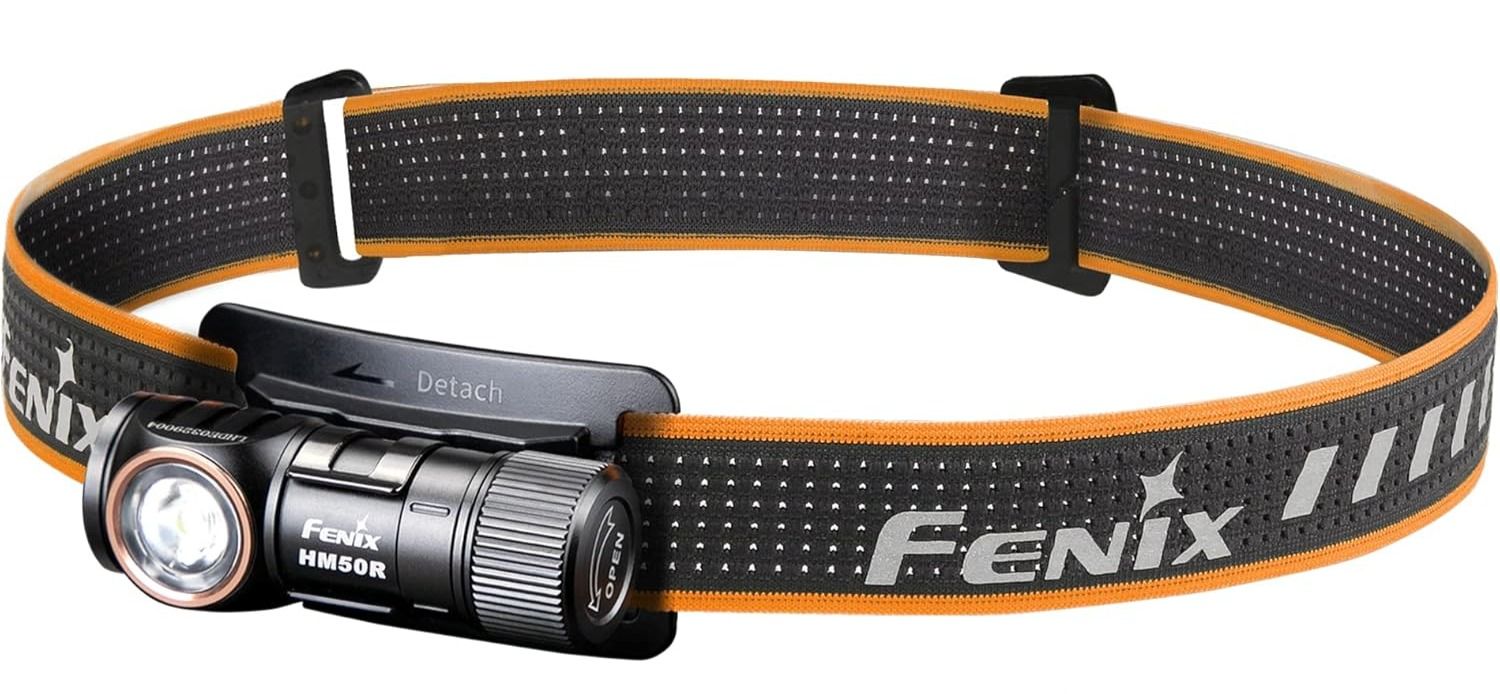 | 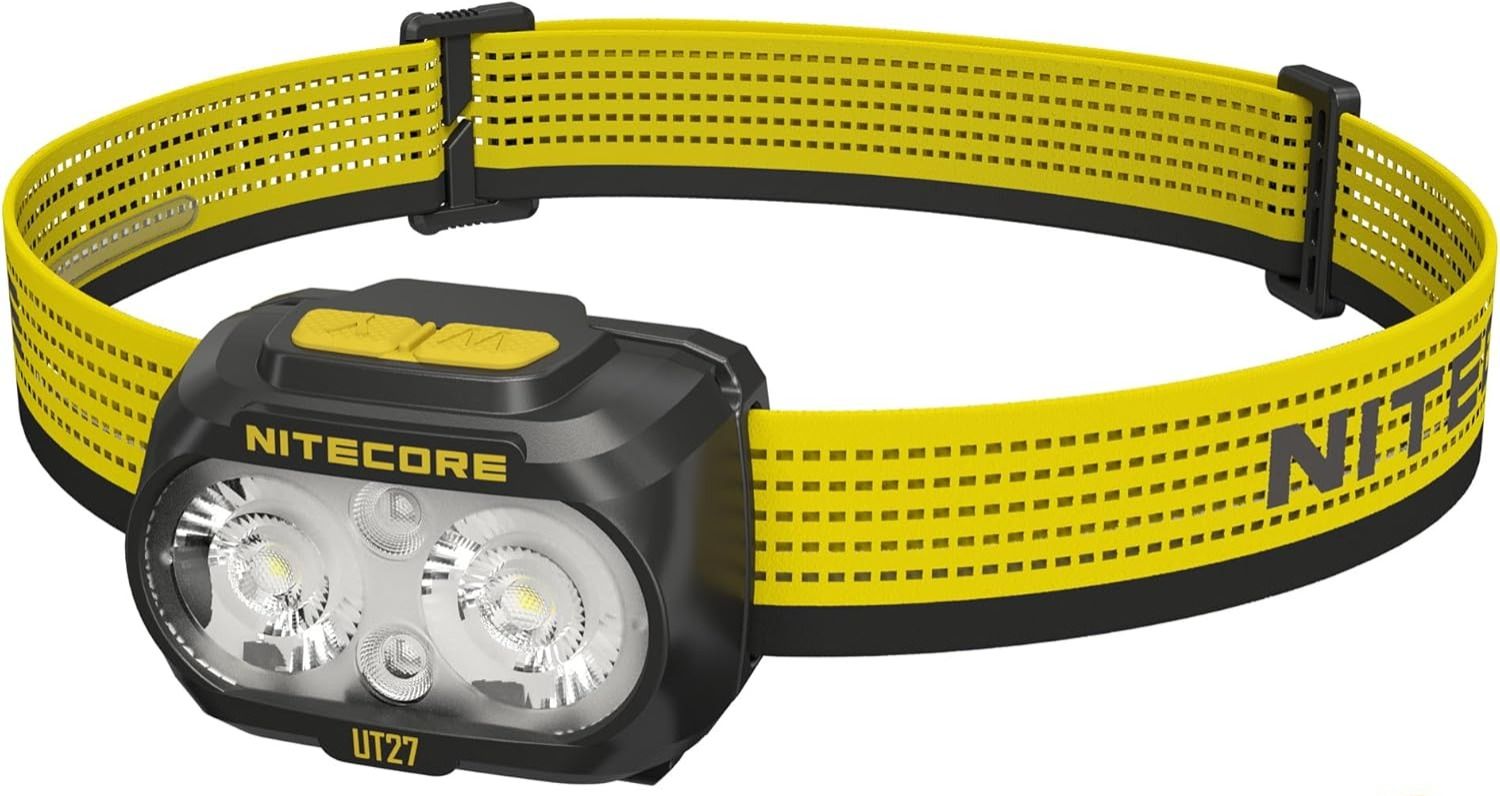 VS | |
| Lumens | 700 lm | 800 lm |
| Beam Distance | 377 ft | 551 ft |
| Battery Type | 16340 rechargeable li-ion | 1 × HLB1500, 3 × AAA |
| Weight | 2.81 oz | 2.61 oz |
| Water Resistance | IP68 | IP66 |
| Warranty | Limited Lifetime | 60 Months |
| Battery Capacity | 800 mAh | 1500 mAh |
| Run Time | 42 hr | 14.5 hr |
| Beam Type | Flood | Flood |
| Charging Time | 1.5 hr | 1.5 hr |
| Burn Time | 42 hr max | 14.5 hr max |
| Battery Indicator | Battery indicator | Four-level power indicator |
| Fenix HM50R V2.0 Headlamp | Nitecore UT27 MCT 800 |
|---|---|
| |
| Lumens | |
700 lm | 800 lm |
| Beam Distance | |
377 ft | 551 ft |
| Battery Type | |
16340 rechargeable li-ion | 1 × HLB1500, 3 × AAA |
| Weight | |
2.81 oz | 2.61 oz |
| Water Resistance | |
IP68 | IP66 |
| Warranty | |
Limited Lifetime | 60 Months |
| Battery Capacity | |
800 mAh | 1500 mAh |
| Run Time | |
42 hr | 14.5 hr |
| Beam Type | |
Flood | Flood |
| Charging Time | |
1.5 hr | 1.5 hr |
| Burn Time | |
42 hr max | 14.5 hr max |
| Battery Indicator | |
Battery indicator | Four-level power indicator |
Comfort
Fenix HM50R V2.0 Headlamp
Nitecore UT27 MCT 800
Comfort is critical for headlamps worn during long hikes or overnight camping trips, where pressure points or heavy weight can quickly become a distraction. Both the Fenix HM50R V2.0 and the Nitecore UT27 MCT 800 score exceptionally high in this area, utilizing ultra-lightweight designs and breathable, perforated headbands with silicone grips to prevent slipping and sweat accumulation. Users of the Fenix frequently mention forgetting they are wearing the light due to its soft strap and compact form, while Nitecore users praise the adjustable strap for staying secure during runs without causing headaches. Although the Nitecore edges out slightly in user ratings, the difference is negligible in practice, as both models effectively distribute weight and minimize pressure. For buyers, this means either choice will remain comfortable during extended wear, provided the headband is adjusted correctly.
Ease Of Use
Fenix HM50R V2.0 Headlamp
Nitecore UT27 MCT 800
In the dark, intuitive controls can be the difference between finding your way and fumbling with confusing menus. The Fenix HM50R V2.0 dominates this category with a single, large side button that offers predictable mode memory, electronic lockout, and a clear battery indicator, earning near-perfect user satisfaction for its simplicity. Conversely, the Nitecore UT27 MCT 800 utilizes dual switches and a glow-in-the-dark battery compartment, which some find helpful but others report as frustrating, particularly when trying to activate the red light or dealing with non-flush buttons. While the Nitecore allows for quick access to turbo modes, the Fenix's streamlined interface ensures effortless operation even with gloves on or in low-visibility conditions. Buyers who value a straightforward, unconfusing experience will find the Fenix significantly easier to master than the Nitecore's more complex dual-switch system.
Durability
Fenix HM50R V2.0 Headlamp
Nitecore UT27 MCT 800
Outdoor gear must withstand drops, rain, and rough handling, making durability a non-negotiable trait for serious hikers. The Fenix HM50R V2.0 is constructed from premium aluminum with an anti-abrasive finish and boasts an IP68 waterproof rating, leading to widespread praise for its robust, well-engineered build that feels solid in hand. In stark contrast, the Nitecore UT27 MCT 800, while IP66 rated, suffers from a plastic construction that many users describe as cheap or fragile, with multiple reports of breakage after minor impacts. The Fenix's reputation for reliability in tough conditions stands in direct opposition to the Nitecore's concerns regarding long-term structural integrity. For buyers planning to use their headlamp in rugged environments, the Fenix offers a significantly safer investment against the risk of failure.
Brightness
Fenix HM50R V2.0 Headlamp
Nitecore UT27 MCT 800
Brightness determines how far you can see and how well you can navigate technical terrain or set up camp in the dark. The Nitecore UT27 MCT 800 technically offers a higher peak output of 800 lumens compared to the Fenix's 700 lumens, and it provides a balanced mix of flood and spotlight modes with adjustable color temperatures. However, user feedback suggests that the Nitecore's output can sometimes feel insufficient for detailed tasks in complete darkness, whereas the Fenix is consistently praised for its powerful, punchy beam that effectively illuminates the trail. The Fenix also offers a versatile range of modes from 5 to 700 lumens, ensuring adequate light for both close-up work and distance viewing. While the Nitecore has a higher spec number, the Fenix delivers a more reliable and satisfying lighting experience for most outdoor activities.
Battery Performance
Fenix HM50R V2.0 Headlamp
Nitecore UT27 MCT 800
Battery life and charging options are vital for multi-day trips where access to power is limited. The Nitecore UT27 MCT 800 takes the lead here by offering a hybrid power system that accepts both a rechargeable HLB1500 pack and standard AAA batteries, providing a crucial backup option if the rechargeable cell fails. It also features a four-level power indicator and minimal parasitic drain, ensuring the light is ready when needed. The Fenix HM50R V2.0 relies solely on a built-in 16340 rechargeable battery with USB-C charging, which is convenient but lacks the redundancy of the Nitecore. While the Fenix offers decent runtime, some users report shorter-than-expected burn times at high settings, whereas the Nitecore's ability to swap to AAAs makes it the superior choice for extended expeditions where resupply is impossible.
Versatility
Fenix HM50R V2.0 Headlamp
Nitecore UT27 MCT 800
Versatility allows a single light to adapt to various scenarios, from trail running to camp chores. The Fenix HM50R V2.0 excels with its detachable design, allowing the light to be removed from the headband and used as a handheld flashlight or clipped to a pack, a feature highly valued by users for its multi-functional utility. It also includes red light modes for preserving night vision and signaling. The Nitecore UT27 MCT 800 offers its own unique versatility through three distinct color temperatures, a 90-degree tilt mechanism, and a diffuser sack that turns the headlamp into a lantern for tent use. While the Nitecore is excellent for stationary camp tasks and color-specific needs, the Fenix's ability to transform into a separate handheld tool gives it the edge for dynamic activities like hiking and biking.
Trust & Transparency
- Data-driven rankings from real user reviews
- Affiliate partnerships don't influence our methodology
We may earn commission from links.
Conclusion & Final Verdict:
The Fenix HM50R V2.0 is the superior choice for most hikers and campers who prioritize durability, ease of use, and a versatile detachable design. Its robust aluminum build, IP68 waterproofing, and intuitive single-button interface make it a reliable companion for rugged trails and long-term use. However, if your primary concern is maximum brightness, longer battery life on a single charge, or the safety net of AAA battery compatibility for extended expeditions, the Nitecore UT27 MCT 800 is a compelling alternative. Just be aware that the Nitecore's plastic construction may be less durable in harsh conditions. Ultimately, choose the Fenix for reliability and the Nitecore for raw power and battery flexibility.
Related Comparisons
Energizer LED Headlamp PRO 2-PackvsNitecore UT27 MCT 800
Compare the value-packed Energizer LED Headlamp PRO 2-Pack against the feature-rich Nitecore UT27 MCT 800 to find the best hands-free light for your next outdoor adventure.
Fenix HM50R V2.0 HeadlampvsBlack Diamond Astro 300 Headlamp
The Fenix HM50R V2.0 dominates with superior brightness, comfort, and a versatile detachable design, while the Black Diamond Astro 300 offers reliable, adjustable lighting with flexible battery options for budget-conscious adventurers.
Fenix HM50R V2.0 HeadlampvsBlack Diamond Cosmo 350-R Headlamp
The Fenix HM50R V2.0 edges out the Black Diamond Cosmo 350-R with superior comfort, ease of use, durability, and versatility, though the Cosmo 350-R offers longer battery life at lower settings. Choose the Fenix for premium build and flexibility, or the Black Diamond for extended runtime on a budget.
Fenix HM50R V2.0 HeadlampvsBlack Diamond Spot 400 Headlamp
The Fenix HM50R V2.0 outshines the Black Diamond Spot 400 in brightness, durability, and versatility, offering a detachable design and USB-C charging, while the Spot 400 remains a solid, comfortable option for those prioritizing a simple two-button interface.
Fenix HM50R V2.0 HeadlampvsBlack Diamond Storm 450 Headlamp
The Fenix HM50R V2.0 offers superior brightness, durability, and all-day comfort with its lightweight aluminum build, while the Black Diamond Storm 450 excels in battery flexibility and multi-color night vision modes for specialized outdoor tasks.
Fenix HM50R V2.0 HeadlampvsPetzl ACTIK CORE
The Fenix HM50R V2.0 and Petzl ACTIK CORE are top contenders for hikers, but they prioritize different strengths. Fenix wins on comfort, durability, and brightness with a detachable design, while Petzl offers unique hybrid power flexibility.