
Fjällräven Abisko Hike Lite 20 Daypack vs Arc'teryx Mantis 26 Backpack
Why You Can Trust Us
- Side-by-side analysis based on real user feedback
- Unbiased comparisons, not influenced by partnerships
- Updated as new data becomes available
We may earn from affiliate links at no extra cost to you.
| Fjällräven Abisko Hike Lite 20 Daypack | Mantis 26 Backpack | |
|---|---|---|
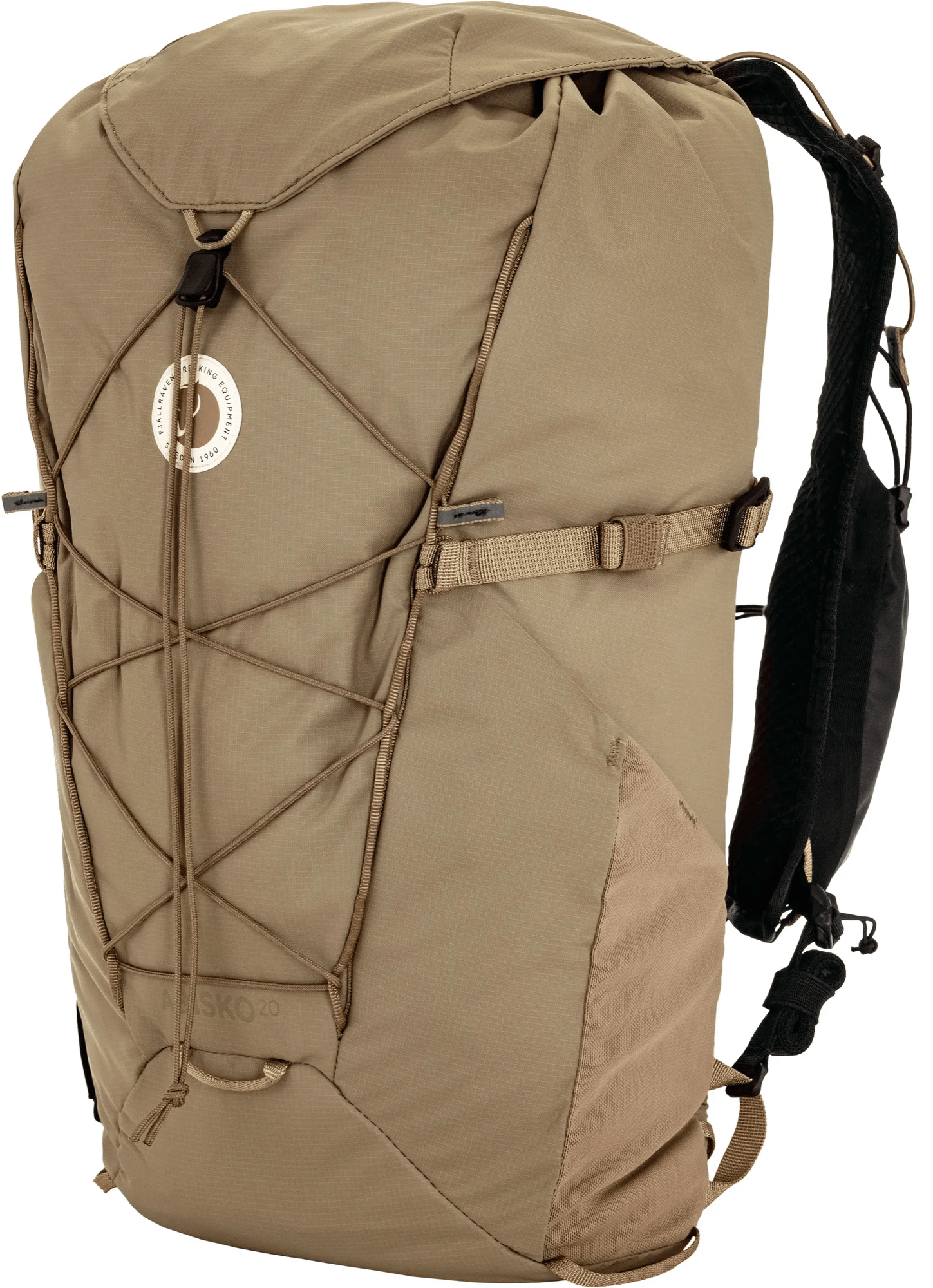 | 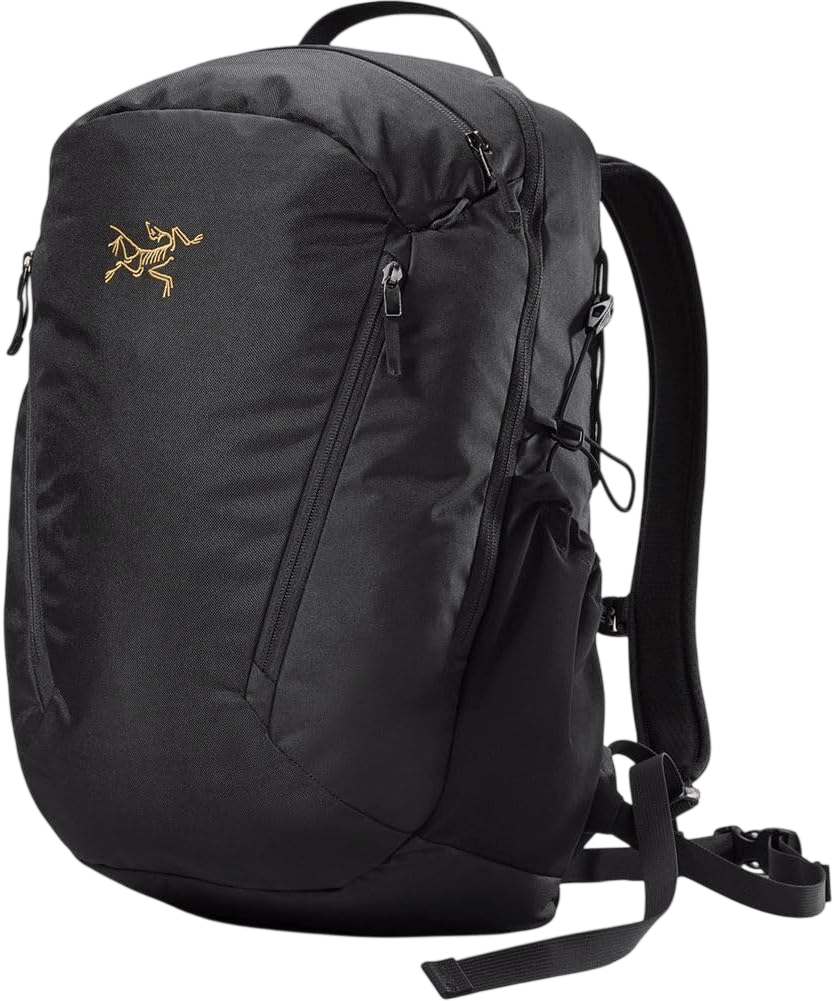 VS | |
| Capacity | 1,225 cu in | 1,587 cu in |
| Weight | 18.9 oz | 29.6 oz |
| Material | 140D recycled polyamide rip stop, PU backed | recycled materials |
| Hip Belt | Detachable with zippered pocket, usable as hip pack | Removable waist belt |
| Back Panel Type | Ventilated frame | padded back with frame sheet and aluminum stay |
| Warranty | Limited lifetime | Limited |
| Sternum Strap | Detachable chest strap | Adjustable sternum strap |
| Fjällräven Abisko Hike Lite 20 Daypack | Arc'teryx Mantis 26 Backpack |
|---|---|
| |
| Capacity | |
1,225 cu in | 1,587 cu in |
| Weight | |
18.9 oz | 29.6 oz |
| Material | |
140D recycled polyamide rip stop, PU backed | recycled materials |
| Hip Belt | |
Detachable with zippered pocket, usable as hip pack | Removable waist belt |
| Back Panel Type | |
Ventilated frame | padded back with frame sheet and aluminum stay |
| Warranty | |
Limited lifetime | Limited |
| Sternum Strap | |
Detachable chest strap | Adjustable sternum strap |
Comfort
Fjällräven Abisko Hike Lite 20 Daypack
Mantis 26 Backpack
Comfort is the foundation of any successful hike, determining whether a pack feels like a burden or a seamless extension of your body. For daypacks, this largely depends on shoulder strap padding, hip belt design, and how well the back panel conforms to your spine. The Arc'teryx Mantis 26 takes the lead here, offering padded and contoured shoulder straps paired with a semi-rigid back panel and aluminum stay that provide a comfortable interface for a wide range of body types. While the Fjällräven Abisko Hike Lite 20 offers a good fit through its adjustable straps, buyer feedback suggests it lacks the same level of cushioning, with some users noting the shoulder straps could use more padding for heavier loads. If you prioritize a plush, supportive feel over long distances, the Mantis 26 is the superior choice.
Durability
Fjällräven Abisko Hike Lite 20 Daypack
Mantis 26 Backpack
A hiking pack must withstand the abrasion of rocks, the stress of rough handling, and the elements of unpredictable weather. Both the Fjällräven Abisko Hike Lite 20 and the Arc'teryx Mantis 26 demonstrate exceptional build quality, earning near-perfect durability scores from users. The Fjällräven pack is praised for its recycled nylon construction and reinforced stitching that feels 'strong as hell' and has withstood horrendous winds and incredible weather without issue. Similarly, the Arc'teryx Mantis 26 is built with high-quality materials and a proven design refined over a decade, resisting trail scrapes and bumps while maintaining its shape. Since both packs offer robust protection against wear and tear with no significant failure reports, this category ends in a tie between two highly reliable options.
Ventilation
Fjällräven Abisko Hike Lite 20 Daypack
Mantis 26 Backpack
Effective ventilation is critical for preventing sweat buildup and maintaining comfort during strenuous climbs or hot summer days. The Fjällräven Abisko Hike Lite 20 excels in this area, featuring a fixed back panel system with mesh that buyers consistently praise for creating good airflow and managing condensation. Users report that the design keeps the back cooler and allows for better air circulation, making it a standout choice for warm-weather hiking. Conversely, the Arc'teryx Mantis 26 receives a lower score in this category, with feedback indicating that the back panel tends to get sweaty on hot days and lacks the same level of active airflow. For hikers who run hot or tackle trails in summer, the Fjällräven's ventilated frame offers a distinct and meaningful advantage.
Organization
Fjällräven Abisko Hike Lite 20 Daypack
Mantis 26 Backpack
Efficient organization allows hikers to access snacks, rain gear, and hydration systems quickly without stopping to unpack the main compartment. The Arc'teryx Mantis 26 is a clear winner here, boasting thoughtful compartmentalization with multiple pockets, including water bottle sleeves, a hydration bladder sleeve, and various zippered sections for easy access. Buyers describe it as a 'super functional pack' where keeping gear organized is effortless, thanks to features like a top pouch for quick access and internal organizers. The Fjällräven Abisko Hike Lite 20 offers a more minimalist approach with two oversized side pockets and a few zip pockets, which is sufficient for basic needs but lacks the granular storage options of the Mantis. If you carry a lot of small items or need to keep your gear strictly sorted, the Mantis 26 is the better tool.
Stability
Fjällräven Abisko Hike Lite 20 Daypack
Mantis 26 Backpack
Stability ensures the pack stays secure and balanced, preventing it from shifting or sliding during technical terrain or rapid movement. Both packs utilize internal framing to achieve this, though they approach it differently. The Arc'teryx Mantis 26 uses a semi-rigid sheet of plastic and an aluminum stay to maintain its shape, while simple waist and sternum straps keep the load from moving across the body. The Fjällräven Abisko Hike Lite 20 also performs well, with users noting it remains sturdy and firm even in exposed weather conditions, though its stability relies more on the tension of its adjustable straps. Given that both packs effectively keep the load stable and secure during movement, neither holds a decisive advantage, resulting in a tie for overall stability performance.
Adjustability
Fjällräven Abisko Hike Lite 20 Daypack
Mantis 26 Backpack
Adjustability allows a pack to be customized to your specific torso length and body shape, which is essential for a proper fit and load distribution. The Fjällräven Abisko Hike Lite 20 dominates this category, featuring adjustable and removable chest and waist straps that allow for a highly personalized fit. Buyers consistently praise the ability to fine-tune the pack, noting that the straps can be easily adjusted to suit different body types perfectly. In comparison, the Arc'teryx Mantis 26 offers adjustable shoulder straps and a sternum strap, but the options are somewhat limited compared to more technical packs, potentially making it harder to achieve a perfect fit for everyone. For hikers who need a pack that can be dialed in precisely to their anatomy, the Fjällräven is the clear choice.
Trust & Transparency
- Data-driven rankings from real user reviews
- Affiliate partnerships don't influence our methodology
We may earn commission from links.
Conclusion & Final Verdict:
The choice between these two daypacks depends entirely on your hiking priorities. Choose the Fjällräven Abisko Hike Lite 20 if you value a lightweight, breathable design that can be finely adjusted to your body, making it ideal for warm weather and long treks where ventilation is key. Choose the Arc'teryx Mantis 26 if you need a more robust, feature-rich pack with superior organization, extra capacity, and a plush, stable carry system for heavier loads or technical terrain. While the Fjällräven wins on airflow and adjustability, the Arc'teryx is the better all-rounder for those who need to carry and organize more gear comfortably.
Related Comparisons
Arc'teryx Mantis 26 BackpackvsMountain Hardwear Lickety Split 20L Backpack
The Arc'teryx Mantis 26 offers superior organization, stability, and long-term durability for serious hikers, while the Mountain Hardwear Lickety Split 20L provides a lighter, budget-friendly option with decent comfort for shorter outings.
Arc'teryx Mantis 26 BackpackvsSea to Summit Ultra-Sil Daypack
Compare the rugged, feature-rich Arc'teryx Mantis 26 with the ultra-light, packable Sea to Summit Ultra-Sil Daypack to find the perfect hiking companion for your specific needs.
CamelBak Rim Runner X22 Hiking Hydration Pack with Crux 1.5L ReservoirvsArc'teryx Mantis 26 Backpack
Compare the CamelBak Rim Runner X22 and Arc'teryx Mantis 26 to find the perfect daypack for your hiking style, weighing hydration convenience against rugged durability and organization.
CamelBak Rim Runner X22 Hiking Hydration Pack with Crux 1.5L ReservoirvsFjällräven Abisko Hike Lite 20 Daypack
Compare the CamelBak Rim Runner X22 and Fjällräven Abisko Hike Lite 20 to find the perfect daypack for your hiking style, weighing hydration convenience against durability and ventilation.
EXPED Skyline 20 DaypackvsFjällräven Abisko Hike Lite 20 Daypack
The EXPED Skyline 20 excels in organization and comfort with its breathable back panel, while the Fjällräven Abisko Hike Lite 20 dominates in durability, adjustability, and ventilation for rugged trails.
Fjällräven Abisko Hike Lite 20 DaypackvsMountain Hardwear Lickety Split 20L Backpack
The Fjällräven Abisko Hike Lite 20 dominates in durability, ventilation, and adjustability, while the Mountain Hardwear Lickety Split 20L offers superior pocket organization for quick-access gear.