
Gregory Inertia 18 H2O vs CamelBak Arete 18 Pack 1.5L
Why You Can Trust Us
- Side-by-side analysis based on real user feedback
- Unbiased comparisons, not influenced by partnerships
- Updated as new data becomes available
We may earn from affiliate links at no extra cost to you.
| Gregory Inertia 18 H2O | Arete 18 Pack 1.5L | |
|---|---|---|
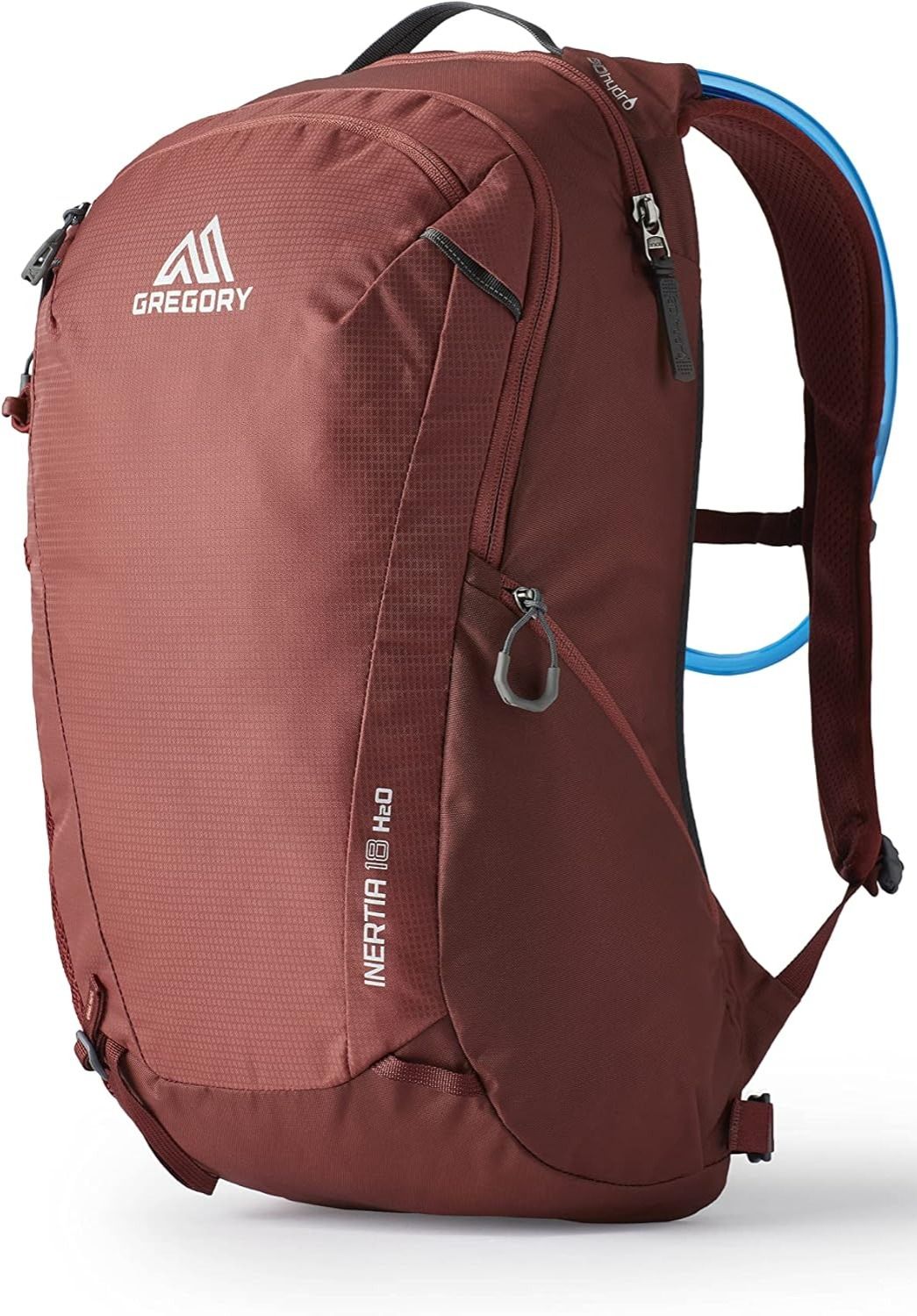 | 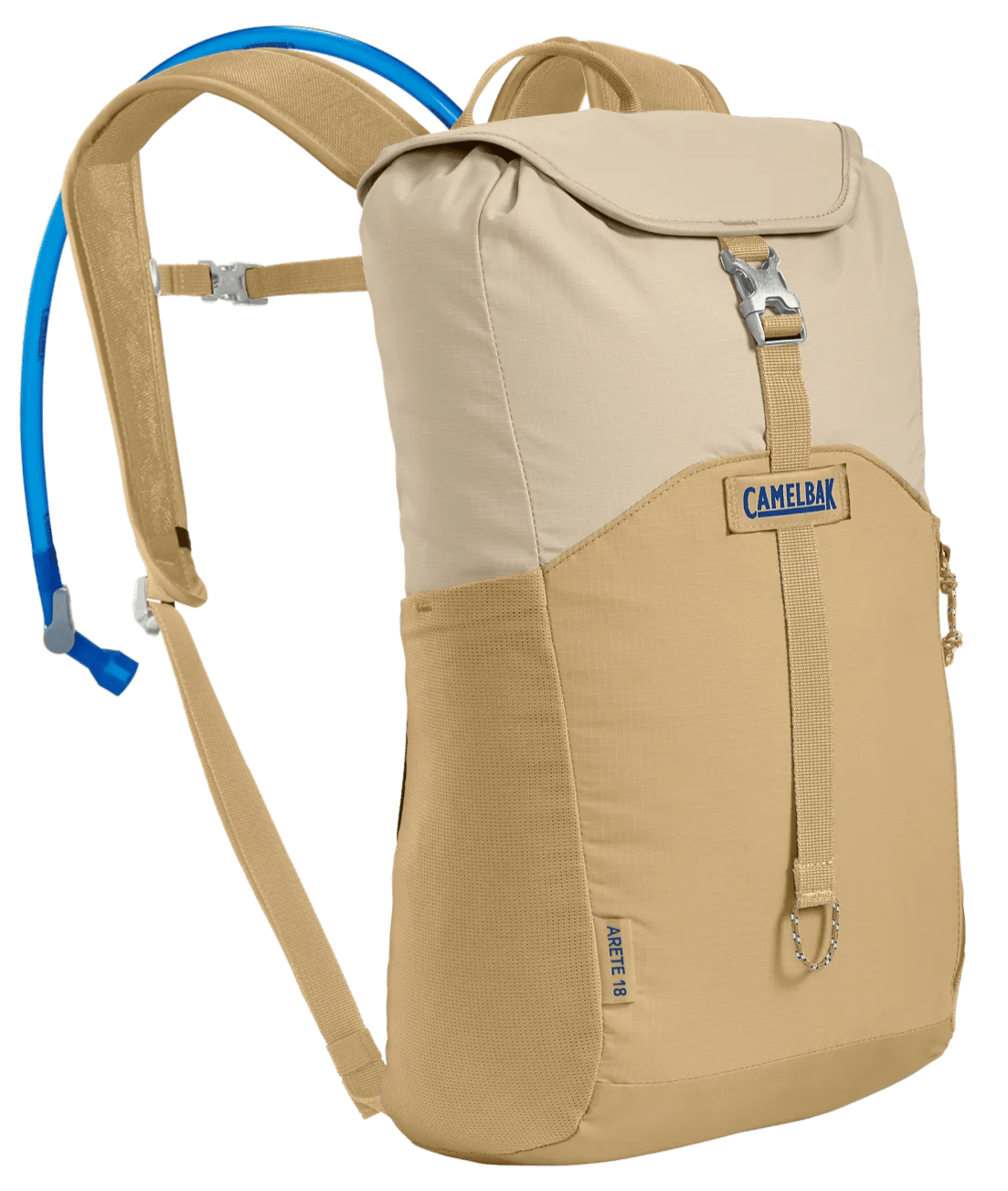 VS | |
| Capacity | 1,098 cu in | 1098 cu in |
| Weight | 1.22 lb | 0.77 lb |
| Hip Belt | Hipbelt included | N/A |
| Hydration Sleeve | Hydration sleeve | Hydration sleeve |
| Bladder Capacity | 67.5 fl oz | 51.2 fl oz |
| Warranty | Lifetime | Lifetime |
| Compression Strap | N/A | Compression straps |
| Mesh Back Panel | 3D foam backpanel | Mesh backpanel |
| Sternum Strap | Yes, with magnetic buckle | Sternum strap |
| Rain Cover | No | N/A |
| Frame Sheet | Frameless | N/A |
| Side Pockets | 3 exterior pockets + main compartment | Side pockets |
| Trekking Pole Attachment | N/A | N/A |
| Gregory Inertia 18 H2O | CamelBak Arete 18 Pack 1.5L |
|---|---|
| |
| Capacity | |
1,098 cu in | 1098 cu in |
| Weight | |
1.22 lb | 0.77 lb |
| Hip Belt | |
Hipbelt included | N/A |
| Hydration Sleeve | |
Hydration sleeve | Hydration sleeve |
| Bladder Capacity | |
67.5 fl oz | 51.2 fl oz |
| Warranty | |
Lifetime | Lifetime |
| Compression Strap | |
N/A | Compression straps |
| Mesh Back Panel | |
3D foam backpanel | Mesh backpanel |
| Sternum Strap | |
Yes, with magnetic buckle | Sternum strap |
| Rain Cover | |
No | N/A |
| Frame Sheet | |
Frameless | N/A |
| Side Pockets | |
3 exterior pockets + main compartment | Side pockets |
| Trekking Pole Attachment | |
N/A | N/A |
Comfort
Gregory Inertia 18 H2O
Arete 18 Pack 1.5L
Comfort is the most critical factor for hydration packs, as it determines whether you can hike for hours without shoulder fatigue or back pain. A superior comfort rating usually stems from advanced suspension systems, breathable materials, and straps that conform to the body rather than digging in. The Gregory Inertia 18 H2O dominates this category with a 4.8/5 rating, driven by its perforated shoulder harness, magnetic sternum buckle, and multi-density foam that shapes to the user's body even when fully loaded. Conversely, the CamelBak Arete 18 Pack 1.5L scores a moderate 3.7/5; while its adjustable straps and manageable size work for many, some users find it smaller than expected and less supportive under heavy loads. For long-distance hikers, the Gregory's specialized foam backing and pliable hip straps provide a clear advantage over the more standard fit of the CamelBak.
Durability
Gregory Inertia 18 H2O
Arete 18 Pack 1.5L
Durability ensures your pack survives rough terrain, sharp rocks, and repeated use without tearing or failing. Buyers look for high-denier fabrics, reinforced stitching, and robust padding that can withstand the elements. Both the Gregory Inertia 18 H2O and the CamelBak Arete 18 Pack 1.5L receive a 3.9/5 rating, indicating they are built for regular trail use but may not be indestructible. The Gregory utilizes ripstop nylon with durable padding designed to handle abrasion, while the CamelBak features a canvas material and heavy-duty straps that resist punctures. Since both materials offer solid protection against typical outdoor conditions without a clear winner in terms of long-term resilience, this category ends in a tie for buyers seeking reliable day-hiking gear.
Ventilation
Gregory Inertia 18 H2O
Arete 18 Pack 1.5L
Ventilation is essential for preventing sweat buildup and overheating, especially during summer hikes or high-exertion climbs. Effective designs often incorporate air channels, mesh panels, or suspended back systems to allow airflow between the pack and the wearer's back. The Gregory Inertia 18 H2O is a standout here with a 4.4/5 rating, utilizing a 3D foam back panel and perforated shoulder harness to ensure excellent airflow and keep the user cool and dry. The CamelBak Arete 18 Pack 1.5L, however, scores a lower 3.1/5 because it tends to sit closer to the back, which can trap heat on hotter days. For hikers prone to sweating or tackling steep, warm trails, the Gregory's ventilated design offers a significantly more comfortable experience than the CamelBak.
Accessibility
Gregory Inertia 18 H2O
Arete 18 Pack 1.5L
Accessibility refers to how easily you can reach your water, snacks, and gear without stopping or removing the pack. High scores in this area are driven by features like quick-disconnect hoses, stretch pockets, and intuitive zipper placements. The Gregory Inertia 18 H2O leads with a 4.6/5 rating, featuring a speed clip hydration hanger, one-handed snap-and-go connections, and deep stretch pockets that allow for effortless access to essentials. The CamelBak Arete 18 Pack 1.5L also performs well with a 4.2/5 rating, offering easy-to-access side pouches and hydration access without removing the bag. While both packs are user-friendly, the Gregory's specialized hydration hanger and larger zipper handles provide a slight edge for those who need to grab items quickly while on the move.
Stability
Gregory Inertia 18 H2O
Arete 18 Pack 1.5L
Stability determines how well the pack stays secure and balanced during dynamic movements like scrambling or descending steep slopes. A stable pack minimizes bounce and keeps the center of gravity close to the body, often achieved through cinch straps and hip belts. Both the Gregory Inertia 18 H2O and the CamelBak Arete 18 Pack 1.5L share a 3.7/5 rating, suggesting they are adequate for general hiking but may lack the rigid support needed for technical terrain. The Gregory includes a removable webbing hip belt and adjustable magnetic straps to cinch down the load, while the CamelBak relies on heavy-duty configurable straps and a waist strap for hold. Since both packs have similar limitations regarding stability with heavier loads or on uneven ground, neither holds a distinct advantage in this category.
Organization
Gregory Inertia 18 H2O
Arete 18 Pack 1.5L
Organization is vital for keeping gear sorted, accessible, and secure, preventing the need to dig through a main compartment for small items. Strong organization systems include dedicated pockets for tools, hydration sleeves, and external attachment points. Both packs excel here with a 4.7/5 rating, offering ample storage solutions for day hikes. The Gregory Inertia 18 H2O features a dedicated zippered hydration sleeve, multiple stretch mesh pockets, and a large posterior mesh pocket for versatile storage. Similarly, the CamelBak Arete 18 Pack 1.5L boasts a main pouch, side pockets, a cable compartment, and multiple front pouches to keep gear tidy. With both products providing robust and well-thought-out storage layouts, buyers can expect excellent organization regardless of their choice.
Trust & Transparency
- Data-driven rankings from real user reviews
- Affiliate partnerships don't influence our methodology
We may earn commission from links.
Conclusion & Final Verdict:
The Gregory Inertia 18 H2O is the superior choice for hikers who prioritize comfort and ventilation on long, hot trails. Its 3D foam back panel, perforated harness, and magnetic sternum buckle provide a level of breathability and ergonomic support that the CamelBak cannot match. If you plan on carrying a heavier load or hiking in warm weather, the Gregory's ability to keep you cool and comfortable makes it the clear winner.
However, the CamelBak Arete 18 Pack 1.5L is an excellent alternative for those who value style, lightness, and urban versatility. It is significantly lighter, features a sleek design suitable for festivals or city use, and offers robust organization with a cable compartment. While it lacks the advanced ventilation of the Gregory, it remains a solid performer for shorter day hikes where weight savings and aesthetics are the primary concerns.
Related Comparisons
CamelBak Arete 18 Pack 1.5LvsGregory Swift 16 H2O
The CamelBak Arete 18 Pack 1.5L excels in organization and durability with a sleek design, while the Gregory Swift 16 H2O offers superior comfort and ventilation for longer torsos, though it lacks the same build robustness.
CamelBak Arete 18 Pack 1.5LvsNEMO Persist Men's 30L Endless Promise All-Adventure Backpack
The CamelBak Arete 18 Pack 1.5L edges ahead in organization and accessibility for day trips, while the NEMO Persist Men's 30L offers more comfort and capacity for longer adventures. Both share ventilation as a shared weakness, making your typical hike length and climate the real deciding factors. Choose the Arete for streamlined efficiency; choose the Persist for extended treks with heavier loads."
CamelBak Arete 18 Pack 1.5LvsOsprey Manta 34
The CamelBak Arete 18 Pack 1.5L offers a sleek, stylish design ideal for short day hikes and festivals, while the Osprey Manta 34 delivers superior ventilation, stability, and storage for serious, long-distance hikers.
CamelBak Arete 18 Pack 1.5LvsREI Co-op Traverse 35 Pack - Men's
The CamelBak Arete 18 Pack offers a sleek, stylish design ideal for day hikes and festivals, while the REI Co-op Traverse 35 Pack delivers superior stability, ventilation, and capacity for longer, more demanding treks.
CamelBak Arete 18 Pack 1.5LvsTeton Sports Oasis Hydration Pack
Compare the sleek, organization-focused CamelBak Arete 18 Pack against the spacious, durable Teton Sports Oasis to find the perfect hydration solution for your next hike.
CamelBak Arete 18 Pack 1.5LvsUnigear Hydration Pack Backpack with 70 oz 2L Water Bladder
Compare the stylish CamelBak Arete 18 with the rugged Unigear Hydration Pack to find the perfect balance of organization, durability, and comfort for your next hike.