
Gregory Zulu 24 Daypack vs Arc'teryx Mantis 26 Backpack
Why You Can Trust Us
- Side-by-side analysis based on real user feedback
- Unbiased comparisons, not influenced by partnerships
- Updated as new data becomes available
We may earn from affiliate links at no extra cost to you.
| Gregory Zulu 24 Daypack | Mantis 26 Backpack | |
|---|---|---|
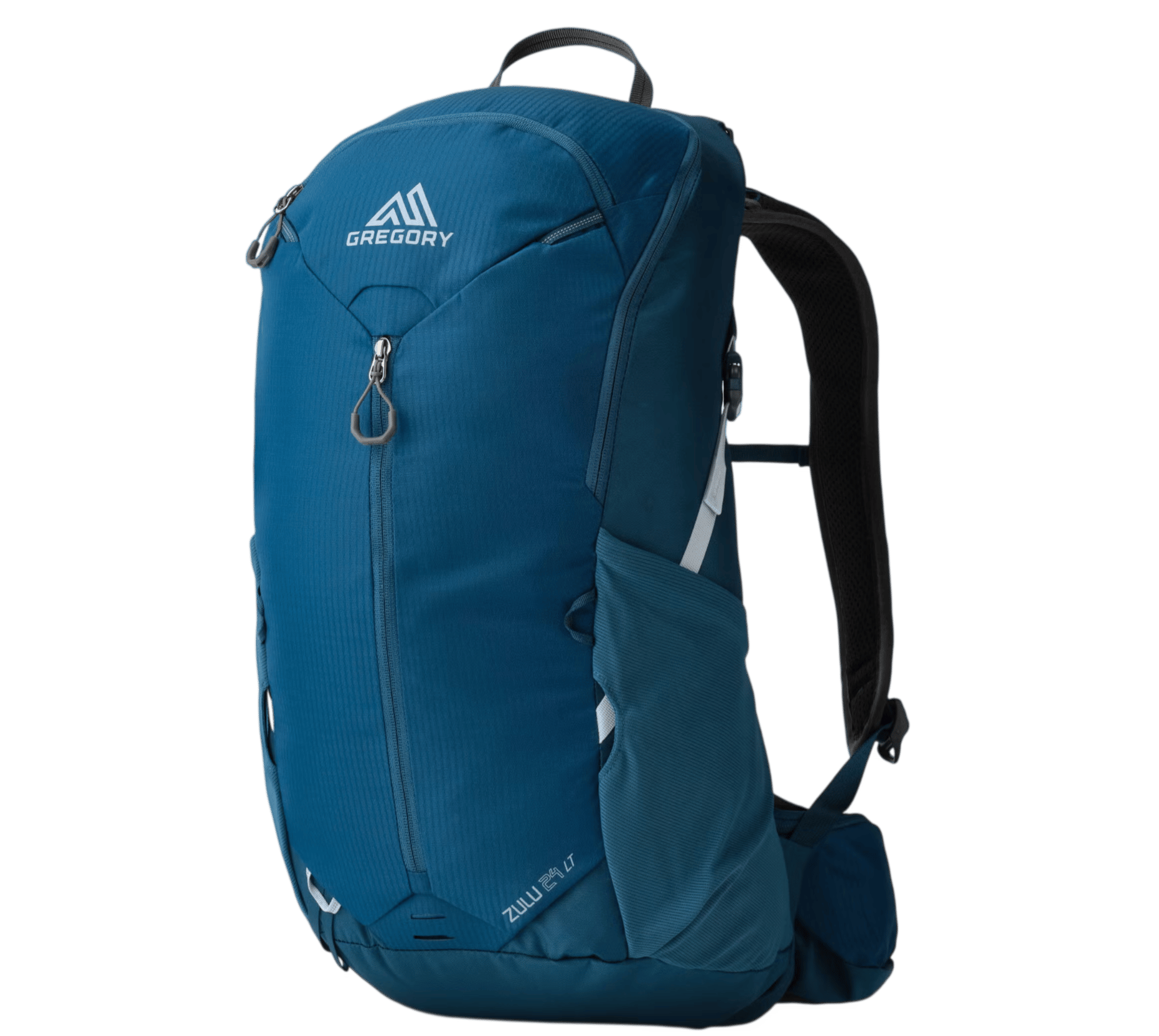 | 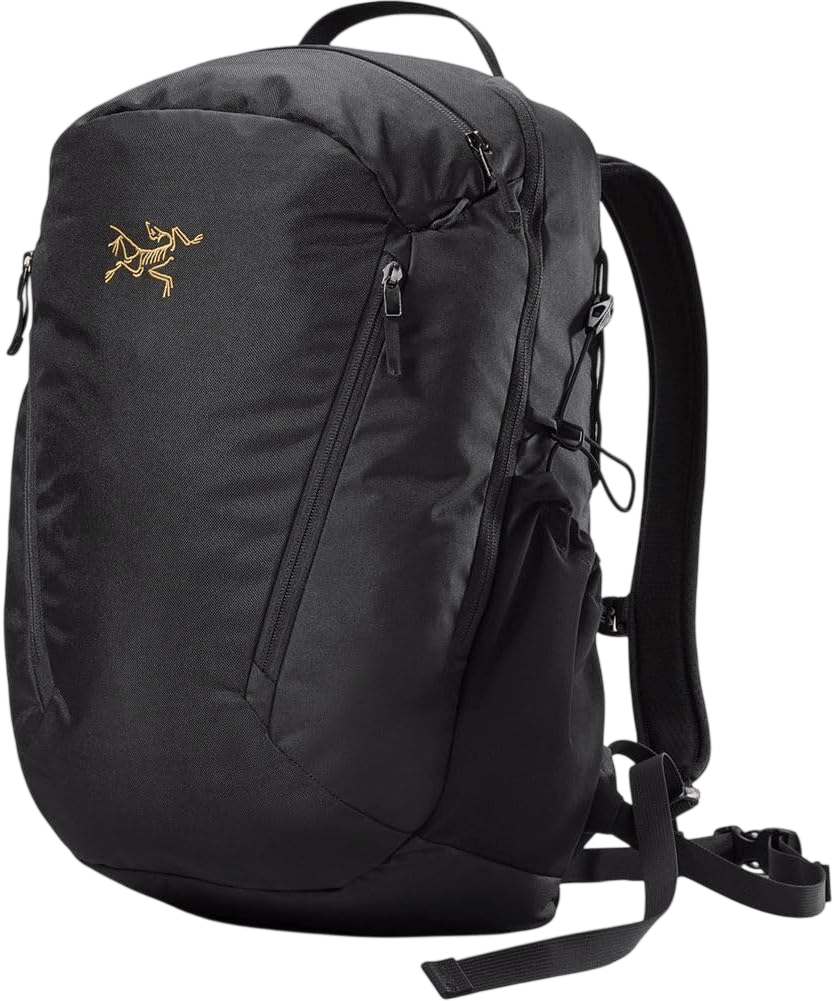 VS | |
| Capacity | 1,465 cu in | 1,587 cu in |
| Weight | 37.1 oz | 29.6 oz |
| Material | Nylon/polyester | recycled materials |
| Hip Belt | Yes, Comfort cradle hipbelt with seamless design | Removable waist belt |
| Back Panel Type | Mesh backpanel | padded back with frame sheet and aluminum stay |
| Warranty | Limited lifetime | Limited |
| Sternum Strap | Adjustable sternum strap | Adjustable sternum strap |
| Gregory Zulu 24 Daypack | Arc'teryx Mantis 26 Backpack |
|---|---|
| |
| Capacity | |
1,465 cu in | 1,587 cu in |
| Weight | |
37.1 oz | 29.6 oz |
| Material | |
Nylon/polyester | recycled materials |
| Hip Belt | |
Yes, Comfort cradle hipbelt with seamless design | Removable waist belt |
| Back Panel Type | |
Mesh backpanel | padded back with frame sheet and aluminum stay |
| Warranty | |
Limited lifetime | Limited |
| Sternum Strap | |
Adjustable sternum strap | Adjustable sternum strap |
Comfort
Gregory Zulu 24 Daypack
Mantis 26 Backpack
Comfort is the foundation of any successful hike, determining whether you finish the trail feeling refreshed or exhausted. For daypacks, this means the shoulder straps, hip belt, and suspension system must work together to distribute weight evenly without causing hot spots or chafing. The Gregory Zulu 24 takes the lead here, with buyers consistently praising its free float suspension system and seamless hip belt that cradles the hips, making the pack feel almost invisible even when carrying extra weight. The Arc'teryx Mantis 26 also performs well, utilizing padded and contoured straps with an aluminum stay to support a wide range of body types, though it lacks the same level of breathability that enhances overall comfort in warm conditions. If your priority is a cool, cushioned ride that you barely notice, the Zulu 24 is the superior choice.
Durability
Gregory Zulu 24 Daypack
Mantis 26 Backpack
Durability ensures your pack can withstand the scrapes, bumps, and weather exposure of the trail over many seasons. A robust pack should resist tearing, maintain its structural integrity, and keep zippers functioning smoothly after years of use. The Arc'teryx Mantis 26 is the clear winner in this category, with users describing it as a 'tried and true legend' that has lasted over a decade thanks to its high-quality materials and rigid frame sheet. While the Gregory Zulu 24 is constructed from quality recycled nylon and feels durable, it has fewer mentions of long-term resilience compared to the Arc'teryx. For hikers who want a pack that will remain in top condition through heavy abuse and rough terrain, the Mantis 26 offers a more proven track record.
Ventilation
Gregory Zulu 24 Daypack
Mantis 26 Backpack
Ventilation is critical for preventing a sweaty back during strenuous climbs or hot summer days, directly impacting your thermal comfort. A well-ventilated pack uses mesh panels or suspended back systems to allow air to circulate between your body and the gear. The Gregory Zulu 24 dominates this category with its VaporSpan ventilated back panel, which buyers describe as providing 'excellent ventilation' and 'tons of breathability' even when they are sweating heavily. Conversely, the Arc'teryx Mantis 26 relies on a padded back panel that offers little airflow, leading to a warmer carry in hot weather. If you frequently hike in warm climates or have a high sweat rate, the Zulu 24's superior airflow makes it the only logical choice.
Organization
Gregory Zulu 24 Daypack
Mantis 26 Backpack
Effective organization allows you to access snacks, maps, and layers quickly without unpacking your entire bag, which is essential for efficient day hiking. This involves a thoughtful layout of pockets, sleeves, and compartments that keep gear secure and sorted. The Arc'teryx Mantis 26 is the standout here, featuring an impressive array of storage options including multiple zippered pockets, a dedicated laptop sleeve, and a top pouch for quick access, earning near-perfect praise for its functional design. The Gregory Zulu 24 offers a clean, simplistic layout with deep side pockets and a u-shaped front panel, but it lacks the sheer volume of specialized compartments found on the Mantis. For hikers who carry a lot of small items and need to stay organized on the go, the Mantis 26 provides a distinct advantage.
Stability
Gregory Zulu 24 Daypack
Mantis 26 Backpack
Stability refers to how well the pack stays close to your body and resists shifting or bouncing while you move over uneven terrain. A stable pack uses frames, straps, and compression systems to keep the load centered and secure. Both packs perform admirably in this regard, with the Gregory Zulu 24 using a free float suspension system that moves with your hips and side compression straps to stabilize the load. The Arc'teryx Mantis 26 utilizes a semi-rigid sheet of plastic and an aluminum stay to maintain its shape, ensuring the pack doesn't slide around even when fully loaded. While the Mantis 26 edges out slightly with its rigid frame sheet, both options provide the confidence needed for technical trails, making this a very close contest.
Adjustability
Gregory Zulu 24 Daypack
Mantis 26 Backpack
Adjustability determines how well a pack can be customized to fit your specific torso length and body shape for optimal comfort and load transfer. A highly adjustable pack allows you to fine-tune the fit of the shoulder straps and hip belt to prevent rubbing or slippage. The Arc'teryx Mantis 26 offers a slight edge with adjustable shoulder straps and a sternum strap that allow for a customized fit, though it is still limited to a one-size design. The Gregory Zulu 24 also features adjustable torso options and a sternum strap, but some users note that the shoulder straps can end up being too long for certain body types, and the 'one-size fits most' approach may not be perfect for everyone. While neither pack offers the full range of adjustments found on technical expedition gear, the Mantis 26 provides a slightly more refined fit for a broader range of users.
Trust & Transparency
- Data-driven rankings from real user reviews
- Affiliate partnerships don't influence our methodology
We may earn commission from links.
Conclusion & Final Verdict:
The choice between these two daypacks ultimately depends on your hiking environment and organizational needs. Choose the Gregory Zulu 24 if you prioritize staying cool on hot days and want a pack that feels incredibly comfortable and breathable, even if it is slightly heavier. Choose the Arc'teryx Mantis 26 if you need maximum durability, superior organization for multiple gear items, and a lighter weight for technical trails, accepting that the back panel will be warmer. Both are excellent options, but the Zulu 24 wins for summer comfort while the Mantis 26 wins for rugged utility.
Related Comparisons
Fjällräven Abisko Hike Lite 20 DaypackvsArc'teryx Mantis 26 Backpack
Compare the Fjällräven Abisko Hike Lite 20 and Arc'teryx Mantis 26 to find the perfect daypack for your hiking style, weighing superior ventilation and adjustability against exceptional organization and padded comfort.
Gregory Zulu 24 DaypackvsBlack Diamond Trail Vista 28 Backpack
The Gregory Zulu 24 and Black Diamond Trail Vista 28 both excel in ventilation and organization, but they diverge on fit and durability. Choose the Zulu for a proven, breathable suspension or the Trail Vista for superior adjustability and stability.
Gregory Zulu 24 DaypackvsCamelBak Rim Runner X22 Hiking Hydration Pack with Crux 1.5L Reservoir
The Gregory Zulu 24 excels in ventilation and comfort for warm-weather hikes, while the CamelBak Rim Runner X22 offers superior organization and stability for runners and fast hikers.
Gregory Zulu 24 DaypackvsCotopaxi Batac 16L Daypack
The Gregory Zulu 24 excels in ventilation and load stability for serious hikers, while the Cotopaxi Batac 16L offers superior durability and lightweight versatility for casual adventures.
Gregory Zulu 24 DaypackvsDeuter Speed Lite 21
The Gregory Zulu 24 excels in ventilation and organization, while the Deuter Speed Lite 21 dominates in stability and adjustability for a lighter, more customizable fit.
Gregory Zulu 24 DaypackvsEXPED Skyline 20 Daypack
The Gregory Zulu 24 and EXPED Skyline 20 are top contenders for day hiking, but they prioritize different strengths. The Zulu 24 dominates in ventilation and stability with its free float suspension, while the Skyline 20 offers superior adjustability and a lighter weight for agile movement.