
Head Kaliber Pro 130 LV GW BOA2 vs Nordica Speedmachine 3 130 BOA DD
Why You Can Trust Us
- Side-by-side analysis based on real user feedback
- Unbiased comparisons, not influenced by partnerships
- Updated as new data becomes available
We may earn from affiliate links at no extra cost to you.
| Kaliber Pro 130 LV GW BOA2 | Speedmachine 3 130 BOA DD | |
|---|---|---|
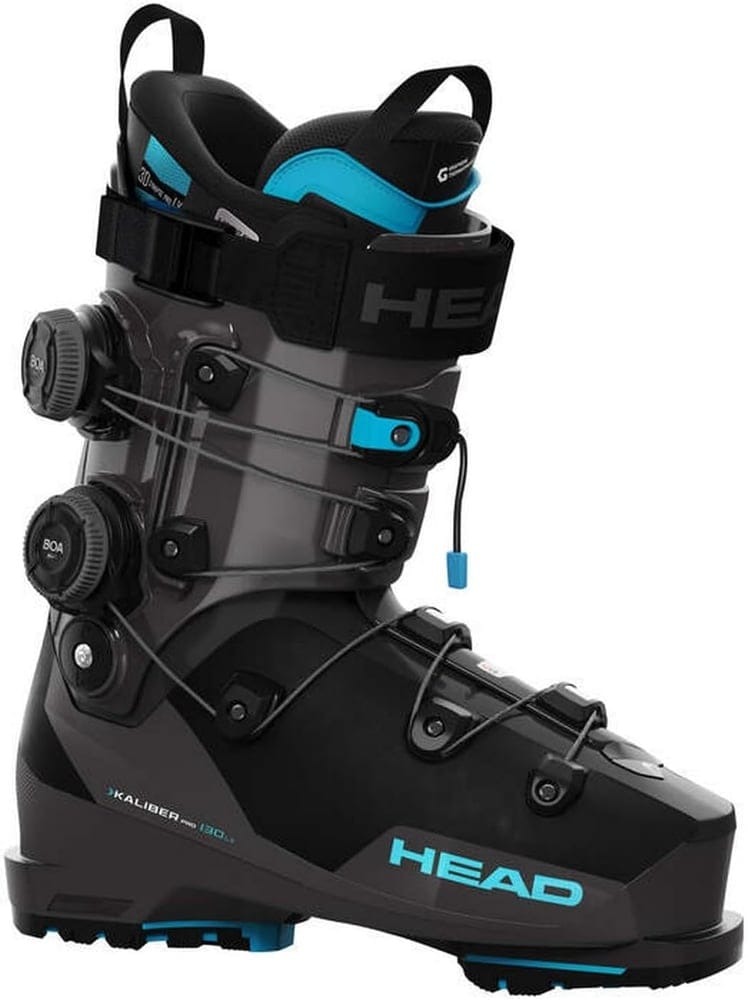 | 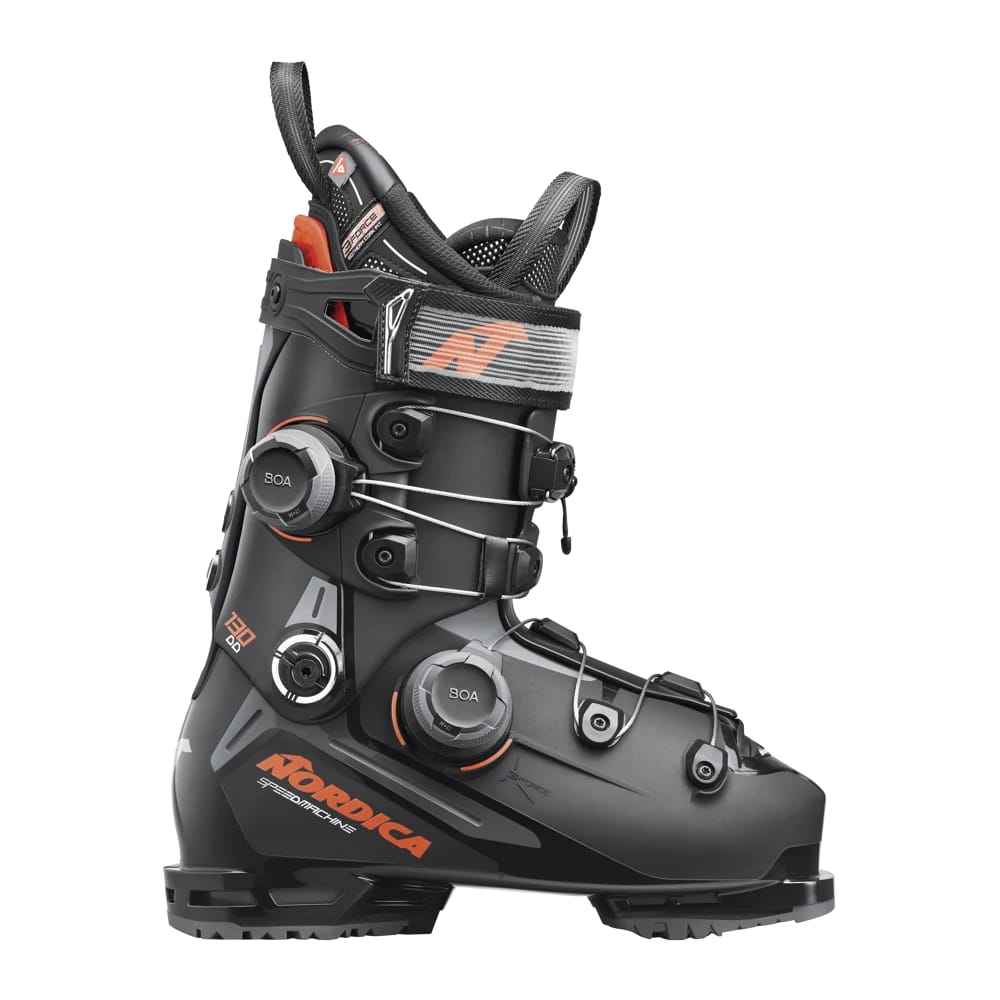 VS | |
| Flex Rating | 130 | 130 |
| Last Width | 98 mm | 100 mm |
| Closure System | BOA2 Fit System (dual dials) | BOA Dual Dial (2 dials) + 45 mm power strap |
| Walk Mode | No | No |
| Sole Norm | GripWalk (ISO 23223) | GripWalk Extra-Grip (ISO 23223) |
| Weight | Not specified | 4.23 lb (single boot, MP 26.5) |
| Warranty | Limited manufacturer warranty (term not published) | Limited manufacturer warranty (term not published) |
| Liner Type | 3D Synapse Pro heat-moldable liner | 3D Cork Fit Primaloft |
| Shell Material | PU shell / PU cuff | Bimat PU shell / Bimat PU cuff |
| Forward Lean | 12.5° | Not specified |
| Ramp Angle | 4° | Not specified |
| Size Range | 25–30.5 (Mondopoint) | 24.5–30.5 (Mondopoint) |
| Head Kaliber Pro 130 LV GW BOA2 | Nordica Speedmachine 3 130 BOA DD |
|---|---|
| |
| Flex Rating | |
130 | 130 |
| Last Width | |
98 mm | 100 mm |
| Closure System | |
BOA2 Fit System (dual dials) | BOA Dual Dial (2 dials) + 45 mm power strap |
| Walk Mode | |
No | No |
| Sole Norm | |
GripWalk (ISO 23223) | GripWalk Extra-Grip (ISO 23223) |
| Weight | |
Not specified | 4.23 lb (single boot, MP 26.5) |
| Warranty | |
Limited manufacturer warranty (term not published) | Limited manufacturer warranty (term not published) |
| Liner Type | |
3D Synapse Pro heat-moldable liner | 3D Cork Fit Primaloft |
| Shell Material | |
PU shell / PU cuff | Bimat PU shell / Bimat PU cuff |
| Forward Lean | |
12.5° | Not specified |
| Ramp Angle | |
4° | Not specified |
| Size Range | |
25–30.5 (Mondopoint) | 24.5–30.5 (Mondopoint) |
Comfort
Kaliber Pro 130 LV GW BOA2
Speedmachine 3 130 BOA DD
Comfort matters here because a 130-flex boot is worn for long days on the hill, and buyers want the shell to feel supportive without punishing the shin or toes. Product1 is described as very comfortable overall, with a plush liner, a larger neoprene toe pocket and a booster strap that reduces shin bang once buckled. Its main drawbacks are a difficult entry and a possible pressure point over the instep at the second buckle. Product2 earns similar praise for a consistent, comfortable wrap around the shin and for popping the Boas to let feet breathe, but some buyers note that the stock liner runs a little tight and that the upper cuff can press on the top of the shin. Because both boots reach the same comfort rating and the strengths and complaints balance out differently, this category is a tie. Buyers with a higher instep or a sensitive forefoot may prefer product1's plusher liner, while those who want an even shin wrap may lean toward product2.
Fit
Kaliber Pro 130 LV GW BOA2
Speedmachine 3 130 BOA DD
Fit is the category where the two boots separate most clearly, and it matters because a boot that does not hold the foot correctly undermines every other strength. Product1 benefits from a dual Boa system on the cuff that wraps the shin and calf well, lower buckles for additional adjustability, and liquid fit foam that fills gaps to give a consistent, custom-feeling result. Buyers also describe it as one of the easier dual-Boa boots to get on and one of the more accommodating for instep height, although a low instep may not suit it. Product2 gets good marks when it fits, with reviewers saying nothing feels too tight or too loose and the upper cuff wraps the shin well, but getting in is a repeated struggle, especially with the zip liner combination, and some buyers find it unsettling not knowing where the closure is set. For most buyers, product1 offers the more reliable and more comfortable fit, while product2 is better suited to skiers who are happy to spend extra time getting their feet in and who have a standard foot shape.
Performance
Kaliber Pro 130 LV GW BOA2
Speedmachine 3 130 BOA DD
Performance is central to a boot in this class, since the goal is to transmit movements to the ski with minimal wasted motion. Product1 is described as solid, stiff enough for carving and a strong match for advanced skiers, with reviewers calling it one of the most high-performance new releases in its line. Product2 also earns positive feedback, with buyers describing it as precise, strong and capable on snow and noting that performance is fantastic. A few reviewers, however, say product2 is not as precise as some reference boots and would like more control. Product1 has the stronger overall profile and is the more convincing choice for expert skiers who want a stiff, responsive platform. Product2 still delivers good on-snow performance and will suit skiers who value a capable all-round feel over the sharper edge of the Head.
Heel Hold
Kaliber Pro 130 LV GW BOA2
Speedmachine 3 130 BOA DD
Heel hold matters because a loose heel causes blisters, sloppy turns and fatigue, and it is one of the first things buyers check when trying on a performance boot. Product1 is praised for an anatomically correct heel pocket and a stiffer liner that holds the heel in place longer during the day. Product2 has good heel retention once set, and reviewers say the upper cuff grips the upper ankle area well, but several buyers report needing a third buckle to seat the heel back into the pocket. That extra step adds time and makes the boot feel less refined. Product1 is therefore the more dependable choice for heel security, while product2 can work well for buyers who are comfortable making fine adjustments with a third buckle.
Power Response
Kaliber Pro 130 LV GW BOA2
Speedmachine 3 130 BOA DD
Power response describes how quickly and cleanly a boot passes the skier's pressure to the ski, which is the core promise of a 130-flex performance boot. Product1 stands out here, with buyers praising excellent forward power transmission, the integrated power plate, the booster strap and the fifth buckle, which together make the boot feel very precise. Reviewers also note that the upper Boa adds a springy feel into the flex point and that the stiffer tongue adds energy. Product2 has far less feedback in this area, and the only comment is that its tongue is solid to push against. The evidence favours product1 clearly, so if you want the most direct and responsive forward drive, the Head is the stronger option.
Lateral Stiffness
Kaliber Pro 130 LV GW BOA2
Speedmachine 3 130 BOA DD
Lateral stiffness affects edge grip and control when skiing aggressive turns across the fall line, and it is a quality buyers often want to know about. Neither product has enough specific buyer feedback on this trait to separate them, and both land at the same middle rating. Buyers who need a clear answer should test both boots on snow or check whether the shell and cuff construction suits their skiing style. On the evidence available, this category is a tie.
Trust & Transparency
- Data-driven rankings from real user reviews
- Affiliate partnerships don't influence our methodology
We may earn commission from links.
Conclusion & Final Verdict:
Choose the Head Kaliber Pro 130 LV GW BOA2 if you are an advanced skier who wants the most precise power transfer, a more dependable heel hold and a fit that is easier to get into. It is the stronger performance boot overall, provided your instep is not very low.
Choose the Nordica Speedmachine 3 130 BOA DD if you have a standard foot shape, want a consistent shin wrap, and do not mind a harder entry or the occasional third buckle. Its wider size range also helps smaller-footed skiers. Comfort is level between the two, so the decision mainly comes down to fit, heel security and how much precision you want on snow.
Related Comparisons
Head Kaliber Pro 130 LV GW BOA2vsArmada AR One 130 MV
The Head Kaliber Pro 130 LV GW BOA2 is the more precise, power-focused choice for advanced skiers who want direct energy transfer and a dialed-in fit. The Armada AR One 130 MV suits skiers who prioritize a locked-in heel and a more forgiving out-of-box feel, with added touring versatility.
Head Kaliber Pro 130 LV GW BOA2vsAtomic Remedy 130
The Kaliber Pro 130 LV GW BOA2 is the easier, more comfortable pick with stronger power transfer for most buyers, especially those with average or wide feet. The Remedy 130 suits narrow, low-volume feet and skiers who want a locked-in heel and a damp carving feel, and who are willing to invest in liner fitting.
Head Kaliber Pro 130 LV GW BOA2vsLange Shadow 130 MV
The Head Kaliber Pro 130 LV GW BOA2 suits advanced skiers who want precise, direct power and a locked-in heel, while the Lange Shadow 130 MV is the easier-entry, plusher choice for average-width feet that prioritizes comfort over a full day on snow.
Head Kaliber Pro 130 LV GW BOA2vsNordica Pro Machine 3 130 S
Head Kaliber Pro 130 LV GW BOA2 suits advanced skiers who want precise, consistent power transfer and a comfortable, adjustable fit. Nordica Pro Machine 3 130 S suits skiers who prefer a lively rebound, a snug low-volume fit and firmer lateral stiffness.
Head Kaliber Pro 130 LV GW BOA2vsSalomon S/Pro Alpha C BOA 130
The Head Kaliber Pro 130 LV GW BOA2 suits advanced skiers who want precise forward power and a more forgiving, adjustable fit. The Salomon S/Pro Alpha C BOA 130 is the stronger choice for aggressive carvers who prioritize heel lock and direct edge feel, provided their feet fit its snug, low-volume last.
Head Kaliber Pro 130 LV GW BOA2vsTecnica Cochise 130
The Kaliber Pro 130 LV GW BOA2 suits advanced skiers who want precise, direct power and a snug low-volume fit, while the Cochise 130 suits skiers who want a resort-stiff boot that also walks and tours. Choose Head for on-piste precision and Tecnica for uphill versatility.