
Intex Explorer K2 vs Intex Recreation Corp. Challenger K1
Why You Can Trust Us
- Side-by-side analysis based on real user feedback
- Unbiased comparisons, not influenced by partnerships
- Updated as new data becomes available
We may earn from affiliate links at no extra cost to you.
| Explorer K2 | Challenger K1 | |
|---|---|---|
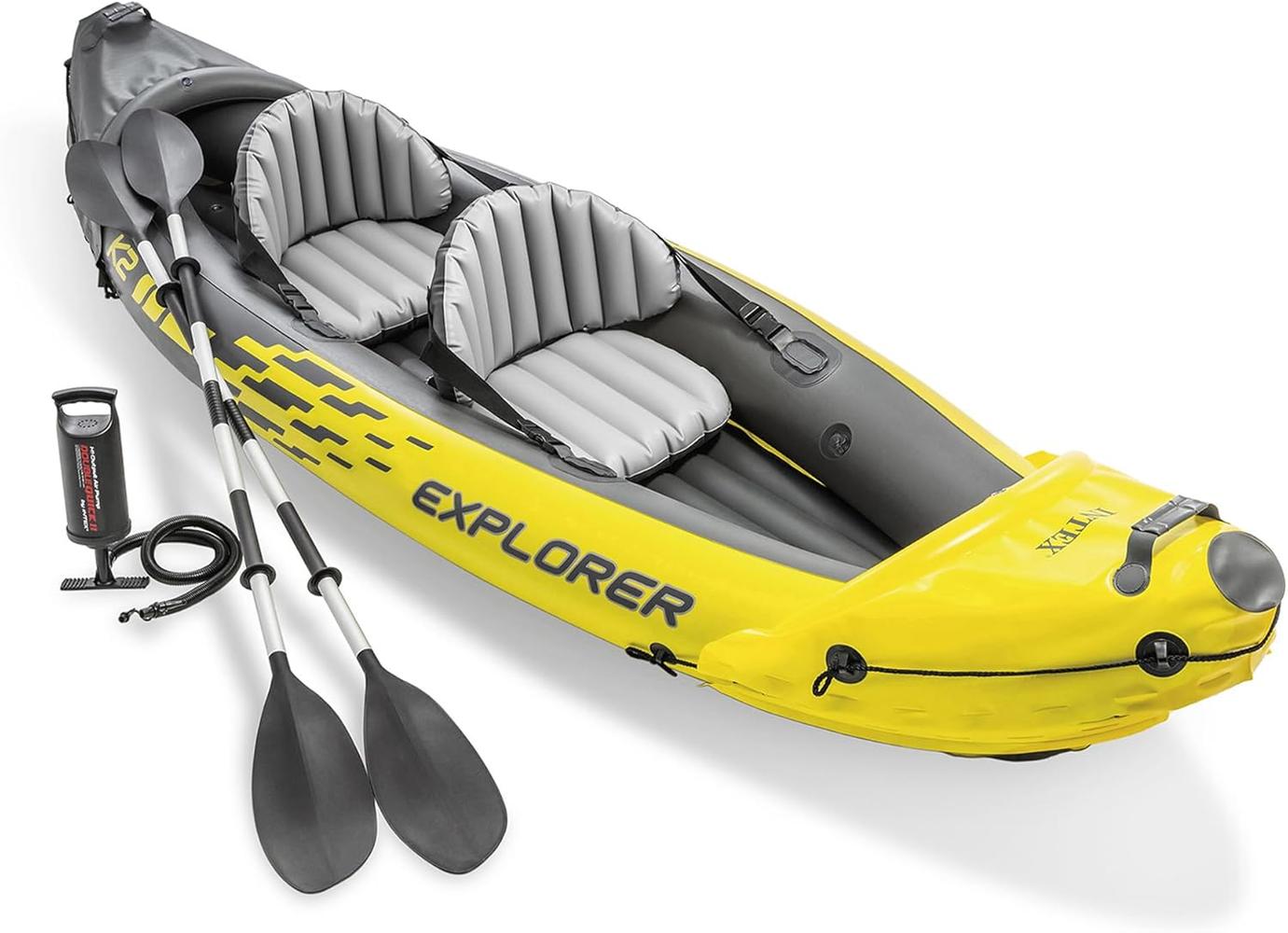 | 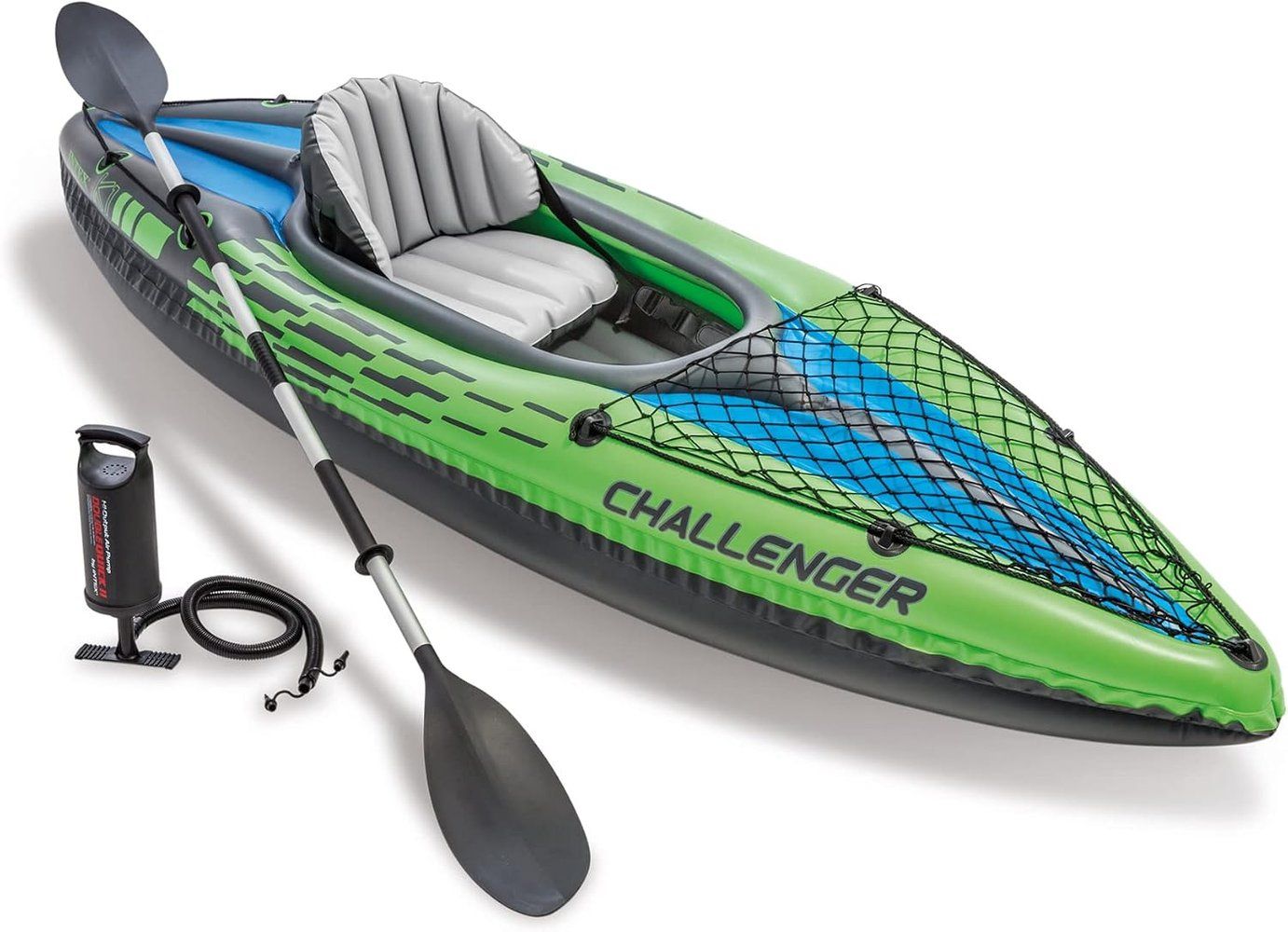 VS | |
| Dimensions | 10.25 × 3 × 1.67 ft | 9 × 2.5 × 1.083 ft |
| Capacity | 400 lb | 220 lb |
| Weight | 36.96 lb | 26.71 lb |
| Inflation Pressure | N/A | N/A |
| Number Of Chambers | N/A | 2 |
| Warranty | 1 Year | 1 Year |
| Number Of D‑rings | N/A | N/A |
| Setup Time | N/A | under 10 |
| Floor Pressure | N/A | N/A |
| Fin | Removable skeg | Removable skeg |
| Intex Explorer K2 | Intex Recreation Corp. Challenger K1 |
|---|---|
| |
| Dimensions | |
10.25 × 3 × 1.67 ft | 9 × 2.5 × 1.083 ft |
| Capacity | |
400 lb | 220 lb |
| Weight | |
36.96 lb | 26.71 lb |
| Inflation Pressure | |
N/A | N/A |
| Number Of Chambers | |
N/A | 2 |
| Warranty | |
1 Year | 1 Year |
| Number Of D‑rings | |
N/A | N/A |
| Setup Time | |
N/A | under 10 |
| Floor Pressure | |
N/A | N/A |
| Fin | |
Removable skeg | Removable skeg |
Comfort
Explorer K2
Challenger K1
Comfort determines how long you’ll enjoy time on the water without fatigue. Inflatable seats, back support, and ease of entry all affect a paddler’s experience. Both kayaks score in the low‑four range, with the Challenger K1 edging slightly higher thanks to its adjustable backrest and spacious cockpit. The Explorer K2’s seats are comfortable but can sag over time, which some users find less supportive. Overall, the comfort gap is minimal, so either model will serve casual paddlers well.
Portability
Explorer K2
Challenger K1
Portability matters for anyone who must load a kayak into a car trunk or carry it up a trail. Weight, bag size, and setup speed all play a role. Both kayaks earn top marks, with the Challenger K1 weighing just 26.7 lb and packing into a compact bag, while the Explorer K2 is a bit heavier at 36.96 lb but still fits easily in most trunks. The K1’s lower weight gives it a slight edge for spontaneous solo trips, but the K2 remains highly portable for two‑person adventures. In practice, both are easy to transport.
Stability
Explorer K2
Challenger K1
Stability is crucial for confidence, especially in choppy water. A stable hull reduces the risk of capsizing and makes learning easier. The Explorer K2 scores higher, aided by its removable skeg and higher sidewalls that keep the kayak steady in moderate conditions. The Challenger K1’s wide hull provides decent calm‑water stability, but reviewers note a wobble in rougher water. For paddlers who prioritize steadiness, the K2 is the safer bet.
Durability
Explorer K2
Challenger K1
Durability reflects how well a kayak resists punctures, seam failures, and wear over time. The Explorer K2’s rugged vinyl and multiple air chambers give it a modest durability advantage, though a few users report seam or valve issues. The Challenger K1 also uses puncture‑resistant vinyl but has occasional pump problems and material wear. Both require proper drying and care, but the K2’s construction generally holds up slightly better under regular use.
Performance
Explorer K2
Challenger K1
Performance covers speed, tracking, and maneuverability on lakes and mild rivers. Both models share a streamlined shape and removable skeg, delivering smooth paddling and comparable top speeds. Reviewers praise the quick inflation and responsive handling of each kayak, and neither shows a clear advantage. For most recreational paddlers, performance will feel virtually identical between the two.
Safety
Explorer K2
Challenger K1
Safety features such as Coast Guard certification, buoyancy, and grab lines help keep paddlers afloat and visible. The Explorer K2 includes a U.S. Coast Guard‑certified design, bright colors, and grab handles, earning a higher safety rating. The Challenger K1 meets basic NMMA standards but lacks the extra visibility and grab‑line accessories. Paddlers who value added safety measures should lean toward the Explorer K2.
Trust & Transparency
- Data-driven rankings from real user reviews
- Affiliate partnerships don't influence our methodology
We may earn commission from links.
Conclusion & Final Verdict:
Bottom Line
If you need a two‑person kayak with a high weight capacity and a bit more stability, the Intex Explorer K2 is the clear choice. It excels in durability, safety, and can carry up to 400 lb, making it ideal for family outings or gear‑heavy trips.
If you prioritize ultra‑light weight, quick solo transport, and a slightly more adjustable seat, the Intex Challenger K1 wins on portability and ease of setup. Both models perform similarly on calm water, so your decision should hinge on whether you value capacity and stability (Explorer) or minimal weight and solo convenience (Challenger).
Related Comparisons
Intex Explorer K2vsAdvanced Elements AdvancedFrame Expedition Elite
The Intex Explorer K2 excels in portability and quick setup, while the Advanced Elements Expedition Elite offers superior stability, durability, and a higher weight capacity. Choose the Explorer K2 for easy transport and casual paddling; pick the Expedition Elite for rugged trips and heavier loads.
Intex Explorer K2vsAdvanced Elements AirFusion EVO
The Intex Explorer K2 wins on comfort, portability and load capacity, making it ideal for families and casual paddlers, while the Advanced Elements AirFusion EVO is lighter, more durable and safer, suited for performance‑focused adventurers who value rigidity.
Intex Explorer K2vsAdvanced Elements Island Voyage 2
The Intex Explorer K2 inflates quickly and is easy to carry, but its seats and stability fall short of the Advanced Elements Island Voyage 2, which delivers superior comfort, stability and a longer warranty—choose the Explorer K2 for a budget‑friendly, lightweight option, or the Island Voyage 2 for a more comfortable, stable ride.
Intex Explorer K2vsGumotex Rush 2
The Intex Explorer K2 excels in comfort, portability and overall performance, while the Gumotex Rush 2 is lighter, supports a higher weight limit and comes with a longer warranty.
Intex Explorer K2vsGYMAX Inflatable Kayak
The Intex Explorer K2 is lighter and easier to transport with stronger on‑water performance, while the GYMAX offers a higher weight capacity, tougher construction and more safety features.
Intex Explorer K2vsIntex Recreation Corp. Excursion Pro K2
The Intex Explorer K2 is lighter and faster, while the Excursion Pro K2 offers a bit more stability for heavier paddlers. Choose Explorer for portability and performance; pick Excursion Pro for steadier rides.