
Intex Recreation Corp. Challenger™ K1 Inflatable vs Eddyline Sandpiper 120
Why You Can Trust Us
- Side-by-side analysis based on real user feedback
- Unbiased comparisons, not influenced by partnerships
- Updated as new data becomes available
We may earn from affiliate links at no extra cost to you.
| Challenger™ K1 Inflatable | Eddyline Sandpiper 120 | |
|---|---|---|
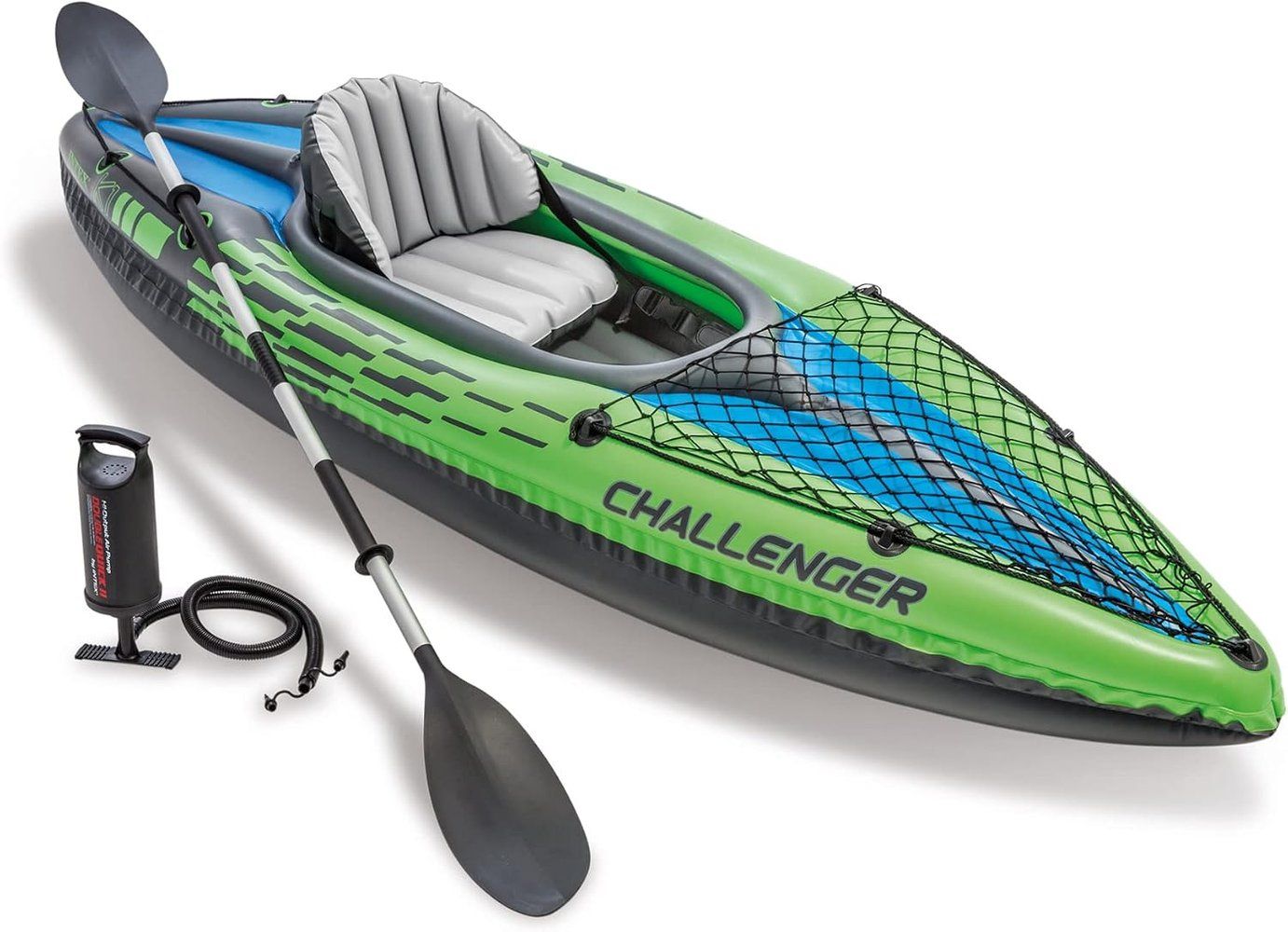 | 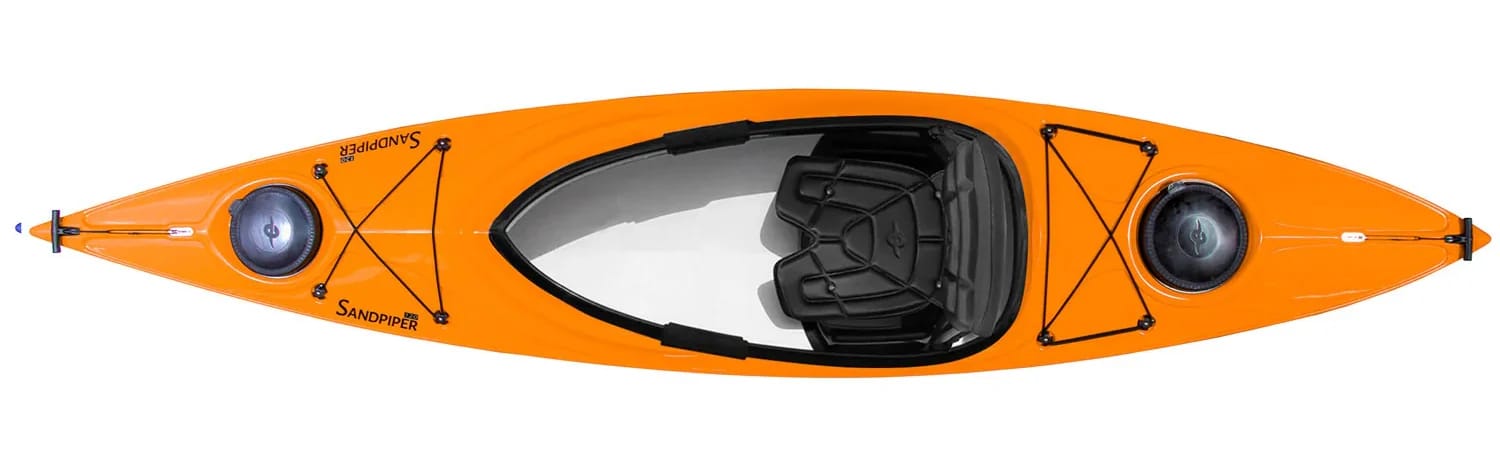 VS | |
| Weight | 26.71 lb | 38 lb |
| Length | 9 ft | 12 ft |
| Width | 30 in | 28 in |
| Weight Capacity | 220 lb | 350 lb |
| Hull Type | N/A | Sit Inside |
| Warranty | 1 Year | 3 Years |
| Hull Material | Vinyl | N/A |
| Seating Capacity | 1 | N/A |
| Seat Type | Adjustable inflatable seat with backrest | Fixed |
| Storage Features | Cargo net | 2 hatches, deck storage, bungees |
| Rudder Or Skeg | Removable skeg | N/A |
| Intex Recreation Corp. Challenger™ K1 Inflatable | Eddyline Sandpiper 120 |
|---|---|
| |
| Weight | |
26.71 lb | 38 lb |
| Length | |
9 ft | 12 ft |
| Width | |
30 in | 28 in |
| Weight Capacity | |
220 lb | 350 lb |
| Hull Type | |
N/A | Sit Inside |
| Warranty | |
1 Year | 3 Years |
| Hull Material | |
Vinyl | N/A |
| Seating Capacity | |
1 | N/A |
| Seat Type | |
Adjustable inflatable seat with backrest | Fixed |
| Storage Features | |
Cargo net | 2 hatches, deck storage, bungees |
| Rudder Or Skeg | |
Removable skeg | N/A |
Comfort
Challenger™ K1 Inflatable
Eddyline Sandpiper 120
Comfort determines how enjoyable long paddles feel, especially on calm lakes where you may spend hours in the seat. A well‑designed cockpit, supportive backrest, and foot braces reduce fatigue and let you focus on the scenery. The Sandpiper 120 scores higher, with a super‑comfortable fixed seat, adjustable back support, knee pads and generous thigh rests that reviewers describe as "cozied up". The Challenger K1 offers an adjustable inflatable seat with backrest and ample foot space, which many find comfortable but occasionally sticky in hot weather. For paddlers who value a plush ride, the Sandpiper is the clear winner.
Stability
Challenger™ K1 Inflatable
Eddyline Sandpiper 120
Stability is crucial for confidence on the water, especially for beginners or when paddling in mild chop. A stable hull resists tipping and makes entry and exit easier. The Sandpiper 120 earns a higher stability rating thanks to its wider beam, bulkheads and forgiving soft‑chine design, keeping users upright even in small waves. The Challenger K1 provides dependable stability on calm water but can feel wobbly in choppy conditions due to its inflatable hull. Overall, the Sandpiper leads in stability.
Performance
Challenger™ K1 Inflatable
Eddyline Sandpiper 120
Performance covers tracking, speed, and how the kayak handles under paddle power. Efficient hull shape, low drag and good tracking let you cover distance with less effort. The Challenger K1 shines with a streamlined design, removable skeg for straight‑line tracking, and a high‑buoyancy floor that bounces back quickly, earning the top performance score. The Sandpiper 120 is praised for being 20 % lighter and cutting through water well, but its performance rating trails the Challenger. For pure paddling efficiency, the Challenger wins.
Maneuverability
Challenger™ K1 Inflatable
Eddyline Sandpiper 120
Maneuverability matters when navigating tight coves, obstacles, or winding rivers. It reflects how quickly a kayak can turn and respond to paddle strokes. Both kayaks receive the same moderate score; the Challenger’s longer inflatable hull and the Sandpiper’s solid shape each have strengths and drawbacks. Reviewers note the Challenger can be less nimble in tight spaces, while the Sandpiper’s fixed hull offers decent but not exceptional turn rates. With comparable feedback, neither kayak has a clear edge.
Durability
Challenger™ K1 Inflatable
Eddyline Sandpiper 120
Durability indicates how well a kayak stands up to regular use, abrasions, and occasional impacts. A durable kayak lasts longer and requires fewer repairs. The Sandpiper 120’s thermal‑form material and solid bulkheads earn it a higher durability rating, with users reporting it holds up well after years of use. The Challenger’s rugged vinyl is respectable for casual paddling, but some owners have experienced punctures or pump issues over time. The Sandpiper therefore offers better long‑term durability.
Portability
Challenger™ K1 Inflatable
Eddyline Sandpiper 120
Portability affects how easily you can transport, store, and set up a kayak, especially for spontaneous outings. Lighter weight, compact packing, and quick inflation are key factors. The Challenger K1 is under 27 lb, folds into a small bag, and inflates in minutes, earning the highest portability rating. The Sandpiper 120, while lighter than many rotomolded models at 38 lb, still requires roof‑rack transport and cannot be deflated. For travelers who need a kayak that fits in a car trunk and can be set up on the fly, the Challenger is the clear choice.
Trust & Transparency
- Data-driven rankings from real user reviews
- Affiliate partnerships don't influence our methodology
We may earn commission from links.
Conclusion & Final Verdict:
Bottom Line
If you need a kayak that packs down small, weighs under 27 lb, and can be inflated in minutes, the Intex Challenger K1 is the practical choice. It excels in portability and offers solid performance for casual lake paddling.
If comfort, stability, and a higher weight capacity are your top priorities—and you don’t mind a heavier, rigid hull—the Eddyline Sandpiper 120 delivers a more plush ride and better durability for longer adventures.
Pick the Challenger for ultra‑light convenience; pick the Sandpiper for a comfortable, stable experience on larger waters.
Related Comparisons
Eddyline Sandpiper 120vsHurricane Prima 125
The Hurricane Prima 125 outperforms the Eddyline Sandpiper 120 in stability, speed and overall portability, making it the stronger all‑round recreational kayak, while the Sandpiper’s lighter carbon hull gives it a slight edge for ultra‑light transport.
Eddyline Sandpiper 120vsLiquidlogic Liquid Logic Saluda 12
The Eddyline Sandpiper 120 offers a super‑comfortable, ultra‑light ride, while the Liquidlogic Saluda 12 delivers stronger stability, performance and easier transport with its integrated wheel. Choose the Sandpiper for comfort and weight, or the Saluda for handling and versatility.
Eddyline Sandpiper 120vsOru Kayak Oru Inlet Kayak
The Eddyline Sandpiper 120 offers a plush, stable ride for relaxed paddling, while the Oru Inlet folds down to a 20‑lb box for unbeatable portability and speed—choose the Sandpiper for comfort and durability, the Oru if you need compact transport and performance.
Intex Recreation Corp. Challenger™ K1 InflatablevsEddyline Sandpiper 130
The Intex Challenger K1 inflates fast and packs light for solo paddlers who value portability, while the Eddyline Sandpiper 130 offers far greater stability, capacity and durability for larger crews or gear‑heavy trips.
Intex Recreation Corp. Challenger™ K1 InflatablevsEddyline Sky 100
The Challenger K1 inflates in minutes, is lighter and more comfortable, while the Eddyline Sky 100 offers superior stability, durability and dry storage. Choose the K1 for easy transport and long‑paddle comfort, or the Sky 100 for rugged, stable performance.
Intex Recreation Corp. Challenger™ K1 InflatablevsHurricane Prima 125
The Intex Challenger K1 inflates in minutes and is ultra‑light, while the Hurricane Prima 125 offers a sturdier frame, higher capacity and superior comfort—choose the Challenger for easy transport, the Prima for performance and stability.