
Intex Recreation Corp. Challenger K1 vs Advanced Elements AirFusion EVO
Why You Can Trust Us
- Side-by-side analysis based on real user feedback
- Unbiased comparisons, not influenced by partnerships
- Updated as new data becomes available
We may earn from affiliate links at no extra cost to you.
| Challenger K1 | Advanced Elements AirFusion EVO | |
|---|---|---|
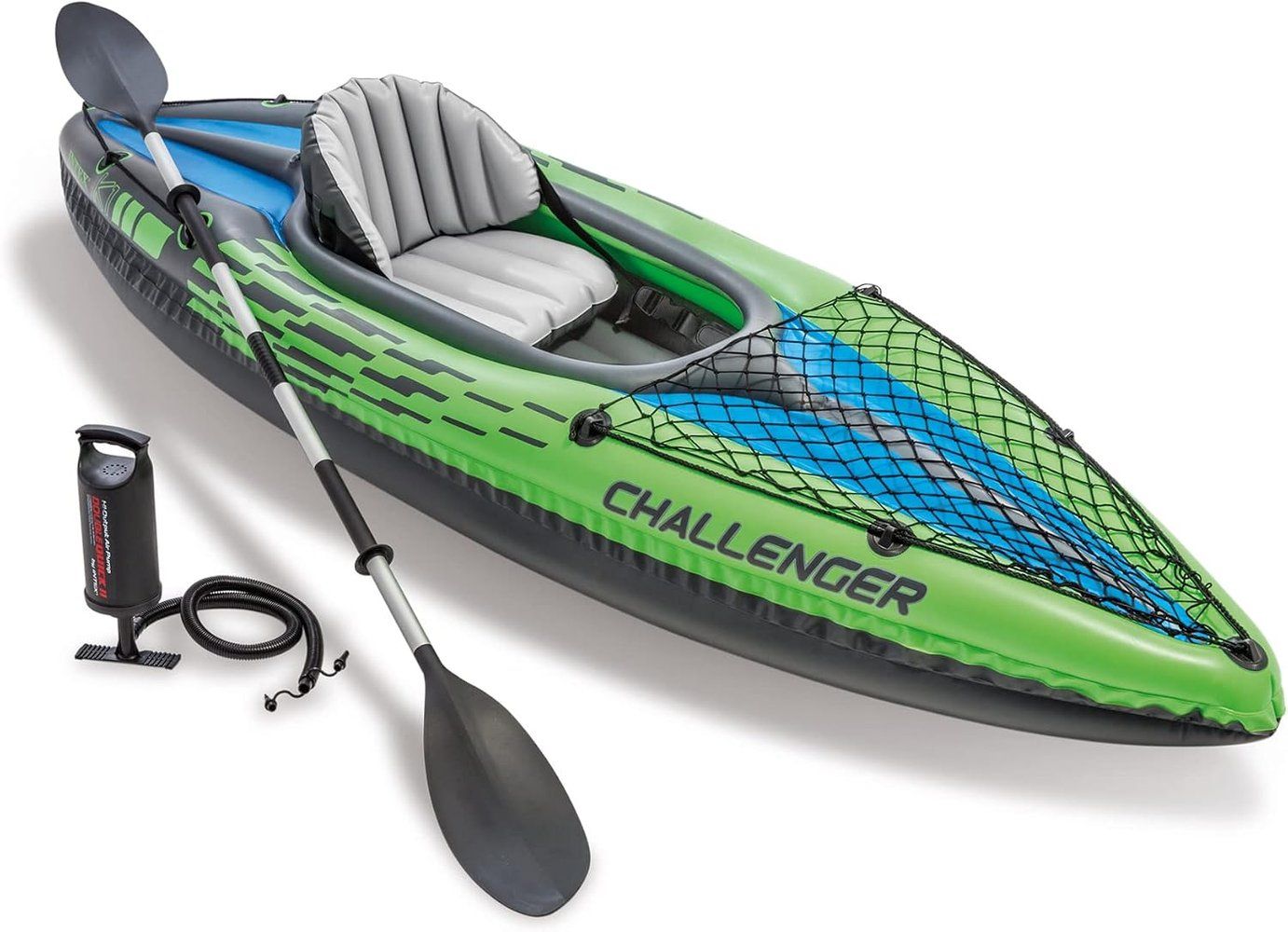 | 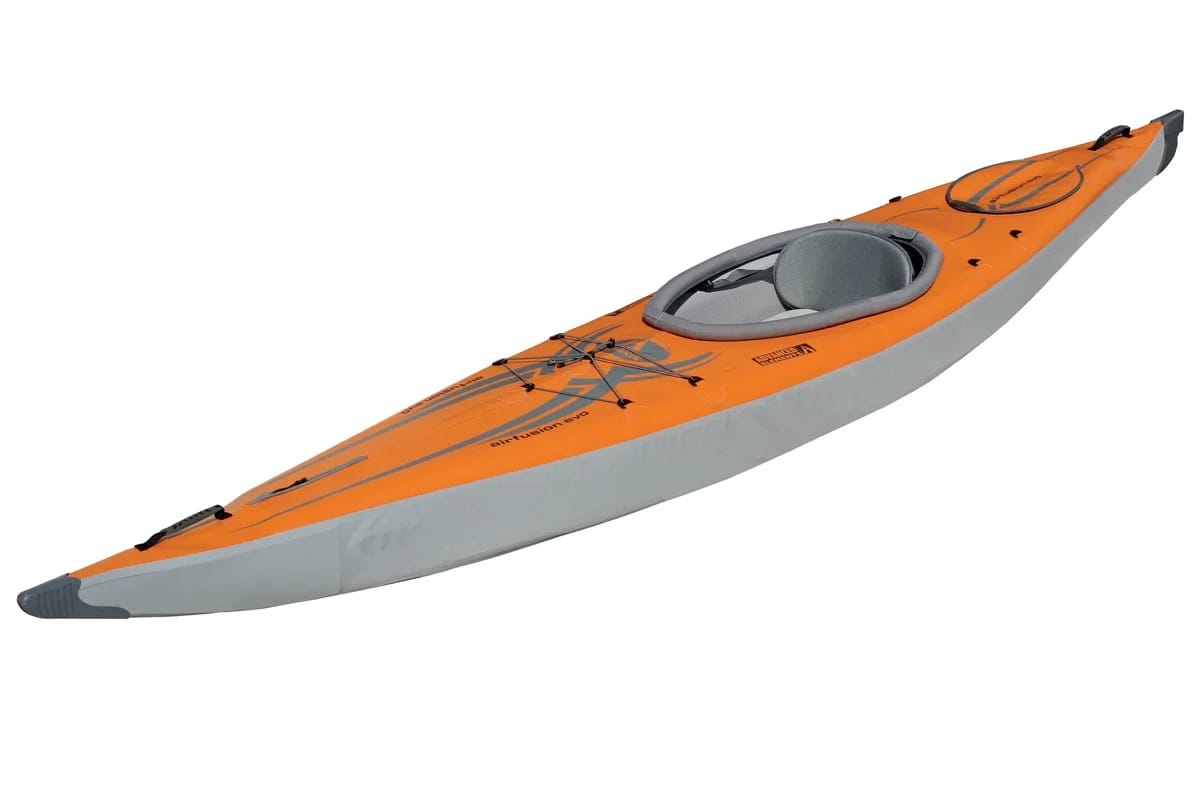 VS | |
| Dimensions | 9 × 2.5 × 1.083 ft | 13 × 2 ft |
| Capacity | 220 lb | 235 lb |
| Weight | 26.71 lb | 32 lb |
| Inflation Pressure | N/A | 6–8 psi |
| Number Of Chambers | 2 | 3 |
| Warranty | 1 Year | N/A |
| Number Of D‑rings | N/A | N/A |
| Setup Time | under 10 | 10 min |
| Floor Pressure | N/A | N/A |
| Fin | Removable skeg | removable skeg |
| Intex Recreation Corp. Challenger K1 | Advanced Elements AirFusion EVO |
|---|---|
| |
| Dimensions | |
9 × 2.5 × 1.083 ft | 13 × 2 ft |
| Capacity | |
220 lb | 235 lb |
| Weight | |
26.71 lb | 32 lb |
| Inflation Pressure | |
N/A | 6–8 psi |
| Number Of Chambers | |
2 | 3 |
| Warranty | |
1 Year | N/A |
| Number Of D‑rings | |
N/A | N/A |
| Setup Time | |
under 10 | 10 min |
| Floor Pressure | |
N/A | N/A |
| Fin | |
Removable skeg | removable skeg |
Comfort
Challenger K1
Advanced Elements AirFusion EVO
Comfort determines how long you can enjoy a paddle without fatigue, encompassing seat ergonomics, legroom, and ease of entry. A more comfortable kayak lets you focus on scenery rather than sore muscles. The Challenger K1 scores 4.3, praised for its adjustable inflatable seat, spacious cockpit, and generous leg clearance, while the AirFusion EVO sits at 3.9, offering a high back but tighter legroom. For paddlers who value a relaxed, cushioned ride, the Challenger K1 is the clear winner.
Portability
Challenger K1
Advanced Elements AirFusion EVO
Portability matters for anyone who needs to transport, store, or launch a kayak without a roof rack or a truck bed. Lighter weight and a compact bag reduce hassle and open up spontaneous trips. The Challenger K1 weighs just 26.7 lb and folds into a small carry bag, earning a 4.8 rating, whereas the AirFusion EVO, at 32 lb, still packs down well but is slightly bulkier. When ease of carry and quick setup are top priorities, the Challenger K1 leads.
Stability
Challenger K1
Advanced Elements AirFusion EVO
Stability keeps the kayak upright in chop and when you shift weight, which is crucial for confidence on the water. A more stable hull reduces the risk of capsizing and makes learning easier. The AirFusion EVO edges ahead with a 3.4 rating, benefitting from its drop‑stitch construction and aluminum keel that add rigidity, while the Challenger K1’s wide hull provides decent calm‑water stability but can wobble in choppy conditions, scoring 3.2. For paddlers who expect occasional rougher water, the AirFusion EVO is the better choice.
Durability
Challenger K1
Advanced Elements AirFusion EVO
Durability reflects how well a kayak resists punctures, UV exposure, and wear over time, influencing long‑term value. A tougher skin and robust seams mean fewer repairs and a longer service life. The AirFusion EVO’s polyurethane outer skin and reinforced drop‑stitch design earn a 4.2 rating, praised for being puncture‑resistant and easy to dry, while the Challenger K1’s vinyl construction is solid but shows occasional wear and pump issues, resulting in a 3.6 rating. For users who need a kayak that can survive frequent trips and rough handling, the AirFusion EVO wins.
Performance
Challenger K1
Advanced Elements AirFusion EVO
Performance covers speed, tracking, and maneuverability, affecting how efficiently you cover distance and handle currents. A high‑performing kayak feels responsive and holds a straight line with minimal effort. Both models score in the high 4s—4.6 for the Challenger K1 and 4.7 for the AirFusion EVO—thanks to streamlined hulls, removable skegs, and good weight capacities. The EVO’s slightly higher rating stems from its rigid hull and V‑shaped design, but the difference is marginal, making the two essentially tied in overall performance.
Safety
Challenger K1
Advanced Elements AirFusion EVO
Safety features such as spray skirts, capsizing resistance, and clear weight limits protect paddlers in unexpected conditions. Higher safety scores give peace of mind, especially for beginners or those paddling in variable weather. The AirFusion EVO scores 4.1, highlighted by its spray skirt and roll‑top that keep water out, while the Challenger K1’s 2.7 rating reflects basic NMMA certification but limited additional safety gear. For paddlers who prioritize extra protection, the AirFusion EVO is the safer option.
Trust & Transparency
- Data-driven rankings from real user reviews
- Affiliate partnerships don't influence our methodology
We may earn commission from links.
Conclusion & Final Verdict:
Verdict
If you prioritize ultra‑light weight, quick setup, and a comfortable ride for short, calm‑water outings, the Intex Challenger K1 is the better fit. If you need a tougher, more stable kayak with superior safety features and can handle a slightly heavier package, the Advanced Elements AirFusion EVO will serve you better on longer trips and in more demanding conditions.
Related Comparisons
Gumotex Rush 2vsAdvanced Elements AirFusion EVO
The Gumotex Rush 2 offers a larger load capacity and tandem seating, while the Advanced Elements AirFusion EVO delivers superior performance, durability and ultra‑compact portability. Choose Rush 2 for family outings; pick EVO for speed‑focused adventures.
Intex Recreation Corp. Challenger K1vsAdvanced Elements AdvancedFrame Expedition Elite
If you need a lightweight, ultra‑portable kayak that inflates in minutes, the Intex Challenger K1 is the clear choice; for paddlers who prioritize stability, higher weight capacity and rugged durability, the Advanced Elements Expedition Elite wins.
Intex Recreation Corp. Challenger K1vsAdvanced Elements Island Voyage 2
The Advanced Elements Island Voyage 2 offers double the weight capacity, superior stability and durability, while the Intex Challenger K1 is lighter and packs a bit smaller for ultra‑portable solo trips. Choose the Voyage 2 for family or heavy‑load paddling, or the Challenger K1 for on‑the‑go adventures.
Intex Recreation Corp. Challenger K1vsAdvanced Elements StraitEdge
The Intex Challenger K1 wins on comfort and ultra‑light portability, while the Advanced Elements StraitEdge offers superior stability, durability and a higher weight capacity—choose the Challenger for easy travel and the StraitEdge for rugged, heavier‑load adventures.
Intex Recreation Corp. Challenger K1vsGumotex Rush 2
The Intex Challenger K1 excels in comfort and ultra‑light portability for solo paddlers, while the Gumotex Rush 2 offers far greater weight capacity and superior stability for tandem or gear‑heavy outings.
Intex Recreation Corp. Challenger K1vsGYMAX Inflatable Kayak
The Intex Challenger K1 is lighter, more portable and comfortable for solo paddlers, while the GYMAX tandem kayak offers far greater weight capacity, durability and stability for two‑person adventures.