
Intex Recreation Corp. Challenger K1 vs Sea Eagle 380x Explorer Tandem
Why You Can Trust Us
- Side-by-side analysis based on real user feedback
- Unbiased comparisons, not influenced by partnerships
- Updated as new data becomes available
We may earn from affiliate links at no extra cost to you.
| Challenger K1 | 380x Explorer Tandem | |
|---|---|---|
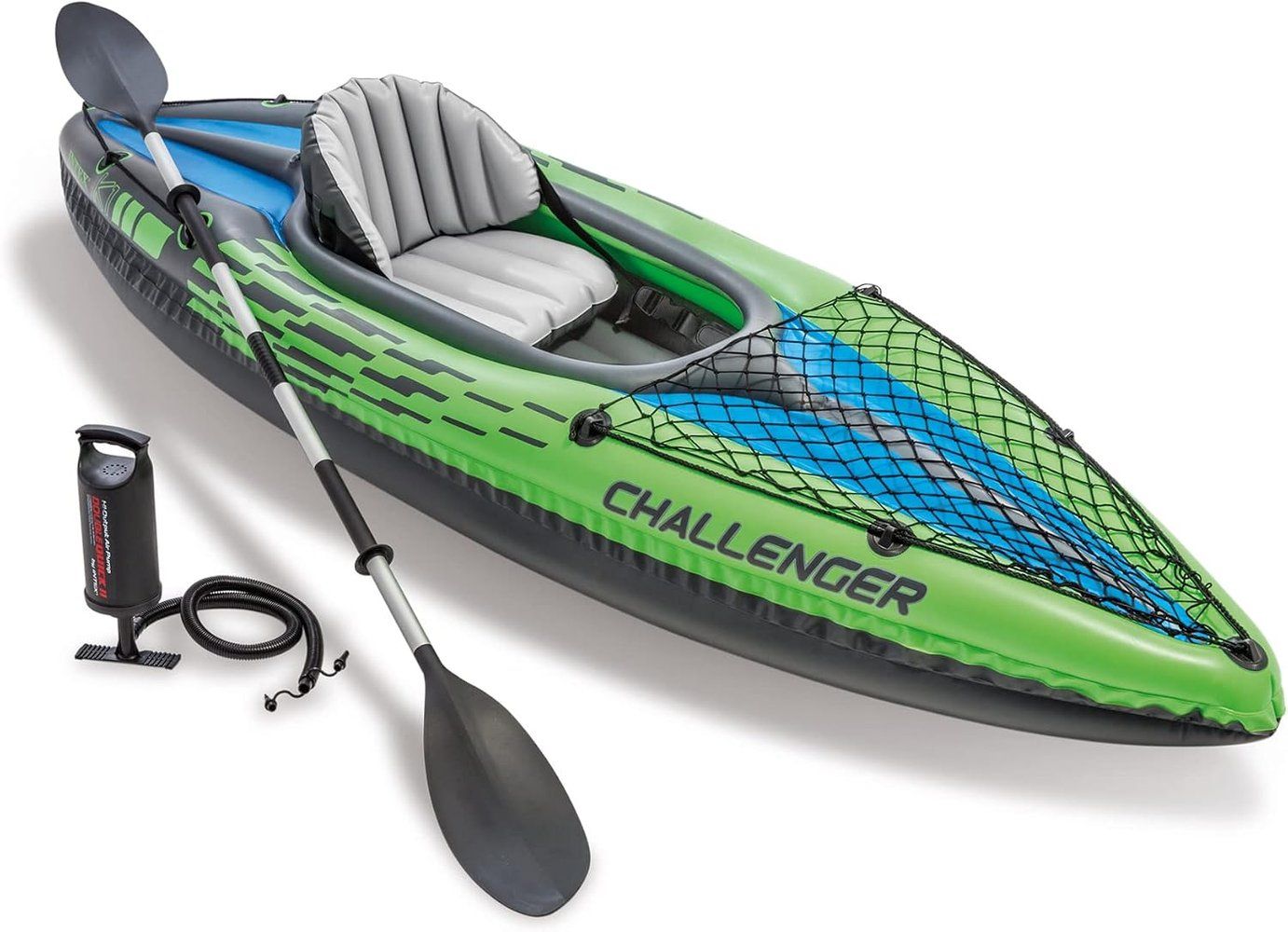 | 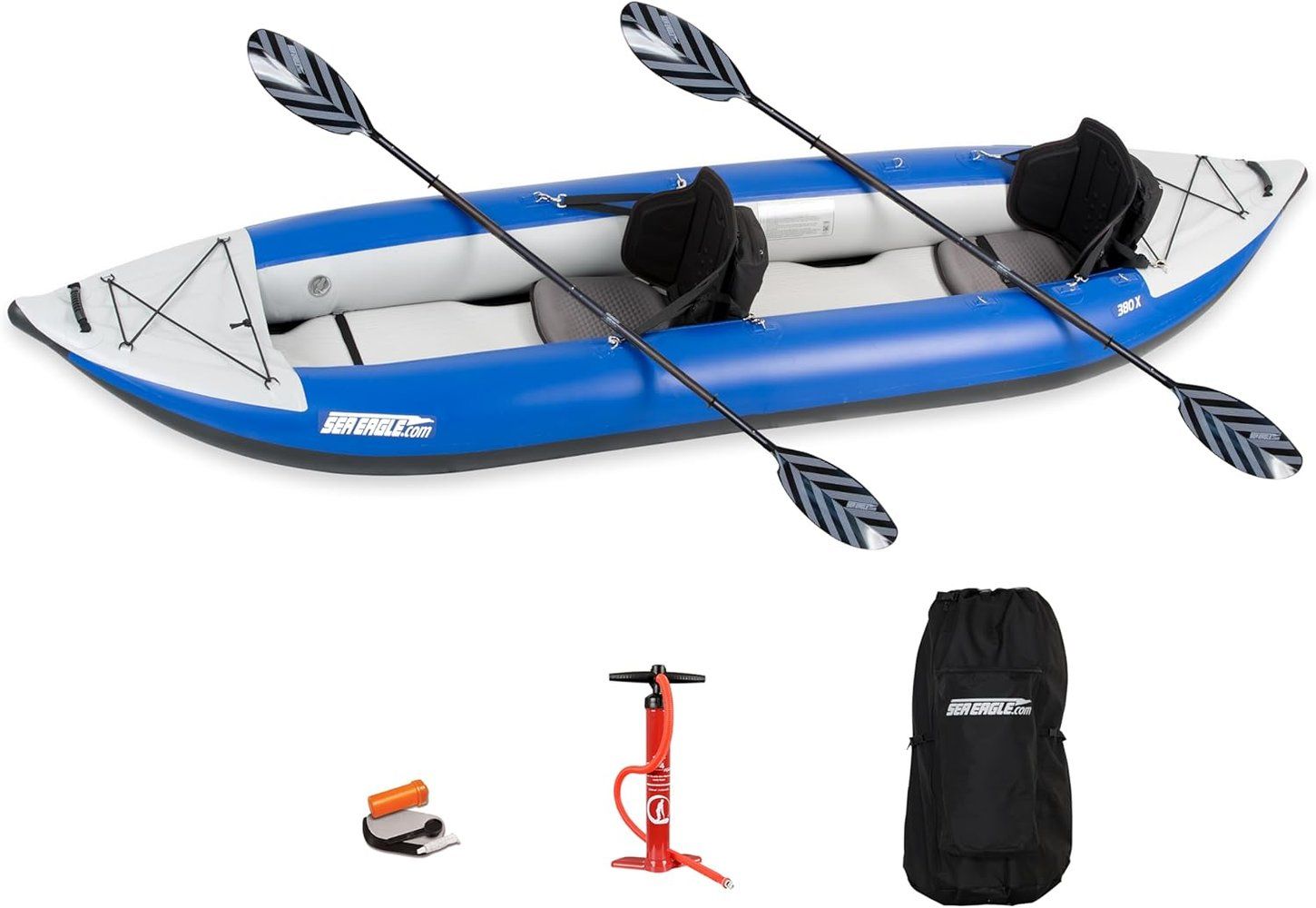 VS | |
| Dimensions | 9 × 2.5 × 1.083 ft | 12 ft 6 in × 3 ft 2 in |
| Capacity | 220 lb | 750 lb |
| Weight | 26.71 lb | 40 lb |
| Inflation Pressure | N/A | Up to 10 psi |
| Number Of Chambers | 2 | 3 |
| Warranty | 1 Year | 3 Years |
| Number Of D‑rings | N/A | 24 |
| Setup Time | under 10 | 8 min |
| Floor Pressure | N/A | 10 psi |
| Fin | Removable skeg | Removable skeg |
| Intex Recreation Corp. Challenger K1 | Sea Eagle 380x Explorer Tandem |
|---|---|
| |
| Dimensions | |
9 × 2.5 × 1.083 ft | 12 ft 6 in × 3 ft 2 in |
| Capacity | |
220 lb | 750 lb |
| Weight | |
26.71 lb | 40 lb |
| Inflation Pressure | |
N/A | Up to 10 psi |
| Number Of Chambers | |
2 | 3 |
| Warranty | |
1 Year | 3 Years |
| Number Of D‑rings | |
N/A | 24 |
| Setup Time | |
under 10 | 8 min |
| Floor Pressure | |
N/A | 10 psi |
| Fin | |
Removable skeg | Removable skeg |
Comfort
Challenger K1
380x Explorer Tandem
Comfort determines how long you can stay on the water without fatigue, which is crucial for both leisurely cruises and longer expeditions. When comfort scores are equal, the nuances of seat design and cockpit space become the deciding factor. The Challenger K1’s adjustable inflatable seat with a backrest and spacious cockpit offers solid cushioning and easy entry, while the 380x Explorer Tandem provides a higher backrest, foot braces and a roomy seating position that many find supportive for extended paddling. Both receive a 4.3 rating, so comfort is essentially a tie between the two models.
Portability
Challenger K1
380x Explorer Tandem
Portability matters for paddlers who need to transport, store, or set up their kayak on short notice. A lighter weight and compact packing mean less hassle loading a car or hiking to a launch site. The Challenger K1 weighs just 26.7 lb and folds into a small bag that fits in a trunk without a roof rack, making spontaneous trips effortless. The 380x Explorer Tandem, at 40 lb, still packs down well but is noticeably heavier. For pure ease of carry and quick setup, the Challenger K1 wins.
Stability
Challenger K1
380x Explorer Tandem
Stability gives confidence in calm lakes and rougher rivers, reducing the risk of capsizing. A wider hull and rigid floor keep the kayak steady, especially in chop or white‑water. The 380x Explorer Tandem’s broad frame and rock‑solid floor earn it a 4.8 rating, with reviewers noting it can be stood in and handles Class IV rapids. The Challenger K1’s hull is stable on flat water but can wobble in choppy conditions, reflected in its lower 3.2 score. Stability clearly favors the Sea Eagle model.
Durability
Challenger K1
380x Explorer Tandem
Durability determines how well a kayak survives punctures, UV exposure and rough handling over time. Materials like military‑grade fabrics and reinforced seams extend a kayak’s life, while thinner vinyl can wear faster. The 380x Explorer Tandem is built with quadruple‑overlapped seams and tough, industrial‑grade fabric, earning a 4.3 durability rating. The Challenger K1’s puncture‑resistant vinyl is decent but users report pump failures and some material wear, resulting in a 3.6 rating. The Sea Eagle kayak is the more durable choice.
Performance
Challenger K1
380x Explorer Tandem
Performance covers speed, tracking, maneuverability and how the kayak handles under paddle power. A streamlined shape and a removable skeg help a kayak glide straight and turn efficiently. The Challenger K1’s sleek hull and skeg deliver fast, responsive tracking and a high 4.6 performance rating, with users praising its cruising speed and handling on lakes and mild rivers. The 380x Explorer Tandem performs well on flat water and even white‑water, but a few reviewers note minor quirks with foot braces, giving it a 4.2 rating. For overall paddling performance, the Challenger K1 leads.
Safety
Challenger K1
380x Explorer Tandem
Safety features such as load rating, chamber redundancy and self‑bailing drains protect paddlers in emergencies. Higher weight limits and multiple air chambers reduce the chance of a total deflation. The 380x Explorer Tandem is rated for 750 lb, includes three independent chambers and self‑bailing drains, earning a 4.2 safety score. The Challenger K1 meets basic NMMA standards with a 220 lb limit and two chambers, but its lower rating of 2.7 reflects limited safety margins. Safety clearly favors the Sea Eagle model.
Trust & Transparency
- Data-driven rankings from real user reviews
- Affiliate partnerships don't influence our methodology
We may earn commission from links.
Conclusion & Final Verdict:
Which inflatable kayak should you buy?
- Choose the Intex Challenger K1 if you need a feather‑light, ultra‑portable kayak that inflates quickly and delivers strong on‑water performance for solo paddling.
- Choose the Sea Eagle 380x Explorer Tandem if you prioritize rock‑solid stability, high weight capacity, rugged durability, and extra safety features for tandem trips or white‑water adventures. Both models score equally on comfort, but the Sea Eagle clearly outshines the Challenger in stability, durability, safety, and load capacity, while the Challenger wins on portability and overall performance.
Related Comparisons
Intex Recreation Corp. Challenger K1vsNRS Kaholo 125
The NRS Kaholo 125 carries up to 400 lb and includes a longer warranty, while the Intex Challenger K1 is lighter, packs smaller, and inflates in under ten minutes—choose Kaholo for heavy gear or stability, Challenger for ultra‑portable solo trips.
Intex Recreation Corp. Challenger K1vsNRS Star Outlaw
The Intex Challenger K1 is lighter and packs smaller, while the NRS Star Outlaw carries more weight and offers greater stability; choose the Challenger for ultra‑portable day trips, the Star Outlaw for heavier loads and steadier rides.
Intex Recreation Corp. Challenger K1vsRazor Kayaks R1 Ultra
The Intex Challenger K1 wins on portability and overall performance, while the Razor R1 Ultra offers superior stability and a higher weight capacity—choose the Challenger for quick trips and speed, or the Razor for steadier paddling and heavier loads.
Intex Recreation Corp. Challenger K1vsSea Eagle 385fta FastTrack™ Angler
The Intex Challenger K1 is ultra‑light and ultra‑portable, ideal for quick, solo paddles, while the Sea Eagle 385 fta FastTrack Angler offers far greater durability, capacity and stability for anglers and heavy‑load adventures.
Intex Recreation Corp. Challenger K1vsSea Eagle 393rl Razorlite
If you need a feather‑light, easy‑to‑carry kayak, the Intex Challenger K1 wins; for higher load capacity, rugged construction and extra safety, the Sea Eagle 393rl Razorlite is the better choice.
Intex Recreation Corp. Challenger K1vsSea Eagle 420x Explorer
The Intex Challenger K1 is ultra‑light and fast, ideal for solo paddlers who value portability, while the Sea Eagle 420x Explorer offers far greater load capacity, stability and durability for two‑person or gear‑heavy outings.