
Jones Twin Sister vs RIDE Warpig
Why You Can Trust Us
- Side-by-side analysis based on real user feedback
- Unbiased comparisons, not influenced by partnerships
- Updated as new data becomes available
We may earn from affiliate links at no extra cost to you.
| Twin Sister | Warpig | |
|---|---|---|
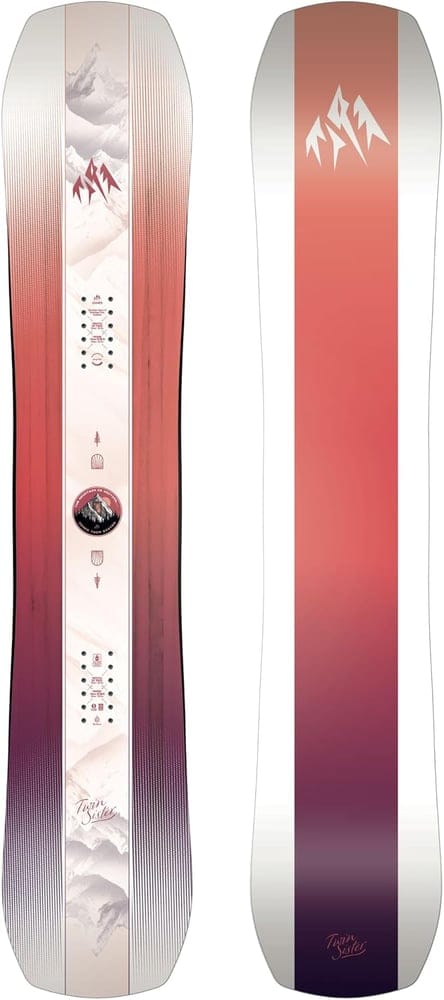 | 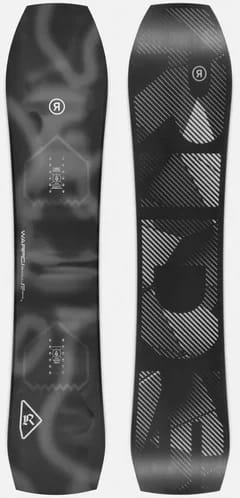 VS | |
| Camber Profile | CamRock | Zero Camber |
| Flex | Medium & balanced | Medium |
| Shape | Directional Twin | Directional |
| Waist Width | 140: 238 mm | X-SMALL (142): 250 mm |
| Ability Level | Intermediate | Beginner, Intermediate, Advanced |
| Size Range | 140, 143, 146, 149, 152, 155 | 142, 148, 151, 154, 158 |
| Warranty | 2+1 Warranty | 3 Years |
| Sidecut Radius | 140: 6.6 m | X-SMALL (142): 4.6 entry, 5.6 exit m |
| Rider Weight | 140: 90-140 lb | X-SMALL (142): 60 - 160 lb |
| Stance | 140: 19.3 in | X-SMALL (142): 19 in |
| Base | Sintered 8000 Base | Sintered 4000 Ptex base |
| Core And Laminates | Master Core dual density wood core (Paulownia and Poplar); Biax Fiberglass laminate; ampliTex Carbon / Flax Stringers | Core: Performance (Aspen, Bamboo, Paulownia) |
| Inserts | Freeride/Freestyle Pack | Not specified by RIDE |
| Jones Twin Sister | RIDE Warpig |
|---|---|
| |
| Camber Profile | |
CamRock | Zero Camber |
| Flex | |
Medium & balanced | Medium |
| Shape | |
Directional Twin | Directional |
| Waist Width | |
140: 238 mm | X-SMALL (142): 250 mm |
| Ability Level | |
Intermediate | Beginner, Intermediate, Advanced |
| Size Range | |
140, 143, 146, 149, 152, 155 | 142, 148, 151, 154, 158 |
| Warranty | |
2+1 Warranty | 3 Years |
| Sidecut Radius | |
140: 6.6 m | X-SMALL (142): 4.6 entry, 5.6 exit m |
| Rider Weight | |
140: 90-140 lb | X-SMALL (142): 60 - 160 lb |
| Stance | |
140: 19.3 in | X-SMALL (142): 19 in |
| Base | |
Sintered 8000 Base | Sintered 4000 Ptex base |
| Core And Laminates | |
Master Core dual density wood core (Paulownia and Poplar); Biax Fiberglass laminate; ampliTex Carbon / Flax Stringers | Core: Performance (Aspen, Bamboo, Paulownia) |
| Inserts | |
Freeride/Freestyle Pack | Not specified by RIDE |
Edge Control
Twin Sister
Warpig
Edge control matters for all-mountain boards because it determines how confidently you can turn, traverse, and hold a line on firm or icy snow. Buyers who ride steep or variable terrain rely on a board that grips predictably when the surface gets sketchy. The Twin Sister earns strong praise for traction tech grip on sketchy terrain, a responsive edge-to-edge transition, and turns that feel easy and clean. Some riders, though, note slower turn initiation and say the board does not feel especially quick in turns. The Warpig also holds an edge well and locks into turns, with a tight sidecut that many riders describe as especially fun when carving at speed. Its drawbacks are slower turn initiation, a boat-like feel when sized up, and a tail that can catch when spinning in and out of butters. Overall the Twin Sister feels more agile and grippy edge to edge, while the Warpig is the better carver for riders who prioritize a committed, swooping arc.
Stability
Twin Sister
Warpig
Stability shapes how a board behaves at speed and in mixed conditions, which is why it matters to anyone who rides fast or changes terrain often. Buyers want a board that feels planted without being harsh. The Twin Sister is praised for being very durable and super stable at high speeds, with riders describing it as confident in stability. A few riders report that it can feel slightly unstable at the top of its speed range. The Warpig is described as very stable underfoot and consistent across conditions, tracking well without feeling overpowering. Riders often call it predictable and forgiving, which makes it a steady choice for a full season of mixed snow. The Twin Sister has the stronger reputation for high-speed composure, while the Warpig offers a calmer, more predictable character. Riders who push speed should favor the Twin Sister, and those who want steady tracking across changing conditions may prefer the Warpig.
Smooth Ride
Twin Sister
Warpig
Smooth ride determines how much chatter reaches your legs and how comfortable a board feels over bumps, chop, and hardpack. It is especially important for riders who spend long days on variable terrain. The Twin Sister receives strong feedback for dampness, with riders noting little underfoot chatter, solid landings, and a fluid roll from heel to toe thanks to its pre-loaded tension and spoon-like beveling. Riders also said they enjoyed the flex and found it good in the bumps, though some noted chop can feel sketchy. The Warpig's slim walls and damp construction absorb chatter well and keep vibration out of the joints on hardpack. Its flat profile can catch on slower sections and traverses, which makes the ride feel livelier and less buttery. For most buyers, the Twin Sister offers the smoother, more fluid ride, while the Warpig is comfortable but less forgiving on flat, slow terrain.
Speed
Twin Sister
Warpig
Speed matters for riders who spend time on groomers, straight runs, and fast cruising lines. Buyers want a board that glides efficiently and feels composed when the pace picks up. The Twin Sister is described as meant to go fast, with riders saying speeds are easy to handle. The sample of feedback is smaller here, so the picture is more limited. The Warpig runs competently on groomers, with good base glide that improves when waxed, and riders say its straight-line mountain speed is solid. Some riders find it a bit slow compared with faster boards. Both boards handle speed capably, and neither stands out dramatically in this area. Buyers who prioritize top speed may want to test both, while all-mountain riders will likely be satisfied with either.
Powder Float
Twin Sister
Warpig
Powder float determines how easily a board stays on top of soft snow, which matters most for riders who chase deep days. The Warpig stands out here, with riders describing it as floating really well in powder, planing nicely on top of the snow, and offering extra float compared with a typical all-mountain board. Its wide, directional shape helps it handle slushy snow as well. Riders also note that it is not a dedicated powder board, so it can struggle in deep two to three foot snow, and some report leg fatigue on long deep days. The Twin Sister performs well in powder, with rocker and beveling that funnel snow out to the sides, and it slashes through heavier or wetter pockets. Some riders feel it is heavier in powder and does not float quite as well. For buyers who want more float in typical powder days, the Warpig has the edge, while the Twin Sister remains capable and feels different rather than weak in deep snow.
Park Play
Twin Sister
Warpig
Park play matters for riders who spend time on jumps, boxes, and jib features, and it matters even more for those who ride switch. The Twin Sister is praised for being playful and fun in the park, with rocker and pre-broken flex that give it spring and pop for side hits and air. Riders say it butters nicely, handles bigger jumps, and feels mellow on smaller features, though some note it is not super forgiving for learning tricks. The Warpig is one of the easiest boards to butter, pop, and jump, and many riders find it surprisingly fun for an all-mountain deck. Its super accessible pop and easy initiation help beginners and intermediates. Its drawbacks include a harder time pressing and a switch feel that some riders find very different, and it is not a dedicated park board for jibbing or rails. The Twin Sister is the stronger all-around park board for playful, aggressive riding, while the Warpig is easier to learn on and approachable for riders who only occasionally hit the park.
Trust & Transparency
- Data-driven rankings from real user reviews
- Affiliate partnerships don't influence our methodology
We may earn commission from links.
Conclusion & Final Verdict:
Choose the Jones Twin Sister if you ride firm or sketchy terrain, want a damp and stable ride, and enjoy poppy, aggressive park play. It is the stronger all-around pick for riders who push speed and want a more fluid, grippy feel edge to edge.
Choose the RIDE Warpig if you spend more time in soft snow, want easier butters and jumps, or are still building your skills. Its extra float and wider rider range make it a more forgiving daily driver, though it is not a dedicated powder or park board.
Related Comparisons
CAPiTA MercuryvsRIDE Warpig
The CAPiTA Mercury is the stronger pick for park riders and speed-focused all-mountain riders who want stability and pop, while the RIDE Warpig suits riders who want a tighter carving feel and more float for mixed snow days.
CAPiTA The EqualizervsJones Twin Sister
Choose The Equalizer if park riding, switch tricks, and easy float in light to moderate powder come first. Choose the Twin Sister if you want more dependable edge hold, stability at speed, and a damp ride that stays calm on chop.
GNU Banked CountryvsRIDE Warpig
The GNU Banked Country is the smoother, damper, more confident carver with livelier pop, best for riders who want an all-day all-mountain ride with a locked-in feel on firm snow. The RIDE Warpig is the better pick for riders who prioritize float in soft snow, playful park butters, and a more forgiving, less demanding feel.
Jones Mountain TwinvsRIDE Warpig
The Jones Mountain Twin is the better pick for buyers who want playful park riding, strong switch performance, smooth comfort, and confident carving. The RIDE Warpig suits riders who want a wide, directional all-mountain board with a steady feel and better straight-line speed.
Lib Tech Skunk Ape CambervsJones Twin Sister
The Lib Tech Skunk Ape Camber suits riders who want locked-in carving grip on firm snow and stability at speed, while the Jones Twin Sister is the easier-turning, more versatile pick with a stronger warranty and better all-round smoothness.
Lib Tech Skunk Ape CambervsRIDE Warpig
The Skunk Ape Camber is the better pick for riders who prioritize firm-snow carving, edge grip, and a poppy park feel. The Warpig suits riders who want a more forgiving, versatile all-mountain board with extra float and easier butters.