
K2 Cortex 130 Zonal BOA vs Armada AR One 130 MV
Why You Can Trust Us
- Side-by-side analysis based on real user feedback
- Unbiased comparisons, not influenced by partnerships
- Updated as new data becomes available
We may earn from affiliate links at no extra cost to you.
| Cortex 130 Zonal BOA | AR One 130 MV | |
|---|---|---|
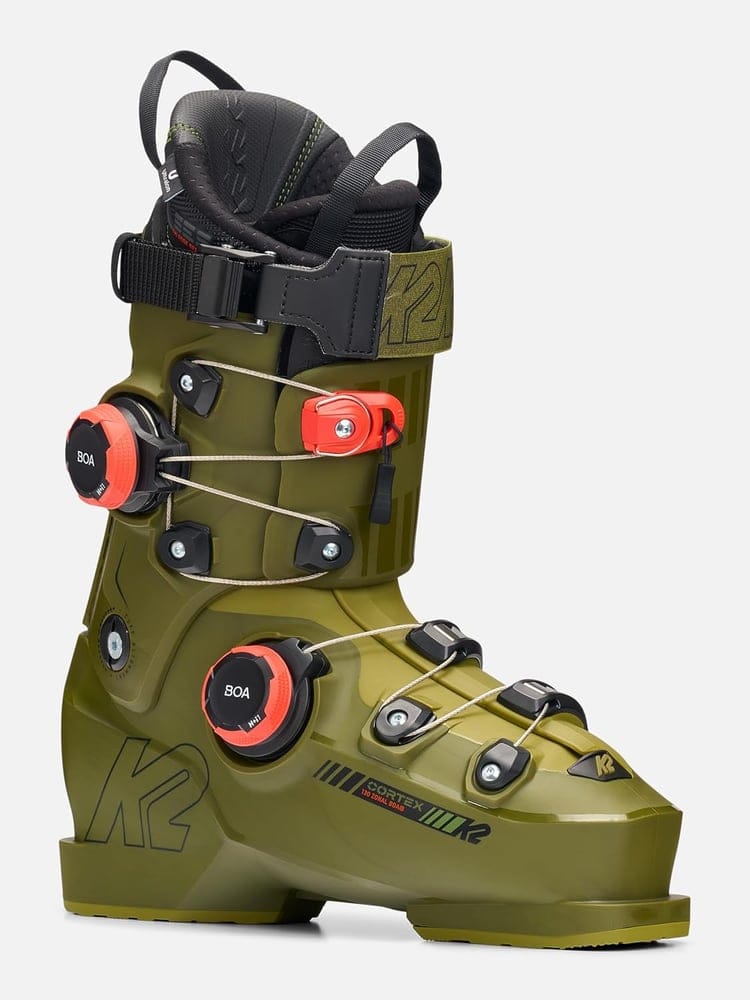 | 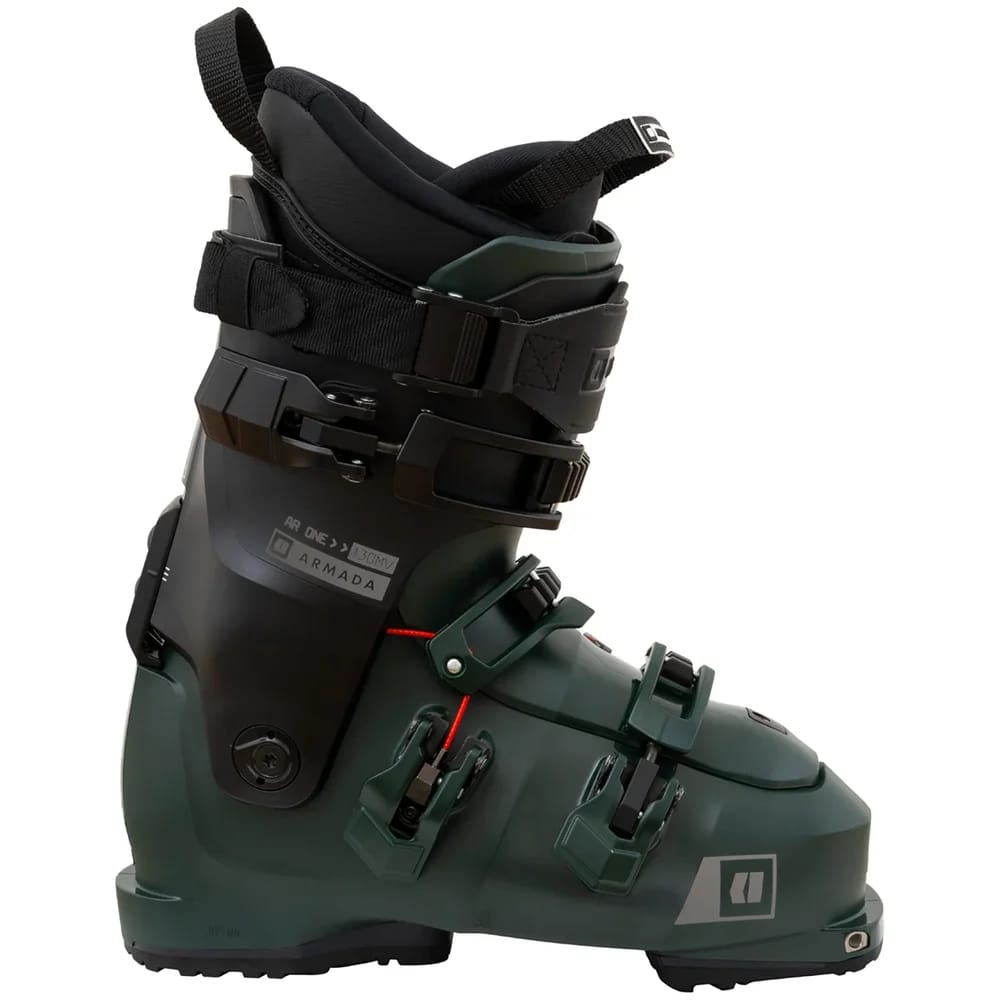 VS | |
| Flex Rating | 130 | 130 |
| Last Width | 98 mm (MultiFit 96–98 mm) | 100 mm |
| Closure System | Zonal dual BOA (2 dials) + 45 mm cam strap | Slingshot Buckle system + 50 mm elastic cam strap |
| Walk Mode | No | No |
| Sole Norm | ISO 5355 alpine + GripWalk (ISO 23223) soles | GripWalk (ISO 23223) with tech toe inserts |
| Weight | Not specified | 4.63 lb (single boot, MP 26.5) |
| Warranty | Not confirmed (retailer listings differ: 1 or 2 years) | 2 Years |
| Liner Type | EliteFit Pro heat-moldable lace-up liner | AR One Team heat-moldable liner |
| Shell Material | TPU shell / TPU cuff | PU shell / PU tongue / PU cuff |
| Forward Lean | Not specified | 13° / 15° / 17° (17° default) |
| Ramp Angle | Not specified | Not specified |
| Size Range | 24.5–28.5 (Mondopoint) | 24.5–29.5 (Mondopoint) |
| K2 Cortex 130 Zonal BOA | Armada AR One 130 MV |
|---|---|
| |
| Flex Rating | |
130 | 130 |
| Last Width | |
98 mm (MultiFit 96–98 mm) | 100 mm |
| Closure System | |
Zonal dual BOA (2 dials) + 45 mm cam strap | Slingshot Buckle system + 50 mm elastic cam strap |
| Walk Mode | |
No | No |
| Sole Norm | |
ISO 5355 alpine + GripWalk (ISO 23223) soles | GripWalk (ISO 23223) with tech toe inserts |
| Weight | |
Not specified | 4.63 lb (single boot, MP 26.5) |
| Warranty | |
Not confirmed (retailer listings differ: 1 or 2 years) | 2 Years |
| Liner Type | |
EliteFit Pro heat-moldable lace-up liner | AR One Team heat-moldable liner |
| Shell Material | |
TPU shell / TPU cuff | PU shell / PU tongue / PU cuff |
| Forward Lean | |
Not specified | 13° / 15° / 17° (17° default) |
| Ramp Angle | |
Not specified | Not specified |
| Size Range | |
24.5–28.5 (Mondopoint) | 24.5–29.5 (Mondopoint) |
Comfort
Cortex 130 Zonal BOA
AR One 130 MV
Comfort matters in ski boots because a boot that hurts after the first few runs will limit how long and how hard you can ski, no matter how well it performs. Here the two boots tell different stories. The Cortex 130 Zonal BOA gets mixed buyer feedback: some skiers like the softer TPU instep and find the BOA dials easy to adjust on the fly, including reversing them to ease pressure in the lift line, while others report a cramped first day, instep sensitivity, and circulation loss when the fit is too tight. The AR One 130 MV is the more consistently comfortable option, with buyers praising its thick, cushiony liner and a softer boot board that softens landings, and several reporting it feels good straight out of the box. Its main complaint is a plastic overhang on the tongue that can press on the top of the foot and instep. For most skiers, the AR One is the more forgiving boot for long days, while the Cortex suits buyers willing to accept a snugger break-in period in exchange for its tighter feel.
Fit
Cortex 130 Zonal BOA
AR One 130 MV
Fit determines whether a boot transfers energy at all, so it sits at the center of any buying decision. Both boots earn similar overall fit scores, but they fit different foot shapes. The Cortex 130 Zonal BOA is built on a narrow, low-volume last, and buyers describe a snug, consistent wrap from the dual BOA system, with the lower dial locking the foot in nicely and the upper dial tightening the shaft. Molding the liner and grinding the shell from midfoot to toe were popular fixes, though some wanted more toe room and warned that the throat can get too loose if too much material is removed. The AR One 130 MV uses a classic medium-volume fit that buyers describe as accurate out of the box, and its heat-moldable shell and liner make it easy to dial in. Its drawbacks include a need for more time in the fit process, a slingshot buckle that can press against the instep, a slightly snug instep for some, and forward lean adjustments that require a rear bolt and shim. Skiers with narrow, low-volume feet will likely find the Cortex easier to lock down, while buyers with medium-volume feet will get a more predictable fit from the AR One.
Performance
Cortex 130 Zonal BOA
AR One 130 MV
Performance is the main reason many skiers look at a 130-flex boot, because it governs how the boot drives the ski at speed and in hard turns. The Cortex 130 Zonal BOA earns strong praise for high-level performance, with reviewers describing the upper BOA as a progressive, smooth upgrade that tightens the shaft for a direct connection to the ski. Owners also link its forward lean and ramp angle to how it skis, and several say it satisfies expert skiers. The trade-off is that short-swing quickness is weaker. The AR One 130 MV also performs well, holding up to aggressive, high-speed carving and feeling planted with no noticeable hinge point when pushing into a turn, but buyers report less precision in tight, technical terrain and reduced upper cuff precision in the 130 flex. Its tech fittings in the toes add touring versatility that the Cortex does not offer. Buyers who prioritize pure on-piste power and expert-level response should lean toward the Cortex, while those who ski mixed terrain and want a boot that can also tour should consider the AR One.
Heel Hold
Cortex 130 Zonal BOA
AR One 130 MV
Heel hold matters because a loose heel causes rubbing, blisters, and lost energy transfer, and it is often the first thing skiers notice in a stiff boot. The Armada AR One 130 MV is clearly stronger here. Buyers consistently describe its slingshot buckle and TPU anchors as pulling the heel back into the pocket and locking the ankle in place, with many calling it one of the best heel holds in the industry. Reviewers note that pressing the buckle seats the heel nicely and that it maximizes ankle retention. The Cortex 130 Zonal BOA has far less heel-specific feedback, though what exists is positive, pointing to a built-in rear spoiler and heel lift that help move the heel forward. Because the evidence for the Cortex is thin, it is hard to call its heel hold a weakness, but the AR One is the more proven choice for skiers who struggle with heel lift. If heel retention is your top concern, the AR One is the safer buy.
Power Response
Cortex 130 Zonal BOA
AR One 130 MV
Power response describes how quickly and directly a boot moves your leg input into the ski's edge, which is important for precise turn initiation and edge grip. The Cortex 130 Zonal BOA gets praise for direct power transfer to the inside edges, with buyers noting that movement passes straight through its thick, reactive plastic and that its robust lug delivers energy with precision. Some reviewers also found the front power plate made no noticeable difference, so the shell and lug do most of the work. The AR One 130 MV has a 50 mm power strap with an elastic booster-style design and plastic power transfer from the upper buckle flaps, which many find responsive and precise in a traditional flex. However, buyers report that the ankle can be slower to engage in technical terrain, which lowers its score. Skiers who want the most immediate, direct energy transfer will likely prefer the Cortex, while those who value a smooth, traditional feel will find the AR One perfectly capable.
Lateral Stiffness
Cortex 130 Zonal BOA
AR One 130 MV
Lateral stiffness shapes how well a boot resists twisting and flexing sideways, which affects how confidently a ski holds an edge at speed on firm snow. The Cortex 130 Zonal BOA has limited but encouraging evidence, with buyers pointing to its thick polyurethane shell and solid plastic plate as the reason skis hook up and feel less sloppy. The AR One 130 MV has almost no specific feedback on lateral stiffness, so its score reflects a neutral picture rather than a clear strength or weakness. Because the Cortex has at least some positive signals and the AR One has none, the Cortex has the edge here, though buyers should treat that advantage as tentative. If you ski aggressively and value a stiff, planted feel through the side of the boot, the Cortex is the better bet on the available evidence.
Trust & Transparency
- Data-driven rankings from real user reviews
- Affiliate partnerships don't influence our methodology
We may earn commission from links.
Conclusion & Final Verdict:
Choose the K2 Cortex 130 Zonal BOA if you have a narrow, low-volume foot, want the most direct power transfer and expert-level on-piste performance, and don't mind a firmer break-in period or fit tweaks like liner molding.
Choose the Armada AR One 130 MV if you want a secure heel lock, a more forgiving out-of-box comfort level, a medium-volume fit, or the ability to tour with tech fittings. For most skiers who value comfort and heel control across mixed terrain, the AR One is the more balanced and lower-risk purchase.
Related Comparisons
Atomic Remedy 130vsArmada AR One 130 MV
The Atomic Remedy 130 suits aggressive carvers who want a damp, powerful boot that tracks through variable snow and can handle a narrow, low-volume fit. The Armada AR One 130 MV is the better pick for skiers who prioritize heel lock, out-of-box comfort, and tech toe fittings for touring.
K2 Cortex 130 Zonal BOAvsAtomic Remedy 130
The Cortex 130 Zonal BOA suits skiers who want a snug, direct connection to their skis and a lower-volume fit they are willing to mold. The Remedy 130 is the better pick for those who prioritize a locked-in heel, damped carving power and a more comfortable all-day feel with the stock liner.
K2 Cortex 130 Zonal BOAvsHead Kaliber Pro 130 LV GW BOA2
The Head Kaliber Pro 130 LV GW BOA2 is the stronger all-round pick for skiers who want comfort, a consistent fit, and precise forward power transfer. The K2 Cortex 130 Zonal BOA suits low-volume, narrow-footed skiers who want a tight, direct edge connection and don't mind some liner molding.
K2 Cortex 130 Zonal BOAvsLange Shadow 130 MV
The Cortex 130 Zonal BOA suits skiers who want a tight, direct connection to their skis and can accept a narrow, low-volume fit. The Shadow 130 MV is the stronger choice for comfort-focused skiers with average-width feet who want an easier day on snow.
K2 Cortex 130 Zonal BOAvsNordica Pro Machine 3 130 S
The K2 Cortex 130 Zonal BOA suits skiers who want a snug, low-volume fit with a tunable dual BOA system and a direct edge feel. The Nordica Pro Machine 3 130 S is the stronger all-round choice for buyers who want more out-of-the-box comfort, firmer heel hold, and livelier power rebound.
K2 Cortex 130 Zonal BOAvsNordica Speedmachine 3 130 BOA DD
The Cortex 130 Zonal BOA suits skiers who want a tight, direct connection and a narrow, low-volume fit, while the Speedmachine 3 130 BOA DD is the better pick for comfort around the shin and easier, more forgiving fit for most buyers. Choose the Cortex for performance-focused skiing on a narrow foot and the Speedmachine for a more relaxed wrap.