
Kelty Galactic 30 vs TETON Sports Tracker 5°F Mummy
Why You Can Trust Us
- Side-by-side analysis based on real user feedback
- Unbiased comparisons, not influenced by partnerships
- Updated as new data becomes available
We may earn from affiliate links at no extra cost to you.
| Galactic 30 | Tracker 5°F Mummy | |
|---|---|---|
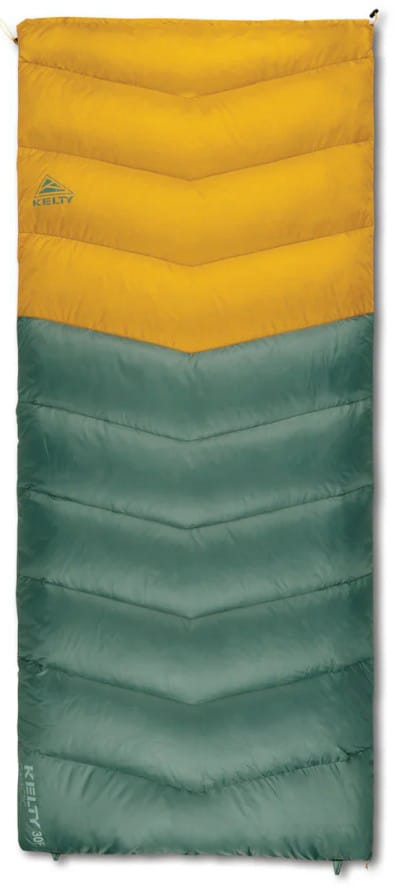 | 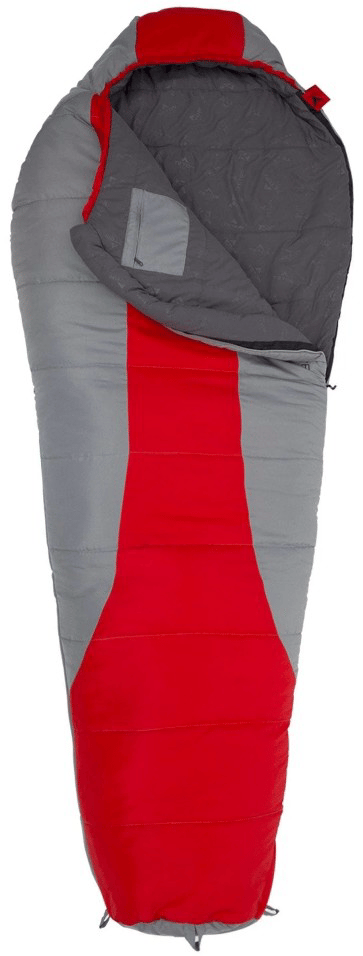 VS | |
| Fill Type | 550-fill duck down | PolarLite synthetic |
| Weight | 46.4 oz | 65 oz |
| Size | 76 in long | 87 × 34 × 22 in |
| Shell Material | 50D polyester taffeta | Diamond ripstop |
| Compression Sack | Included; 15 × 7.5 in | Included |
| Warranty | Limited lifetime | Limited lifetime |
| Lining Material | 50D polyester taffeta | Brushed polyester |
| Baffle Construction | Not specified | Double-layer construction |
| Color | Duck Green/Olive Oil | Red/Grey & Green |
| Draft Tubes | Zipper draft tube | Full-length zipper draft tube |
| Fill Power | 550 fill | Not applicable - synthetic fill |
| Foot Box | Rectangular | 22 in mummy footbox |
| Kelty Galactic 30 | TETON Sports Tracker 5°F Mummy |
|---|---|
| |
| Fill Type | |
550-fill duck down | PolarLite synthetic |
| Weight | |
46.4 oz | 65 oz |
| Size | |
76 in long | 87 × 34 × 22 in |
| Shell Material | |
50D polyester taffeta | Diamond ripstop |
| Compression Sack | |
Included; 15 × 7.5 in | Included |
| Warranty | |
Limited lifetime | Limited lifetime |
| Lining Material | |
50D polyester taffeta | Brushed polyester |
| Baffle Construction | |
Not specified | Double-layer construction |
| Color | |
Duck Green/Olive Oil | Red/Grey & Green |
| Draft Tubes | |
Zipper draft tube | Full-length zipper draft tube |
| Fill Power | |
550 fill | Not applicable - synthetic fill |
| Foot Box | |
Rectangular | 22 in mummy footbox |
Comfort
Galactic 30
Tracker 5°F Mummy
Comfort is critical for a restful night outdoors, especially on multi-day trips where sleep quality directly impacts your energy. Both bags score highly here, with the Galactic 30 praised for its roomy interior and the Tracker 5°F noted for its cozy, spacious foot box and three-piece hood that contours to your face. The Galactic 30’s comfort is backed by frequent mentions of its size and overall feel, while the Tracker 5°F’s comfort stems from its soft, non-stick lining and thoughtful design features. Given the near-identical ratings and the subjective nature of comfort, this category is a tie, with each bag catering to slightly different preferences.
Durability
Galactic 30
Tracker 5°F Mummy
Durability ensures your sleeping bag lasts through multiple seasons and rough conditions. The Galactic 30’s 50D polyester taffeta shell and duck down fill are frequently commended for their resilience, with buyers highlighting its outdoor suitability. The Tracker 5°F counters with a diamond ripstop shell and synthetic PolarLite fill, praised for being tear-resistant, water-resistant, and backed by a limited lifetime warranty. Both bags demonstrate strong durability, with the Galactic 30 edging slightly higher in buyer feedback volume but the Tracker 5°F offering specific material advantages. Ultimately, the difference is negligible, making this a tie.
Warmth
Galactic 30
Tracker 5°F Mummy
Warmth is the most critical factor for cold-weather camping, and here the Tracker 5°F clearly outshines the Galactic 30. The Tracker is rated for 5°F and features multiple layers of insulation, a full-length zipper draft tube, and a contoured hood to lock in heat. Buyers consistently report it keeps them warm in cooler conditions, making it ideal for three-season use. The Galactic 30, while comfortable, struggles in colder temperatures, with mixed feedback on its ability to retain heat. For campers prioritizing warmth, the Tracker 5°F is the superior choice.
Packability
Galactic 30
Tracker 5°F Mummy
Packability matters for backpackers and hikers who need to save space in their packs. The Galactic 30, with its lightweight 550-fill duck down and included compression sack, is easier to pack down tightly, though buyer feedback on this aspect is limited. The Tracker 5°F, while bulkier due to its synthetic fill and larger size, still receives positive notes for fitting nicely into its stuff sack and packing down relatively tight. However, the Galactic 30’s lighter weight and smaller packed size give it a clear edge for those who prioritize portability.
Ease Of Use
Galactic 30
Tracker 5°F Mummy
Ease of use can make or break your camping experience, especially in the dark or cold. The Tracker 5°F stands out here with its taped anti-snag zippers, which buyers find easy to close from inside or outside the bag. The Galactic 30, on the other hand, has a reputation for a zipper that tends to snag, which can be frustrating. While the Tracker’s ease of use is backed by limited but positive feedback, the Galactic 30’s lack of clear advantages in this area makes the Tracker the winner for hassle-free operation.
Versatility
Galactic 30
Tracker 5°F Mummy
Versatility determines how well a sleeping bag adapts to different conditions and activities. The Tracker 5°F is explicitly praised for three-season backpacking, with buyers noting its suitability for a range of temperatures and compatibility with TETON Sports backpacks. The Galactic 30, while comfortable and packable, lacks clear feedback on its versatility, leaving its adaptability in question. For campers who need a bag that performs across varied conditions, the Tracker 5°F is the more versatile option.
Trust & Transparency
- Data-driven rankings from real user reviews
- Affiliate partnerships don't influence our methodology
We may earn commission from links.
Conclusion & Final Verdict:
The TETON Sports Tracker 5°F Mummy is the better choice for cold-weather camping, thanks to its superior warmth, durability, and ease of use. Its full-length draft tube, double-layer construction, and spacious foot box make it ideal for three-season backpacking. However, it’s bulkier and heavier, which may deter ultralight hikers.
The Kelty Galactic 30 shines for mild-weather trips, offering a lighter, more packable design with a roomy interior. Its down fill and lower weight are perfect for backpackers prioritizing portability, though its warmth and zipper reliability lag behind the Tracker.
Verdict: Choose the Tracker 5°F for cold nights and versatility; opt for the Galactic 30 for mild conditions and lightweight packing.
Related Comparisons
Coleman Brazos 20°FvsTETON Sports Tracker 5°F Mummy
The Coleman Brazos 20°F excels in warmth and ease of use, while the TETON Sports Tracker 5°F Mummy offers better packability. Choose the Brazos for colder conditions and the Tracker for easier transport.
Coleman Kompact 30°F RectanglevsTETON Sports Tracker 5°F Mummy
The Coleman Kompact 30°F Rectangle sleeping bag offers superior comfort and versatility, making it ideal for indoor and outdoor use. The TETON Sports Tracker 5°F Mummy, while slightly less comfortable, excels in durability and is better suited for cooler conditions.
Kelty Galactic 30vsMarmot Trestles Elite Eco 20° Long
Marmot Trestles Elite Eco 20° Long wins for warmth and comfort; Kelty Galactic 30 is lighter and more durable but less warm.
Kelty Galactic 30vsREI Co-op Siesta Hooded 20 Sleeping Bag
Kelty Galactic 30 wins for comfort, durability, and warmth; REI Siesta Hooded 20 offers better versatility and ease of use. Choose Galactic for reliability, Siesta for flexibility.
Kelty Galactic 30vsSierra Designs Frontcountry Bed 20
The Kelty Galactic 30 offers superior durability and a lighter weight, while the Sierra Designs Frontcountry Bed 20 excels in packability and ease of use. Choose the Galactic 30 for rugged use and the Frontcountry Bed 20 for convenience and comfort.
Kelty Galactic 30vsTETON Sports Altos Down 0°F
Kelty Galactic 30 excels in comfort and roominess, while TETON Altos Down 0°F wins for warmth and packability. Choose Galactic for cozy sleep, Altos for cold-weather trips.