
Kelty Wireless 6 Tent vs Kelty Rumpus 6P Tent
Why You Can Trust Us
- Side-by-side analysis based on real user feedback
- Unbiased comparisons, not influenced by partnerships
- Updated as new data becomes available
We may earn from affiliate links at no extra cost to you.
| Kelty Wireless 6 Tent | Kelty Rumpus 6P Tent | |
|---|---|---|
 |  VS | |
| Dimensions | 117.5 × 106 × 74 in | 117.5 × 105 × 75.5 in |
| Base Area | 86.5 sq ft | 85.68 sq ft |
| Tent Weight | 18.13 lb | 17.38 lb |
| Number Of Doors | 2 | 2 |
| Pockets | 6 (2 nightlight pockets & 4 mesh pockets) | 4 internal storage pockets |
| Warranty | Limited Lifetime | Limited Lifetime |
| Pole Material | Fiberglass | N/A |
| Number Of Vestibules | 2 | 1 |
| Mesh Coverage | No-See-Um Mesh | No-See-Um Mesh |
| Seam Taping | Fully taped seams | Full coverage rainfly |
| Freestanding | Yes | Yes |
| Setup Time | N/A | N/A |
| Size | 6-person | 6P |
| Kelty Wireless 6 Tent | Kelty Rumpus 6P Tent |
|---|---|
| |
| Dimensions | |
117.5 × 106 × 74 in | 117.5 × 105 × 75.5 in |
| Base Area | |
86.5 sq ft | 85.68 sq ft |
| Tent Weight | |
18.13 lb | 17.38 lb |
| Number Of Doors | |
2 | 2 |
| Pockets | |
6 (2 nightlight pockets & 4 mesh pockets) | 4 internal storage pockets |
| Warranty | |
Limited Lifetime | Limited Lifetime |
| Pole Material | |
Fiberglass | N/A |
| Number Of Vestibules | |
2 | 1 |
| Mesh Coverage | |
No-See-Um Mesh | No-See-Um Mesh |
| Seam Taping | |
Fully taped seams | Full coverage rainfly |
| Freestanding | |
Yes | Yes |
| Setup Time | |
N/A | N/A |
| Size | |
6-person | 6P |
Ease Of Setup
Kelty Wireless 6 Tent
Kelty Rumpus 6P Tent
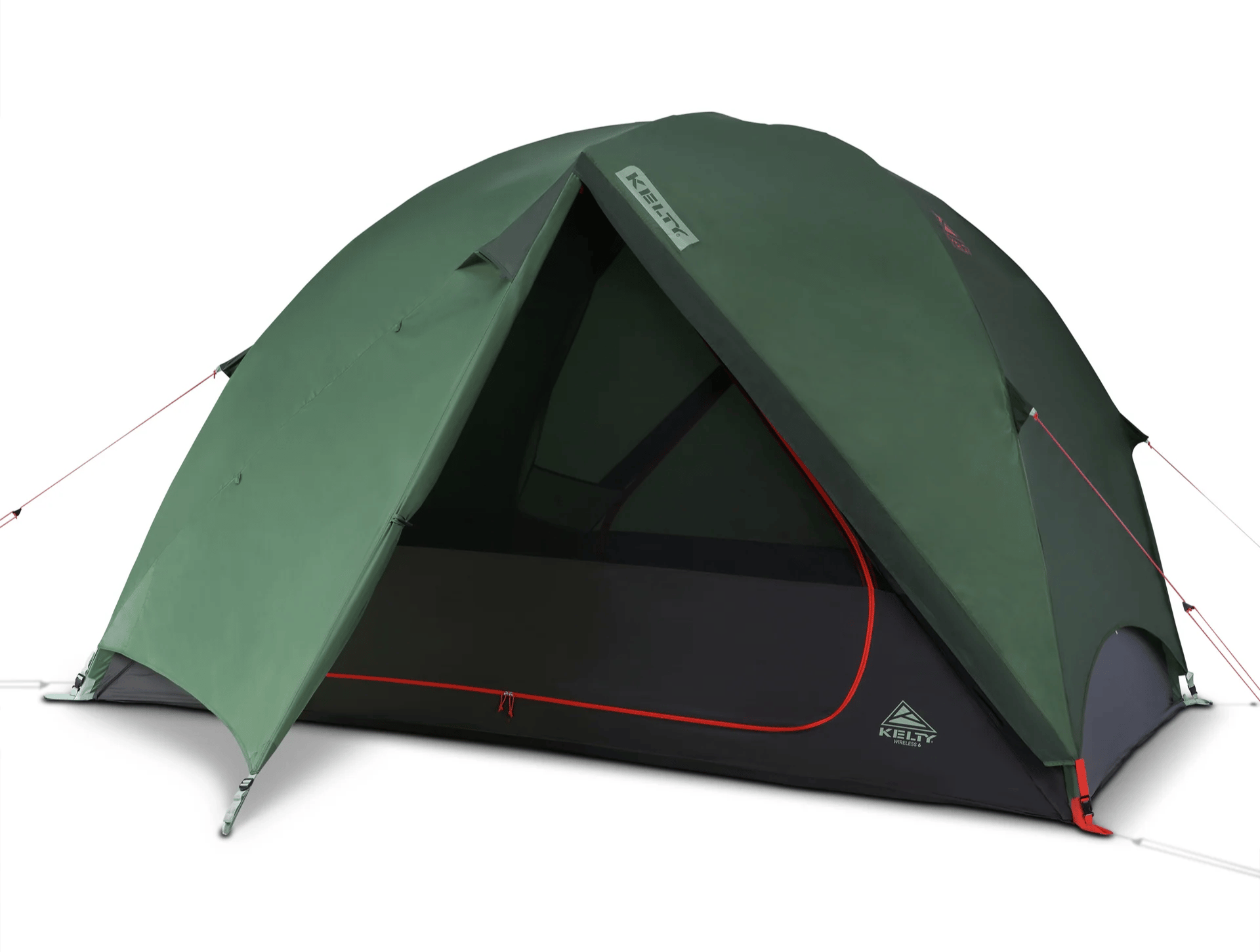
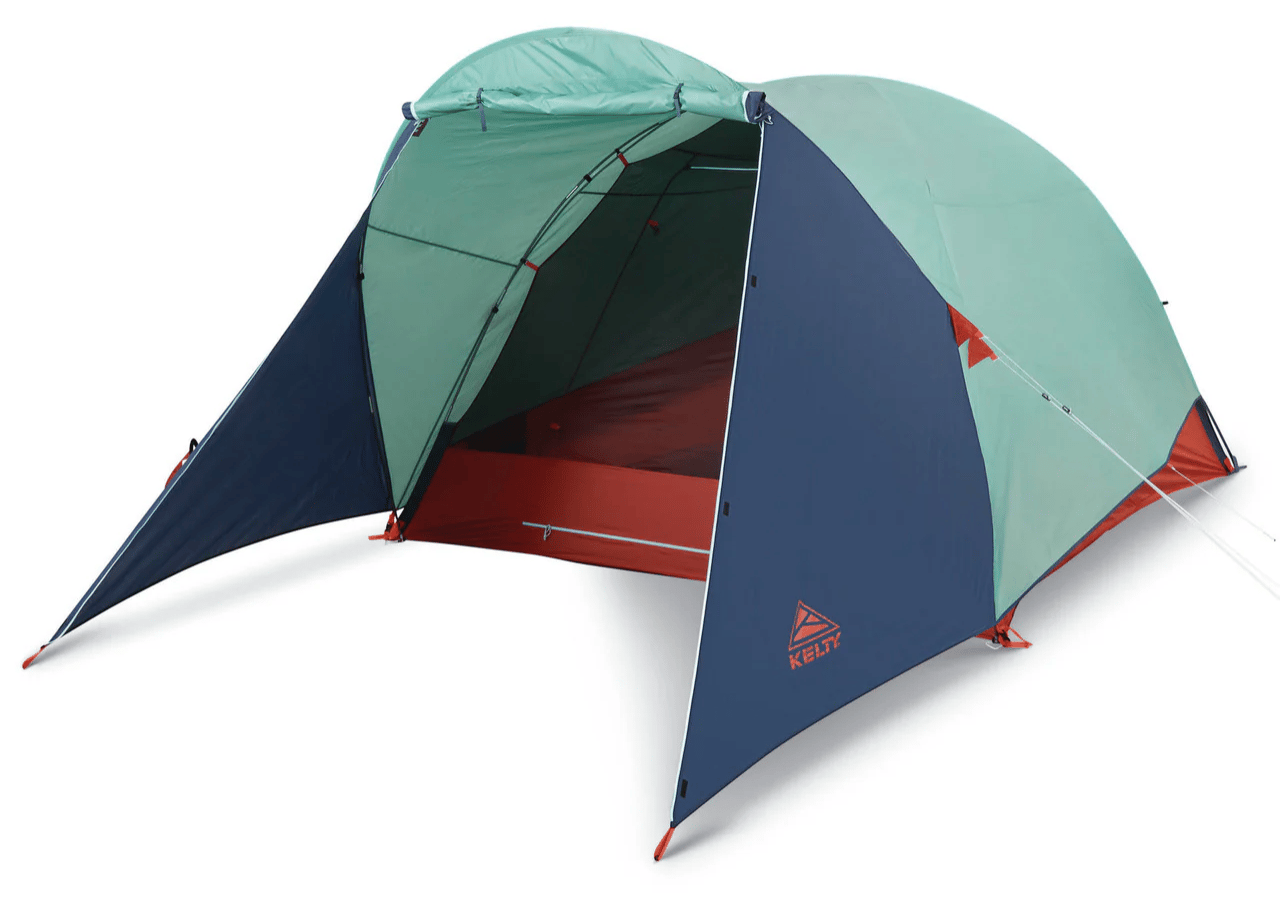
For group camping, a quick and intuitive setup process is essential to minimize stress after a long drive or hike. Both the Kelty Wireless 6 and the Rumpus 6P excel in this area, utilizing Kelty's signature Quick Corners and color-coded components to streamline assembly. Users consistently praise both models for being straightforward and hassle-free, with the Rumpus 6P earning a slight edge in user sentiment for its super simple pole pockets and shark mouth bag design. While the Wireless 6 is noted for its fast takedown and easy packing, the Rumpus 6P's specific instructions for sliding poles and clipping the canopy feel slightly more foolproof to many campers. Ultimately, both tents are excellent choices for those who want to spend less time pitching and more time enjoying the outdoors.
Weather Protection
Kelty Wireless 6 Tent
Kelty Rumpus 6P Tent
Reliable weather protection is critical for keeping a group dry and safe during unexpected storms, making the quality of the rain fly and seam sealing a top priority. The Kelty Wireless 6 is the clear leader here, featuring fully taped seams, a DWR finish, and a waterproof rain fly that users confirm handles downpours and wind effectively. In contrast, while the Rumpus 6P offers a full-coverage rain fly and good resistance to light rain, several users have reported leaks and waterproofing failures during heavy weather. The Wireless 6's robust construction ensures you stay dry in harsh conditions, whereas the Rumpus 6P may require additional seam sealing or caution in severe storms. For campers who prioritize staying dry above all else, the Wireless 6 is the significantly safer bet.
Comfort
Kelty Wireless 6 Tent
Kelty Rumpus 6P Tent
Comfort in a six-person tent is defined by interior volume, ventilation, and features that enhance livability for families and groups. Both models offer spacious interiors with excellent ventilation through no-see-um mesh canopies, ensuring a cool and cozy environment even on warm nights. The Wireless 6 distinguishes itself with large doors, nightlight pockets, and a design that feels particularly airy, while the Rumpus 6P offers a massive main living quarters and a wilderness porch that serves as a versatile space for kids, pets, and gear. Although the Rumpus 6P is slightly taller at the peak, the Wireless 6's layout and door size make it feel incredibly comfortable for six people. Both tents provide a high level of comfort, making the choice largely dependent on whether you prefer the Wireless 6's door access or the Rumpus 6P's porch space.
Durability
Kelty Wireless 6 Tent
Kelty Rumpus 6P Tent
Long-term durability determines whether a tent will survive multiple seasons of use or require early replacement due to wear and tear. The Kelty Wireless 6 generally holds up better, with users praising its robust 68D polyester fabric and sturdy construction, though some reports of pole breakage and fabric tearing do exist. The Rumpus 6P faces more significant scrutiny, with a notably lower durability rating driven by frequent complaints about fiberglass pole failures and material tears that affect its longevity. While both tents use similar polyester materials, the Wireless 6's overall build quality appears more resilient to the rigors of regular camping. Buyers looking for a tent that will last several seasons should lean toward the Wireless 6, as the Rumpus 6P shows more signs of fragility over time.
Storage
Kelty Wireless 6 Tent
Kelty Rumpus 6P Tent
Ample storage is vital for organizing gear, keeping the sleeping area clutter-free, and protecting equipment from the elements. The Kelty Rumpus 6P takes the lead with massive front vestibules, a wilderness porch, and an abundance of internal pockets, offering superior space for storing backpacks, boots, and camping essentials. The Wireless 6 provides two vestibules and multiple pockets, including convenient nightlight pockets, which are sufficient for most needs but lack the sheer volume of the Rumpus 6P. Users of the Rumpus 6P frequently highlight the 'look at all these pockets' aspect and the ability to store gear in the large porch area, making it ideal for families with lots of equipment. If maximizing storage space is your primary goal, the Rumpus 6P offers a distinct advantage over the Wireless 6.
Stability
Kelty Wireless 6 Tent
Kelty Rumpus 6P Tent
Stability ensures the tent remains secure and upright in windy conditions, preventing collapse or damage to the structure. The Kelty Rumpus 6P demonstrates better stability with its freestanding structure, pre-attached guy lines, and nine guy-out points that allow for a tight, secure pitch. The Wireless 6, while freestanding with three wrapped fiberglass poles, has fewer mentions regarding wind resistance and may feel less sturdy in very windy conditions compared to its counterpart. The Rumpus 6P's design encourages proper staking and guy-out usage, providing a more reliable anchor against gusts. For campers who frequently encounter breezy sites or open terrain, the Rumpus 6P offers a more stable and secure experience.
Trust & Transparency
- Data-driven rankings from real user reviews
- Affiliate partnerships don't influence our methodology
We may earn commission from links.
Conclusion & Final Verdict:
The Kelty Wireless 6 is the superior choice for campers who prioritize staying dry and need a more durable shelter for repeated use. Its fully taped seams and robust construction make it the better option for unpredictable weather, despite having slightly less storage space. However, if your camping style involves fair-weather trips where maximizing gear storage and wind stability are more important, the Kelty Rumpus 6P offers a compelling alternative with its massive vestibules and lighter weight. Ultimately, for the best balance of weather protection and longevity, the Wireless 6 is the recommended pick.
Related Comparisons
Kelty Rumpus 6P TentvsColeman 8-Person Dark Room™ Skydome™ Camping Tent
The Kelty Rumpus 6P excels in setup speed, storage, and stability, while the Coleman 8-Person Dark Room Skydome offers superior light-blocking technology and weather resistance for a darker sleep.
Kelty Rumpus 6P TentvsColeman WeatherMaster® 6-Person Tent with Screen Room
The Kelty Rumpus 6P excels in setup speed and storage versatility, while the Coleman WeatherMaster offers superior durability and a dedicated screen room, though it struggles significantly in heavy rain.
Kelty Rumpus 6P TentvsSpringbar Traveler Tent
The Kelty Rumpus 6P offers quick setup and spacious comfort for families, while the Springbar Traveler delivers rugged, four-season durability with superior weather protection.
Kelty Rumpus 6P TentvsWenzel Pinyon 10-Person Cabin Tent
The Kelty Rumpus 6P offers rapid setup and superior organization for small families, while the Wenzel Pinyon 10-Person provides massive interior space for large groups, though with significant trade-offs in durability and ease of assembly.
Kelty Wireless 6 TentvsColeman 8-Person Dark Room™ Skydome™ Camping Tent
The Kelty Wireless 6 offers superior setup ease, weather protection, and durability compared to the Coleman 8-Person Dark Room Skydome, which excels in light-blocking technology but struggles with long-term reliability.
Kelty Wireless 6 TentvsColeman WeatherMaster® 6-Person Tent with Screen Room
The Kelty Wireless 6 excels in weather protection and setup speed, while the Coleman WeatherMaster offers superior durability and a unique screened porch, though it struggles in heavy rain.