
LINE Pandora 92 vs Head Pure Joy
Why You Can Trust Us
- Side-by-side analysis based on real user feedback
- Unbiased comparisons, not influenced by partnerships
- Updated as new data becomes available
We may earn from affiliate links at no extra cost to you.
| Pandora 92 | Pure Joy | |
|---|---|---|
 | 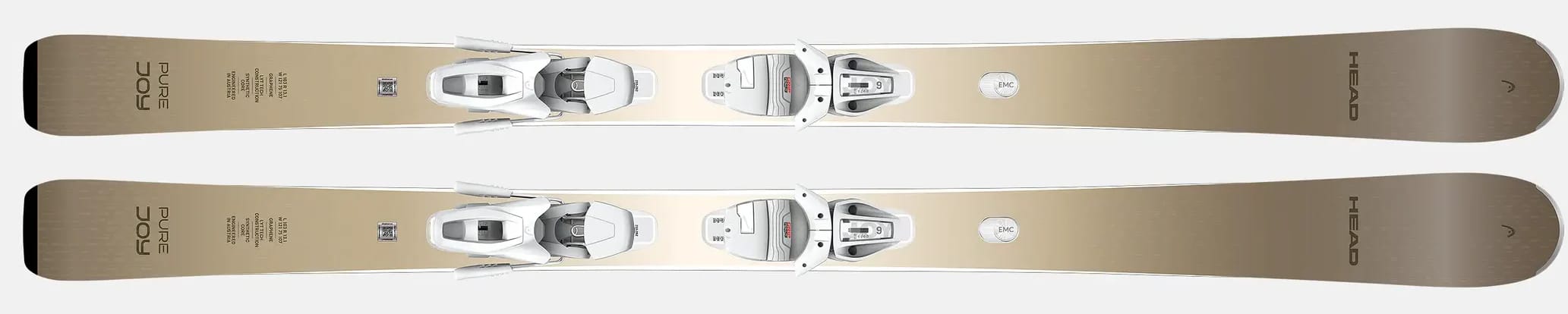 VS | |
| Waist Width | 92 mm | 75 mm |
| Turn Radius | 13 m average at 161 cm (5Cut multi-radius) | 13.1 m at 163 cm (9.6 m at 143 cm) |
| Rocker Profile | Early Rise tip and tail, camber underfoot | Allride Rocker: 20% tip rocker, 80% camber |
| Included Binding | Flat (no binding included) | Head Joy 9 GW SLR |
| Weight | About 3.6 lb per ski (SkiEssentials test) | 3.8 lb at 143 cm (Head figure) |
| Length Range | 147, 154, 161, 168, 175, 182 cm | 143, 148, 153, 158, 163 cm |
| Warranty | 2 Years (LINE limited) | 2 Years (Head US terms) |
| Sidecut | 125-92-115 mm | 121-75-107 mm (143 cm) |
| Core Material | Not specified by LINE | Not specified by Head |
| Construction | Capwall (sidewall underfoot, cap tip and tail) | LYT Tech with Graphene, EMC damping (retailer) |
| Ability Level | Beginner to advanced (LINE) | Beginner to advanced (Head) |
| LINE Pandora 92 | Head Pure Joy |
|---|---|
| |
| Waist Width | |
92 mm | 75 mm |
| Turn Radius | |
13 m average at 161 cm (5Cut multi-radius) | 13.1 m at 163 cm (9.6 m at 143 cm) |
| Rocker Profile | |
Early Rise tip and tail, camber underfoot | Allride Rocker: 20% tip rocker, 80% camber |
| Included Binding | |
Flat (no binding included) | Head Joy 9 GW SLR |
| Weight | |
About 3.6 lb per ski (SkiEssentials test) | 3.8 lb at 143 cm (Head figure) |
| Length Range | |
147, 154, 161, 168, 175, 182 cm | 143, 148, 153, 158, 163 cm |
| Warranty | |
2 Years (LINE limited) | 2 Years (Head US terms) |
| Sidecut | |
125-92-115 mm | 121-75-107 mm (143 cm) |
| Core Material | |
Not specified by LINE | Not specified by Head |
| Construction | |
Capwall (sidewall underfoot, cap tip and tail) | LYT Tech with Graphene, EMC damping (retailer) |
| Ability Level | |
Beginner to advanced (LINE) | Beginner to advanced (Head) |
Stability
Pandora 92
Pure Joy
Stability matters for beginners because a ski that stays steady through turns builds confidence and makes speed easier to manage. Buyers describe the Pandora 92 as sturdy underfoot and stable off-piste, with its wider platform helping it feel planted in softer snow. Some feedback notes that the lighter tips and tails lack the strength to power through rough terrain or charge hard, so it is not an aggressive ride. The Pure Joy earns praise for a steady, predictable flex that stays consistent from turn to turn, and its graphene layer adds stiffness and responsiveness without much extra weight. Owners also expect these skis to last a good while, which helps avoid early replacement. Both skis score almost identically here, so the choice depends on whether you want underfoot sturdiness and wider-snow stability or a consistent, predictable flex that stays calm on groomed runs.
Forgiveness
Pandora 92
Pure Joy
Forgiveness is important for learners because it determines how well a ski recovers when balance slips or timing is off. Buyers say the Pandora 92 is not overly demanding and will assist rather than overpower a developing skier, which makes it easy to learn on without feeling punished. The Pure Joy gets credit for a friendly rocker release and a tail that will not grab or yank after a mistake, giving skiers more time to react and recover. Its tail also lets the skier decide where a turn ends, which adds confidence early on. Feedback on both skis is encouraging but still fairly limited, so the scores sit close together. In practice, the Pandora 92 suits those who want a lively ski that rewards effort, while the Pure Joy is the more cushioned option for someone who wants a near-automatic recovery when things go wrong.
Ease Of Use
Pandora 92
Pure Joy
Ease of use is where buyers most clearly favor the Pandora 92, which is described as extremely agile and easy to move from one turn to the next. Owners mention that it shifts between turns with confidence, feels light and nimble, and pops in and out of turns quickly without a lot of effort. Many say it feels shorter than its length suggests, which helps less confident skiers feel in control. The Pure Joy is also easy to turn and initiate, thanks to its tip rocker, and its binding's automatic toe-height adjustment makes stepping in simple when switching between boots. However, the Pure Joy's praise is more modest and comes from a smaller set of feedback points. For a beginner who wants turns to feel effortless from the start, the Pandora 92 is the stronger choice.
Edge Grip
Pandora 92
Pure Joy
Edge grip determines how confidently a ski holds on firm snow, ice, and groomed runs, which is a common challenge for new skiers. Buyers say the Pandora 92 has solid edge hold on groomers and ice, and its full sidewall and thick sidewalls help transfer power to the edge. At the same time, it is decent rather than powerful on firm carving and is not the pick for very hard days, and some owners would like more directness from input to edge. The Pure Joy's 75 mm waist balances the ski without sacrificing edge grip or torsional stiffness, so it holds an edge reasonably well. Feedback on the Pure Joy's grip is limited, so the evidence is thinner. Both skis land at the same score, meaning neither is a standout on hardpack. If carving precision is your priority, the Pandora 92 has more buyer-backed grip on groomers, but the Pure Joy is a reasonable option for mellow runs.
Smoothness
Pandora 92
Pure Joy
Smoothness affects how calm and predictable a ski feels as it moves through the snow, especially as speed increases. Buyers say the Pandora 92 has a progressive, gradual bend from its longer hip rocker and multi-radius design, which keeps the ride easy to read. Some owners describe it as a bit flat and drifty, which can feel smeary in certain conditions. The Pure Joy receives the most caution here, since some buyers report that chatter increases as speed builds, meaning the ride is calmest at an easygoing pace. Its consistent flex helps at beginner speeds, but skiers who push harder on firm runs may find it less settled. For learners who plan to progress quickly and ski faster, the Pandora 92 offers the more composed and progressive feel.
Versatility
Pandora 92
Pure Joy
Versatility is central to a first ski because most beginners will quickly move from gentle runs to variable snow, softer conditions, and eventually the park. Buyers describe the Pandora 92 as a well-rounded all-mountain option that is happier in softer snow and variable terrain while still performing on cruisy blue and red runs. Owners also mention its twin-tip freestyle application, tail splay and tail rocker for switch takeoffs, landings, and park jumps and rails, which makes it a broad tool for many styles. Its main limit is on very firm groomer days, where it is not the top pick. The Pure Joy is also rated as handling everything solidly across conditions and suiting blues and some blacks, making it a good match for intermediate progression. Overall, the Pandora 92 has the stronger buyer case for covering the widest range of terrain and styles.
Trust & Transparency
- Data-driven rankings from real user reviews
- Affiliate partnerships don't influence our methodology
We may earn commission from links.
Conclusion & Final Verdict:
Pick the LINE Pandora 92 if you want a light, agile ski that makes turns feel easy and can handle groomers, soft snow, and park days as you progress. It earns the stronger buyer case for ease of use, smoothness, and versatility.
Pick the Head Pure Joy if you want a forgiving, predictable ski with a binding included and expect to ski mostly at an easygoing pace on blues. Its rocker tip and steady flex make recovery simple, but expect more chatter as speed builds.
Related Comparisons
K2 Blur 79vsHead Pure Joy
The K2 Blur 79 suits skiers who want a supportive, smooth, all-terrain ski that carves well and handles slush, though it is not a powder ski. The Head Pure Joy is the better beginner choice for those who want a forgiving tail, easy turn starts and room to grow into blues and some blacks, as long as they keep the pace easy.
K2 Blur 79vsLINE Pandora 92
The K2 Blur 79 is the steadier, smoother choice for developing skiers who mostly cruise all-terrain and slushy snow, while the LINE Pandora 92 is the more agile, versatile ski for those who want to play in softer snow and the park. Pick the Blur 79 for composed, damped confidence and the Pandora 92 for easy turn-to-turn fun and wider range.
Nordica Steadfast 80 DCvsHead Pure Joy
The Nordica Steadfast 80 DC is the easier and more confident ride for beginners who want a friendly front-side feel, strong edge hold, and smooth cruising. The Head Pure Joy suits learners who expect to progress onto blues and some blacks, with a forgiving tail and more room to grow, though it chatters more as speed increases.
Nordica Steadfast 80 DCvsLINE Pandora 92
The Steadfast 80 DC is the more forgiving, edge-holding choice for skiers who spend time on groomers and want a planted front-side feel, while the Pandora 92 is the lighter, more agile all-rounder for softer snow and park use. Choose the Nordica for confident carving and the LINE for playful, quick turns.
Rossignol Arcade 84vsHead Pure Joy
Head Pure Joy is the better choice for beginners who want forgiving turns and a ski that can grow with them, while Rossignol Arcade 84 suits stronger skiers who want a smoother, more powerful ride with excellent edge grip.
Rossignol Arcade 84vsLINE Pandora 92
The Rossignol Arcade 84 is the smoother, firmer-edged ski for confident skiers who want a quiet, composed carver, while the LINE Pandora 92 is the lighter, easier choice for beginners and anyone who wants a playful all-mountain ski.