
LINE Pandora 99 vs Rossignol Sender 100
Why You Can Trust Us
- Side-by-side analysis based on real user feedback
- Unbiased comparisons, not influenced by partnerships
- Updated as new data becomes available
We may earn from affiliate links at no extra cost to you.
| Pandora 99 | Sender 100 | |
|---|---|---|
 | 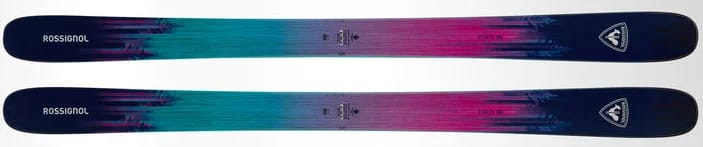 VS | |
| Waist Width | 99 mm | 100 mm (99-101 mm across lengths) |
| Turn Radius | 18 m at 177 cm (5CUT multi-radius sidecut) | 18 m at 178 cm |
| Rocker Profile | Rocker-camber-rocker (11 mm tip rise, 2 mm camber, 6 mm tail rise) | Twin Rocker (tip and tail rocker, camber underfoot) |
| Metal Layers | No metal | No metal |
| Length Range | 149-184 cm | 162-190 cm |
| Weight | 4.3 lb per ski at 177 cm | 4.2 lb per ski at 178 cm |
| Warranty | N/A | N/A |
| Sidecut Dimensions | 130-99-120 mm | 131-100-123 mm |
| Core Material | Aspen veneer wood core | PEFC Poplar wood |
| Sidewall | Capwall (Thick-Cut Sidewall) | Rectangular full sidewall |
| LINE Pandora 99 | Rossignol Sender 100 |
|---|---|
| |
| Waist Width | |
99 mm | 100 mm (99-101 mm across lengths) |
| Turn Radius | |
18 m at 177 cm (5CUT multi-radius sidecut) | 18 m at 178 cm |
| Rocker Profile | |
Rocker-camber-rocker (11 mm tip rise, 2 mm camber, 6 mm tail rise) | Twin Rocker (tip and tail rocker, camber underfoot) |
| Metal Layers | |
No metal | No metal |
| Length Range | |
149-184 cm | 162-190 cm |
| Weight | |
4.3 lb per ski at 177 cm | 4.2 lb per ski at 178 cm |
| Warranty | |
N/A | N/A |
| Sidecut Dimensions | |
130-99-120 mm | 131-100-123 mm |
| Core Material | |
Aspen veneer wood core | PEFC Poplar wood |
| Sidewall | |
Capwall (Thick-Cut Sidewall) | Rectangular full sidewall |
Stability
Pandora 99
Sender 100
Stability matters in this group because an all-mountain ski has to stay calm in crud, chopped snow, and fast runs rather than chattering or wobbling. The Sender 100 is the stronger performer here, with buyers describing it as stable in crud, very smooth at speed, and resistant to folding when skied hard. Its stiff flex underfoot and wood core add damping, and it still feels solid despite its lighter build. The main caveat is that its tips may deflect at very high speeds. The Pandora 99 is no slouch, with thicker sidewalls that add dampness and a sturdy feel underfoot, and testers said it came alive at speed and felt in control on steeper terrain. Still, feedback notes it lacks the higher-end stability at speed that the Sender offers. For aggressive skiers who push pace, the Sender is the safer choice, while for mixed terrain at moderate speeds the gap is much smaller.
Edge Grip
Pandora 99
Sender 100
Edge grip determines how confidently a ski holds on groomers, firm snow, and ice, so it matters for anyone who likes to carve. The Sender 100 is clearly stronger, with buyers describing locked-in, rock-solid hold on ice, quiet grip on firm snow, and carving that comes close to a dedicated carving ski. Its edge engagement also rewards high-speed carves without releasing or chattering. The Pandora 99 does set an edge better than many expect, and its thicker underfoot sidewalls give extra support when the ski is leaned onto its edge. However, both skis have no metal layers, and the Pandora's longer effective edge and early taper mean it carves with less precision on groomers. For buyers who spend a lot of time on firm corduroy, the Sender is the better tool, while the Pandora is adequate for carving but not its strength.
Maneuverability
Pandora 99
Sender 100
Maneuverability is central to this category because tight trees, bumps, and quick direction changes are where all-mountain skis get tested most. Both skis earn strong praise here, which is why this category is a tie. The Pandora 99 is described as incredibly mobile and easy to throw sideways, with cap construction at the tips and tails, a light swing weight, and a lively feel that makes it easy to smear, drift, pop, and jib over small bumps. The Sender 100 is equally agile in its own way, with buyers saying it hops turns on a dime, pivots easily in moguls, slips through trees, and releases very easily from turns. It also weighs noticeably less than many comparable skis, which adds to its snap. One shared caveat is that the Sender can struggle with shorter swing turns. Buyers who want a looser, more playful ski will lean toward the Pandora, while those who want precise, quick-snapping turns will like the Sender.
Forgiveness
Pandora 99
Sender 100
Forgiveness matters for buyers who want a ski that does not punish mistakes, especially when landings are imperfect or turns go wrong. The Sender 100 earns the stronger reputation here, with buyers saying it stays stable through landing errors, and its tapered tip and tail add playfulness and forgiveness that help riders recover from awkward situations. Feedback also notes it is not cumbersome with the tail behind you. The Pandora 99 is accessible at lower speeds and is easy and fun to use in the trees, which makes it friendly for newer or intermediate riders. Some buyers, though, mention that it took a lap or two to get comfortable with its lively feel. Overall, the Sender offers more safety margin for varied terrain, while the Pandora is easier to enjoy right away at moderate speeds.
Powder Performance
Pandora 99
Sender 100
Powder performance matters for skiers who regularly chase fresh snow, soft bumps, and off-trail lines. The Pandora 99 is the clear choice in this category, with buyers calling it a great floater thanks to the rocker splay at the tip and tail, which gives it flotation in soft snow. It is also praised for handling off-trail and tree skiing with that same rocker profile, and its softer tips help it feel light in deep snow. The Sender 100 floats through a few inches of fresh powder and earns positive feedback, but the number of comments on its powder behavior is smaller and its firmer build is aimed more at groomers and crud. For buyers who want a dedicated powder day option within an all-mountain ski, the Pandora is the better fit, while the Sender is a capable but less specialized float ski.
Versatility
Pandora 99
Sender 100
Versatility matters because most buyers want one ski that can handle the entire mountain, from groomers to the park to the trees. Both skis are strongly praised here, so this category is a tie. The Pandora 99 uses a twin-tip shape that suits freestyle and park use, blends all-mountain riding with freeride, and works for intermediates through experts. Buyers say it handles groomers well as a directional twin and is usable backwards and in switch. The Sender 100 is described as one of the most versatile all-mountain freestyle skis, with a balanced, symmetrical feel, strong performance in the park, and good switch skiing. Buyers say it works across the resort in many snow conditions, though its mount point is shifted in a way that trades some directional performance for park performance. Choose the Pandora for a freeride-leaning all-rounder, and the Sender for a more freestyle-friendly option that still carves and handles most conditions.
Trust & Transparency
- Data-driven rankings from real user reviews
- Affiliate partnerships don't influence our methodology
We may earn commission from links.
Conclusion & Final Verdict:
Pick the Sender 100 if you carve firm snow, ski fast, or want a ski that forgives mistakes and stays composed in crud. It is the more committed all-mountain ski and the stronger choice for buyers who want one ski to do a bit of everything with confidence.
Pick the Pandora 99 if you spend a lot of time in soft snow, bumps, and trees and want a looser, more playful ski. It floats better, feels lively from the first run, and is easy to enjoy at moderate speeds, though it is less stable and grippy on firm groomers.
Related Comparisons
LINE Pandora 99vsBlizzard Black Pearl 94
The LINE Pandora 99 is the more playful, agile choice for riders who want a twin-tip ski for tight trees, park laps and soft snow. The Blizzard Black Pearl 94 is the steadier pick for intermediate-to-advanced skiers who want composure at speed and confident carving on firm snow.
LINE Pandora 99vsElan Ripstick 96 Black Edition
The Pandora 99 is the livelier, more playful twin tip that suits tree, bump, and park-minded skiers who want a versatile ski that floats well in soft snow. The Ripstick 96 Black Edition is the lighter, more damped choice for skiers who prioritize quick turn initiation and a more connected feel on groomers.
LINE Pandora 99vsNordica Santa Ana 92
The LINE Pandora 99 is the more playful, versatile choice for skiers who want quick turns in trees, soft snow, and park features, while the Nordica Santa Ana 92 offers a more planted, damped ride for advanced skiers who prioritize stability on firm and variable snow. Both score 4.2/5 overall, so the choice comes down to whether you value agility or composure more.
LINE Pandora 99vsStöckli Stormrider 88
The LINE Pandora 99 is the playful, float-friendly choice for skiers who want quick turns in trees, soft snow, and park features. The Stöckli Stormrider 88 is the firmer, quieter carver for buyers who spend most days on groomers and ice and want more forgiveness.
LINE Pandora 99vsVölkl M7 Mantra
The LINE Pandora 99 suits skiers who want a playful, agile twin-tip for trees, soft snow, and mixed terrain. The Völkl M7 Mantra is the better pick for strong skiers who prioritize firm-snow edge hold and stability at speed, though it is demanding for intermediates.
Nordica Enforcer 94vsLINE Pandora 99
The Enforcer 94 suits aggressive, speed-driven skiers who want damp, locked-in stability and strong edge grip on groomers and firm snow. The Pandora 99 is the better pick for playful skiers who prioritize agility, float in soft snow, and twin-tip versatility over high-speed composure.