
NEMO Dragonfly OSMO™ Ultralight Backpacking Tent vs Zpacks Plex Solo Tent
Why You Can Trust Us
- Side-by-side analysis based on real user feedback
- Unbiased comparisons, not influenced by partnerships
- Updated as new data becomes available
We may earn from affiliate links at no extra cost to you.
| Dragonfly OSMO™ Ultralight Backpacking Tent | Zpacks Plex Solo Tent | |
|---|---|---|
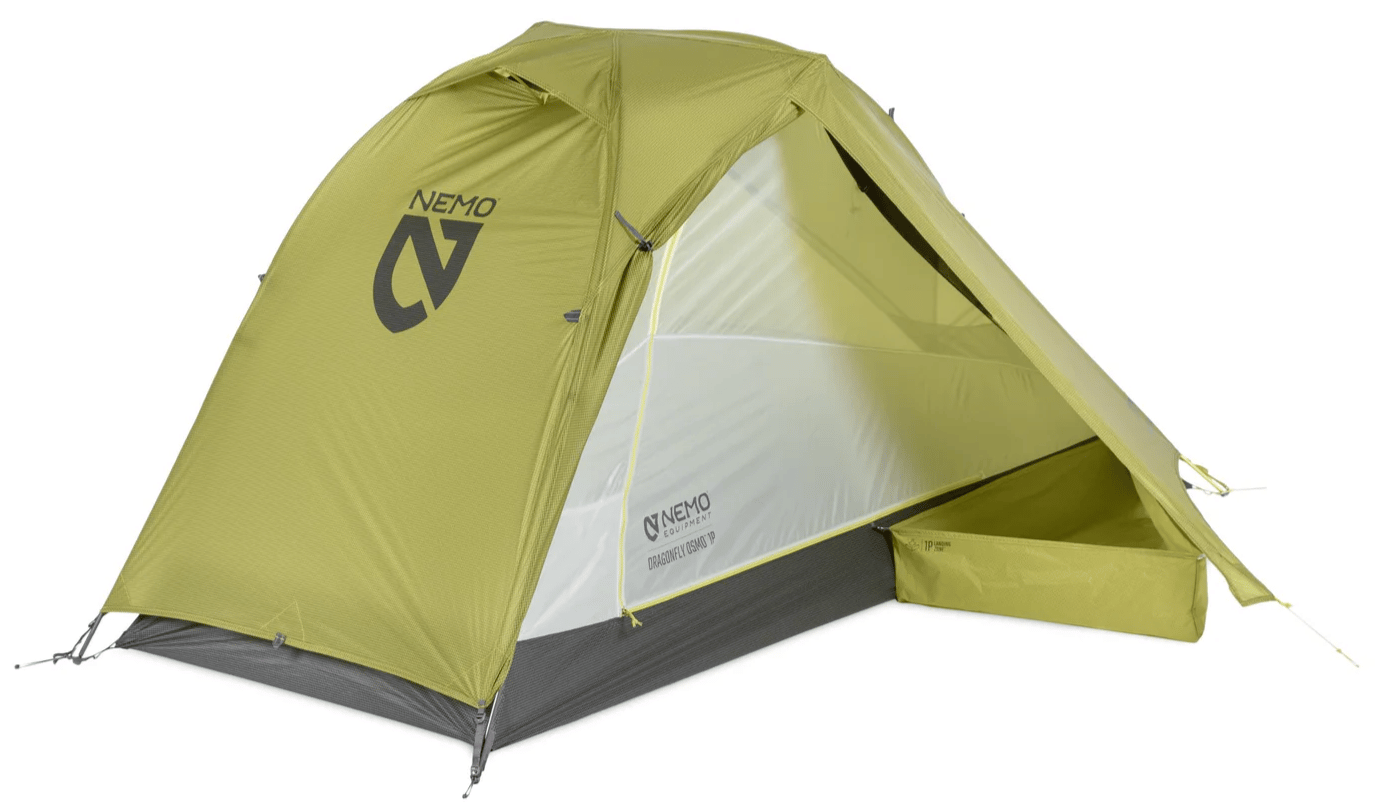 | 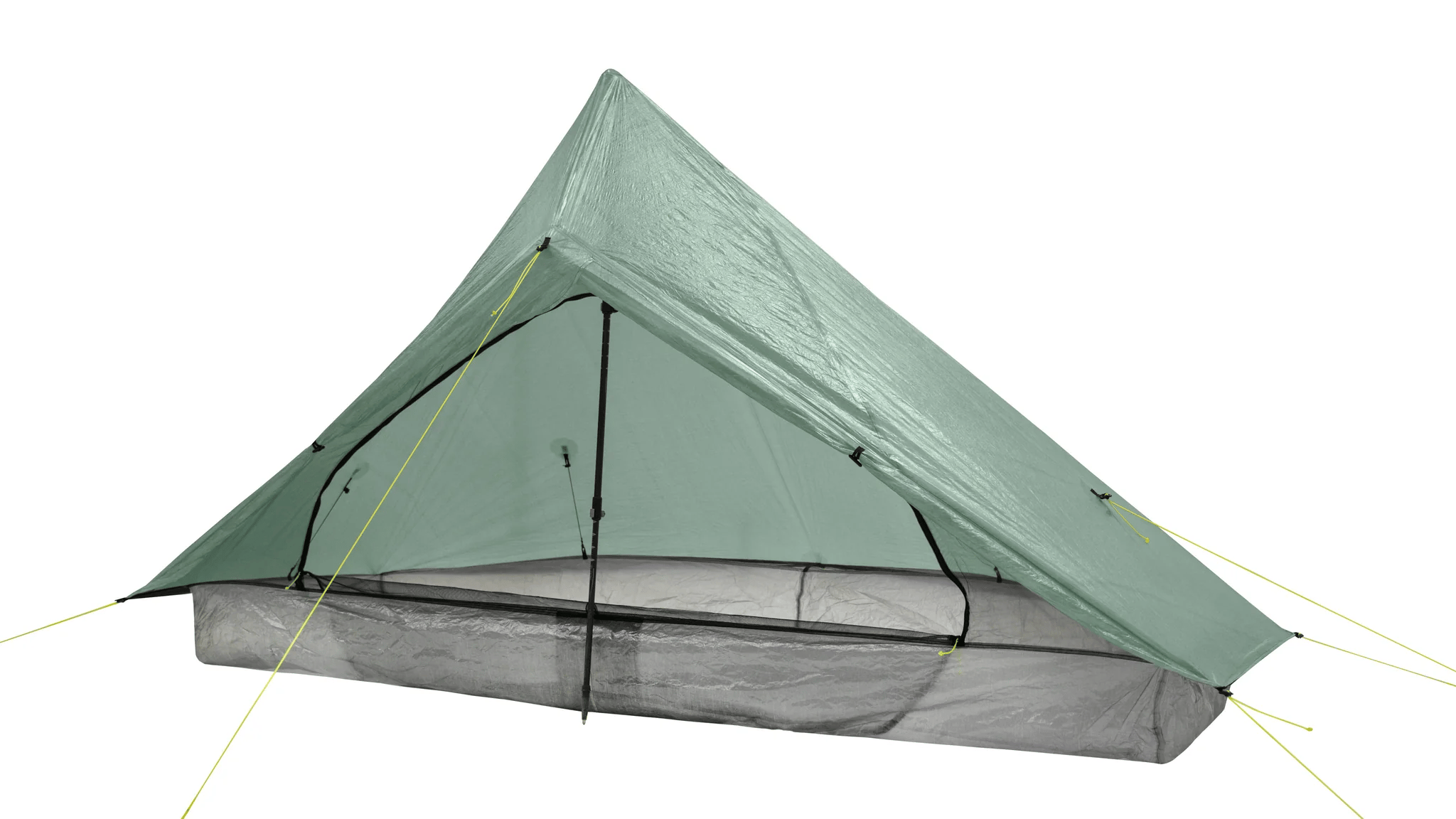 VS | |
| Weight | 2 lb 3 oz min; 2 lb 12 oz packed | 12.3 oz |
| Floor Area | 20.5 sq ft | 20.6 sq ft |
| Pole Material | DIAPOLE aluminum | Trekking Pole or Tent Pole |
| Number Of Doors | 1 | 1 |
| Number Of Vestibules | 1 | 1 |
| Warranty | Adventure Forever Guarantee | 2 Years |
| Bathtub Floor | N/A | N/A |
| Fabric Type | OSMO ripstop; 59.1 in | 0.55/0.75 oz DCF canopy; 0.75/1.0 oz floor |
| Packed Size | 19 × 5.5 × 3 in | 4 × 11 in; 138 cu in |
| Tent Capacity | 1-Person | 1 |
| Vestibule Area | 8.6 sq ft | 18.5 in depth; approx 4.5 sq ft |
| Zipper Type | N/A | #3 YKK rainbow zipper |
| Floor Space | 20.5 sq ft | 20.6 sq ft |
| NEMO Dragonfly OSMO™ Ultralight Backpacking Tent | Zpacks Plex Solo Tent |
|---|---|
| |
| Weight | |
2 lb 3 oz min; 2 lb 12 oz packed | 12.3 oz |
| Floor Area | |
20.5 sq ft | 20.6 sq ft |
| Pole Material | |
DIAPOLE aluminum | Trekking Pole or Tent Pole |
| Number Of Doors | |
1 | 1 |
| Number Of Vestibules | |
1 | 1 |
| Warranty | |
Adventure Forever Guarantee | 2 Years |
| Bathtub Floor | |
N/A | N/A |
| Fabric Type | |
OSMO ripstop; 59.1 in | 0.55/0.75 oz DCF canopy; 0.75/1.0 oz floor |
| Packed Size | |
19 × 5.5 × 3 in | 4 × 11 in; 138 cu in |
| Tent Capacity | |
1-Person | 1 |
| Vestibule Area | |
8.6 sq ft | 18.5 in depth; approx 4.5 sq ft |
| Zipper Type | |
N/A | #3 YKK rainbow zipper |
| Floor Space | |
20.5 sq ft | 20.6 sq ft |
Durability
Dragonfly OSMO™ Ultralight Backpacking Tent
Zpacks Plex Solo Tent
Durability in ultralight tents is always a balancing act between weight reduction and long-term resilience, since every ounce saved typically comes from thinner materials or simplified construction. For buyers, this means evaluating not just initial toughness but repairability, warranty coverage, and how fabric choices perform after seasons of use. The NEMO Dragonfly OSMO earns strong marks with its OSMO poly-nylon ripstop fabric, aluminum pole structure, and lifetime Adventure Forever Guarantee, though some users flag the ultralight zippers as a potential weak point. The Zpacks Plex Solo matches the same 4.4 rating with Dyneema composite fabric that resists stretching when wet and holds up well to abrasion, with buyers reporting 4+ years of heavy use; however, seam tape peeling is a noted concern, and Dyneema's susceptibility to puncture requires more careful site selection. Both are durable for their weight class, but the Dragonfly's warranty and more forgiving fabric may appeal to those who prioritize peace of mind, while the Plex Solo's Dyneema offers unique advantages in wet conditions where sag resistance matters.
Weather Performance
Dragonfly OSMO™ Ultralight Backpacking Tent
Zpacks Plex Solo Tent
Weather performance separates fair-weather shelters from true three-season workhorses, particularly in sustained rain, wind, and variable temperatures where fabric behavior and structural design become critical. A tent that handles poor conditions well keeps you safer, drier, and sleeping better when the forecast turns. The Dragonfly OSMO dominates this category with a 4.7 rating, driven by OSMO fabric that doesn't stretch or sag when wet, four times better water repellency through silicone and PEU coatings, and a true double-wall construction with bathtub floor and vents that manage condensation proactively. The Plex Solo's 3.7 rating reflects competent but more conditional performance: it sheds precipitation well and offers clever splash-back prevention through adjustable bathtub floor height, but as a single-wall shelter it is inherently more vulnerable to condensation buildup, and buyer feedback notes more mixed experiences in heavy, driving rain and hard-packed surfaces. For buyers in wet climates or those who push seasons into shoulder conditions, the Dragonfly's weather margin is substantial and meaningful.
Comfort
Dragonfly OSMO™ Ultralight Backpacking Tent
Zpacks Plex Solo Tent
Comfort in backpacking tents encompasses interior volume, headroom, storage, and the psychological ease of not feeling confined after long trail days. These factors compound over multi-day trips where recovery quality directly impacts performance. The Dragonfly OSMO excels with a 4.8 comfort rating, offering generous headroom from its cross-pole design, space for two average adults or a spacious solo experience, two large vestibules, and thoughtful details like loft pockets and cell phone storage. The 48-inch peak height allows most users to sit up fully. The Plex Solo's 4.2 rating is respectable for its category but more constrained: at 7.5 feet by 38 inches with a pointed profile, it accommodates organized gear storage and moderate headroom, but buyers explicitly warn that anyone over 5'10" should look elsewhere, and the single-wall design means managing condensation proximity to your sleep system. For extended trips or those who value wiggle room and gear organization, the Dragonfly's livability advantage is pronounced.
Ease Of Setup
Dragonfly OSMO™ Ultralight Backpacking Tent
Zpacks Plex Solo Tent
Setup speed and intuitiveness matter most when arriving exhausted, in darkness, or during deteriorating weather when fumbling with components increases frustration and exposure risk. Both tents score 4.1, but achieve this through very different mechanisms. The Dragonfly uses color-coded clips, hubbed DAC Featherlite poles, and freestanding architecture that allows pitching on platforms, rock, or sand without perfect staking; most users report under-five-minute setups, though fly clips can frustrate in mud or snow. The Plex Solo requires trekking pole support and tension-based pitching, which demands practice and proper stake placement; buyers describe a learning curve and initial tediousness repositioning corners, though experienced users achieve quick, taut pitches with refined technique. The Dragonfly's color-coded system is more immediately accessible, while the Plex Solo rewards investment with streamlined simplicity once mastered. For occasional users or those who value foolproof setup, the Dragonfly edges ahead; for dedicated practitioners, the Plex Solo becomes comparably efficient.
Ventilation
Dragonfly OSMO™ Ultralight Backpacking Tent
Zpacks Plex Solo Tent
Ventilation determines condensation management, which in turn affects sleep quality, dampness of gear, and morning pack-out efficiency. In single-wall versus double-wall comparisons, this category often reveals the most significant real-world usage differences. The Dragonfly OSMO's 4.2 ventilation rating leverages its double-wall advantage with no-see-um mesh sidewalls and strut vents that create active airflow between fly and body, keeping interior surfaces dry and breathable without user intervention. The Plex Solo's lower 3.4 rating reflects inherent single-wall limitations: condensation is a known trade-off, and while buyers mitigate this through strategic door positioning, rolled vestibules, and steeper wall geometry that sheds moisture faster, the tent fundamentally requires more active management. Some users report success with specific pitching techniques, but others note persistent airflow challenges. For humid climates, high-perspiration sleepers, or those who prefer passive condensation control, the Dragonfly's ventilation architecture provides meaningful practical superiority.
Bug Protection
Dragonfly OSMO™ Ultralight Backpacking Tent
Zpacks Plex Solo Tent
Bug protection in ultralight shelters must balance ventilation with complete insect exclusion, as even minor mesh failures or design gaps can ruin sleep in mosquito or black fly country. The Dragonfly OSMO's 4.1 rating is built on full no-see-um mesh sidewalls that provide comprehensive barrier protection while maintaining airflow, integrated into a design that separates living space from potential entry points at vestibules. The Plex Solo's 3.7 rating with thinner mention volume uses standard bug netting at 67 denier and connects bathtub floor to walls with mesh material, which is functionally adequate but less extensively integrated into the overall shelter system. For buyers in intense bug pressure environments, the Dragonfly's more comprehensive mesh integration and double-wall separation between entry and sleep zone offers more reliable protection, while the Plex Solo's simpler approach demands more careful door management to maintain barrier integrity.
Trust & Transparency
- Data-driven rankings from real user reviews
- Affiliate partnerships don't influence our methodology
We may earn commission from links.
Conclusion & Final Verdict:
Choose the NEMO Dragonfly OSMO™ if: you prioritize weather security, interior livability, and hassle-free condensation management; you backpack in variable or wet conditions; you value a lifetime warranty and don't mind carrying 20 additional ounces for substantially more comfort and protection.
Choose the Zpacks Plex Solo if: minimizing base weight is your absolute top priority; you're an experienced ultralight backpacker comfortable managing single-wall condensation trade-offs; you already use trekking poles and want the most compact, minimalist shelter possible for fair-to-moderate conditions.
Verdict: For most backpackers, the Dragonfly OSMO's dramatic advantages in weather performance, comfort, and ventilation justify its weight penalty. The Plex Solo is a specialized tool for dedicated ounce-counters willing to accept meaningful compromises in livability and moisture management.
Related Comparisons
NEMO Dragonfly OSMO™ Ultralight Backpacking TentvsMSR FreeLite™ 2-Person Ultralight Backpacking Tent
The NEMO Dragonfly OSMO™ delivers superior durability, weather protection, and comfort for demanding backpackers, while the MSR FreeLite™ 2 prioritizes ultralight weight and ventilation at the cost of ruggedness, making it better suited for careful solo hikers on milder trails.
NEMO Dragonfly OSMO™ Ultralight Backpacking TentvsMSR Hubba Hubba LT 2 Tent
The NEMO Dragonfly OSMO™ is lighter and more compact, ideal for solo backpackers prioritizing weight, while the MSR Hubba Hubba LT 2 offers more space and durability, better for two people or rough conditions.
NEMO Dragonfly OSMO™ Ultralight Backpacking TentvsSix Moon Designs Lunar Solo Tent
The NEMO Dragonfly OSMO™ offers superior durability and weather protection for demanding conditions, while the Six Moon Designs Lunar Solo wins on weight and solo space—choose the Dragonfly for reliability in storms, the Lunar Solo for minimalist ultralight efficiency.
NEMO Dragonfly OSMO™ Ultralight Backpacking TentvsTarpTent Arc Dome 2
The NEMO Dragonfly OSMO™ excels in lightweight durability, weather protection, and easy setup, making it the clear choice for most backpackers. The TarpTent Arc Dome 2 offers superior interior space and wind handling but is held back by a frustratingly complex pitch and weaker bug protection.
Zpacks Duplex TentvsZpacks Plex Solo Tent
The Zpacks Duplex Tent offers more space and better ventilation, ideal for two people, while the Zpacks Plex Solo Tent is lighter and easier to set up, perfect for solo backpackers.
Zpacks Plex Solo TentvsGossamer Gear The One
The Zpacks Plex Solo Tent is exceptionally lightweight and durable, ideal for long-distance backpackers, while The One by Gossamer Gear offers more space and comfort for those prioritizing interior room.