
Nike ACG Pegasus Trail vs Salomon Ultra Glide 4
Why You Can Trust Us
- Side-by-side analysis based on real user feedback
- Unbiased comparisons, not influenced by partnerships
- Updated as new data becomes available
We may earn from affiliate links at no extra cost to you.
| Nike ACG Pegasus Trail | Salomon Ultra Glide 4 | |
|---|---|---|
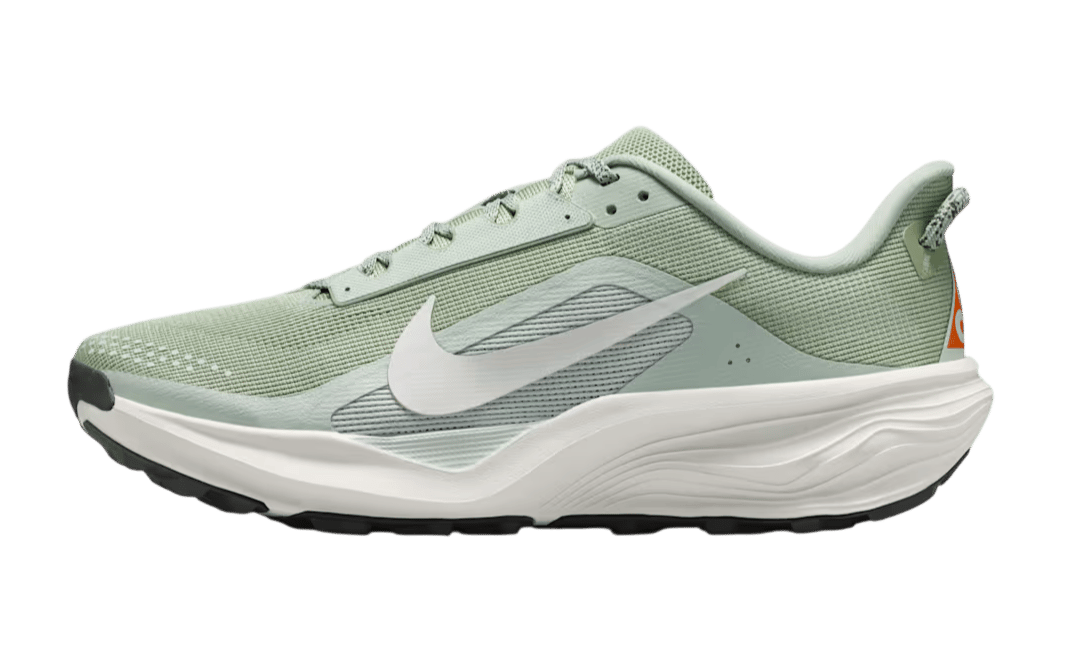 | 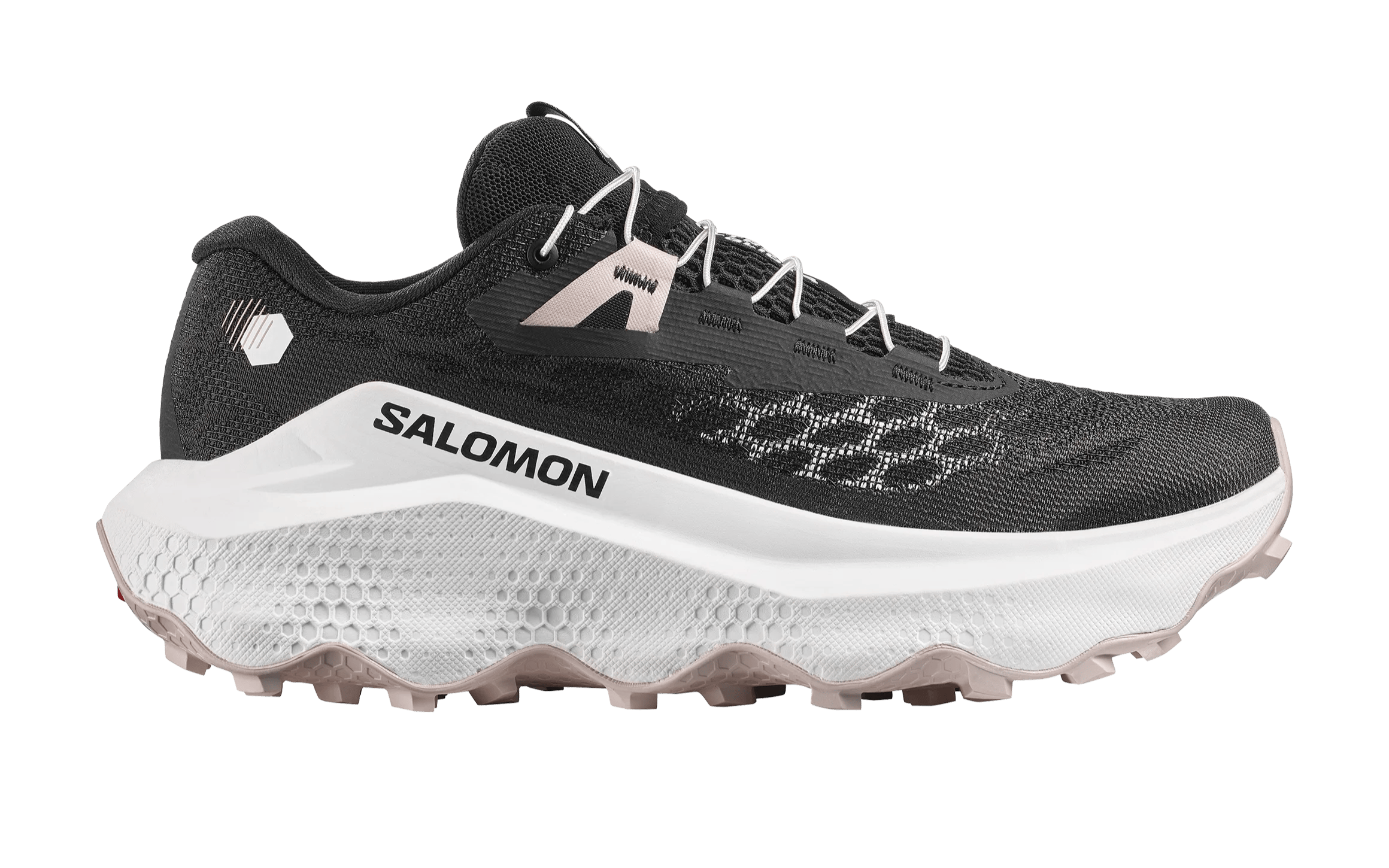 VS | |
| Drop | 0.31 in | 0.24 in |
| Midsole | ReactX foam | optiFOAM |
| Outsole | ATC 2.0 | Contagrip / 0.16 in |
| Weight | 10.8 oz | 9 oz |
| Dimensions | N/A | N/A |
| Warranty | 2 years | 2 years |
| Gusseted Tongue | Yes | EndoFit sleeve |
| Heel Offset | 0.31 in | 0.24 in |
| Lace System | Classic laces | Quicklace |
| Lacing System | Classic laces | Quicklace |
| Lug Pattern | ATC 2.0 lugs | 0.16 in lugs |
| Toe Bumper | Toe wrap | No |
| Upper Material | Lightweight mesh | Synthetic/textile mesh |
| Stack Height | Not disclosed by Nike | 1.6 in heel / 1.4 in forefoot |
| Nike ACG Pegasus Trail | Salomon Ultra Glide 4 |
|---|---|
| |
| Drop | |
0.31 in | 0.24 in |
| Midsole | |
ReactX foam | optiFOAM |
| Outsole | |
ATC 2.0 | Contagrip / 0.16 in |
| Weight | |
10.8 oz | 9 oz |
| Dimensions | |
N/A | N/A |
| Warranty | |
2 years | 2 years |
| Gusseted Tongue | |
Yes | EndoFit sleeve |
| Heel Offset | |
0.31 in | 0.24 in |
| Lace System | |
Classic laces | Quicklace |
| Lacing System | |
Classic laces | Quicklace |
| Lug Pattern | |
ATC 2.0 lugs | 0.16 in lugs |
| Toe Bumper | |
Toe wrap | No |
| Upper Material | |
Lightweight mesh | Synthetic/textile mesh |
| Stack Height | |
Not disclosed by Nike | 1.6 in heel / 1.4 in forefoot |
Comfort
Nike ACG Pegasus Trail
Salomon Ultra Glide 4
Comfort is crucial for trail running shoes, especially for long-distance use where foot fatigue can be a significant issue. Both the Nike ACG Pegasus Trail and the Salomon Ultra Glide 4 excel in this category, offering a comfortable fit and ample cushioning. The Nike ACG Pegasus Trail is praised for its toe box space, midfoot and heel lockdown, and smooth transitions, making it a reliable choice for those who need extra room and support. The Salomon Ultra Glide 4, however, is noted for its Optivibe midsole and padding in the gusseted tongue, ankle collar, and heel cup, providing a secure and comfortable fit straight out of the box. Both shoes are highly rated for comfort, making this category a tie.
Durability
Nike ACG Pegasus Trail
Salomon Ultra Glide 4
Durability is essential for trail running shoes as it ensures the shoes can withstand the wear and tear of rugged terrains over time. The Nike ACG Pegasus Trail shines in this category with its durable overlays, rubber toe bumper, and abrasion-resistant materials. Buyers have noted its good durability and lack of wear and tear even after extensive use. In contrast, the Salomon Ultra Glide 4 has a more substantial toe bumper but shows signs of degradation in the forefoot lugs, raising concerns about its long-term durability. Therefore, the Nike ACG Pegasus Trail is the clear winner in terms of durability.
Traction
Nike ACG Pegasus Trail
Salomon Ultra Glide 4
Traction is a critical factor for trail running shoes, as it provides stability and grip on various terrains. The Nike ACG Pegasus Trail offers better grip with its ATC version 2 outsole, which is 30% better on slick rock and provides excellent traction on a variety of surfaces, including slippery rocks and snowy conditions. The Salomon Ultra Glide 4, while also providing good traction with its Contagrip all-terrain rubber and 4.5-mm multi-directional lug pattern, struggles slightly in heavy, boggy, muddy conditions. Thus, the Nike ACG Pegasus Trail takes the lead in traction.
Fit
Nike ACG Pegasus Trail
Salomon Ultra Glide 4
A good fit is vital for trail running shoes to prevent blisters and ensure comfort during long runs. The Nike ACG Pegasus Trail is praised for its true-to-size fit, wider toe box, and improved fit, providing a reliable and accommodating fit for various foot shapes. The Salomon Ultra Glide 4 also offers a secure fit with its Sensifit and quick lace system, but some buyers have noted issues with the toe box being too tapered, causing friction and compression. Therefore, the Nike ACG Pegasus Trail slightly edges out the Salomon Ultra Glide 4 in terms of fit.
Breathability
Nike ACG Pegasus Trail
Salomon Ultra Glide 4
Breathability is important for keeping feet cool and dry during intense workouts and hot conditions. The Salomon Ultra Glide 4 excels in this category with its lighter, more breathable mesh fabric and bigger perforations running over the tongue, providing better airflow and moisture management. The Nike ACG Pegasus Trail, while offering some breathability with its lightweight engineered mesh, is not as effective in venting moisture and keeping feet cool. Thus, the Salomon Ultra Glide 4 is the clear winner in breathability.
Versatility
Nike ACG Pegasus Trail
Salomon Ultra Glide 4
Versatility is key for trail running shoes that need to perform well on various terrains and conditions. The Salomon Ultra Glide 4 is highly versatile, suitable for all-mountain trail running, hiking, and even everyday use. It handles most technical trails very well and is praised for its ability to transition from trails to roads seamlessly. The Nike ACG Pegasus Trail is also versatile, with a good 50/50 split for road and trail running, but it struggles on deep mud and soft ground. Therefore, the Salomon Ultra Glide 4 takes the lead in versatility.
Trust & Transparency
- Data-driven rankings from real user reviews
- Affiliate partnerships don't influence our methodology
We may earn commission from links.
Conclusion & Final Verdict:
In conclusion, both the Nike ACG Pegasus Trail and the Salomon Ultra Glide 4 are excellent trail running shoes, each with its own strengths. The Nike ACG Pegasus Trail is the better choice for those who prioritize durability and traction, making it ideal for rugged terrains and long-distance use. On the other hand, the Salomon Ultra Glide 4 is more versatile and breathable, suitable for a variety of surfaces and conditions. Ultimately, the best choice depends on your specific needs and preferences.
Related Comparisons
Altra Olympus 6vsSalomon Ultra Glide 4
The Altra Olympus 6 offers unbeatable traction and rugged durability for extreme trails, while the Salomon Ultra Glide 4 delivers superior comfort, fit, and breathability for long-distance versatility — choose Olympus for tough terrain, Ultra Glide for all-day ease.
Nike ACG Pegasus TrailvsSalomon Speedcross 6
The Nike ACG Pegasus Trail delivers a more comfortable, durable, and accommodating fit for road-to-trail versatility, while the Salomon Speedcross 6 offers superior aggressive traction and all-terrain versatility for soft, muddy conditions.
Nike ACG Pegasus TrailvsSalomon XA PRO 3D V9
The Nike ACG Pegasus Trail excels in durability and versatility, making it ideal for rugged terrains and long-distance use. The Salomon XA PRO 3D V9, however, offers a slightly better fit and breathability, suitable for those prioritizing comfort in varied conditions.
Nike ACG Pegasus TrailvsSaucony Peregrine 16
The Nike ACG Pegasus Trail and Saucony Peregrine 16 both offer excellent comfort and traction, but the Peregrine 16 edges out with better breathability and fit. Choose the Peregrine 16 for a more versatile and comfortable trail running experience.
Nike ACG Pegasus TrailvsTopo Athletic Traverse
The Nike ACG Pegasus Trail outperforms the Topo Athletic Traverse in comfort, traction, and versatility, making it the better all-around trail shoe. Choose the Topo Athletic Traverse only if breathability is your top priority and you prefer a roomier toe box with a lower drop.
Salomon Speedcross 6vsSalomon Ultra Glide 4
Choose the Salomon Speedcross 6 for unbeatable mud and rugged trail grip, or the Ultra Glide 4 for all-day comfort, breathability, and versatile performance on mixed terrain.