
NRS Chinook PFD vs NRS Vapor PFD
Why You Can Trust Us
- Side-by-side analysis based on real user feedback
- Unbiased comparisons, not influenced by partnerships
- Updated as new data becomes available
We may earn from affiliate links at no extra cost to you.
| NRS Chinook PFD | NRS Vapor PFD | |
|---|---|---|
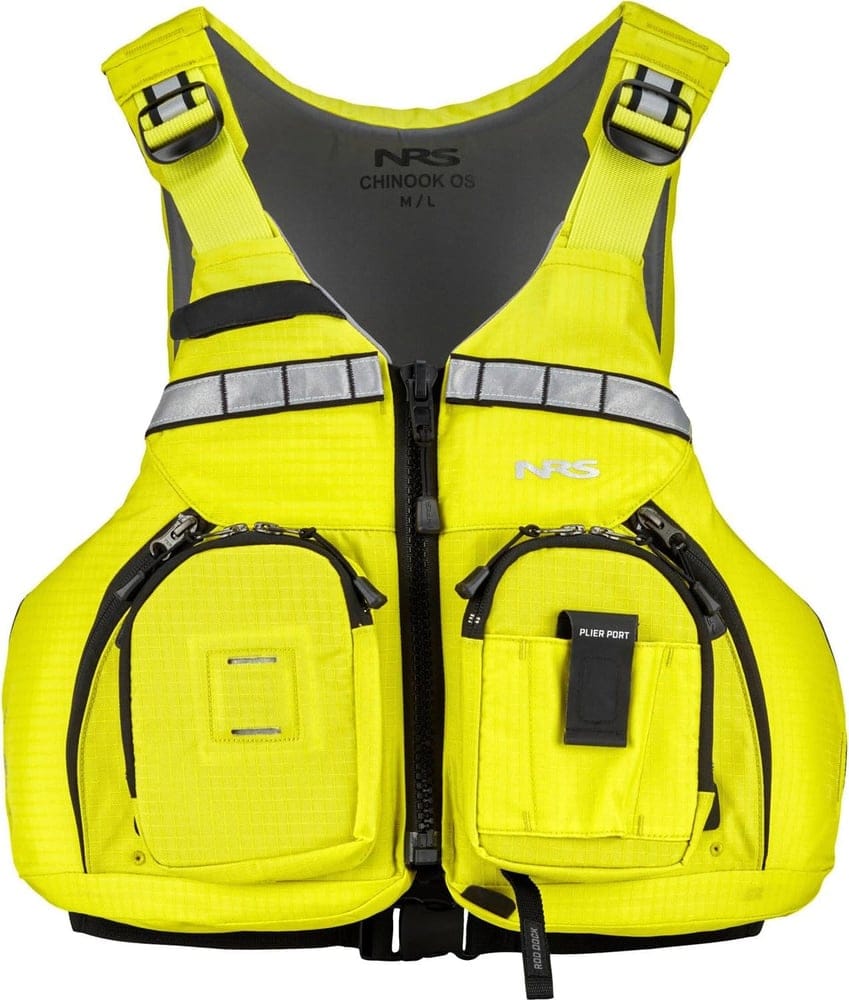 | 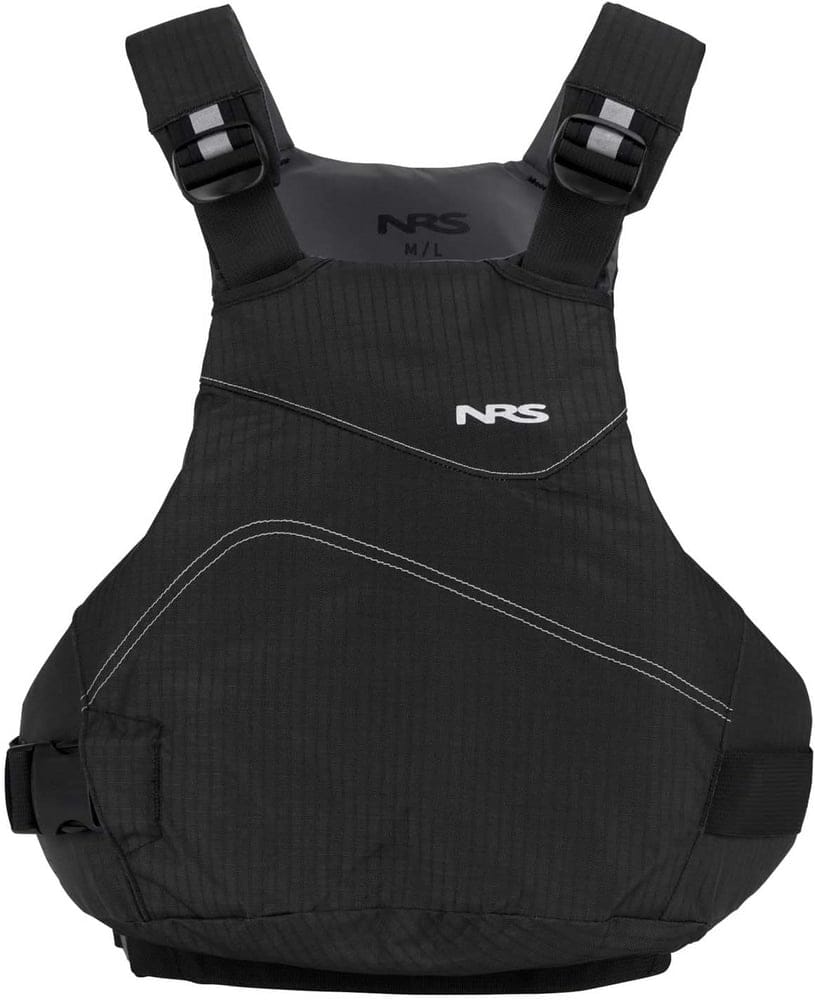 VS | |
| Inflation Type | Manual | Not applicable — inherently buoyant |
| Foam Core | Closed-cell foam | Closed‑cell foam |
| Material | Outer Fabric: 420 denier ripstop nylon | N/A |
| Reflective Accents | N/A | N/A |
| Warranty | Limited Warranty (duration not specified) | Limited Warranty (duration not specified) |
| Attachment Points | N/A | N/A |
| Fabric Denier | 420 | N/A |
| Meshback | Yes | N/A |
| Number Of Pockets | 3 | N/A |
| Padding | Lightweight closed-cell foam with Orbit Fit System | N/A |
| USCG Type / Performance Level | Level 70 | Level 70 |
| Design Flotation | XS/M: 14.6 lb; M/L: 15.75 lb; XL/XXL: 15.75 lb | XS/M: 14.6 lb; M/L: 15.75 lb; XL/XXL: 15.75 lb |
| Chest Size / User Weight Range | XS/M: 30–38 in, 90–154 lb; M/L: 36–46 in, 88+ lb; XL/XXL: 44–56 in, 88+ lb | XS/M: 30–38 in, 90–154 lb; M/L: 36–46 in, 88+ lb; XL/XXL: 44–56 in, 88+ lb |
| Entry System | YKK zipper entry | Side buckle |
| Adjustment System | 4 side and 2 shoulder adjustments | 2 side, 2 shoulder, 2 waist adjustments |
| Back Profile | Medium-profile | Low-profile |
| CO2 Cylinder / Rearming Requirement | Not applicable — inherently buoyant | Not applicable — inherently buoyant |
| NRS Chinook PFD | NRS Vapor PFD |
|---|---|
| |
| Inflation Type | |
Manual | Not applicable — inherently buoyant |
| Foam Core | |
Closed-cell foam | Closed‑cell foam |
| Material | |
Outer Fabric: 420 denier ripstop nylon | N/A |
| Reflective Accents | |
N/A | N/A |
| Warranty | |
Limited Warranty (duration not specified) | Limited Warranty (duration not specified) |
| Attachment Points | |
N/A | N/A |
| Fabric Denier | |
420 | N/A |
| Meshback | |
Yes | N/A |
| Number Of Pockets | |
3 | N/A |
| Padding | |
Lightweight closed-cell foam with Orbit Fit System | N/A |
| USCG Type / Performance Level | |
Level 70 | Level 70 |
| Design Flotation | |
XS/M: 14.6 lb; M/L: 15.75 lb; XL/XXL: 15.75 lb | XS/M: 14.6 lb; M/L: 15.75 lb; XL/XXL: 15.75 lb |
| Chest Size / User Weight Range | |
XS/M: 30–38 in, 90–154 lb; M/L: 36–46 in, 88+ lb; XL/XXL: 44–56 in, 88+ lb | XS/M: 30–38 in, 90–154 lb; M/L: 36–46 in, 88+ lb; XL/XXL: 44–56 in, 88+ lb |
| Entry System | |
YKK zipper entry | Side buckle |
| Adjustment System | |
4 side and 2 shoulder adjustments | 2 side, 2 shoulder, 2 waist adjustments |
| Back Profile | |
Medium-profile | Low-profile |
| CO2 Cylinder / Rearming Requirement | |
Not applicable — inherently buoyant | Not applicable — inherently buoyant |
Safety
NRS Chinook PFD
NRS Vapor PFD
Safety is the foundation of any personal flotation device, encompassing buoyancy, secure fit, and quick‑access rescue tools. Buyers who need reliable emergency features will notice the Chinook’s dedicated knife and strobe‑light attachment points, which reviewers highlight as practical for anglers and paddlers. The Vapor provides solid buoyancy but lacks those specialized attachment options. With higher safety ratings and more rescue‑ready features, the Chinook is the safer choice for those who prioritize emergency preparedness.
Comfort
NRS Chinook PFD
NRS Vapor PFD
Comfort determines how long you can stay on the water without fatigue, focusing on fit, padding, and how the vest moves with your body. The Vapor scores higher for comfort thanks to its well‑balanced fit and a back panel that reviewers describe as “nice” and supportive for long sessions. The Chinook, while still comfortable, has more strap adjustments and pockets that can cause occasional interference. For paddlers seeking the most comfortable all‑day wear, the Vapor takes the lead.
Durability
NRS Chinook PFD
NRS Vapor PFD
Durability matters when a PFD faces frequent exposure to sun, water, and abrasion. The Chinook’s 420‑denier ripstop nylon construction is repeatedly praised for ruggedness and long‑term reliability. The Vapor uses a lighter 200‑denier fabric that, while water‑repellent, doesn’t match the Chinook’s proven wear resistance. Consequently, the Chinook is the better option for users who demand a hard‑wearing jacket.
Lightweight
NRS Chinook PFD
NRS Vapor PFD
A lighter PFD reduces fatigue and improves maneuverability, especially on longer trips. The Chinook’s closed‑cell foam and pre‑curved design are noted for keeping bulk down while maintaining buoyancy, earning it a higher lightweight rating. The Vapor’s weight is comparable to other ultralight options but lacks the same emphasis on reduced bulk. For paddlers who value a lighter feel, the Chinook edges out the Vapor.
Visibility
NRS Chinook PFD
NRS Vapor PFD
Visibility helps rescuers locate you in low‑light conditions, relying on bright colors or attachment points for lights. The Vapor’s color options, though limited, are slightly brighter than the Chinook’s more subdued palette, and reviewers give it a marginally higher visibility score. The Chinook compensates with a strobe‑light attachment point, but overall the Vapor’s brighter hues give it a small advantage. Paddlers who want a bit more visual presence should lean toward the Vapor.
Breathability
NRS Chinook PFD
NRS Vapor PFD
Breathability keeps you cool and dry during high‑energy paddling. The Chinook incorporates mesh panels on the lower back and breathable foam, while the Vapor mentions general breathable material without specific design details. Both provide some airflow, and the evidence does not clearly favor one over the other. As a result, the two jackets are essentially tied in breathability.
Trust & Transparency
- Data-driven rankings from real user reviews
- Affiliate partnerships don't influence our methodology
We may earn commission from links.
Conclusion & Final Verdict:
Verdict: If you need a rugged, safety‑focused PFD with extra storage and a lighter feel, the NRS Chinook is the better pick. If comfort and a slightly brighter profile matter more for long, leisurely paddles, the NRS Vapor offers a more pleasant fit. Choose the jacket that aligns with your primary on‑water priorities.
Related Comparisons
NRS Chinook PFDvsBluestorm Cirrus 26 Life Jacket
The NRS Chinook PFD is a rugged, feature‑rich jacket with pockets and tool‑attachment points but weighs more, while the Bluestorm Cirrus 26 is an ultra‑light inflatable offering higher buoyancy and minimal bulk. Choose Chinook for durability and accessories; choose Cirrus for weight‑saving comfort.
NRS Ninja PFDvsNRS Chinook PFD
NRS Chinook PFD wins for storage and breathability; Ninja excels in low-profile fit. Choose Chinook for gear-heavy trips, Ninja for minimalist rowing.
NRS Ninja PFDvsNRS Vapor PFD
The NRS Ninja PFD prioritizes protection and durability for demanding rowing and fishing, while the Vapor PFD leans toward a softer, more comfortable fit with better visibility and breathability. Choose Ninja for rugged safety, Vapor for all‑day comfort.
NRS Vapor PFDvsBluestorm Cirrus 26 Life Jacket
The NRS Vapor PFD feels more comfortable and adjustable but is a bit heavier and less visible, whereas the Bluestorm Cirrus 26 is ultra‑light, offers higher buoyancy and stronger safety performance for demanding water activities.
O'Brien Impulse Women's Life JacketvsNRS Chinook PFD
The NRS Chinook PFD edges out the O'Brien Impulse in safety, comfort and breathability, while the O'Brien’s neoprene build offers superior durability. Choose the Chinook for active paddling, or the Impulse if you value rugged wear.
Stohlquist FIT Life JacketvsOnyx MoveVent Curve Life Jacket
The Onyx MoveVent Curve feels more comfortable, lighter, and more breathable, while the Stohlquist FIT offers stronger buoyancy and USCG‑approved safety. Choose MoveVent for active paddling, FIT for extra safety on boats.