
NRS Clipper 126 vs BOTE Rackham Aero
Why You Can Trust Us
- Side-by-side analysis based on real user feedback
- Unbiased comparisons, not influenced by partnerships
- Updated as new data becomes available
We may earn from affiliate links at no extra cost to you.
| NRS Clipper 126 | BOTE Rackham Aero | |
|---|---|---|
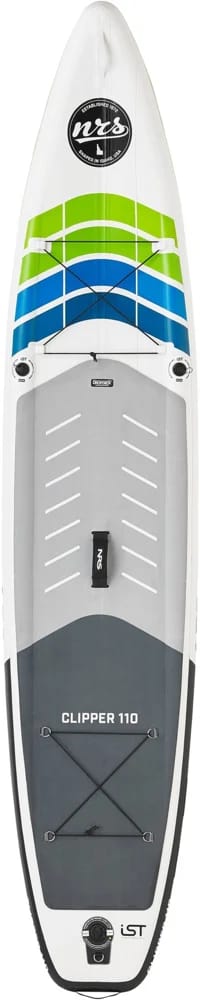 | 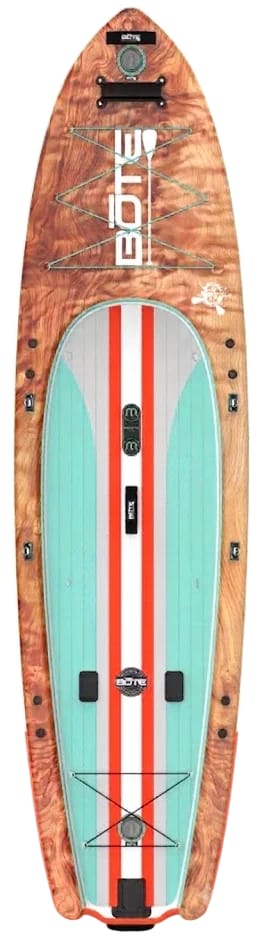 VS | |
| Dimensions | 110: 11 × 2.25 × 0.42 ft | 12 × 3.17 × 0.58 ft |
| Capacity | 235 lb | 390 lb |
| Weight | 110: 20.2 lb | 43.5 lb |
| Thickness | 110: 5 in | N/A |
| Maximum Pressure | 20 psi | N/A |
| Warranty | 3 Years Retail, 1 Year Commercial | 2 Years |
| NRS Clipper 126 | BOTE Rackham Aero |
|---|---|
| |
| Dimensions | |
110: 11 × 2.25 × 0.42 ft | 12 × 3.17 × 0.58 ft |
| Capacity | |
235 lb | 390 lb |
| Weight | |
110: 20.2 lb | 43.5 lb |
| Thickness | |
110: 5 in | N/A |
| Maximum Pressure | |
20 psi | N/A |
| Warranty | |
3 Years Retail, 1 Year Commercial | 2 Years |
Durability
NRS Clipper 126
BOTE Rackham Aero
Durability is critical for inflatables because they face punctures, UV exposure, and frequent packing. The Clipper 126 earns a 3.6 rating thanks to its rugged PVC outer skin, double sidewall construction and reinforced seams, which buyers cite as solid and long‑lasting. The Rackham Aero’s heavy‑duty drop‑stitch and dual chambers suggest robustness, yet mixed reports of glue leakage and minor wear lower its rating to 3.4. Overall, the Clipper’s more consistently praised build gives it the durability edge.
Stability
NRS Clipper 126
BOTE Rackham Aero
Stability provides confidence for beginners and a steady platform for long paddles. The Clipper’s drop‑deck design and balanced hull deliver a 4.1 rating, making it feel planted even in choppy flatwater. The Rackham Aero, while stable thanks to its wide deck and small‑bite fins, scores slightly lower at 3.8 and can feel twitchy when you lean quickly. For paddlers prioritizing a rock‑solid ride, the Clipper wins.
Maneuverability
NRS Clipper 126
BOTE Rackham Aero
Maneuverability matters when navigating tight waterways, fishing spots, or making quick turns. The Rackham Aero shines with a 4.7 rating, featuring a removable big fin and interchangeable 3‑in‑1 fin system that let riders steer, reverse, and pivot with ease. The Clipper 126 only registers a 3.3 rating, with feedback limited to basic tracking and a longer hull that hampers tight turns. In this arena the Aero is the clear winner.
Speed
NRS Clipper 126
BOTE Rackham Aero
Speed influences how efficiently you cover distance on a tour. The Aero glides with minimal resistance and scores 4.2, offering a slightly quicker pace than the Clipper’s 3.9 rating, which still feels fast on calm water but isn’t as brisk. While neither board is a race‑ready racer, the Aero’s edge in glide and forward thrust makes it the faster of the two.
Comfort
NRS Clipper 126
BOTE Rackham Aero
Comfort determines how long you can stay on the water without fatigue. The Aero provides foam foot padding, a padded deck and an adjustable seat, earning a 3.6 rating despite some users finding the seat short. The Clipper’s comfort features are limited to a neoprene‑wrapped center handle and scores 3.3. The additional padding and seat options give the Aero a modest comfort advantage.
Portability
NRS Clipper 126
BOTE Rackham Aero
Portability covers weight, packing size and ease of transport. Both boards land at a 3.7 rating, reflecting a trade‑off: the Clipper rolls tighter and packs smaller, while the Aero, though heavier at 43.5 lb, fits in a car trunk and comes with a travel bag. Because the scores are identical and each has a different strength, the category ends in a tie.
Trust & Transparency
- Data-driven rankings from real user reviews
- Affiliate partnerships don't influence our methodology
We may earn commission from links.
Conclusion & Final Verdict:
Which board should you buy?
- Choose the NRS Clipper 126 if you value a lightweight, ultra‑stable platform for long, straight‑line touring and want the simplest pack‑down experience.
- Choose the BOTE Rackham Aero if you need higher weight capacity, quicker turning, a bit more speed, and extra comfort features, and you don’t mind the extra heft. Both boards perform well in portability, so your decision comes down to whether stability and lightness (Clipper) or agility and capacity (Aero) matter more to your paddling style.
Related Comparisons
NRS Clipper 126vsThurso Surf Waterwalker 126 10'6 All-Around
The NRS Clipper 126 excels at straight‑line speed and touring, while the Thurso Surf Waterwalker 126 wins on durability, stability and overall comfort for all‑skill paddlers; choose the Clipper for long‑distance cruising, the Waterwalker for a more versatile, rugged ride.
Roc 10'6"vsBOTE Rackham Aero
The Roc 10'6" offers superior stability, durability and ultra‑light portability for beginners and family outings, while the BOTE Rackham Aero trades a bit of ruggedness for higher speed and sharper maneuverability, suiting fitness or fishing paddlers.
SereneLife Serene LifevsBOTE Rackham Aero
The Serene Life inflatable board wins on durability, stability and portability, making it ideal for beginners and travelers, while the BOTE Rackham Aero offers superior maneuverability and a slight speed edge for fitness or fishing enthusiasts.
SereneLife Serene LifevsNRS Clipper 126
The SereneLife Serene Life inflates to a wider, higher‑capacity board that’s ultra‑portable, while the NRS Clipper 126 is a longer, stiffer touring board with a higher pressure rating for speed. Choose the Serene Life for casual, space‑saving paddling; pick the Clipper for longer, faster flat‑water runs.
Roc 10'6"vsAtoll 11' Cove
The Roc 10'6" excels in ultra‑light portability and nimble handling, while the Atoll 11' Cove offers higher speed and superior comfort at a modest weight penalty.
Roc 10'6"vsBOTE Breeze Aero
The Roc 10'6" inflatable outperforms the BOTE Breeze Aero in durability, stability, speed, load capacity and warranty, making it ideal for paddlers who want a rugged, high‑performance board, while the Breeze Aero’s ultra‑light, compact design suits those who prioritize portability over raw performance.