
Osprey Skimmer 16 vs Gregory Inertia 18 H2O
Why You Can Trust Us
- Side-by-side analysis based on real user feedback
- Unbiased comparisons, not influenced by partnerships
- Updated as new data becomes available
We may earn from affiliate links at no extra cost to you.
| Skimmer 16 | Gregory Inertia 18 H2O | |
|---|---|---|
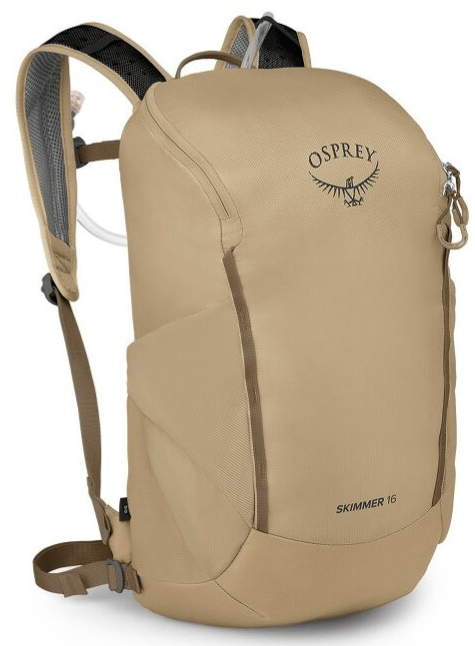 | 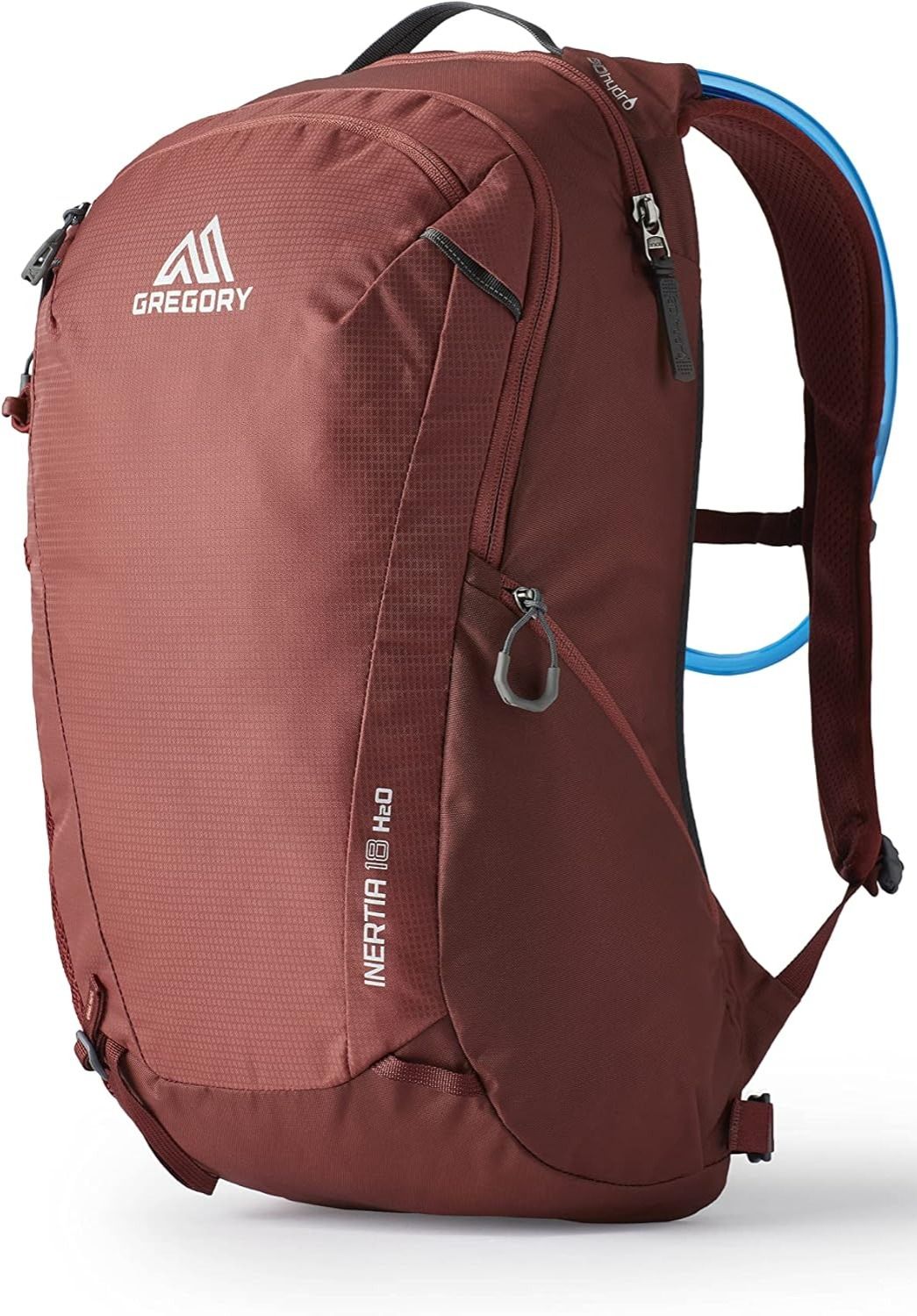 VS | |
| Capacity | 976 cu in | 1,098 cu in |
| Weight | 1.42 lb | 1.22 lb |
| Hip Belt | Removable 0.8 in webbing hipbelt | Hipbelt included |
| Hydration Sleeve | Hydration sleeve | Hydration sleeve |
| Bladder Capacity | 84.5 fl oz | 67.5 fl oz |
| Warranty | Lifetime | Lifetime |
| Compression Strap | Dual upper side compression straps | N/A |
| Mesh Back Panel | Mesh backpanel | 3D foam backpanel |
| Sternum Strap | Sternum strap | Yes, with magnetic buckle |
| Rain Cover | Integrated removable raincover | No |
| Frame Sheet | N/A | Frameless |
| Side Pockets | Dual stretch mesh side pockets | 3 exterior pockets + main compartment |
| Trekking Pole Attachment | Dual lower trekking pole attachment loops | N/A |
| Osprey Skimmer 16 | Gregory Inertia 18 H2O |
|---|---|
| |
| Capacity | |
976 cu in | 1,098 cu in |
| Weight | |
1.42 lb | 1.22 lb |
| Hip Belt | |
Removable 0.8 in webbing hipbelt | Hipbelt included |
| Hydration Sleeve | |
Hydration sleeve | Hydration sleeve |
| Bladder Capacity | |
84.5 fl oz | 67.5 fl oz |
| Warranty | |
Lifetime | Lifetime |
| Compression Strap | |
Dual upper side compression straps | N/A |
| Mesh Back Panel | |
Mesh backpanel | 3D foam backpanel |
| Sternum Strap | |
Sternum strap | Yes, with magnetic buckle |
| Rain Cover | |
Integrated removable raincover | No |
| Frame Sheet | |
N/A | Frameless |
| Side Pockets | |
Dual stretch mesh side pockets | 3 exterior pockets + main compartment |
| Trekking Pole Attachment | |
Dual lower trekking pole attachment loops | N/A |
Comfort
Skimmer 16
Gregory Inertia 18 H2O
Comfort is the foundation of any successful hike, determining whether you can enjoy the trail or spend the day fighting fatigue. A pack that conforms to your body and distributes weight evenly allows for longer distances without pain, while poor design can lead to chafing and soreness. The Gregory Inertia 18 H2O takes the lead here with a 4.8/5 rating, featuring a perforated shoulder harness, magnetic sternum buckle, and multi-density foam that shapes to the wearer's body. Users consistently note that it feels great even when fully loaded, with pliable hip straps and light foam backing that prevent the pack from feeling overly dense. The Osprey Skimmer 16 also performs well with a 4.6/5 rating, offering a comfortable fit for extended wear, though it lacks the specific advanced foam technologies found in the Gregory. For hikers prioritizing all-day softness and airflow against the skin, the Gregory is the superior choice.
Durability
Skimmer 16
Gregory Inertia 18 H2O
Durability ensures your gear survives the abrasion of rocks, branches, and repeated use over seasons. A pack built with robust materials and reinforced construction will maintain its integrity and appearance long after lighter alternatives begin to show wear. The Osprey Skimmer 16 dominates this category with a 4.6/5 rating, praised for materials that look brand new for a long time and construction that withstands prolonged use. Feedback highlights its ability to stay in great condition, suggesting a build quality that resists the daily grind of the trail. The Gregory Inertia 18 H2O, while constructed with ripstop nylon and durable padding, receives a lower 3.9/5 rating, with some concerns that it may not hold up to heavy use over time. If you plan to tackle technical terrain or need a pack that will last for years of hard abuse, the Osprey is the more reliable investment.
Ventilation
Skimmer 16
Gregory Inertia 18 H2O
Proper ventilation is critical for regulating body temperature and preventing sweat buildup during intense physical activity. A well-ventilated pack uses airflow channels and breathable materials to keep the back dry, whereas poor ventilation can lead to discomfort and chafing in hot weather. The Gregory Inertia 18 H2O is the clear winner with a 4.4/5 rating, featuring a 3D foam back panel and perforated shoulder harness that ensure excellent airflow. Users report that the vented padding and breathable design keep them cool and dry even during intense hikes. Conversely, the Osprey Skimmer 16 scores a 3.0/5 in this category, with feedback indicating that ventilation could be better for hot weather hikes. For summer hikers or those who run hot, the Gregory's superior airflow design makes it the practical choice.
Accessibility
Skimmer 16
Gregory Inertia 18 H2O
Accessibility determines how quickly and easily you can reach your water, snacks, and essentials without stopping or removing the pack. Efficient access points, such as quick-connect hoses and well-placed pockets, allow you to stay moving and maintain your rhythm on the trail. Both packs score a 4.6/5, resulting in a tie, as they excel in different ways. The Osprey Skimmer 16 offers a 360-degree walk-around design and lift-up functionality that makes accessing compartments convenient, while the Gregory Inertia 18 H2O features a speed clip hydration hanger and one-handed snap-and-go connection for effortless water access. With large handles on zippers and deep stretch pockets on the Gregory, and roomy hatches on the Osprey, both options ensure that gear is within reach when you need it most.
Stability
Skimmer 16
Gregory Inertia 18 H2O
Stability refers to how securely the pack stays in place during movement, preventing bounce and sway on uneven or steep terrain. A stable pack transfers energy efficiently and reduces fatigue by keeping the load close to your center of gravity, which is vital for scrambling or fast hiking. The Osprey Skimmer 16 is the standout performer with a 4.6/5 rating, utilizing a design that keeps the pack snug and secure even during fast-paced hikes or rough trails. Its stable design ensures the load remains effortless to manage, whereas the Gregory Inertia 18 H2O scores a 3.7/5, with some users noting that stability can feel lacking on uneven terrain. While the Gregory has adjustable straps to cinch down the load, the Osprey's superior stability makes it the better option for technical hiking or runners who need a locked-in feel.
Organization
Skimmer 16
Gregory Inertia 18 H2O
Effective organization allows hikers to keep gear sorted, accessible, and secure, preventing the frustration of digging through a single large compartment. A well-organized pack features dedicated sleeves, multiple pockets, and smart storage solutions that separate wet gear, snacks, and tools. Both packs receive high marks, with the Gregory Inertia 18 H2O slightly edging out the Osprey Skimmer 16 at 4.7/5 versus 4.6/5. The Gregory offers a dedicated hydration sleeve, big stretch mesh pockets, and multiple compartments including a large posterior mesh pocket for easy gear organization. The Osprey also provides ample storage with well-designed compartments, though some feedback notes it can be tight on space compared to the Gregory's more expansive layout. For those who carry a variety of small items and need distinct storage zones, the Gregory offers a slight advantage in layout versatility.
Trust & Transparency
- Data-driven rankings from real user reviews
- Affiliate partnerships don't influence our methodology
We may earn commission from links.
Conclusion & Final Verdict:
The choice between the Osprey Skimmer 16 and the Gregory Inertia 18 H2O ultimately depends on your hiking environment and priorities.
- Choose the Osprey Skimmer 16 if: You prioritize stability and durability. It is the superior choice for rough, technical terrain where a secure, non-bouncing fit is essential. Its robust construction and integrated rain cover make it ideal for hikers who need a pack that can withstand heavy abuse and variable weather.
- Choose the Gregory Inertia 18 H2O if: You prioritize comfort and ventilation. With its superior airflow design, lighter weight, and larger capacity, it is the better option for long, hot hikes where staying cool and comfortable is the main goal. Its advanced ergonomic features make it perfect for endurance hikers who value a soft, conforming fit over rugged stability.
Related Comparisons
Osprey Skimmer 16vsArc'teryx Aerios 18 Backpack
The Osprey Skimmer 16 and Arc'teryx Aerios 18 Backpack are both capable day-hiking hydration packs, but they excel in different areas. The Skimmer 16 leads in stability, durability, and accessibility, while the Aerios 18 wins on comfort and ventilation. Choose the Skimmer for rugged, technical trails and the Aerios for long, hot-weather hikes where breathability matters most. Both tie on organization, offering thoughtful pocket layouts for gear management.
Osprey Skimmer 16vsCamelBak Arete 18 Pack 1.5L
The Osprey Skimmer 16 and CamelBak Arete 18 offer distinct approaches to hydration hiking, with the Skimmer prioritizing rugged stability and the Arete focusing on sleek, urban-friendly organization.
Osprey Skimmer 16vsCamelBak Cloud Walker 18 Hydration Pack 85 oz
Compare the Osprey Skimmer 16 and CamelBak Cloud Walker 18 to find the perfect hydration pack for your hiking style, balancing stability, ventilation, and storage needs.
Osprey Skimmer 16vsGregory Citro 24 H2O
The Osprey Skimmer 16 excels in stability and organization for fast-paced trails, while the Gregory Citro 24 H2O offers superior ventilation and larger capacity for all-day comfort.
Osprey Skimmer 16vsGregory Nano 18 H2O
The Osprey Skimmer 16 and Gregory Nano 18 H2O are top-tier hydration packs, but they cater to different hiking priorities. While the Skimmer excels in stability and organization, the Nano 18 H2O dominates in ventilation and lightweight comfort.
Osprey Skimmer 16vsGregory Swift 16 H2O
The Osprey Skimmer 16 dominates in stability, organization, and durability, while the Gregory Swift 16 H2O offers a slight edge in ventilation and a lighter weight for long-torso hikers.