
Patagonia Capilene Thermal Weight Zip-Neck vs Kari Traa Women's Rose Light Base Layer Half Zip
Why You Can Trust Us
- Side-by-side analysis based on real user feedback
- Unbiased comparisons, not influenced by partnerships
- Updated as new data becomes available
We may earn from affiliate links at no extra cost to you.
| Patagonia Capilene Thermal Weight Zip-Neck | Kari Traa Women's Rose Light Base Layer Half Zip | |
|---|---|---|
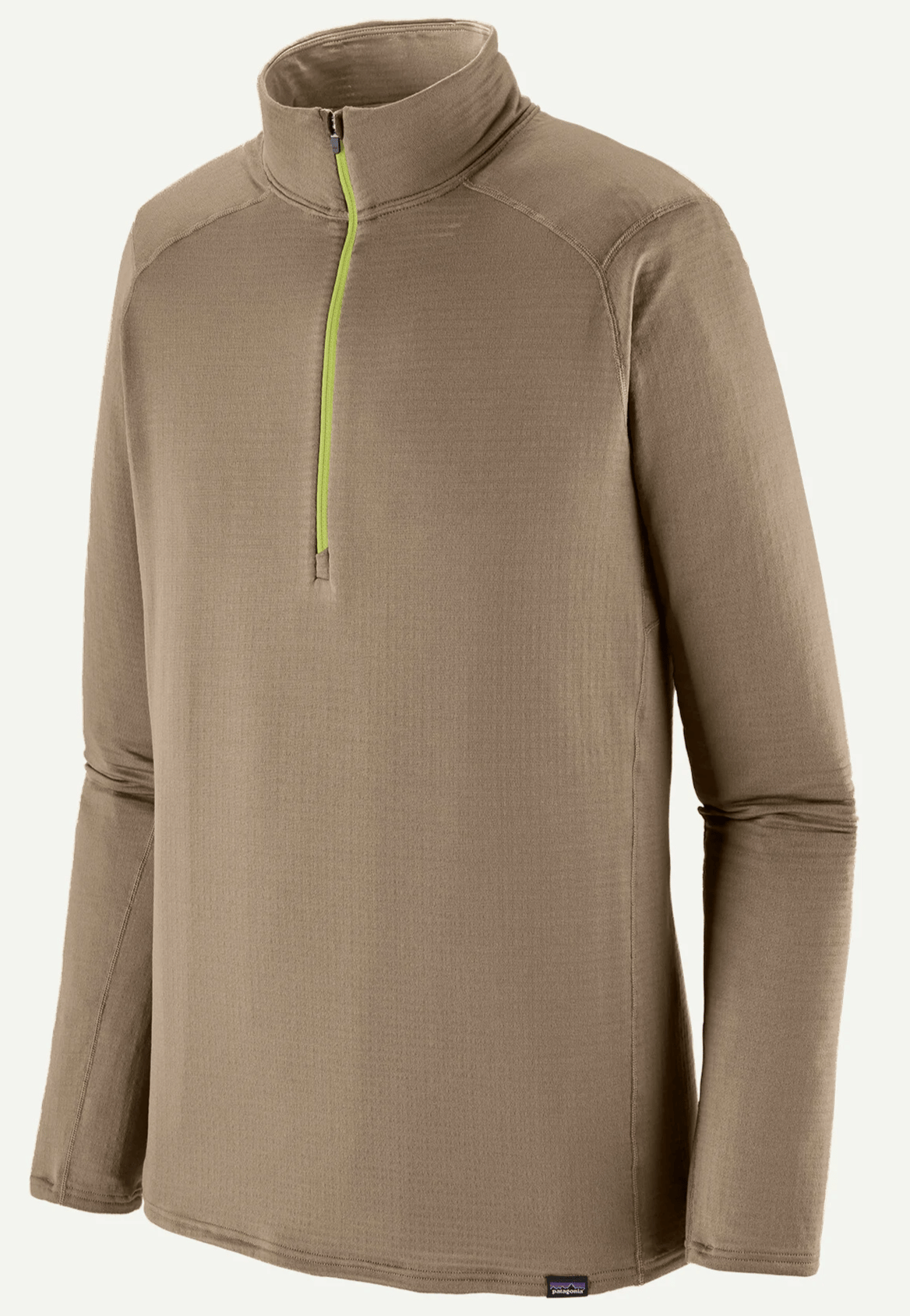 | 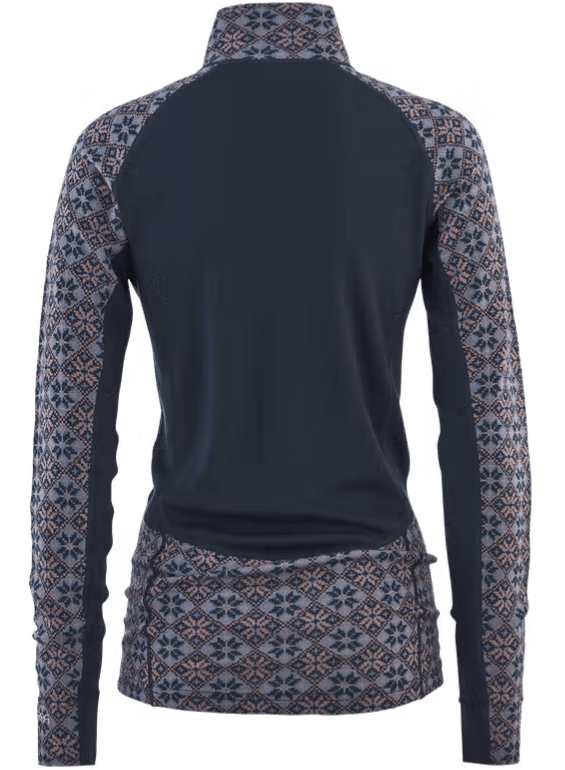 VS | |
| Material Composition | Polartec® Power Grid® fabric with HeiQ® Pure odor control | 100% wool |
| GSM | 129 GSM | 230 GSM |
| Garment Weight | 6.2 oz | N/A |
| 100% Merino Wool | No | Yes |
| Flatlock Seams | Yes | Yes |
| Warranty | Ironclad Guarantee | N/A |
| Warmth-To-Weight Ratio | N/A | N/A |
| Ventilation Zones | Deep center-front zipper vents body heat | Zip collar |
| Size | XS, S, M, L, XL, XXL | N/A |
| Color Options | Seabird Grey, Black | Royal |
| Weight | 6.2 oz | N/A |
| 100% Lifa Fabric | No | No |
| Patagonia Capilene Thermal Weight Zip-Neck | Kari Traa Women's Rose Light Base Layer Half Zip |
|---|---|
| |
| Material Composition | |
Polartec® Power Grid® fabric with HeiQ® Pure odor control | 100% wool |
| GSM | |
129 GSM | 230 GSM |
| Garment Weight | |
6.2 oz | N/A |
| 100% Merino Wool | |
No | Yes |
| Flatlock Seams | |
Yes | Yes |
| Warranty | |
Ironclad Guarantee | N/A |
| Warmth-To-Weight Ratio | |
N/A | N/A |
| Ventilation Zones | |
Deep center-front zipper vents body heat | Zip collar |
| Size | |
XS, S, M, L, XL, XXL | N/A |
| Color Options | |
Seabird Grey, Black | Royal |
| Weight | |
6.2 oz | N/A |
| 100% Lifa Fabric | |
No | No |
Breathability
Patagonia Capilene Thermal Weight Zip-Neck
Kari Traa Women's Rose Light Base Layer Half Zip
Breathability is critical in a hiking base layer because it prevents overheating during exertion and helps regulate body temperature as conditions change. A more breathable fabric lets air circulate and moisture escape, keeping you dry and comfortable even when you're sweating. The Patagonia Capilene Thermal Weight Zip-Neck edges ahead here, with users consistently noting its effective air flow and vented design that helps cool you down during intense hikes. While the Kari Traa also offers decent breathability through underarm panels and temperature regulation, feedback is more limited and focused on basic ventilation rather than dynamic airflow. For hikers who push hard in variable conditions, Patagonia’s superior breathability makes it the more responsive choice.
Moisture Wicking
Patagonia Capilene Thermal Weight Zip-Neck
Kari Traa Women's Rose Light Base Layer Half Zip
Moisture wicking determines how well a base layer pulls sweat away from your skin to keep you dry and prevent chilling—a key factor in cold-weather safety. The Kari Traa’s 100% merino wool naturally wicks moisture and resists odors, giving users confidence they’ll stay fresh even on multi-day trips. Patagonia’s fabric also wicks moisture effectively, but feedback is sparse and doesn’t highlight odor resistance, which is a notable advantage of wool. While both perform adequately, Kari Traa’s natural fiber gives it a subtle edge in long-term comfort and freshness, especially for extended hikes where washing isn’t an option.
Warmth
Patagonia Capilene Thermal Weight Zip-Neck
Kari Traa Women's Rose Light Base Layer Half Zip
Warmth is the primary reason most hikers choose a thermal-weight base layer, and both products deliver strong insulation without bulk. The Kari Traa earns slightly higher praise for keeping users 'really warm' and calling it a 'perfect base layer for winter,' with more buyers noting its ability to retain heat in extreme cold. Patagonia is also widely praised for raising body temperature and providing enough warmth for chilly hikes, but feedback suggests it’s more situational—ideal for moderate cold or active use. For those facing prolonged exposure to freezing temperatures, Kari Traa’s wool offers marginally more consistent warmth, though Patagonia remains excellent for dynamic, high-output activities.
Comfort
Patagonia Capilene Thermal Weight Zip-Neck
Kari Traa Women's Rose Light Base Layer Half Zip
Comfort determines whether you’ll want to wear the base layer all day, and both products excel here with soft, non-irritating fabrics and flatlock seams that prevent chafing. Patagonia’s stretchy synthetic fabric feels comfortable and doesn’t restrict movement, while Kari Traa’s merino wool is especially praised for its next-to-skin softness and lack of itchiness. Users of both report no irritation during long treks, and neither has significant complaints about seam placement or fit discomfort. The difference is subtle: Patagonia offers a more athletic, flexible feel, while Kari Traa delivers a plush, woolly coziness. For pure tactile comfort, Kari Traa wins by a hair, but Patagonia is nearly as good and more versatile across activities.
Durability
Patagonia Capilene Thermal Weight Zip-Neck
Kari Traa Women's Rose Light Base Layer Half Zip
Durability matters because base layers endure friction from packs, rough terrain, and repeated washing. Patagonia’s synthetic fabric shows mixed but generally more resilient feedback, with some users reporting it held up well over time despite occasional thinning. Kari Traa’s wool, while incredibly soft, is more fragile—multiple users note the material feels too thin and is prone to pilling or tearing with frequent use or rough handling. The higher number of durability complaints for Kari Traa, combined with its lower overall score, signals a real trade-off: you gain comfort but sacrifice longevity. If you hike frequently or in rugged environments, Patagonia’s slightly tougher construction makes it the more reliable long-term option.
Fit
Patagonia Capilene Thermal Weight Zip-Neck
Kari Traa Women's Rose Light Base Layer Half Zip
A well-fitting base layer should move with you without binding or bunching, and both products offer tailored silhouettes designed for active use. Patagonia’s fit receives more detailed praise for its balanced slim-to-athletic cut, with many users noting it fits 'really well' across different body types and layers seamlessly under mid-shells. Kari Traa also fits snugly and sportily, but several buyers report sizing runs small and the fit can feel too tight, especially around the neck or under layers. With nearly twice as many fit-related mentions for Patagonia and fewer negative reports, it offers a more universally reliable fit. If you’re unsure about sizing or plan to layer heavily, Patagonia’s consistent fit gives you more confidence out of the box.
Trust & Transparency
- Data-driven rankings from real user reviews
- Affiliate partnerships don't influence our methodology
We may earn commission from links.
Conclusion & Final Verdict:
Choose the Patagonia Capilene Thermal Weight Zip-Neck if you prioritize breathability, lightweight performance, durability, and a reliable fit across sizes—with the added benefit of a lifetime warranty. Opt for the Kari Traa Women's Rose Light Base Layer Half Zip if you value the natural warmth, softness, and odor resistance of 100% merino wool and don’t mind a heavier, more delicate fabric for occasional or moderate-use hikes.
Related Comparisons
Patagonia Capilene Midweight Crew Base LayervsPatagonia Capilene Thermal Weight Zip-Neck
The Patagonia Capilene Midweight Crew excels in moisture-wicking and fit, ideal for active hikers. The Thermal Weight Zip-Neck offers superior warmth and comfort, better for cold conditions.
Patagonia Capilene Thermal Weight Zip-NeckvsArc'teryx Arc’teryx Rho LT Crew Base Layer
The Arc’teryx Rho LT Crew excels in moisture-wicking and comfort, ideal for intense hikes, while the Patagonia Capilene Thermal Weight Zip-Neck offers comparable warmth and breathability at a lighter weight. Choose Arc’teryx for high-intensity treks and Patagonia for versatile layering.
Patagonia Capilene Thermal Weight Zip-NeckvsHelly Hansen Men's HH LIFA® Stripe Long-Sleeve Crew Base Layer
The Patagonia Capilene Thermal Weight Zip-Neck offers better breathability and fit, while the Helly Hansen Men's HH LIFA® Stripe Long-Sleeve Crew excels in moisture-wicking and warmth. Choose Patagonia for active use and Helly Hansen for extreme cold.
Patagonia Capilene Thermal Weight Zip-NeckvsIbex Men's Woolies Pro Tech Crew
The Patagonia Capilene Thermal Weight Zip-Neck offers better breathability and warmth, making it ideal for intense hikes. The Ibex Men's Woolies Pro Tech Crew, however, provides superior durability and comfort for extended wear.
Patagonia Capilene Thermal Weight Zip-NeckvsMinus33 Merino Wool Long Sleeve Crew Base Layer
The Patagonia Capilene Thermal Weight Zip-Neck offers better breathability and ventilation, while the Minus33 Merino Wool Long Sleeve Crew excels in warmth and durability. Choose Patagonia for high-intensity hikes and Minus33 for colder, less strenuous treks.
Patagonia Capilene Thermal Weight Zip-NeckvsSmartwool Women's Intraknit Thermal Merino Base Layer Colorblock 1/4 Zip
The Patagonia Capilene Thermal Weight Zip-Neck offers better breathability and warmth, making it ideal for intense cold-weather hikes. The Smartwool Women's Intraknit Thermal Merino Base Layer, however, provides superior durability and a precise fit, suitable for those prioritizing long-term use and comfort.