
Patagonia Terravia Pack 28L vs Fjällräven Abisko Hike Lite 20 Daypack
Why You Can Trust Us
- Side-by-side analysis based on real user feedback
- Unbiased comparisons, not influenced by partnerships
- Updated as new data becomes available
We may earn from affiliate links at no extra cost to you.
| Patagonia Terravia Pack 28L | Fjällräven Abisko Hike Lite 20 Daypack | |
|---|---|---|
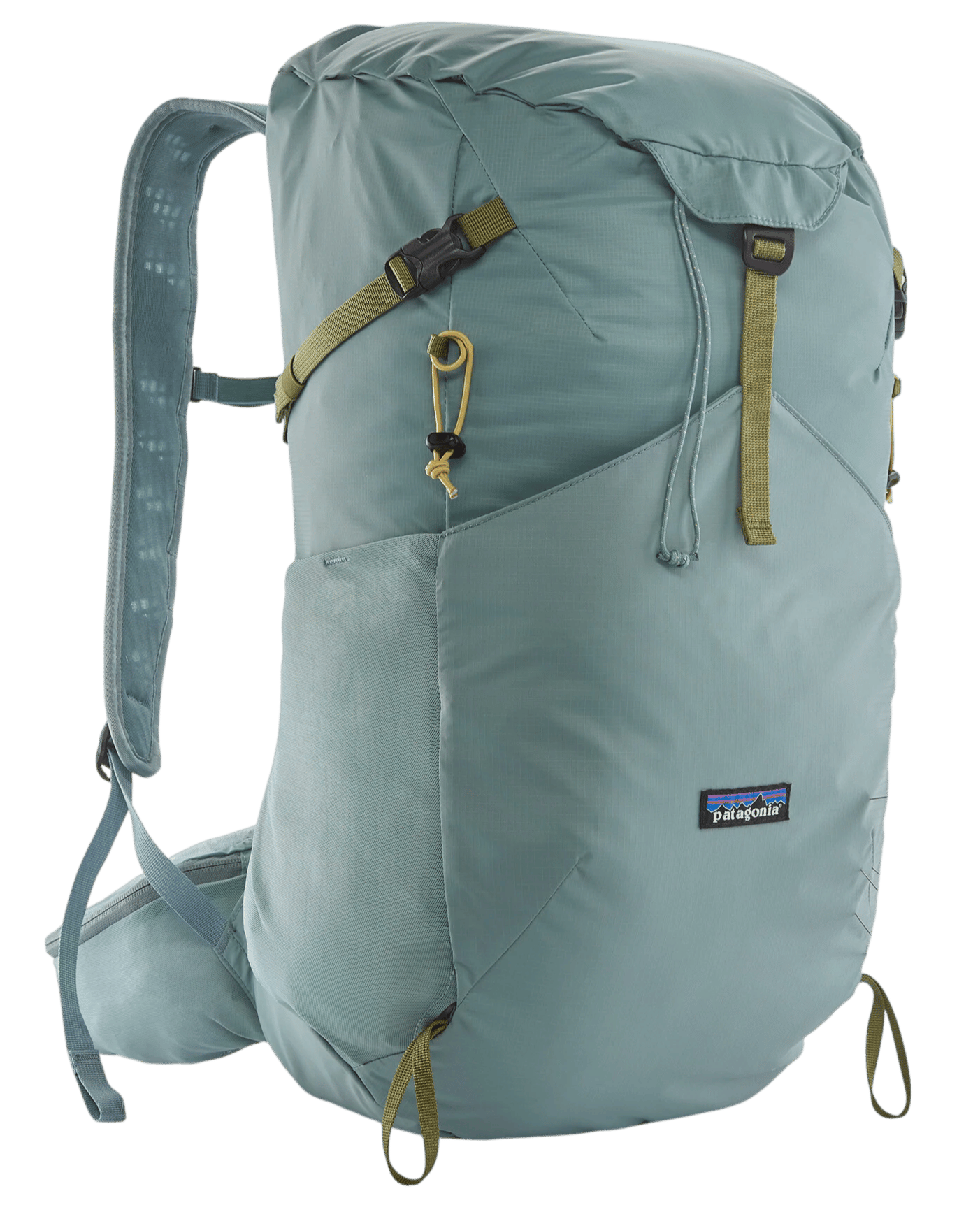 | 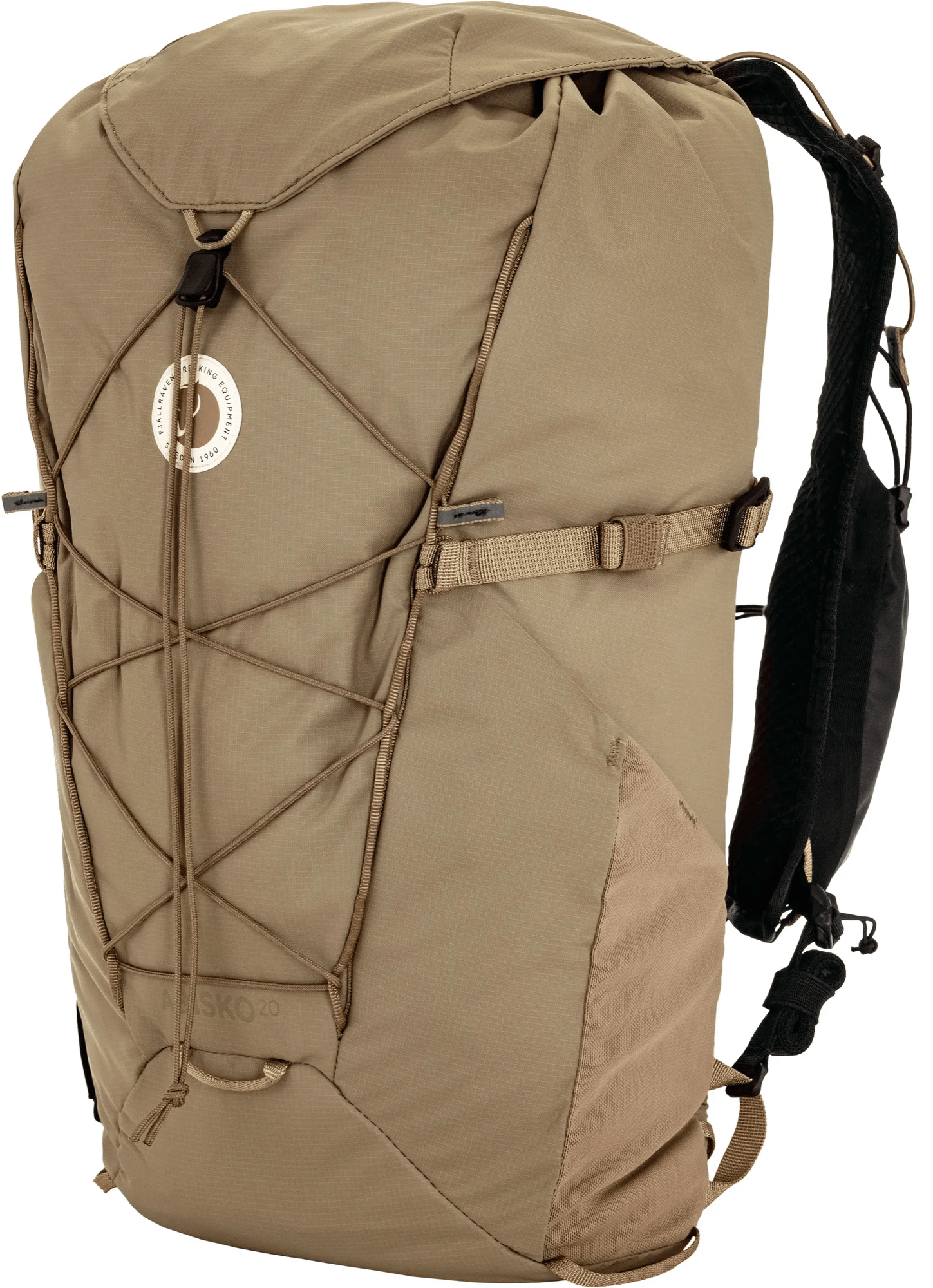 VS | |
| Capacity | 1,709 cu in | 1,225 cu in |
| Weight | 26 oz | 18.9 oz |
| Material | 100% recycled nylon ripstop with a PU coating | 140D recycled polyamide rip stop, PU backed |
| Hip Belt | Yes, with side pockets | Detachable with zippered pocket, usable as hip pack |
| Back Panel Type | Raised, breathable airmesh | Ventilated frame |
| Warranty | Ironclad Guarantee | Limited lifetime |
| Sternum Strap | Adjustable sternum strap | Detachable chest strap |
| Patagonia Terravia Pack 28L | Fjällräven Abisko Hike Lite 20 Daypack |
|---|---|
| |
| Capacity | |
1,709 cu in | 1,225 cu in |
| Weight | |
26 oz | 18.9 oz |
| Material | |
100% recycled nylon ripstop with a PU coating | 140D recycled polyamide rip stop, PU backed |
| Hip Belt | |
Yes, with side pockets | Detachable with zippered pocket, usable as hip pack |
| Back Panel Type | |
Raised, breathable airmesh | Ventilated frame |
| Warranty | |
Ironclad Guarantee | Limited lifetime |
| Sternum Strap | |
Adjustable sternum strap | Detachable chest strap |
Comfort
Patagonia Terravia Pack 28L
Fjällräven Abisko Hike Lite 20 Daypack
Comfort is paramount for daypacks, as it determines whether a hike remains enjoyable or becomes a struggle against chafing and fatigue. A superior comfort rating usually indicates better weight distribution, softer padding, and a harness system that moves with the body. The Patagonia Terravia Pack 28L takes the lead here, with buyers consistently praising its breathable comfortable mesh and the way the harness system makes it super comfortable to carry long term. Users specifically note that the weight was distributed really well thanks to the air mesh straps and flexible hip belt. While the Fjällräven Abisko Hike Lite 20 offers a decent fit, some users report limited padding on the shoulder straps when carrying heavier loads, and feedback regarding sweat inside suggests it may not be as universally comfortable for extended wear as the Patagonia.
Durability
Patagonia Terravia Pack 28L
Fjällräven Abisko Hike Lite 20 Daypack
Durability ensures a pack can withstand scrapes, scrapes, and harsh weather without failing, which is critical for gear that sees frequent outdoor use. A higher durability score reflects materials that resist tearing and coatings that repel water effectively. The Fjällräven Abisko Hike Lite 20 emerges as the more rugged option, with buyers describing the recycled nylon as strong as hell and noting it withstood incredible weather and horrendous wind without issue. The construction features reinforced stitching and abrasion-resistant fabric that users say held up really well in gnarly conditions. Although the Patagonia Terravia Pack 28L is also built with sturdy recycled nylon ripstop and a weather-resistant coating that lets water roll right off, the Fjällräven's reputation for extreme resilience gives it the edge for the most demanding environments.
Ventilation
Patagonia Terravia Pack 28L
Fjällräven Abisko Hike Lite 20 Daypack
Effective ventilation prevents sweat buildup and keeps the back cool, which is essential for maintaining energy and comfort during strenuous climbs. Better ventilation systems typically utilize air channels or mesh panels to promote airflow between the pack and the wearer. The Fjällräven Abisko Hike Lite 20 wins this category, with users highlighting its fixed back panel system with mesh for good ventilation and noting that it increases air flow significantly. Feedback suggests it is fantastic for managing condensation and keeping the user much cooler in summer conditions. The Patagonia Terravia Pack 28L also performs well with its breathable comfortable mesh and air channels that allow air to flow through, but the volume of positive feedback regarding the Fjällräven's cooling capabilities indicates a more effective system for hot weather hiking.
Organization
Patagonia Terravia Pack 28L
Fjällräven Abisko Hike Lite 20 Daypack
Organization features like pockets, loops, and closures determine how easily you can access essentials like water, snacks, and navigation tools without stopping. A well-organized pack minimizes fumbling and keeps gear secure and accessible. The Fjällräven Abisko Hike Lite 20 edges out the competition with a higher rating, praised for its two oversized side pockets with compression cords and versatile zip pockets on the outside and inside. Users appreciate the hydration system compatibility and the specific layout that accommodates various items efficiently. The Patagonia Terravia Pack 28L offers a robust array of features including a top loader closure, zippered lid pocket, and multiple external pockets, but some users mention it can be a one big dark pit where it is hard to grab one thing quickly, slightly lowering its practical score compared to the Fjällräven's intuitive layout.
Stability
Patagonia Terravia Pack 28L
Fjällräven Abisko Hike Lite 20 Daypack
Stability refers to how well the pack stays balanced and secure on uneven terrain, preventing it from shifting or pulling the wearer off-balance. A stable pack usually features a rigid frame, effective compression straps, and a hip belt that locks the load in place. The Fjällräven Abisko Hike Lite 20 demonstrates superior stability, with users noting it withstood horrendous wind and remained firm without needing constant adjustment. The design keeps the pack safe and secure even in exposed conditions, providing a sense of reliability on technical trails. The Patagonia Terravia Pack 28L has a frame sheet and adjustable hip belt that distributes the load, but some feedback indicates stability could be better on uneven terrain, and the water bottle pockets can suffer from stretchiness, making the Fjällräven the more confident choice for rough ground.
Adjustability
Patagonia Terravia Pack 28L
Fjällräven Abisko Hike Lite 20 Daypack
Adjustability allows hikers to customize the fit to their specific body shape, ensuring the pack sits correctly and transfers weight efficiently. High adjustability means straps, belts, and panels can be fine-tuned for a lock-down fit. Both packs excel in this area, earning a tie with identical high ratings. The Patagonia Terravia Pack 28L features small, medium, and large back panel sizes, along with an adjustable hip belt and compression straps that let users lock down the fit of the bag perfectly. Similarly, the Fjällräven Abisko Hike Lite 20 offers adjustable and removable chest and waist straps, allowing for a highly personalized setup. Buyers for both products consistently praise the flexibility and the ability to tailor the harness system, making this a non-differentiating factor where either choice will provide a great fit.
Trust & Transparency
- Data-driven rankings from real user reviews
- Affiliate partnerships don't influence our methodology
We may earn commission from links.
Conclusion & Final Verdict:
The Patagonia Terravia Pack 28L is the ideal choice for hikers who prioritize comfort and capacity. If you need to carry more gear, want a plush fit for long days, and value a highly adjustable suspension system, this pack delivers superior wearability. However, if your priority is durability, ventilation, and stability on rugged terrain, the Fjällräven Abisko Hike Lite 20 is the better investment. Its lighter weight, robust construction, and superior airflow make it perfect for fast-and-light adventures where every ounce and degree of cooling counts. Ultimately, choose the Patagonia for load-bearing comfort and the Fjällräven for technical performance and weather resilience.
Related Comparisons
Patagonia Terravia Pack 28LvsArc'teryx Mantis 26 Backpack
The Patagonia Terravia Pack 28L and Arc'teryx Mantis 26 Backpack offer distinct approaches to day hiking. While the Terravia excels in adjustability and breathability, the Mantis dominates in organization and structural stability.
Patagonia Terravia Pack 28LvsCamelBak Rim Runner X22 Hiking Hydration Pack with Crux 1.5L Reservoir
The Patagonia Terravia Pack 28L excels in durability and adjustability with its recycled ripstop construction and customizable fit, while the CamelBak Rim Runner X22 dominates in organization and stability, offering superior pocket access and a secure, non-bouncing carry for hydration-focused hikes.
Patagonia Terravia Pack 28LvsMountain Hardwear Lickety Split 20L Backpack
The Patagonia Terravia Pack 28L dominates in comfort, durability, and adjustability with its breathable mesh and robust recycled construction, while the Mountain Hardwear Lickety Split 20L offers a lighter, more organized option for those prioritizing quick gear access over long-haul support.
Patagonia Terravia Pack 28LvsSalomon XA 25 Daypack
The Patagonia Terravia Pack 28L offers rugged durability and superior adjustability for traditional hikers, while the Salomon XA 25 Daypack excels in comfort, organization, and stability for fast-paced movement.
Patagonia Terravia Pack 28LvsSea to Summit Ultra-Sil Daypack
The Patagonia Terravia Pack 28L offers a rugged, adjustable hiking experience with superior ventilation and stability, while the Sea to Summit Ultra-Sil Daypack wins on extreme portability and organization for ultralight travelers.
Patagonia Terravia Pack 28LvsThe North Face Trail Lite 12 Daypack
The Patagonia Terravia Pack 28L offers superior capacity and adjustability for varied loads, while The North Face Trail Lite 12 Daypack excels in organization and lightweight comfort for short hikes.