
Primus PrimeTech Stove Set 1.3L vs Snow Peak Trek 700 Titanium
Why You Can Trust Us
- Side-by-side analysis based on real user feedback
- Unbiased comparisons, not influenced by partnerships
- Updated as new data becomes available
We may earn from affiliate links at no extra cost to you.
| Primus PrimeTech Stove Set 1.3L | Trek 700 Titanium | |
|---|---|---|
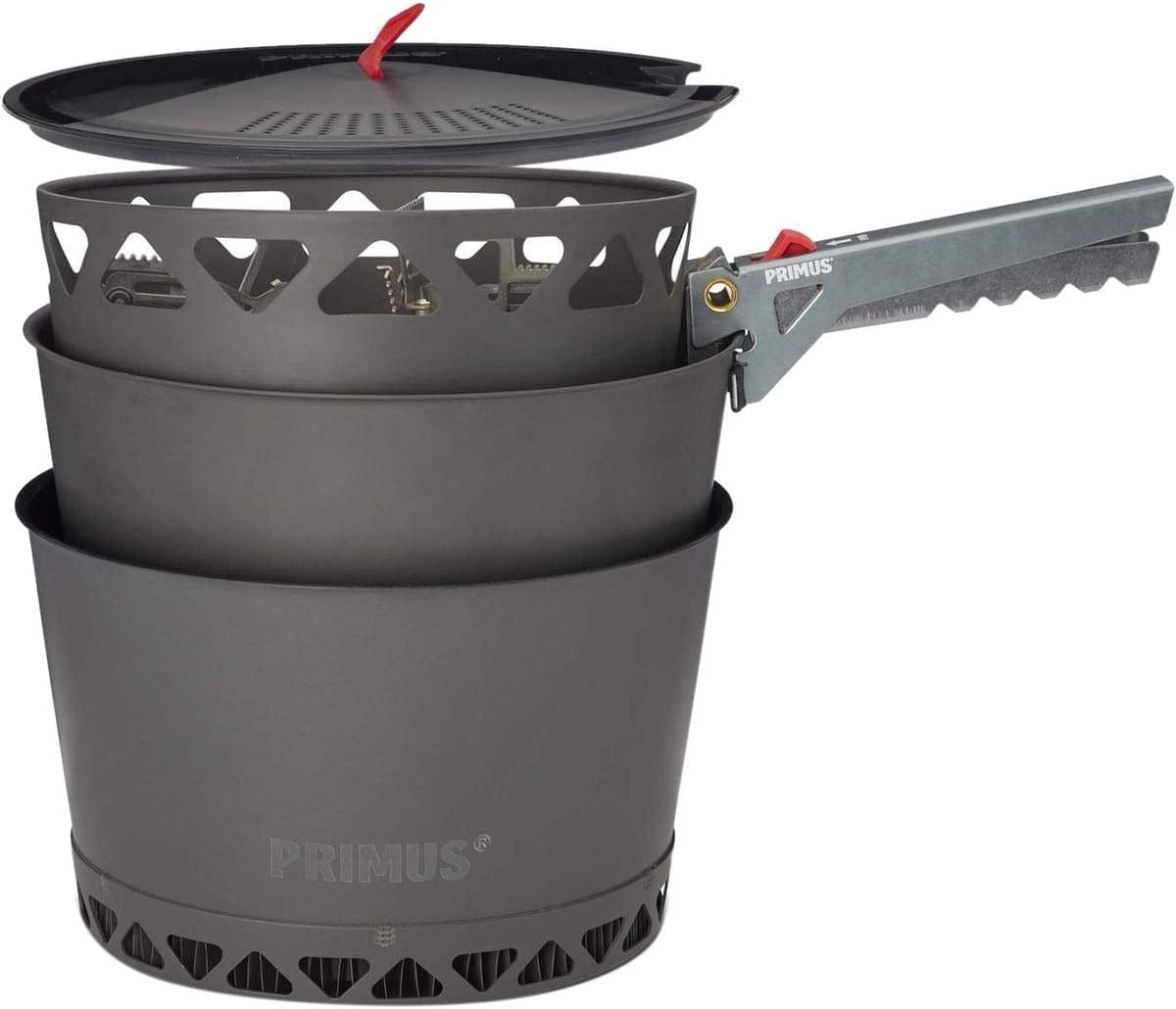 | 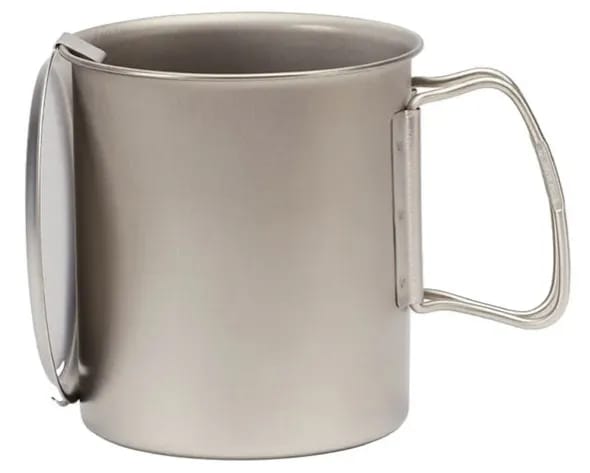 VS | |
| Weight | 31.9 oz | 4.8 oz |
| Material | Stainless Steel, Hard Anodized Aluminum, Ceramic Nonstick Coating, Tritan, Silicone | Titanium |
| Dimensions | 7.09 × 4.13 in | 4.2 × 4.4 in |
| Warranty | N/A | Lifetime |
| Lid | Transparent with integrated colander | Included |
| Coating | Ceramic Nonstick | N/A |
| Handle | Heat-resistant silicone | Folding |
| Nesting Capability | Yes, pots and components nest into each other | Nests with Trek 900; stores fuel and GigaPower Stove |
| Capacity | 5.6 cups | 23.6 fl oz |
| Primus PrimeTech Stove Set 1.3L | Snow Peak Trek 700 Titanium |
|---|---|
| |
| Weight | |
31.9 oz | 4.8 oz |
| Material | |
Stainless Steel, Hard Anodized Aluminum, Ceramic Nonstick Coating, Tritan, Silicone | Titanium |
| Dimensions | |
7.09 × 4.13 in | 4.2 × 4.4 in |
| Warranty | |
N/A | Lifetime |
| Lid | |
Transparent with integrated colander | Included |
| Coating | |
Ceramic Nonstick | N/A |
| Handle | |
Heat-resistant silicone | Folding |
| Nesting Capability | |
Yes, pots and components nest into each other | Nests with Trek 900; stores fuel and GigaPower Stove |
| Capacity | |
5.6 cups | 23.6 fl oz |
Durability
Primus PrimeTech Stove Set 1.3L
Trek 700 Titanium
Durability is critical for backpacking cookware that faces rough terrain, abrasive surfaces, and repeated exposure to heat and moisture. A durable set ensures your gear lasts for seasons of use without warping, cracking, or losing its non-stick properties. The Primus PrimeTech Stove Set 1.3L demonstrates superior resilience with its hard-anodized aluminum pan and ceramic non-stick coating, which users report resists wear, heat, and corrosion effectively without burn marks or damage. Conversely, while the Snow Peak Trek 700 Titanium is praised for its solid feel and ability to withstand significant abuse, some users have noted issues with dings in the bottom and warping under extreme stress, leading to a lower overall durability rating. For buyers prioritizing long-term resistance to wear and tear, the Primus set offers a more robust construction.
Portability
Primus PrimeTech Stove Set 1.3L
Trek 700 Titanium
Portability determines how much space your cooking gear occupies in your pack and how easy it is to carry on long treks. Both products excel in this area, though they achieve it through different design philosophies. The Primus PrimeTech Stove Set 1.3L nests its components compactly with a dedicated storage bag and carrying handle, making it ideal for backpackers who need to save space for two or three people. Similarly, the Snow Peak Trek 700 Titanium is celebrated for its featherweight design, with folding handles and a mesh stuff sack that allow it to fit into side pockets or nest perfectly with other gear. Since both sets receive high marks for their compact nesting capabilities and lightweight nature, the choice here depends on whether you prioritize the absolute lowest weight of the titanium set or the slightly more substantial but still compact Primus system.
Performance
Primus PrimeTech Stove Set 1.3L
Trek 700 Titanium
Performance in backpacking cookware is measured by boil times, fuel efficiency, and the ability to maintain consistent heat in varying conditions. The Primus PrimeTech Stove Set 1.3L is a clear standout, featuring a heat exchanger that increases efficiency by about 50% and a regulated stove capable of boiling water in under two and a half minutes. Users consistently praise its precise flame adjustability, quiet burner, and ability to conserve fuel, making it perfect for preparing full meals quickly. The Snow Peak Trek 700 Titanium performs well for solo boiling tasks and works with various stove types, but it lacks the integrated efficiency features of the Primus, with some users noting it takes longer to boil water and loses heat quickly. For those who value speed and fuel economy, the Primus set offers a significant performance advantage.
Ease Of Use
Primus PrimeTech Stove Set 1.3L
Trek 700 Titanium
Ease of use encompasses setup, cooking convenience, and cleanup, which are vital when you are tired after a long day on the trail. The Primus PrimeTech Stove Set 1.3L is designed for maximum convenience, featuring a built-in lighter, a strainer lid, and heat-resistant silicone handles that make handling hot pots safe and simple. Its ceramic non-stick coating ensures easy cleanup, and the straightforward design allows users to go from zero to boiling in just a few minutes with minimal effort. The Snow Peak Trek 700 Titanium offers useful features like internal measurement markings and folding handles, but its non-insulated handles can get hot, and the lid handle has been described as sharp, requiring more caution during use. The Primus set provides a more user-friendly experience with its integrated safety and convenience features.
Versatility
Primus PrimeTech Stove Set 1.3L
Trek 700 Titanium
Versatility refers to the cookware's ability to handle different cooking tasks, from boiling water to preparing complex meals, and its compatibility with various stove types. Both products score highly here, offering flexible solutions for different backpacking scenarios. The Primus PrimeTech Stove Set 1.3L features flip-up feet that allow it to fit larger pots and includes nonstick pans suitable for group cooking and full meals. The Snow Peak Trek 700 Titanium is equally adaptable, functioning as both a pot and a coffee mug, fitting various stove types including wood burners, and offering the right volume for solo or two-person trips. Since both sets are praised for their ability to handle a wide range of cooking tasks and adapt to different needs, they are equally versatile choices for different types of hikers.
Stability
Primus PrimeTech Stove Set 1.3L
Trek 700 Titanium
Stability is essential for preventing spills and ensuring safety, especially when cooking on uneven ground or in windy conditions. The Primus PrimeTech Stove Set 1.3L excels with a low center of gravity, rubberized feet, and a recessed frame that shields against the wind, ensuring the cookware sits securely without rocking. Users describe it as extremely stable, noting that unlike conventional stoves, the gas canister sits low and nothing is likely to fall over. In contrast, the Snow Peak Trek 700 Titanium, while feeling solid on flat surfaces, has been reported to rock a little bit on uneven terrain, leading to a lower stability rating. For backpackers who frequently camp in exposed or uneven locations, the Primus set provides a much more secure and reliable cooking platform.
Trust & Transparency
- Data-driven rankings from real user reviews
- Affiliate partnerships don't influence our methodology
We may earn commission from links.
Conclusion & Final Verdict:
The Primus PrimeTech Stove Set 1.3L is the superior choice for backpackers who prioritize cooking performance, stability, and ease of use. Its integrated windscreen, precise flame control, and robust construction make it ideal for group trips or challenging weather conditions where reliability is paramount. However, if your primary goal is minimizing pack weight for long-distance solo hiking, the Snow Peak Trek 700 Titanium is the better option. Its titanium construction and folding handles offer exceptional portability, though you will sacrifice some stability and cooking speed. Ultimately, choose the Primus for a full-featured cooking experience and the Snow Peak for ultralight efficiency.
Related Comparisons
MSR Trail Mini™ Solo Cook SetvsSnow Peak Trek 700 Titanium
The MSR Trail Mini™ Solo Cook Set offers a compact aluminum solution for solo hikers, while the Snow Peak Trek 700 Titanium delivers superior lightweight performance and versatility with its titanium construction.
Primus PrimeTech Stove Set 1.3LvsMSR Titan Kettle 1400mL
Compare the Primus PrimeTech Stove Set 1.3L and MSR Titan Kettle 1400mL to decide between a high-performance integrated cooking system and an ultralight titanium vessel for your next backpacking trip.
Primus PrimeTech Stove Set 1.3LvsSnow Peak Titanium Mini Solo Cookware
The Primus PrimeTech Stove Set 1.3L offers a robust, feature-rich cooking system ideal for groups and windy conditions, while the Snow Peak Titanium Mini Solo Cookware prioritizes extreme lightweight portability for solo adventurers.
Primus PrimeTech Stove Set 1.3LvsVargo Bot 1L Cookware
The Primus PrimeTech Stove Set 1.3L offers a robust, wind-resistant cooking system with precise flame control, while the Vargo Bot 1L provides an ultra-lightweight, dual-purpose solution that doubles as a water bottle for minimalist treks.
Sea to Summit Frontier Ultralight Collapsible One Pot Cook Set 1L - [3 Piece]vsPrimus PrimeTech Stove Set 1.3L
The Sea to Summit Frontier Ultralight Collapsible Set wins on extreme packability for solo hikers, while the Primus PrimeTech Stove Set dominates in cooking speed, stability, and versatility for group trips.
Sea to Summit Frontier Ultralight Collapsible One Pot Cook Set 1L - [3 Piece]vsSnow Peak Trek 700 Titanium
Compare the Sea to Summit Frontier Ultralight Collapsible Cook Set and the Snow Peak Trek 700 Titanium to find the perfect solo cooking solution for your next backpacking trip.