
REI Co-op Base Camp 6 Tent vs Kelty Rumpus 6P Tent
Why You Can Trust Us
- Side-by-side analysis based on real user feedback
- Unbiased comparisons, not influenced by partnerships
- Updated as new data becomes available
We may earn from affiliate links at no extra cost to you.
| REI Co-op Base Camp 6 Tent | Kelty Rumpus 6P Tent | |
|---|---|---|
 |  VS | |
| Dimensions | 74 × 110.2 × 110.2 in | 117.5 × 105 × 75.5 in |
| Base Area | 84 sq ft | 85.68 sq ft |
| Tent Weight | 18.63 lb | 17.38 lb |
| Number Of Doors | 2 | 2 |
| Pockets | Multi-pockets | 4 internal storage pockets |
| Warranty | REI limited warranty; 1-year satisfaction guarantee | Limited Lifetime |
| Pole Material | Aluminum | N/A |
| Number Of Vestibules | 2 | 1 |
| Mesh Coverage | No-see-um mesh: solution-dyed 40-denier nylon | No-See-Um Mesh |
| Seam Taping | N/A | Full coverage rainfly |
| Freestanding | Yes | Yes |
| Setup Time | N/A | N/A |
| Size | 6-person | 6P |
| REI Co-op Base Camp 6 Tent | Kelty Rumpus 6P Tent |
|---|---|
| |
| Dimensions | |
74 × 110.2 × 110.2 in | 117.5 × 105 × 75.5 in |
| Base Area | |
84 sq ft | 85.68 sq ft |
| Tent Weight | |
18.63 lb | 17.38 lb |
| Number Of Doors | |
2 | 2 |
| Pockets | |
Multi-pockets | 4 internal storage pockets |
| Warranty | |
REI limited warranty; 1-year satisfaction guarantee | Limited Lifetime |
| Pole Material | |
Aluminum | N/A |
| Number Of Vestibules | |
2 | 1 |
| Mesh Coverage | |
No-see-um mesh: solution-dyed 40-denier nylon | No-See-Um Mesh |
| Seam Taping | |
N/A | Full coverage rainfly |
| Freestanding | |
Yes | Yes |
| Setup Time | |
N/A | N/A |
| Size | |
6-person | 6P |
Ease Of Setup
REI Co-op Base Camp 6 Tent
Kelty Rumpus 6P Tent
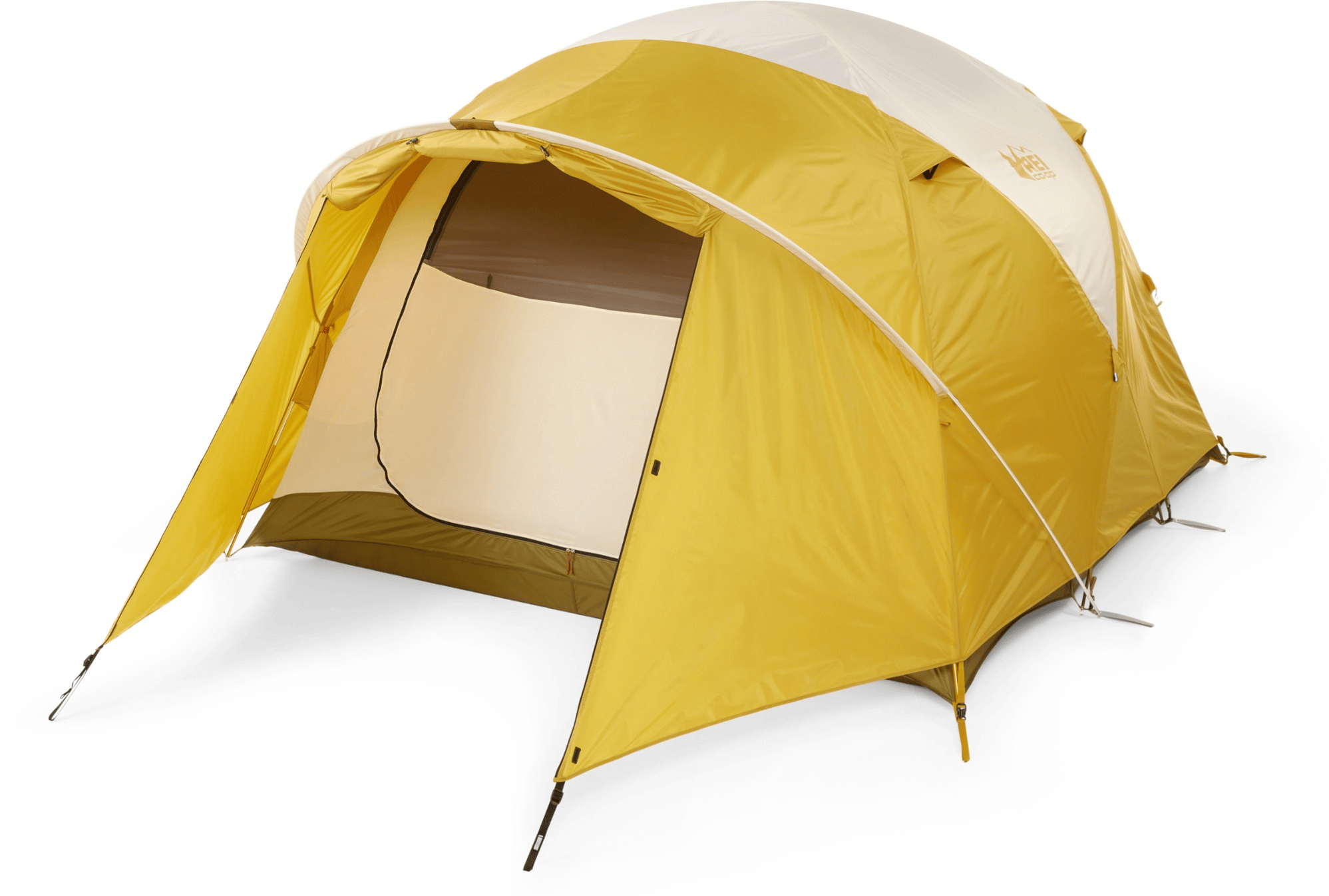
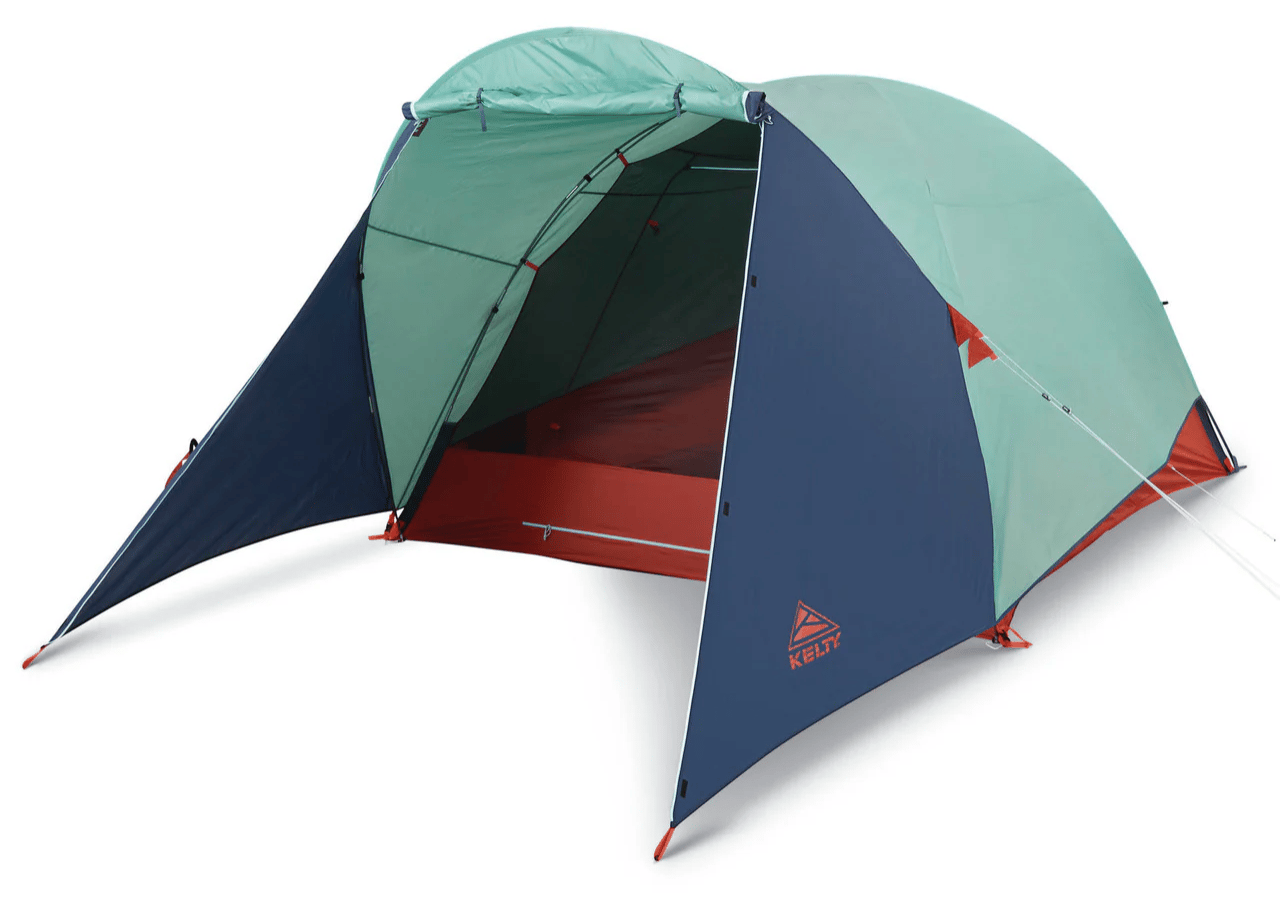
Setup speed and simplicity are critical for families arriving at a campsite after a long drive or when weather turns quickly. A tent that requires complex maneuvers or multiple people can turn a relaxing trip into a stressful ordeal. The Kelty Rumpus 6P dominates this category with its 'Quick Corners' system and color-coded poles, allowing users to stake out corners and raise the structure in minutes with minimal frustration. Conversely, the REI Co-op Base Camp 6 presents a steeper learning curve; while it features color-coded sleeves and clips, users frequently report that the long pole sleeves snag, the rainfly is difficult to align, and packing the tent back into its side-loading bag is a struggle that can take over 15 minutes. For buyers prioritizing a hassle-free experience, the Kelty is the clear choice, while the REI requires patience and practice to master.
Weather Protection
REI Co-op Base Camp 6 Tent
Kelty Rumpus 6P Tent
Reliable weather protection is the primary function of any tent, ensuring dry interiors during heavy rain and stability in strong winds. The REI Co-op Base Camp 6 is engineered for these challenges, featuring a full-coverage rainfly that extends nearly to the ground and a robust dome architecture that has withstood winds up to 50 mph in testing. Users consistently praise its ability to keep water out even during horizontal rain, though some note minor condensation issues. The Kelty Rumpus 6P offers decent protection with a massive rainfly and good water resistance for light to moderate showers, but it lacks the storm-worthy construction of the REI. Reports of leaks in heavy rain and a less secure feel in high winds suggest the Kelty is better suited for fair-weather camping, whereas the REI provides peace of mind in severe conditions.
Comfort
REI Co-op Base Camp 6 Tent
Kelty Rumpus 6P Tent
Comfort in a six-person tent is defined by interior volume, headroom, and ventilation, which determine how livable the space feels for a group. The Kelty Rumpus 6P offers a distinct advantage here with its rectangular footprint and high peak height, creating a 'wilderness porch' feel that allows families to move around freely and fit cots easily. Its design maximizes usable floor space, making it feel less claustrophobic than traditional dome tents. The REI Co-op Base Camp 6 is also spacious with a large vestibule and good standing height at the center, but its dome shape means headroom drops off quickly toward the walls, and some users find it can get stuffy in summer due to less mesh coverage compared to the Kelty. For groups needing maximum floor space and a roomy atmosphere, the Kelty edges out the REI.
Durability
REI Co-op Base Camp 6 Tent
Kelty Rumpus 6P Tent
Long-term durability determines whether a tent will survive multiple seasons of use or require early replacement. The REI Co-op Base Camp 6 is constructed with high-quality 150-denier polyester and aluminum poles, materials that resist bending and tearing even after extended use. Users highlight the strength of the YKK zippers and the overall sturdy construction, noting that the tent holds up well against abrasion and stress. In contrast, the Kelty Rumpus 6P uses lighter 68-denier fabric and fiberglass poles, which have drawn criticism for potential breakage and fabric tears over time. While the Kelty is adequate for occasional use, the REI's superior material quality and robust build make it the definitive choice for buyers seeking a tent that will last for years.
Storage
REI Co-op Base Camp 6 Tent
Kelty Rumpus 6P Tent
Effective storage solutions keep gear organized and the sleeping area clutter-free, which is essential when camping with a large group. Both tents offer impressive storage, but they approach it differently. The Kelty Rumpus 6P features massive front vestibules and a 'wilderness porch' that can double as a covered living area, along with multiple internal pockets and a convenient shark-mouth duffel bag for packing. The REI Co-op Base Camp 6 compensates with two large vestibules totaling over 50 square feet of gear space, plus an abundance of internal mesh pockets and hanging loops. While the REI offers more total vestibule area for wet gear, the Kelty's design integrates storage more seamlessly into the living space, making it slightly more versatile for organizing family items and outdoor furniture.
Stability
REI Co-op Base Camp 6 Tent
Kelty Rumpus 6P Tent
Stability ensures the tent remains secure and upright during gusty winds, preventing collapse or damage to the structure. The REI Co-op Base Camp 6 is a standout in this category, utilizing a four-pole crisscrossing dome design that distributes wind load effectively and has been tested to withstand winds up to 50 mph. Its aluminum poles and multiple guy-out points provide a rigid, fortress-like stability that inspires confidence in stormy weather. The Kelty Rumpus 6P is freestanding and includes pre-attached guy lines, offering decent stability in moderate breezes, but its fiberglass poles and lighter construction make it less reliable in high winds. For campers who frequently encounter unpredictable weather, the REI's superior structural integrity is a critical advantage.
Trust & Transparency
- Data-driven rankings from real user reviews
- Affiliate partnerships don't influence our methodology
We may earn commission from links.
Conclusion & Final Verdict:
The REI Co-op Base Camp 6 is the superior choice for campers who prioritize durability, storm protection, and long-term reliability. Its aluminum poles and robust weatherproofing make it ideal for unpredictable weather and frequent use, despite a more challenging setup process.
The Kelty Rumpus 6P is the better option for casual families and car campers who value speed, spaciousness, and ease of use. Its quick setup and roomy interior are perfect for fair-weather trips, though buyers should be aware of potential durability limitations with its fiberglass poles.
Verdict: Choose the REI for serious outdoor adventures and the Kelty for relaxed, quick-turnaround family camping.
Related Comparisons
REI Co-op Base Camp 6 TentvsALPS Mountaineering Lynx 4-Person Tent
Compare the spacious, storm-ready REI Co-op Base Camp 6 with the lightweight, easy-pitch ALPS Mountaineering Lynx 4 to find the perfect shelter for your next adventure.
REI Co-op Base Camp 6 TentvsBig Agnes Bunk House 4 Tent
The REI Co-op Base Camp 6 offers superior wind stability and massive floor space for large groups, while the Big Agnes Bunk House 4 delivers exceptional interior comfort with near-vertical walls and top-tier durability for families seeking a premium shelter.
REI Co-op Base Camp 6 TentvsColeman 8-Person Dark Room™ Skydome™ Camping Tent
The REI Co-op Base Camp 6 excels in storm stability and gear storage with premium materials, while the Coleman 8-Person Dark Room Skydome offers faster setup and superior light-blocking for casual campers.
REI Co-op Base Camp 6 TentvsColeman WeatherMaster® 6-Person Tent with Screen Room
The REI Co-op Base Camp 6 excels in storm protection and stability with aluminum poles, while the Coleman WeatherMaster offers superior comfort and a unique screened porch, though it struggles in heavy rain.
REI Co-op Base Camp 6 TentvsCORE 9 Person Instant Cabin Tent
The REI Co-op Base Camp 6 excels in storm stability and gear storage with its dual vestibules, while the CORE 9 Person Instant Cabin wins on setup speed and interior headroom for large families.
REI Co-op Base Camp 6 TentvsKelty Wireless 6 Tent
The REI Co-op Base Camp 6 excels in storm stability with aluminum poles, while the Kelty Wireless 6 wins on setup speed and interior comfort, making the choice depend on your priority: rugged durability or effortless convenience.