
REI Co-op Westward 6 Tent vs Kelty Wireless 6 Tent
Why You Can Trust Us
- Side-by-side analysis based on real user feedback
- Unbiased comparisons, not influenced by partnerships
- Updated as new data becomes available
We may earn from affiliate links at no extra cost to you.
| REI Co-op Westward 6 Tent | Kelty Wireless 6 Tent | |
|---|---|---|
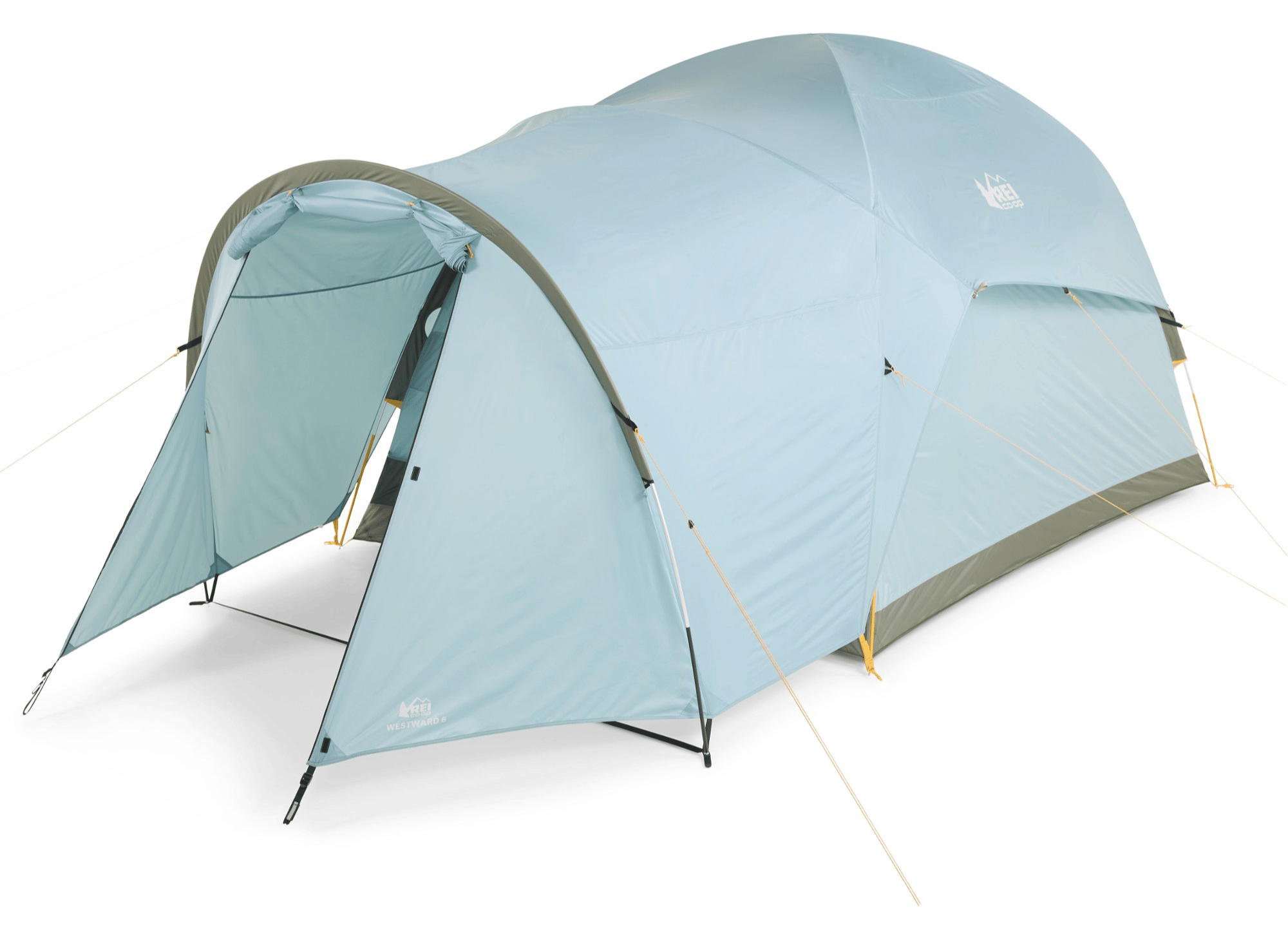 | 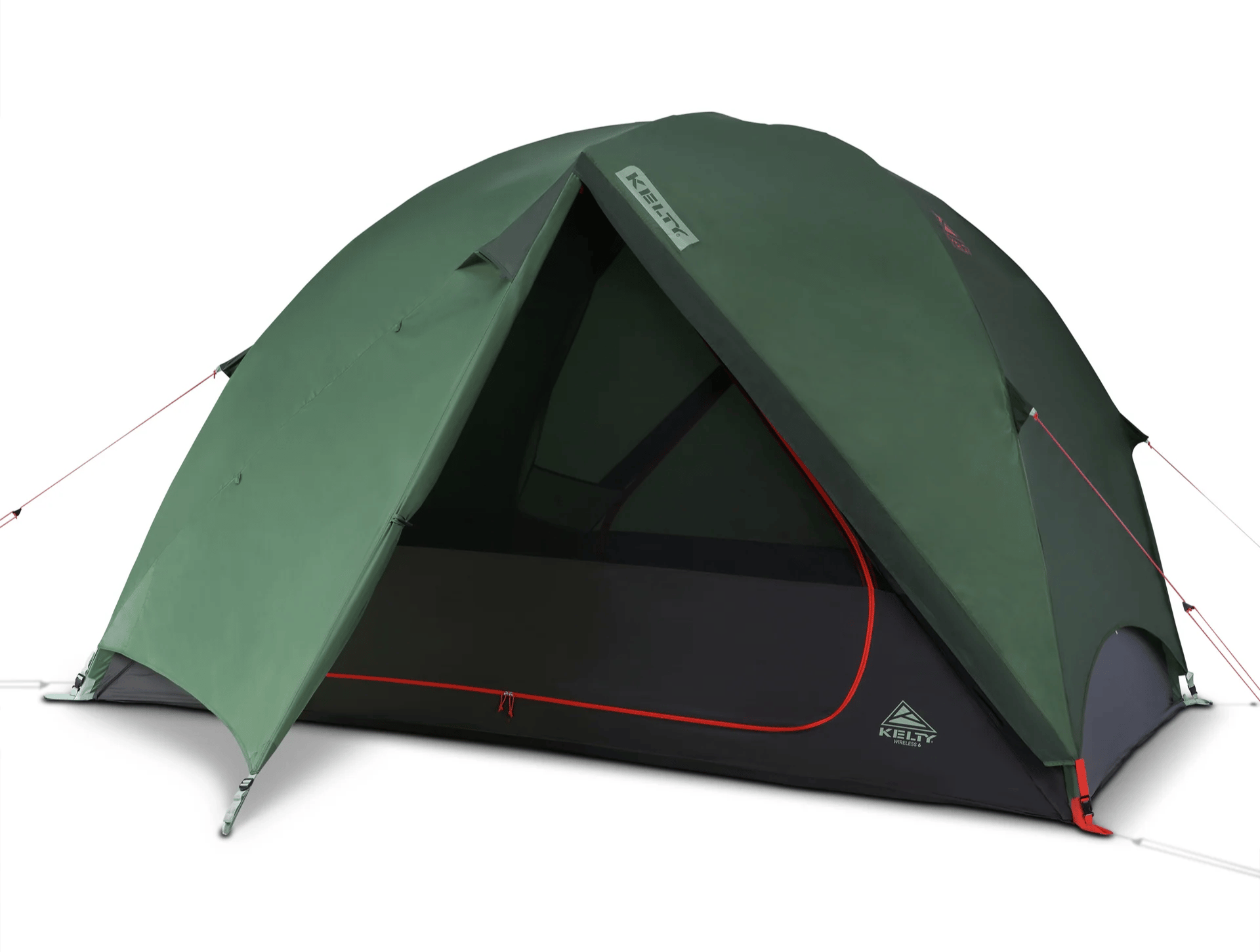 VS | |
| Dimensions | 120 × 97 × 77 in | 117.5 × 106 × 74 in |
| Base Area | 80.83 sq ft | 86.5 sq ft |
| Tent Weight | 19.63 lb | 18.13 lb |
| Number Of Doors | 2 | 2 |
| Pockets | Multiple exterior and interior pockets | 6 (2 nightlight pockets & 4 mesh pockets) |
| Warranty | REI limited warranty; 1-year satisfaction guarantee | Limited Lifetime |
| Pole Material | Aluminum | Fiberglass |
| Number Of Vestibules | 1 | 2 |
| Mesh Coverage | Bugproof mesh paneling on walls, windows and doors | No-See-Um Mesh |
| Seam Taping | Seam-sealed | Fully taped seams |
| Freestanding | Yes | Yes |
| Setup Time | N/A | N/A |
| Size | 6-person | 6-person |
| REI Co-op Westward 6 Tent | Kelty Wireless 6 Tent |
|---|---|
| |
| Dimensions | |
120 × 97 × 77 in | 117.5 × 106 × 74 in |
| Base Area | |
80.83 sq ft | 86.5 sq ft |
| Tent Weight | |
19.63 lb | 18.13 lb |
| Number Of Doors | |
2 | 2 |
| Pockets | |
Multiple exterior and interior pockets | 6 (2 nightlight pockets & 4 mesh pockets) |
| Warranty | |
REI limited warranty; 1-year satisfaction guarantee | Limited Lifetime |
| Pole Material | |
Aluminum | Fiberglass |
| Number Of Vestibules | |
1 | 2 |
| Mesh Coverage | |
Bugproof mesh paneling on walls, windows and doors | No-See-Um Mesh |
| Seam Taping | |
Seam-sealed | Fully taped seams |
| Freestanding | |
Yes | Yes |
| Setup Time | |
N/A | N/A |
| Size | |
6-person | 6-person |
Ease Of Setup
REI Co-op Westward 6 Tent
Kelty Wireless 6 Tent
For car campers and families, the time and effort required to pitch a tent can make or break the start of a trip. A tent that is intuitive and fast to assemble reduces frustration, especially in poor weather or when setting up after dark. The Kelty Wireless 6 is the clear winner here, utilizing color-coded components and Quick Corners to allow for a fast, effortless setup that buyers consistently praise. Conversely, the REI Co-op Westward 6 presents a steeper learning curve; while it has color-coded poles, users report that the long pole sleeves frequently snag, and the process can take over 17 minutes for first-timers. Additionally, the REI tent requires more stakes and guy lines than are included in the box, adding steps to the process that the Kelty avoids.
Weather Protection
REI Co-op Westward 6 Tent
Kelty Wireless 6 Tent
When camping in shoulder seasons or unpredictable climates, a tent's ability to keep you dry and shielded from wind is non-negotiable. Superior weather protection means a full-coverage rainfly that prevents water from touching the inner tent and a structure that resists collapsing under heavy rain or gusts. The REI Co-op Westward 6 dominates this category with a near-perfect rating, as buyers confirm it survived heavy rain tests with zero leaks and offers excellent wind protection thanks to its four-pole crisscross architecture. The Kelty Wireless 6 also performs well with fully taped seams and a DWR finish, but it lacks the same level of proven resilience in extreme conditions compared to the REI model. For those prioritizing staying dry in a storm, the REI's robust rainfly and sealed construction provide a higher margin of safety.
Comfort
REI Co-op Westward 6 Tent
Kelty Wireless 6 Tent
Interior comfort is defined by headroom, floor space, and ventilation, determining how livable the tent feels for a group over several days. A comfortable tent allows occupants to move freely without feeling claustrophobic and maintains a fresh atmosphere through effective airflow. The Kelty Wireless 6 edges out the competition with a larger base area of 86.5 square feet and an entire mesh canopy that buyers describe as excellent for ventilation and cooling. While the REI Co-op Westward 6 offers a respectable peak height where one can stand upright, its square base and dome shape can feel tighter, with some users noting that heads graze the walls when sitting up. The Kelty's design, featuring huge doors and a more open mesh layout, creates a cozier and more spacious environment for six people.
Durability
REI Co-op Westward 6 Tent
Kelty Wireless 6 Tent
Long-term durability ensures that a tent remains a reliable investment through multiple seasons of use, resisting wear on zippers, fabric, and structural poles. High durability means materials like aluminum poles and high-denier fabrics that withstand abrasion and stress without failing. The REI Co-op Westward 6 is the superior choice here, featuring aluminum poles, 150-denier flooring, and YKK zippers that buyers praise for their longevity and snag-free operation. In contrast, the Kelty Wireless 6 uses fiberglass poles and lighter fabrics, which have led to user reports of pole breakage and fabric tearing over time. While the Kelty is generally well-made, the REI's heavy-duty construction offers a clear advantage for campers who need a tent that will last for years of frequent use.
Storage
REI Co-op Westward 6 Tent
Kelty Wireless 6 Tent
Effective storage solutions keep the sleeping area clutter-free by providing dedicated spaces for gear, shoes, and personal items. Good storage includes a combination of interior pockets, vestibules for muddy boots, and loops for hanging lanterns or drying clothes. Both tents offer a tie in this category, providing ample organization options that buyers find practical. The REI Co-op Westward 6 impresses with a mind-boggling 14 interior pockets and 20 hang loops, alongside two large vestibules for gear. The Kelty Wireless 6 matches this utility with two vestibules, six specific pockets including nightlight holders, and external storage space. While the REI has a slight edge in the sheer number of pockets, both tents successfully keep living spaces organized and accessible.
Stability
REI Co-op Westward 6 Tent
Kelty Wireless 6 Tent
Stability is critical for safety and comfort, ensuring the tent remains secure and upright during high winds or uneven ground. A stable tent relies on a strong pole structure and effective staking points to prevent collapsing or flapping in the breeze. The REI Co-op Westward 6 is the undisputed leader, with buyers noting its four intersecting poles and aerodynamic shape make it incredibly secure in strong winds. Its aluminum frame and extensive staking requirements contribute to a rigid structure that feels sturdier than budget alternatives. The Kelty Wireless 6, while freestanding, relies on three wrapped fiberglass poles and has received fewer mentions regarding wind performance, with some users noting it may not be as sturdy in very windy conditions. For exposed campsites, the REI's superior stability is a decisive factor.
Trust & Transparency
- Data-driven rankings from real user reviews
- Affiliate partnerships don't influence our methodology
We may earn commission from links.
Conclusion & Final Verdict:
The REI Co-op Westward 6 is the superior choice for campers who prioritize durability, weather protection, and stability. Its aluminum poles and robust rainfly make it an excellent investment for frequent campers or those facing harsh, windy, or rainy conditions, despite the more complex setup process.
Conversely, the Kelty Wireless 6 is the best fit for groups who value speed, spaciousness, and ease of use. With its quick-setup system, larger floor area, and lighter weight, it is ideal for casual car camping or short trips where comfort and convenience outweigh the need for extreme weather resilience.
Final Verdict: Choose the REI for rugged reliability; choose the Kelty for effortless comfort.
Related Comparisons
REI Co-op Westward 6 TentvsALPS Mountaineering Lynx 4-Person Tent
The REI Co-op Westward 6 offers superior weather protection and interior space for families, while the ALPS Mountaineering Lynx 4 excels in portability and rapid setup for smaller groups.
REI Co-op Westward 6 TentvsBig Agnes Bunk House 4 Tent
The REI Co-op Westward 6 excels in storm protection and stability, while the Big Agnes Bunk House 4 offers superior interior comfort and durability for families.
REI Co-op Westward 6 TentvsColeman 8-Person Dark Room™ Skydome™ Camping Tent
The REI Co-op Westward 6 excels in weather protection, durability, and stability with premium materials, while the Coleman 8-Person Dark Room Skydome offers a spacious, dark interior and faster setup for casual campers.
REI Co-op Westward 6 TentvsColeman WeatherMaster® 6-Person Tent with Screen Room
The REI Co-op Westward 6 excels in severe weather and organization, while the Coleman WeatherMaster offers superior interior volume and a unique screen room, though it struggles with rain leakage.
REI Co-op Westward 6 TentvsCORE 9 Person Instant Cabin Tent
The REI Co-op Westward 6 offers superior weather protection and stability for serious campers, while the CORE 9 Person Instant Cabin Tent wins on setup speed and interior volume for large families.
REI Co-op Westward 6 TentvsKelty Rumpus 6P Tent
The REI Co-op Westward 6 excels in severe weather and durability with aluminum poles, while the Kelty Rumpus 6P wins on setup speed and interior spaciousness for casual family trips.