
RIDE Hera vs K2 Orton
Why You Can Trust Us
- Side-by-side analysis based on real user feedback
- Unbiased comparisons, not influenced by partnerships
- Updated as new data becomes available
We may earn from affiliate links at no extra cost to you.
| Hera | Orton | |
|---|---|---|
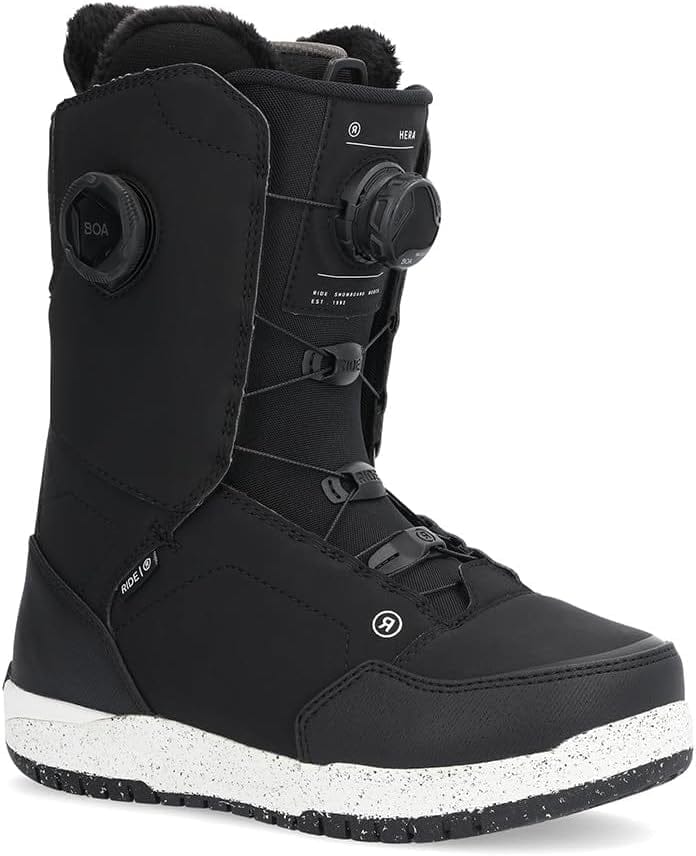 | 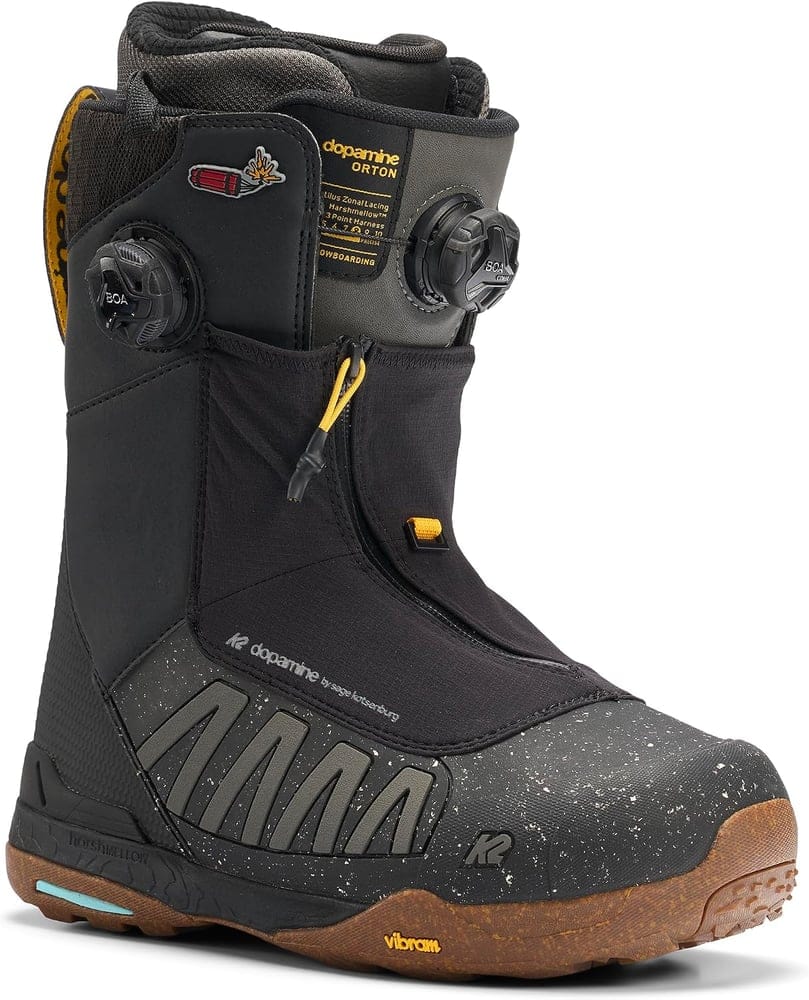 VS | |
| Flex | Medium | Stiff |
| Closure System | BOA® Fit System (H5 dial) with BOA® Tongue Tied™ | Dual-zone BOA® Fit System Powered by H5 |
| Binding Compatibility | Standard strap bindings | Standard strap bindings |
| Liner Type | Removable Intuition™ Support Foam Liner | Intuition® Pro Foam 3D heat-moldable liner |
| Warranty | 1 Year | 1 Year |
| Footbed Type | Impacto Ultra Insole (3D formed dual density) | Eco-Harshmellow™ Pro Insole |
| Outsole Type | Impact Rubber Cup Sole | Vibram® V5 Outsole with Harshmellow™ |
| Size Range | US Women's 5–11 | US Men's 7–13 (Women's 8–14) |
| RIDE Hera | K2 Orton |
|---|---|
| |
| Flex | |
Medium | Stiff |
| Closure System | |
BOA® Fit System (H5 dial) with BOA® Tongue Tied™ | Dual-zone BOA® Fit System Powered by H5 |
| Binding Compatibility | |
Standard strap bindings | Standard strap bindings |
| Liner Type | |
Removable Intuition™ Support Foam Liner | Intuition® Pro Foam 3D heat-moldable liner |
| Warranty | |
1 Year | 1 Year |
| Footbed Type | |
Impacto Ultra Insole (3D formed dual density) | Eco-Harshmellow™ Pro Insole |
| Outsole Type | |
Impact Rubber Cup Sole | Vibram® V5 Outsole with Harshmellow™ |
| Size Range | |
US Women's 5–11 | US Men's 7–13 (Women's 8–14) |
Comfort
Hera
Orton
Comfort matters in a snowboard boot because it decides how your feet hold up over a full day of runs, especially when you are standing on a board for hours. The Hera is praised for its cushioned Eco+ Slime midsole, Impacto Ultra insole, and softer inner liner, which many buyers describe as cushy and forgiving across long days. Its heat-reflective foil and bamboo-charcoal lining add warmth and help regulate temperature and odor, and the fabric mesh is noted for drying quickly. Some buyers, however, mention toe strap pressure and a large seam that can be felt inside the liner. The Orton earns strong comfort marks for feeling comfy right out of the box, with a snug Intuition liner, blanket panels, and heat-reflective tape that help keep feet warm. It also avoids pressure points from tongue eyelets and does not crush smaller toes, though a side seam in the liner may bother some feet. Both boots score nearly identically here, so this category is a tie. Choose the Hera if you prioritize cushioning and a plush underfoot feel, and choose the Orton if you prefer a snug liner that feels ready to ride immediately.
Fit
Hera
Orton
Fit is one of the most important factors in a snowboard boot, since a loose heel or pinching toes can make a day on the hill miserable and affect control. The Hera stands out with its tongue-tied BOA system, which pulls the tongue down and pushes the ankle back into the heel pocket, along with an adjustable calf system that suits a range of calf sizes. Buyers praise how well it locks the heel and ankle in place all day, and the heat-moldable Intuition liner helps it conform to the foot. The U-shaped J-bar is less suited to very narrow heels, and the lack of neoprene around the toe limits bulge and stretch, so riders with narrow heels should check fit carefully. The Orton is also a fit standout, with a wider forefoot, a narrower heel that limits lift, and a heat-moldable liner that molds to the foot. Its dual BOA zones let you set upper and lower tightness separately, and its harness sewn into the shell gives a precise fit, though its liner can push out on larger calves. The Hera wins this category on heel hold and calf adjustment, while the Orton is the better choice for riders who need a wider forefoot and fine-tuned customization.
Support
Hera
Orton
Support determines how well a boot transmits your movements to the board and how steady your ankles feel on hard landings and aggressive carving. The Hera offers a supportive, connected feel through its vertical ankle articulation, TPU back spine, and tongue-tied lockdown, which buyers say returns rebound when driving into the heel. Its articulated cuff is designed to prevent the shell from distorting under load. The Orton delivers firmer, more responsive support, with a rigid ankle area, a urethane backspine, multi-density foam at the ankle, and an aggressive flex rating. Its stiffness can also be adjusted if needed, and buyers describe it as steady and rebound-rich on hard landings. The Orton is the stronger choice for riders who want a firm, precise platform, while the Hera provides dependable heel and ankle control with a more forgiving character. For most riders who prioritize control and rebound, the Orton has the edge.
Board Feel
Hera
Orton
Board feel describes how much of your input reaches the snowboard and how well the boot dampens vibration, which shapes confidence at speed and on rough snow. The Hera's impact rubber cup sole and underfoot foam give it good board feel while dampening vibrations and impacts, and buyers say it reacts quickly from side to side. Its softer, medium flex suits all-mountain riding, but it is not built for aggressive charging. The Orton is praised as very responsive, with buyers saying it transfers power into turns and can be flexed and tweaked easily. Harshmellow foam and rubber damping work together to reduce vibration from the board through the bindings into the ankles, giving a quieter, more controlled ride. The Orton's board feel is one of its clearest strengths, while the Hera is a capable all-mountain option with a more relaxed response. Riders who want a precise connection to the board should choose the Orton.
Traction
Hera
Orton
Traction matters because icy slopes, hardpack, and wet mornings demand grip on hikes, lift lines, and tricky transitions. The Hera's less aggressive lug pattern provides less grip on icy terrain, which is a meaningful caution for riders who spend time on hard snow or ice. The Orton's Vibram V5 outsole is praised for grip in cold conditions and for its nice tread pattern. Buyer feedback on traction is limited for the Orton, so it is solid but not a headline strength. Still, the Orton has a clear edge over the Hera on this point. If you ride icy terrain or walk often in cold conditions, the Orton is the safer choice.
Durability
Hera
Orton
Durability is important because a snowboard boot takes constant flexing, moisture, and abrasion across multiple seasons. The Hera uses a toe seam wrap, double-stitched lace protection, premium PU materials, and a Rebound heel counter that holds its shape well over time, with buyers reporting few durability complaints. The Orton is also well built, with double-stitched gusset seams, scratch-resistant fabric, a durable toe cap, and an Endo backstay designed for longevity. Its reduced excess material and minimal stitching are meant to keep seams from blowing out in wet conditions. Both boots earn the same durability rating and show few negative signals, so neither has a clear advantage. Either will hold up well for regular riders.
Trust & Transparency
- Data-driven rankings from real user reviews
- Affiliate partnerships don't influence our methodology
We may earn commission from links.
Conclusion & Final Verdict:
Choose the RIDE Hera if you want a comfort-first boot with a locked-in heel, a cushioned footbed, and a softer medium flex for all-mountain riding. It is also the better pick for riders with larger or athletic calves who need calf adjustability. Be aware that its grip on icy terrain is limited, and check the fit if you have narrow heels.
Choose the K2 Orton if you want a firmer, more responsive boot with strong board feel, a customizable heat-moldable liner, and dual-zone lacing. It is the stronger option for hard-charging riders and anyone who rides icy slopes, thanks to its Vibram V5 outsole. Shoppers with wider forefeet will also appreciate its fit.
For most riders who value control and board connection, the Orton is the more capable performer. For riders who prioritize all-day comfort and heel hold over precision, the Hera is the more relaxed choice.
Related Comparisons
Nitro Team TLSvsK2 Orton
The K2 Orton is the better choice for riders who want a custom fit, responsive board feel, and firm control, thanks to its heat-moldable liner and dual BOA zones. The Nitro Team TLS suits buyers who want a plush, grippy boot with a longer warranty and a broader size range.
RIDE HeravsBurton Limelight BOA
The Hera offers the firmer heel lock and more rebound support, while the Limelight BOA is the more comfortable, warmer boot with better grip on ice. Pick the Hera for responsive all-mountain control, or the Limelight BOA for all-day comfort and walking traction.
RIDE HeravsK2 Maysis
The RIDE Hera is the better choice for riders who want a locked-in heel, a secure fit and all-day cushioning, while the K2 Maysis suits riders who prioritize responsive board feel and a more direct medium-to-stiff flex. Pick the Hera for comfort-first long days on the mountain and the Maysis for precise edge control.
RIDE HeravsNitro Team TLS
The RIDE Hera is the better choice for riders who want a locked-in heel, a comfortable all-day fit, and a boot that lasts across seasons. The Nitro Team TLS suits buyers who put grip on ice first and want a plush, broken-in feel with a longer warranty.
RIDE HeravsVans Luna Ventana Pro
The RIDE Hera is the better choice for riders who want a locked-in heel, a customizable calf fit, and more ankle support. The Vans Luna Ventana Pro suits riders who prioritize board response, grip on ice and snow, and out-of-the-box comfort.
RIDE Lasso ProvsK2 Orton
The K2 Orton is the better all-round pick for most buyers, with a wider forefoot, adjustable dual-zone lacing, and a more responsive feel on snow. The RIDE Lasso Pro suits riders with a narrow heel and foot shape who want a locked-in heel, springy rebound, and a grippy Michelin sole.