
Roc 10'6" vs NRS Clipper 126
Why You Can Trust Us
- Side-by-side analysis based on real user feedback
- Unbiased comparisons, not influenced by partnerships
- Updated as new data becomes available
We may earn from affiliate links at no extra cost to you.
| Roc 10'6" | NRS Clipper 126 | |
|---|---|---|
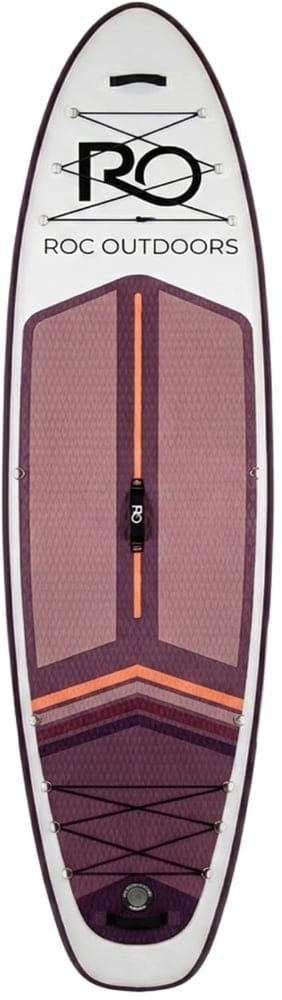 | 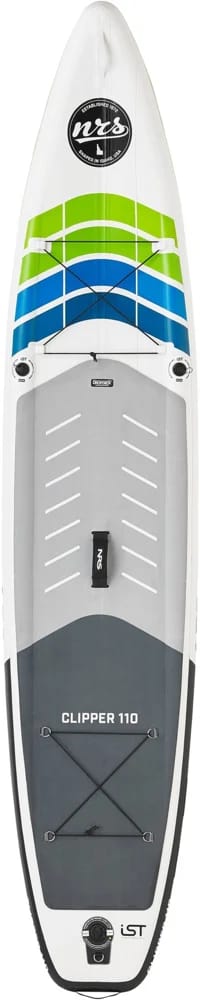 VS | |
| Dimensions | 10.5 × 2.75 ft | 110: 11 × 2.25 × 0.42 ft |
| Capacity | 350 lb | 235 lb |
| Weight | N/A | 110: 20.2 lb |
| Thickness | N/A | 110: 5 in |
| Maximum Pressure | N/A | 20 psi |
| Warranty | 3 Years | 3 Years Retail, 1 Year Commercial |
| Roc 10'6" | NRS Clipper 126 |
|---|---|
| |
| Dimensions | |
10.5 × 2.75 ft | 110: 11 × 2.25 × 0.42 ft |
| Capacity | |
350 lb | 235 lb |
| Weight | |
N/A | 110: 20.2 lb |
| Thickness | |
N/A | 110: 5 in |
| Maximum Pressure | |
N/A | 20 psi |
| Warranty | |
3 Years | 3 Years Retail, 1 Year Commercial |
Durability
Roc 10'6"
NRS Clipper 126
Durability determines how well a board survives frequent launches, rocky shorelines and accidental impacts. A board built with rugged, military‑grade quad‑core PVC can endure dents and punctures, giving owners confidence over years of use. The Roc 10'6" scores a 4.7 rating thanks to its thick, reinforced construction and countless buyer mentions of its solid build. The Clipper 126, while featuring double sidewall PVC, only earns a 3.6 rating and has far fewer durability comments. For paddlers who need a board that can take a beating, the Roc is the clear winner.
Stability
Roc 10'6"
NRS Clipper 126
Stability is crucial for confidence, especially for beginners and families who spend time standing still or paddling in choppy water. A wider platform provides a steadier feel, while drop‑deck designs can add balance but often at the cost of width. The Roc’s 33‑inch width delivers a 4.8 rating and is repeatedly praised for keeping riders upright. The Clipper’s drop‑deck technology earns a respectable 4.1 but doesn’t match the Roc’s broad footprint. Overall, the Roc offers the more stable experience.
Maneuverability
Roc 10'6"
NRS Clipper 126
Maneuverability affects how easily a board can turn, track a line, and respond to the paddler’s input – essential for navigating tight coves or crowded lakes. Boards that steer without over‑correction let riders focus on technique rather than fighting the board. The Roc scores a 4.9, with buyers noting its easy handling and responsive tracking, even if two people on board can make steering a bit harder. The Clipper’s 3.3 rating rests on a single positive tracking comment, indicating weaker handling overall. The Roc clearly outperforms in maneuverability.
Speed
Roc 10'6"
NRS Clipper 126
Speed matters most for touring paddlers who want to cover distance efficiently. A longer, narrower hull slices through water, while a wider, inflatable shape sacrifices some glide for stability. The Clipper 126’s 3.9 rating reflects its ability to cut through calm water and maintain a faster glide, a direct result of its 11‑12.5‑foot length. The Roc’s 3.4 rating notes it can keep pace with kayakers but isn’t built for racing. For speed‑focused outings, the Clipper takes the lead.
Comfort
Roc 10'6"
NRS Clipper 126
Comfort reduces fatigue on longer paddles, with padded decks, ergonomic handles and well‑designed leash systems playing key roles. The Roc includes a padded deck, shoulder straps and a grip handle, earning a 3.9 rating that buyers find adequately comfortable for casual use. The Clipper’s neoprene‑wrapped center handle earns a 3.3, indicating decent but lesser comfort. While neither board rivals high‑end premium models, the Roc provides a slightly more comfortable ride.
Portability
Roc 10'6"
NRS Clipper 126
Portability decides how easily a board can be transported to the water, especially for those without a roof rack or who travel by plane. Lightweight construction, quick inflation, and a compact carry bag are the hallmarks of a portable SUP. The Roc weighs about 20 lb and folds into a backpack, scoring a 4.8 and receiving thousands of positive mentions. The Clipper, at 20‑26 lb and larger dimensions, is noted as bulkier and harder to pack, reflected in its 3.7 rating. For paddlers who value easy transport, the Roc is the obvious choice.
Trust & Transparency
- Data-driven rankings from real user reviews
- Affiliate partnerships don't influence our methodology
We may earn commission from links.
Conclusion & Final Verdict:
Verdict: If you prioritize stability, durability, comfort and easy transport, the Roc 10'6" inflatable is the better all‑round choice, especially for beginners and families. If you need a board that slices through water faster for longer tours, the NRS Clipper 126’s length and shape give it the edge in speed. Choose the board that aligns with your primary paddling goals.
Overall winner for most casual paddlers: Roc 10'6".
Related Comparisons
SereneLife Serene LifevsRetrospec Weekender 10'6”
The Serene Life inflates to a sturdier, faster board with a higher weight capacity, while the Retrospec Weekender excels in stability, maneuverability, and portability. Pick Serene Life for rugged, speedy paddling; choose Weekender for agile, balanced rides.
Thurso Surf Waterwalker 126 10'6 All-AroundvsRetrospec Weekender 10'6”
The Thurso Surf Waterwalker 126 offers superior durability, stability and comfort, while the Retrospec Weekender shines in portability and maneuverability. Choose Waterwalker for rugged all‑around use, or Weekender if you need a lighter, more agile board.
NRS Clipper 126vsHydrus Board Tech JoyRide All-Around
The inflatable Hydrus JoyRide All‑Around outshines the hard‑shell NRS Clipper 126 in durability, speed, maneuverability and portability, making it the better all‑rounder, while the Clipper’s longer shape still offers solid flat‑water glide for distance paddlers.
NRS Clipper 126vsThurso Surf Waterwalker 126 10'6 All-Around
The NRS Clipper 126 excels at straight‑line speed and touring, while the Thurso Surf Waterwalker 126 wins on durability, stability and overall comfort for all‑skill paddlers; choose the Clipper for long‑distance cruising, the Waterwalker for a more versatile, rugged ride.
Roc 10'6"vsBOTE Breeze Aero
The Roc 10'6" inflatable outperforms the BOTE Breeze Aero in durability, stability, speed, load capacity and warranty, making it ideal for paddlers who want a rugged, high‑performance board, while the Breeze Aero’s ultra‑light, compact design suits those who prioritize portability over raw performance.
Roc 10'6"vsBOTE Rackham Aero
The Roc 10'6" offers superior stability, durability and ultra‑light portability for beginners and family outings, while the BOTE Rackham Aero trades a bit of ruggedness for higher speed and sharper maneuverability, suiting fitness or fishing paddlers.