
Sea to Summit Ultra-Sil Daypack vs Mountain Hardwear Lickety Split 20L Backpack
Why You Can Trust Us
- Side-by-side analysis based on real user feedback
- Unbiased comparisons, not influenced by partnerships
- Updated as new data becomes available
We may earn from affiliate links at no extra cost to you.
| Ultra-Sil Daypack | Mountain Hardwear Lickety Split 20L Backpack | |
|---|---|---|
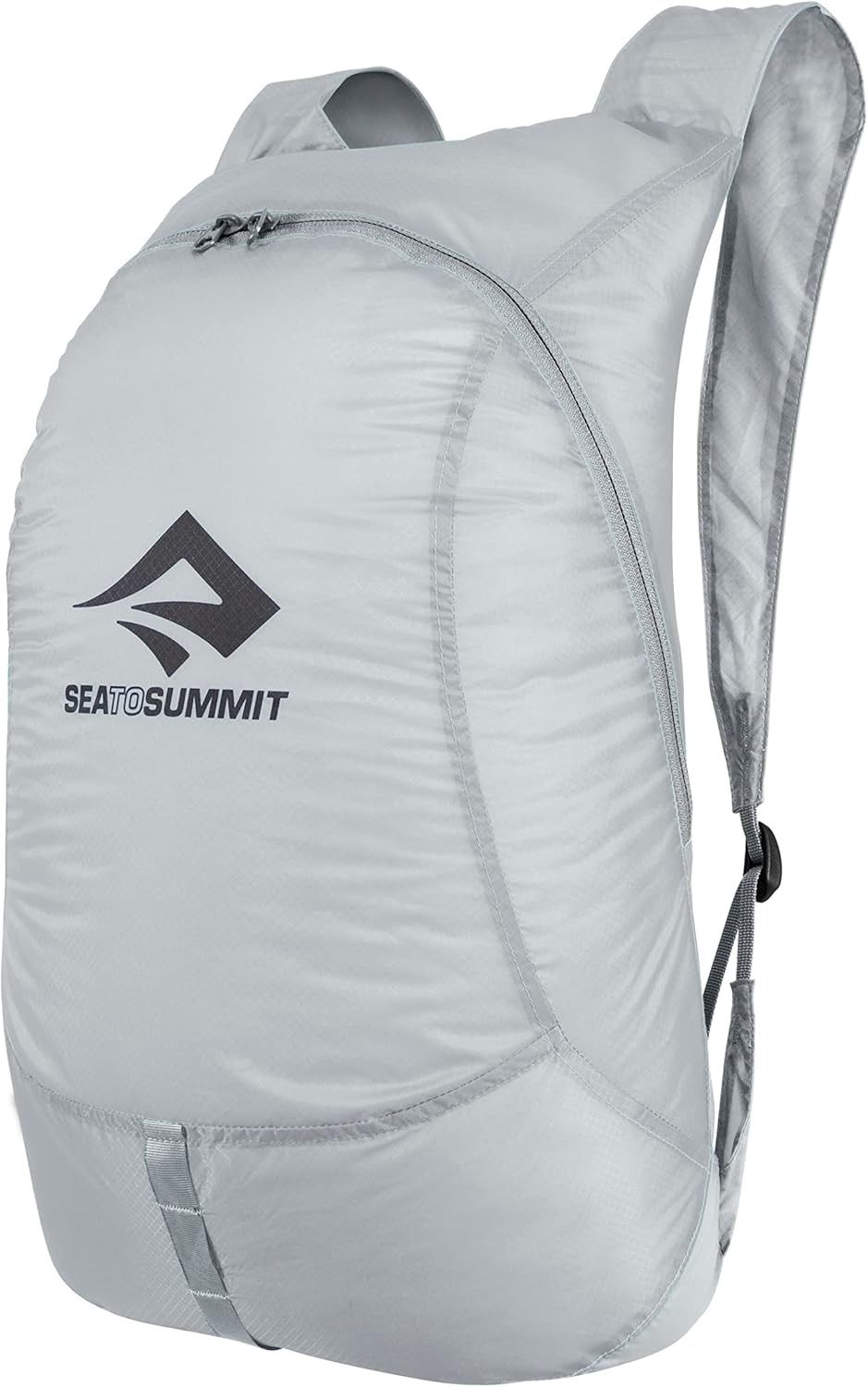 | 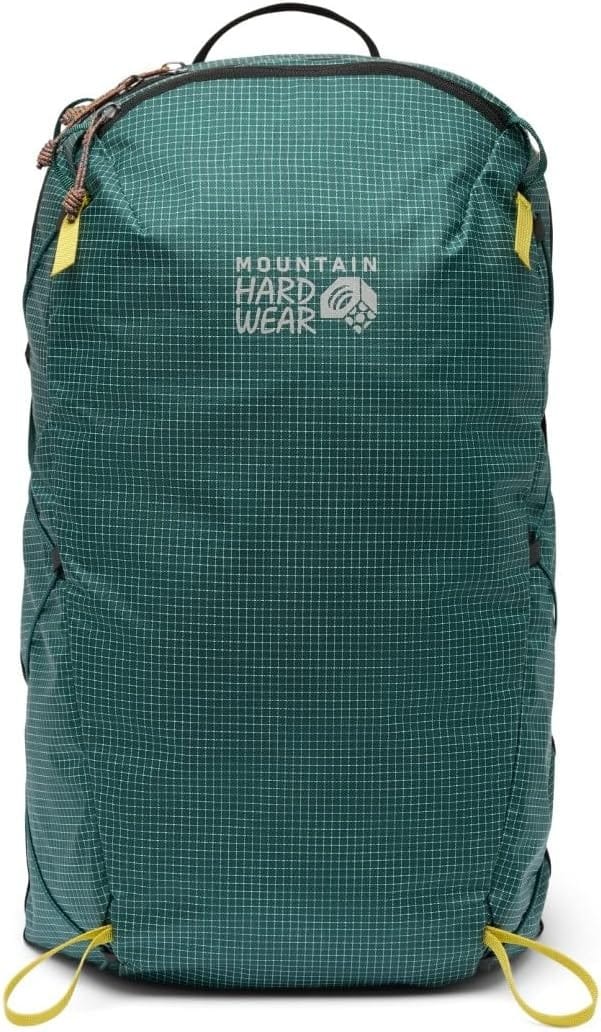 VS | |
| Capacity | 1,220 cu in | 1,221 cu in |
| Weight | 2.5 oz | 21.3 oz |
| Material | Nylon | 210D high-tenacity CORDURA ripstop shell |
| Hip Belt | No hip belt | Removable webbing hip belt with SR buckle |
| Back Panel Type | Unstructured fabric back panel | Compression-molded dual-density back panel |
| Warranty | Lifetime | Limited lifetime |
| Sternum Strap | No sternum strap | Two removable sternum straps |
| Sea to Summit Ultra-Sil Daypack | Mountain Hardwear Lickety Split 20L Backpack |
|---|---|
| |
| Capacity | |
1,220 cu in | 1,221 cu in |
| Weight | |
2.5 oz | 21.3 oz |
| Material | |
Nylon | 210D high-tenacity CORDURA ripstop shell |
| Hip Belt | |
No hip belt | Removable webbing hip belt with SR buckle |
| Back Panel Type | |
Unstructured fabric back panel | Compression-molded dual-density back panel |
| Warranty | |
Lifetime | Limited lifetime |
| Sternum Strap | |
No sternum strap | Two removable sternum straps |
Comfort
Ultra-Sil Daypack
Mountain Hardwear Lickety Split 20L Backpack
Comfort is critical for daypacks as it determines how long you can carry your gear without fatigue or strain. A pack with well-designed straps and back support distributes weight effectively, whereas a poorly designed one can dig into shoulders or cause back pain during extended wear. The Sea to Summit Ultra-Sil Daypack scores higher here with a 4.1 rating, praised by users for its well-designed straps that reduce shoulder strain despite its minimal construction. The Mountain Hardwear Lickety Split 20L offers decent comfort with padded straps and a back panel, but it trails slightly with a 3.7 rating and fewer mentions of long-term wearability. For hikers prioritizing a comfortable carry over long distances, the Sea to Summit's ergonomic design edges out the Mountain Hardwear option.
Durability
Ultra-Sil Daypack
Mountain Hardwear Lickety Split 20L Backpack
Durability dictates whether a pack will survive rough trail conditions, abrasion from rocks, and years of regular use. Buyers need to know if the materials can withstand the elements or if they are prone to tearing under stress. The Sea to Summit Ultra-Sil Daypack leads with a 3.9 rating, backed by a lifetime warranty and materials described as robust, though some users note wear over time with rough handling. The Mountain Hardwear Lickety Split 20L has a lower 3.4 rating, with limited feedback focusing mainly on its reinforced base offering solid protection for regular use. While the Sea to Summit uses thinner silnylon, its warranty and overall user sentiment regarding longevity give it the advantage for those seeking a pack that lasts.
Ventilation
Ultra-Sil Daypack
Mountain Hardwear Lickety Split 20L Backpack
Ventilation is essential for preventing sweat buildup on the back during warm weather or intense activity, directly affecting thermal comfort. A lack of airflow can turn a short hike into a sticky, uncomfortable experience, especially in hot climates. The Mountain Hardwear Lickety Split 20L takes a slight lead with a 3.0 rating, though feedback is sparse and does not highlight it as a major standout feature. The Sea to Summit Ultra-Sil Daypack scores lower at 2.8, with specific user complaints about limited airflow causing sweat buildup on the back during longer hikes. While neither pack excels in this category, the Mountain Hardwear model is marginally better for those concerned about heat retention.
Organization
Ultra-Sil Daypack
Mountain Hardwear Lickety Split 20L Backpack
Effective organization allows hikers to access essentials like water, snacks, and electronics quickly without unpacking the entire bag. A well-organized pack features strategic pockets, compartments, and easy-access zippers that keep gear secure and sorted. The Sea to Summit Ultra-Sil Daypack dominates this category with a 4.7 rating, featuring double-zippered compartments and ample capacity that users find surprisingly effective for its size. The Mountain Hardwear Lickety Split 20L also performs well with a 4.3 rating, offering thoughtful exterior storage, a top flap pocket, and specific slots for water bottles and electronics. Despite the Mountain Hardwear's more traditional pocket layout, the Sea to Summit's efficient use of space and accessible design makes it the superior choice for organization.
Stability
Ultra-Sil Daypack
Mountain Hardwear Lickety Split 20L Backpack
Stability refers to how well a pack stays balanced and secure against the body, preventing it from swaying or shifting while walking over uneven terrain. A stable pack improves balance and reduces the risk of tripping or strain caused by a shifting load. Both the Sea to Summit Ultra-Sil Daypack and the Mountain Hardwear Lickety Split 20L receive average scores of 3.1 and 3.0 respectively, with insufficient buyer feedback to declare a clear winner. Users have not provided enough detail to treat stability as a major benefit or drawback for either model. Consequently, both packs offer a similar, unremarkable level of stability that may depend more on how the pack is loaded than its inherent design.
Adjustability
Ultra-Sil Daypack
Mountain Hardwear Lickety Split 20L Backpack
Adjustability ensures the pack fits a wide range of body types, allowing users to customize strap length and tension for a secure, personalized fit. Proper adjustment is key to transferring weight to the hips and preventing shoulder fatigue. The Sea to Summit Ultra-Sil Daypack excels with a 4.3 rating, where users highlight its adjustable straps and lightweight design as versatile for different activities and body shapes. The Mountain Hardwear Lickety Split 20L scores lower at 3.6, with limited feedback noting that its adjustable shoulder straps help dial in a fit but lacking the same level of praise for versatility. For hikers who need a pack that adapts easily to various body types, the Sea to Summit offers a more robust adjustment system.
Trust & Transparency
- Data-driven rankings from real user reviews
- Affiliate partnerships don't influence our methodology
We may earn commission from links.
Conclusion & Final Verdict:
The choice between these two packs depends entirely on your priority: extreme weight savings or feature-rich comfort. The Sea to Summit Ultra-Sil Daypack is the clear winner for ultralight enthusiasts, travelers, and those needing a compact emergency backup. It wins in comfort, organization, adjustability, and durability ratings, offering a surprisingly capable pack that weighs almost nothing. However, its lack of a hip belt, sternum strap, and structured back panel means it is not ideal for heavy loads or long, technical hikes.
Conversely, the Mountain Hardwear Lickety Split 20L is the better choice for traditional day hikers who value organization, padding, and stability. While it is significantly heavier and scores lower in overall ratings, its removable hip belt, sternum straps, and compression-molded back panel provide a more secure and comfortable carry for moderate loads. If you need a dedicated daypack for regular trail use with plenty of pockets, choose the Mountain Hardwear; if you need a packable backup that disappears in your bag, choose the Sea to Summit.
Related Comparisons
Salomon XA 25 DaypackvsMountain Hardwear Lickety Split 20L Backpack
The Salomon XA 25 Daypack dominates in comfort, stability, and organization for active hikers, while the Mountain Hardwear Lickety Split 20L offers a durable, feature-rich alternative for those prioritizing gear access over high-performance fit.
Salomon XA 25 DaypackvsSea to Summit Ultra-Sil Daypack
The Salomon XA 25 Daypack offers a structured, comfortable fit for active hiking with superior stability and ventilation, while the Sea to Summit Ultra-Sil Daypack provides an ultra-lightweight, packable solution ideal for travel and emergency backup, though it sacrifices back support and breathability.
The North Face Trail Lite 12 DaypackvsMountain Hardwear Lickety Split 20L Backpack
The North Face Trail Lite 12 excels in comfort, ventilation, and organization with robust buyer praise, while the Mountain Hardwear Lickety Split 20L offers more capacity but falls short on stability and airflow.
The North Face Trail Lite 12 DaypackvsSea to Summit Ultra-Sil Daypack
Compare The North Face Trail Lite 12 and Sea to Summit Ultra-Sil Daypacks to find the perfect balance between rugged organization and ultralight portability for your next hike.
Venture Pal 35L Ultralight Packable DaypackvsMountain Hardwear Lickety Split 20L Backpack
The Venture Pal 35L dominates in organization, durability, and adjustability with its massive capacity and lightweight design, while the Mountain Hardwear Lickety Split 20L offers a more structured back panel and removable hip belt for those prioritizing a traditional fit over raw storage.
Venture Pal 35L Ultralight Packable DaypackvsSea to Summit Ultra-Sil Daypack
Compare the Venture Pal 35L and Sea to Summit Ultra-Sil Daypack to find the perfect ultralight companion for your next hike, balancing capacity, durability, and packability.