
Smith Nexus MIPS vs Giro Tor Spherical
Why You Can Trust Us
- Side-by-side analysis based on real user feedback
- Unbiased comparisons, not influenced by partnerships
- Updated as new data becomes available
We may earn from affiliate links at no extra cost to you.
| Nexus MIPS | Tor Spherical | |
|---|---|---|
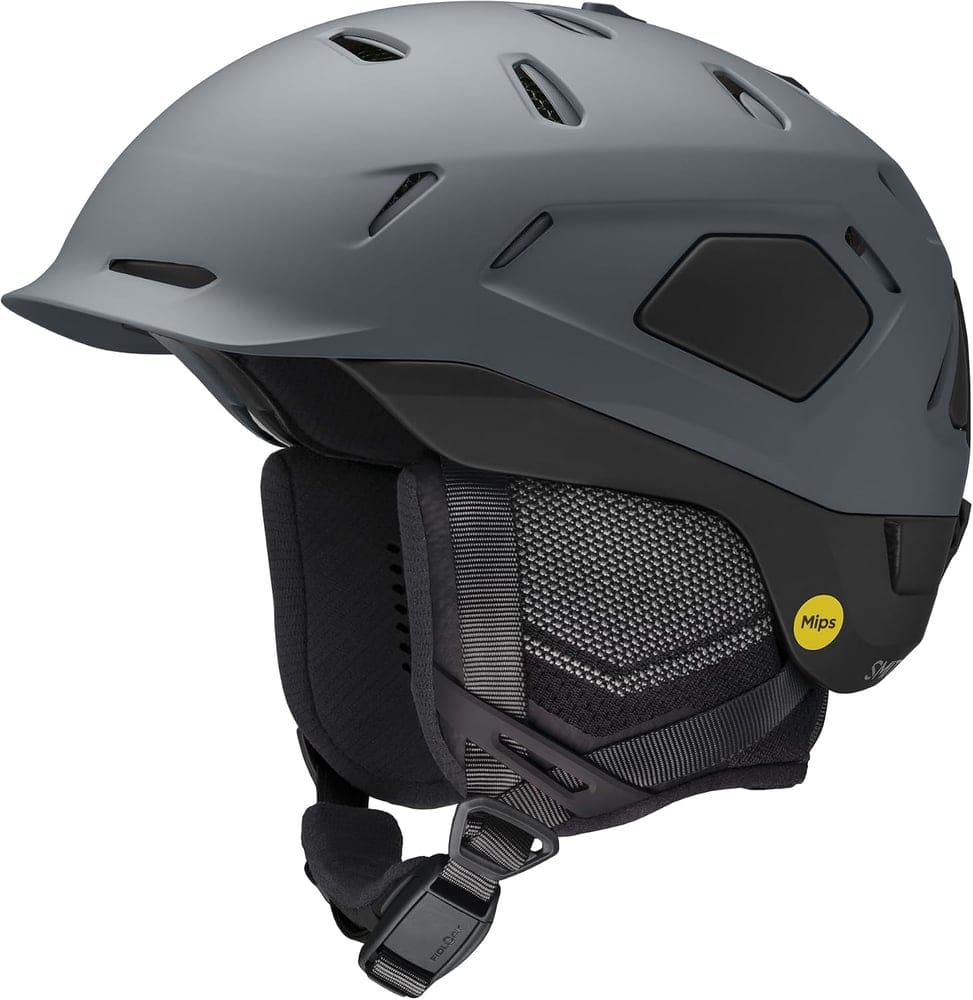 | 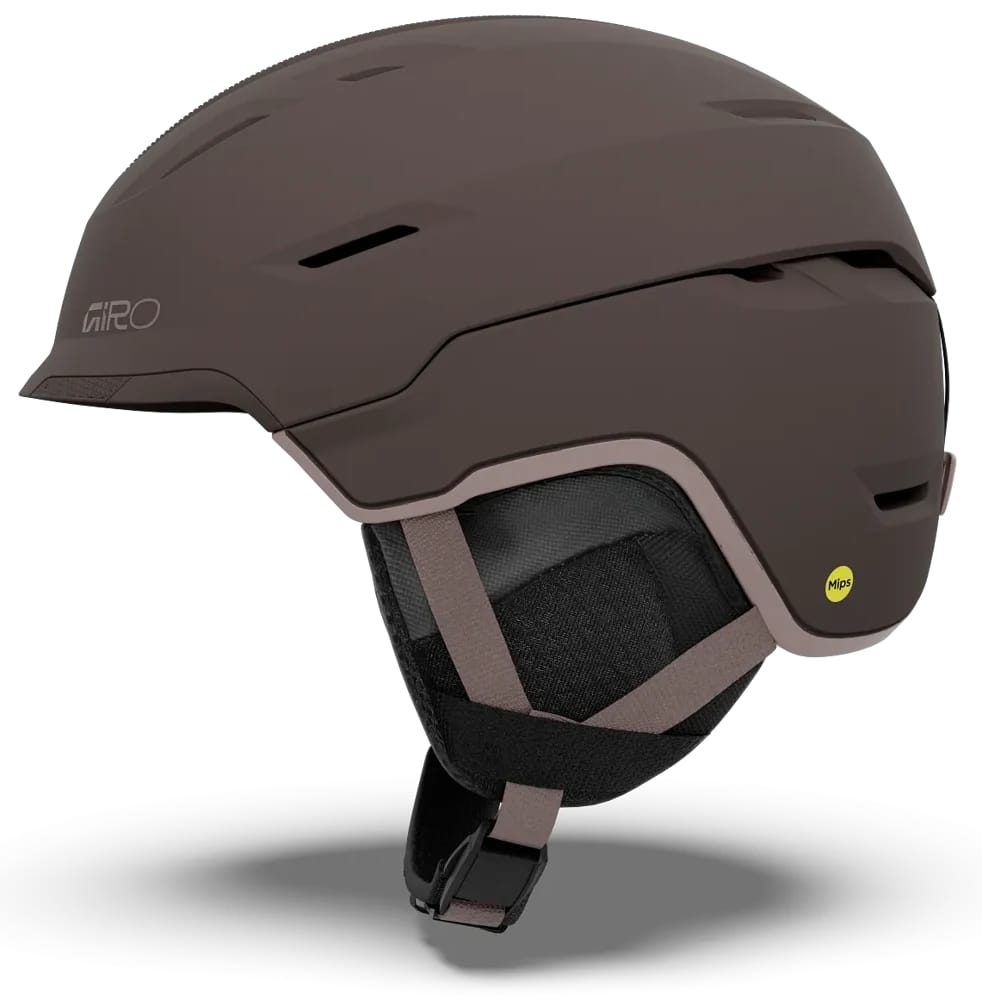 VS | |
| Certifications | ASTM F2040, CE EN 1077 Class B | CE EN 1077 |
| Rotational Impact System | MIPS | MIPS Spherical |
| Construction | Hybrid shell with complete Koroyd coverage and side exoskeleton | Hybrid: ventilated hard-shell upper, in-mold lower shell, EPS/EPP liner |
| Weight | 19 oz (size M) | 19.5 oz (size M) |
| Ventilation | Adjustable (dual front/rear regulators) | Adjustable (Thermostat Control), Wind Tunnel venting |
| Fit Adjustment System | BOA 360 Fit System dial | In Form 2 dial (up to 6 cm adjustment) with Vertical Tuning |
| Warranty | 3 Years | 1 Year limited |
| Size Range | S–XL (51–67 cm) | S–L (52–62.5 cm) |
| Goggle Integration | AirEvac goggle venting | Vertical Tuning for goggle fit (no gaper gap) |
| Audio Compatibility | Aleck audio compatible | Not specified |
| Removable Ear Pads | Yes | Not specified |
| Buckle Type | Fidlock magnetic buckle | Fidlock magnetic buckle |
| Smith Nexus MIPS | Giro Tor Spherical |
|---|---|
| |
| Certifications | |
ASTM F2040, CE EN 1077 Class B | CE EN 1077 |
| Rotational Impact System | |
MIPS | MIPS Spherical |
| Construction | |
Hybrid shell with complete Koroyd coverage and side exoskeleton | Hybrid: ventilated hard-shell upper, in-mold lower shell, EPS/EPP liner |
| Weight | |
19 oz (size M) | 19.5 oz (size M) |
| Ventilation | |
Adjustable (dual front/rear regulators) | Adjustable (Thermostat Control), Wind Tunnel venting |
| Fit Adjustment System | |
BOA 360 Fit System dial | In Form 2 dial (up to 6 cm adjustment) with Vertical Tuning |
| Warranty | |
3 Years | 1 Year limited |
| Size Range | |
S–XL (51–67 cm) | S–L (52–62.5 cm) |
| Goggle Integration | |
AirEvac goggle venting | Vertical Tuning for goggle fit (no gaper gap) |
| Audio Compatibility | |
Aleck audio compatible | Not specified |
| Removable Ear Pads | |
Yes | Not specified |
| Buckle Type | |
Fidlock magnetic buckle | Fidlock magnetic buckle |
Protection
Nexus MIPS
Tor Spherical
Protection is the reason most skiers buy a helmet, and both designs try to manage the rotational forces of angled crashes rather than only direct blows. The Nexus MIPS covers its entire shell with Koroyd tubular honeycomb, which buyers describe as crumpling and absorbing energy, and it pairs that with a MIPS low-friction layer and a side exoskeleton that reinforces the impact zones. Reviewers repeatedly mention the added coverage and extra neck padding, and several note it feels more protective than other Smith helmets. Some shoppers do question whether the vent cut-outs reduce coverage in certain spots, and a few say the EPS venting trades away a bit of protection. The Tor Spherical's ball-and-socket liner is the centerpiece of its safety story, and buyers feel confident in how it redirects rotational energy and gives under angled hits. Its hard top also protects against falling ice and sticks, while the softer lower plastic absorbs and spreads impact, though a few reviewers see MIPS as a modest benefit rather than a headline feature. For most buyers the Nexus MIPS offers the more complete and better-reviewed protection package, so it is the stronger choice when coverage is the top priority.
Comfort
Nexus MIPS
Tor Spherical
Comfort decides whether you keep a helmet on through a full day of laps, and it is often what separates a good helmet from one you tolerate. Buyers describe the Nexus MIPS as very comfortable, with a light feel, no pressure points, and padded ear pieces and chin strap padding that keep the head and ears warm without needing a balaclava. Testers say it is one of the most comfortable ski helmets they have tried, and it suits dedicated lift-served days well. A few riders do report pinching at the temples, and some say comfort fades on longer days, so trying it on with goggles and layers is wise. The Tor Spherical earns strong praise for its fit, with reviewers saying it fits snugly, feels solid but not heavy, and sits low and slim, especially with the ear flaps removed under a hat. The dial adjusts the fit well, and its warmth and wicking are also appreciated. Its comfort reviews are positive but less numerous, so the Nexus MIPS has the stronger overall comfort record, while the Tor Spherical is a comfortable alternative for riders who prefer a slimmer profile.
Durability
Nexus MIPS
Tor Spherical
Durability matters because a helmet that holds up across several seasons is better value and keeps its protective shell intact after drops and knocks. The Nexus MIPS uses a hybrid shell that bonds a tougher outer layer to a lighter liner, and reviewers describe the exterior as durable and designed to last across multiple seasons. That reputation is backed by a three-year warranty, which signals more confidence from the manufacturer. The Tor Spherical's hard top is also praised as super durable, and buyers say it absorbs day-to-day knocks and wear, which is a real strength for a hybrid design. Its durability reviews are fewer and include one complaint, and its warranty is only one year limited. Both helmets use hybrid construction, but the Nexus MIPS has the more convincing durability evidence and the longer coverage, so it is the safer pick for buyers who plan to keep a helmet for years.
Ventilation
Nexus MIPS
Tor Spherical
Ventilation determines whether you overheat on hikes and sunny laps or get chilled on cold, windy days. The Nexus MIPS has a clear advantage here, with dual-zone front and rear vent sliders, an Air Evac system, and a Dual Action shutter design that riders can adjust between runs. Buyers say it breathes well, keeps air moving even with Koroyd coverage, and lets them open up on sunny days and close the vents when the wind bites. Reviewers also note the Ionic lining helps wick sweat during active days, and one testing source gave its ventilation a strong score. Some riders mention that vents can be closed to retain heat, which adds flexibility. The Tor Spherical relies on a top thermostat vent and a Wind Tunnel design, and buyers say the thermostat helps cool the head and adjust airflow. The evidence on the Tor Spherical's ventilation is limited, so it is hard to judge how it performs on warm days. For buyers who run hot or ski in variable weather, the Nexus MIPS offers far more airflow control.
Fog Prevention
Nexus MIPS
Tor Spherical
Fog prevention affects visibility, which becomes critical on flat light days and during hiking or cold, active skiing. The Nexus MIPS's Air Evac system channels airflow toward the goggles, and buyers report that goggles stay clear during active skiing and even on hikes. Some reviewers say they have never had fogging issues with the helmet on. The evidence is thinner than for fit or protection, so pairing the helmet with your own goggles is sensible. The Tor Spherical's front vent is credited with keeping goggles from fogging, but the feedback is limited and not a guaranteed fix, and the product itself notes that fog control is a mixed area. The Nexus MIPS has the stronger fog-prevention story, so it is the better choice if you frequently fight fogged goggles.
Ease Of Use
Nexus MIPS
Tor Spherical
Ease of use affects how quickly you can get the helmet on, adjust it between laps, and handle it with gloves or mittens. Both helmets use Fidlock magnetic buckles that snap closed one-handed and work with gloves, which buyers consistently praise. The Nexus MIPS adds a BOA 360 dial that can be micro-adjusted with mittens, and reviewers appreciate being able to tweak the fit between laps without swapping layers. Its earpiece zipper, which opens for audio systems, is a practical extra. The Tor Spherical's In Form 2 dial and vertical slider are described as easy to adjust even with gloves, and its ear flaps are noted for coming off and reattaching cleanly. Buyers rate the ease of use of both helmets very highly, so this category is effectively a tie, and the choice comes down to preferring a BOA dial with audio access or the Giro's ear flap system.
Trust & Transparency
- Data-driven rankings from real user reviews
- Affiliate partnerships don't influence our methodology
We may earn commission from links.
Conclusion & Final Verdict:
Choose the Smith Nexus MIPS if you want the most complete protection package, the strongest airflow control, better fog-prevention evidence, a wider size range, and a longer warranty. It is the stronger all-round helmet and the better pick for most skiers.
Choose the Giro Tor Spherical if you value its MIPS Spherical ball-and-socket liner, a slimmer low-profile fit, and a helmet that feels light on the head with the ear flaps removed. Try both on with your goggles before buying, since fit and goggle compatibility vary by head shape.
Related Comparisons
Smith Nexus MIPSvsOakley MOD1 PRO
Smith Nexus MIPS is the stronger all-round pick for buyers who want full Koroyd protection, adjustable airflow, and glove-friendly fit controls. Oakley MOD1 PRO suits those who put a tough hard shell and a simple BOA fit ahead of ventilation and extra protection features.
Smith Nexus MIPSvsOakley MOD5
The Smith Nexus MIPS is the stronger all-round choice, with fuller Koroyd protection, a lighter and more comfortable fit, and dual-zone venting that suits riders who want both coverage and airflow control. The Oakley MOD5 is a workable MIPS helmet for buyers who prioritize its glove-friendly buckle and BOA dial, but its tighter fit and weaker overall reviews make it harder to recommend.
Smith Nexus MIPSvsOutdoorMaster ELK MIPS
Smith Nexus MIPS is the stronger ski helmet for riders who want full Koroyd coverage, adjustable venting, and a refined fit system, and it earns the higher rating. OutdoorMaster ELK MIPS suits buyers on a tighter budget who want certified MIPS protection and comfortable padding, and who accept less proven long-term durability.
Smith Nexus MIPSvsPOC Fornix MIPS
Smith Nexus MIPS is the stronger choice for skiers who prioritize airflow control, full Koroyd coverage, and a comfortable fit, while POC Fornix MIPS suits those who want a lighter helmet with aramid bridge protection and simpler top-vent cooling.
Smith Nexus MIPSvsPOC Obex MIPS
Smith Nexus MIPS is the stronger choice for buyers who want full Koroyd protection, glove-friendly venting and fit controls, and a longer warranty. POC Obex MIPS suits shoppers who want a soft, light helmet with simpler venting and can accept more doubt about long-term durability.
Smith Vantage 2 MIPSvsSmith Nexus MIPS
The Nexus MIPS is the stronger all-round pick, with fuller Koroyd coverage, a side exoskeleton, better comfort and dual-zone vents. The Vantage 2 MIPS suits buyers who want a lighter helmet with strong airflow and spend less.