
Smith Summit MIPS vs Giro Tor Spherical
Why You Can Trust Us
- Side-by-side analysis based on real user feedback
- Unbiased comparisons, not influenced by partnerships
- Updated as new data becomes available
We may earn from affiliate links at no extra cost to you.
| Summit MIPS | Tor Spherical | |
|---|---|---|
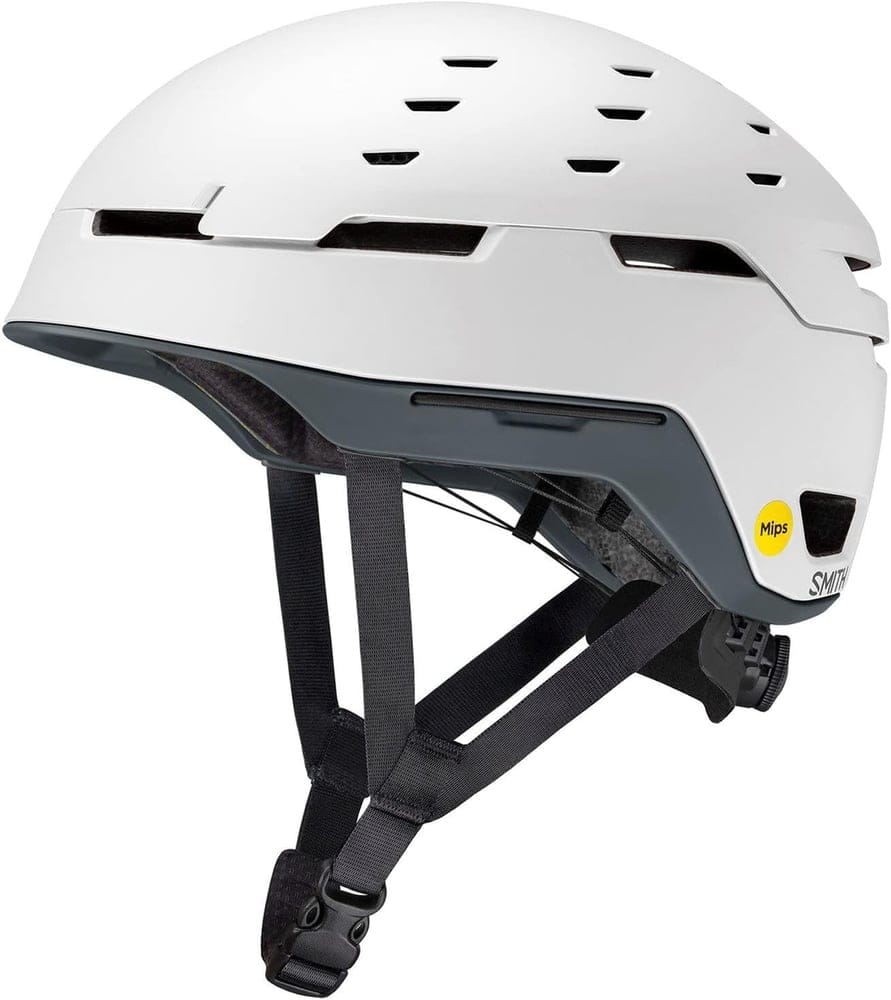 | 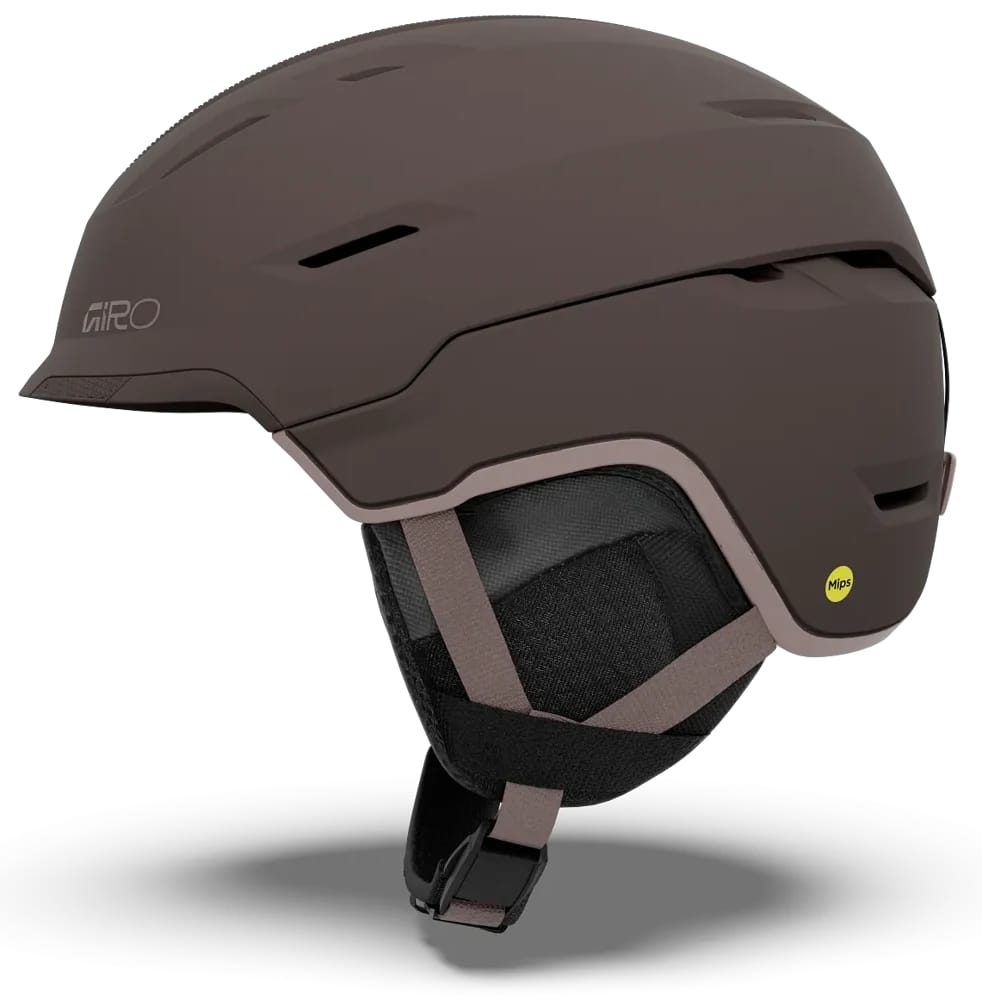 VS | |
| Certifications | ASTM F2040, CE EN 1077 Class B, EN 12492 | CE EN 1077 |
| Rotational Impact System | MIPS | MIPS Spherical |
| Construction | Hybrid shell (hard exterior + in-mold) with zonal Koroyd | Hybrid: ventilated hard-shell upper, in-mold lower shell, EPS/EPP liner |
| Weight | 16 oz (size M) | 19.5 oz (size M) |
| Ventilation | 33 fixed vents | Adjustable (Thermostat Control), Wind Tunnel venting |
| Fit Adjustment System | BOA 360 Fit System dial | In Form 2 dial (up to 6 cm adjustment) with Vertical Tuning |
| Warranty | 3 Years | 1 Year limited |
| Size Range | S–XL (51–67 cm) | S–L (52–62.5 cm) |
| Goggle Integration | AirEvac goggle venting; integrated headlamp strap routing | Vertical Tuning for goggle fit (no gaper gap) |
| Audio Compatibility | Not specified | Not specified |
| Removable Ear Pads | Not specified (knit liner included) | Not specified |
| Buckle Type | Not specified | Fidlock magnetic buckle |
| Smith Summit MIPS | Giro Tor Spherical |
|---|---|
| |
| Certifications | |
ASTM F2040, CE EN 1077 Class B, EN 12492 | CE EN 1077 |
| Rotational Impact System | |
MIPS | MIPS Spherical |
| Construction | |
Hybrid shell (hard exterior + in-mold) with zonal Koroyd | Hybrid: ventilated hard-shell upper, in-mold lower shell, EPS/EPP liner |
| Weight | |
16 oz (size M) | 19.5 oz (size M) |
| Ventilation | |
33 fixed vents | Adjustable (Thermostat Control), Wind Tunnel venting |
| Fit Adjustment System | |
BOA 360 Fit System dial | In Form 2 dial (up to 6 cm adjustment) with Vertical Tuning |
| Warranty | |
3 Years | 1 Year limited |
| Size Range | |
S–XL (51–67 cm) | S–L (52–62.5 cm) |
| Goggle Integration | |
AirEvac goggle venting; integrated headlamp strap routing | Vertical Tuning for goggle fit (no gaper gap) |
| Audio Compatibility | |
Not specified | Not specified |
| Removable Ear Pads | |
Not specified (knit liner included) | Not specified |
| Buckle Type | |
Not specified | Fidlock magnetic buckle |
Protection
Summit MIPS
Tor Spherical
Protection is the reason most skiers buy a helmet, and it is where these two models are closest. The Summit MIPS pairs MIPS with zonal Koroyd coverage and is certified to ASTM F2040, CE EN 1077 and the EN 12492 climbing standard, and buyers describe it as a helmet that makes them feel safe on the mountain. The Tor Spherical uses a MIPS Spherical ball-and-socket liner designed to reduce rotational energy in angled impacts, and buyers are generally confident in that design, although a few note MIPS as a modest added benefit. Both earn the same protection rating, so neither has a clear edge. A buyer who values broad certification and Koroyd coverage will like the Summit, while a buyer focused on angled-impact rotation design will find the Tor Spherical's ball-and-socket approach especially appealing. This category is a tie.
Comfort
Summit MIPS
Tor Spherical
Comfort determines whether a helmet stays on for a full day of runs or gets tossed in the pack by lunch. The Summit MIPS is repeatedly described as very light, ridiculously light, and almost like not wearing a helmet, and its BOA system tightens to a precise fit that buyers say stays put. The Tor Spherical also earns praise for its fit, with buyers saying the weight feels solid and good, the low-profile shape reduces bulk, and the helmet sits snugly under a hat once the ear flaps are removed. Its dial also adjusts the fit to the head comfortably. Still, the Summit is lighter overall and gets the more consistent comfort praise, so it takes this category. Buyers who prioritize the lightest possible feel should lean toward the Summit.
Durability
Summit MIPS
Tor Spherical
Durability matters because a helmet takes knocks from rocks, branches, and falls, and it also gets dropped, bumped, and stored in cars and lockers. The Summit MIPS is described as having a durable exterior and a hybrid shell that is durable where it needs to be, but there is only limited feedback behind that. The Tor Spherical has more buyer commentary, with reviewers calling its hybrid top material super durable and saying the hard top absorbs everyday wear and tear, though a small number of comments are less positive. Both land at the same rating, so this is a tie. The Tor Spherical has more real-world evidence supporting its toughness, while the Summit's durability claims are encouraging but thinly tested. Buyers wanting more confidence in long-term wear may find the Tor Spherical's track record slightly more reassuring.
Ventilation
Summit MIPS
Tor Spherical
Ventilation matters most on sweaty climbs, when a helmet can turn into a heat trap and fog up goggles. The Summit MIPS has 33 fixed vents plus Air Evac venting and an Ionic Plus treatment to help manage sweat, and buyers frequently say the head stays cool on long ascents. Its main limitation is that the vents are fixed, so you cannot close them off in cold weather. The Tor Spherical uses a top thermostat vent that opens and closes to adjust airflow, along with wind tunnel venting, which gives you control over temperature. Buyer feedback on that thermostat is positive but limited. The Summit has clearly stronger and more frequently mentioned cooling feedback, so it wins this category for buyers who spend a lot of time climbing. Those who run hot-and-cold conditions may still value the Tor Spherical's adjustable vent.
Fog Prevention
Summit MIPS
Tor Spherical
Fog prevention is a real concern when you are sweating on a climb and then dropping into cold air, and goggle fit plays a big role. The Summit MIPS is credited with fog-free visibility, and its AirEvac goggle venting and headlamp strap routing support that. The Tor Spherical's front vent is said to keep goggles from fogging, but buyers also note that it is not a guaranteed fix, and its feedback is thinner. Both helmets have limited fog data, so the difference is modest. The Summit gets the edge on the stronger fog-control signals, while the Tor Spherical's Vertical Tuning helps keep the goggle interface sealed. Buyers should plan to test goggle fit and ventilation together before committing to either.
Ease Of Use
Summit MIPS
Tor Spherical
Ease of use covers the small daily details that add up over a season, such as adjusting fit on the go, packing the helmet, and managing goggles and headlamps. The Tor Spherical stands out here, with buyers repeatedly praising its Fidlock magnetic buckle, which clasps and releases one-handed even with gloves on, and its In Form 2 dial, which is easy to adjust on the fly. Its ear flaps remove and reattach cleanly, and the grippy brim makes it easy to push goggles up. The Summit MIPS is also praised for its BOA dial, which is easy to dial in and stays put, and for folding down into a compact package with an external bungee loop and a low-profile integrated headlamp strap. The Tor Spherical edges ahead on the everyday handling feedback, especially for gloved use, so it takes this category.
Trust & Transparency
- Data-driven rankings from real user reviews
- Affiliate partnerships don't influence our methodology
We may earn commission from links.
Conclusion & Final Verdict:
Choose the Smith Summit MIPS if you want the lightest, most comfortable helmet with the strongest cooling, a broader certification package, a wider size range, and a 3-year warranty. It is the better all-day touring and alpine pick for most skiers.
Choose the Giro Tor Spherical if you prioritize its ball-and-socket rotational protection design, glove-friendly Fidlock magnetic buckle, and adjustable thermostat venting. It is the stronger choice for buyers who value easy one-handed handling and want to control airflow.
Both helmets tie on protection and durability, so fit, weight, and how you plan to use the helmet should drive the decision.
Related Comparisons
Smith Summit MIPSvsGiro Ledge MIPS
The Smith Summit MIPS leads on fit adjustment, ventilation, comfort and ease of use, making it the stronger pick for alpine and touring skiers who want a dialed-in, breathable helmet. The Giro Ledge MIPS is a simpler, well-padded hard shell for park and all-mountain riders who wear goggles or a full face mask, though its fit is set once and its clip is harder to fasten with gloves.
Smith Summit MIPSvsOakley MOD1 PRO
The Summit MIPS is the lighter, more comfortable and better ventilated choice for backcountry and touring skiers, with stronger buyer feedback on fit and airflow. The MOD1 PRO suits resort riders who want a tougher hard shell and a Fidlock buckle, though it trails on ventilation and ease of use.
Smith Summit MIPSvsOakley MOD5
Smith Summit MIPS is the lighter, more comfortable choice for alpine and backcountry touring, with stronger protection and cooling ratings. Oakley MOD5 suits riders who want a glove-friendly magnetic buckle and adjustable vents for resort runs, but its fit can feel tight.
Smith Summit MIPSvsOutdoorMaster ELK MIPS
The Smith Summit MIPS suits alpine and backcountry skiers who want a very light helmet with a precise BOA fit, more venting, and a longer warranty. The OutdoorMaster ELK MIPS is the better value for buyers who want strong protection feedback, a plush and warm fit, and removable ear pads, with less proven durability.
Smith Summit MIPSvsPOC Fornix MIPS
The Smith Summit MIPS is the better pick for most skiers, with a lighter, more comfortable fit, stronger cooling, and a three-year warranty. The POC Fornix MIPS suits buyers who want removable ear pads and adjustable top vents, but it trails on comfort, durability, and overall feedback.
Smith Summit MIPSvsPOC Obex MIPS
Smith Summit MIPS is the stronger all-round choice for backcountry touring, with a lighter build, micro-adjustable BOA fit and a 3-year warranty. POC Obex MIPS suits buyers who put soft padding, removable ear pads and adjustable vents first.