
SPY Optic Marauder vs Giro Axis
Why You Can Trust Us
- Side-by-side analysis based on real user feedback
- Unbiased comparisons, not influenced by partnerships
- Updated as new data becomes available
We may earn from affiliate links at no extra cost to you.
| Marauder | Axis | |
|---|---|---|
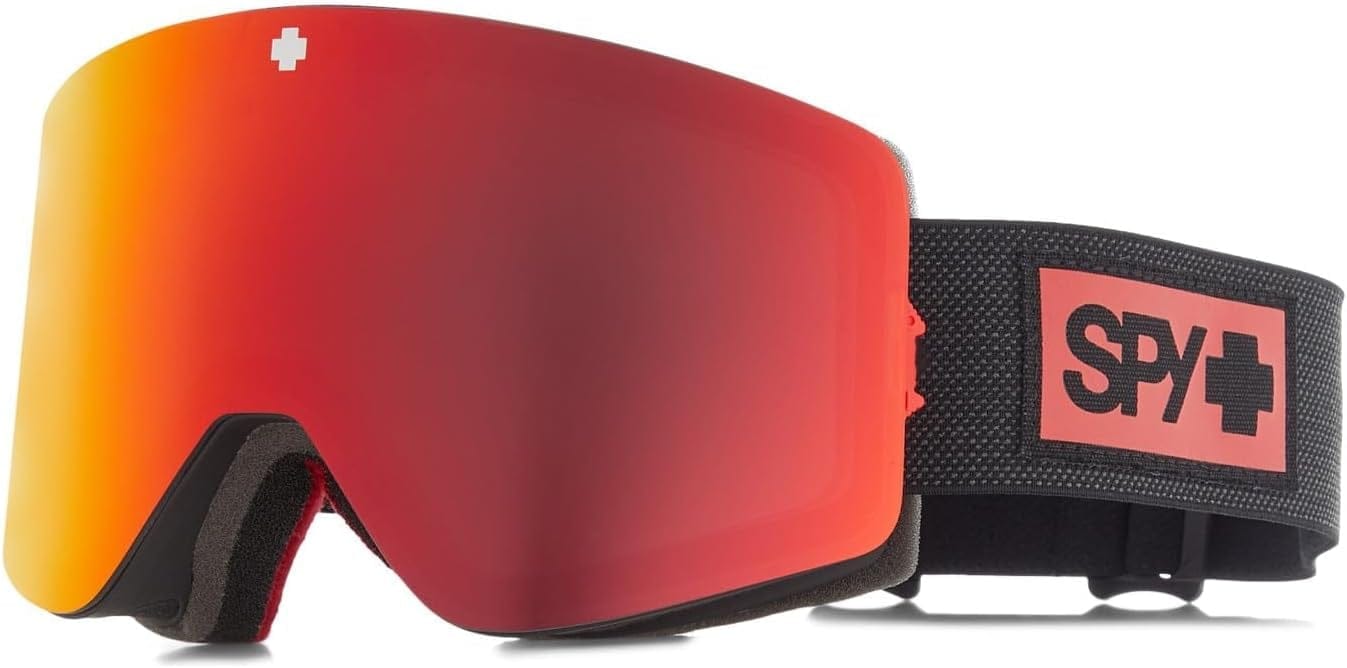 | 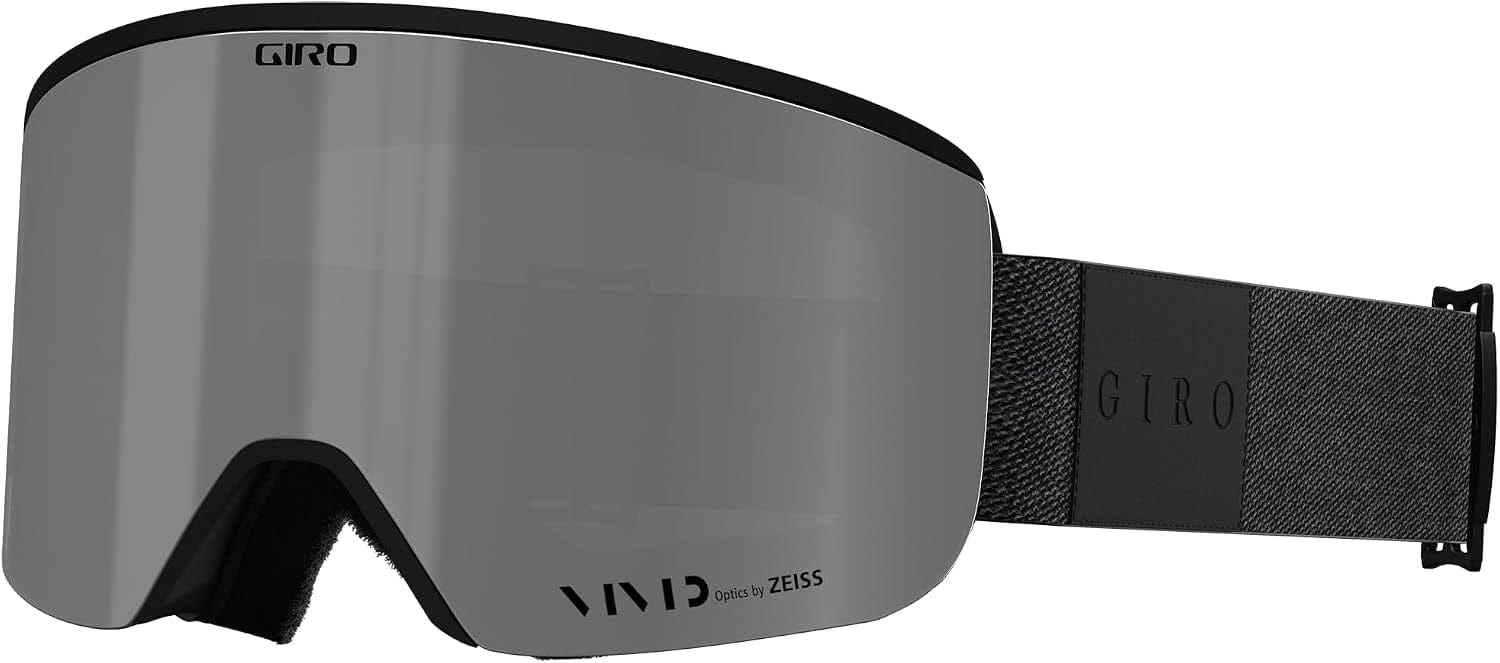 VS | |
| Lens Type | Cylindrical | Cylindrical (injection-molded) |
| Lens Change System | Deadbolt magnetic lens change system | Quick Change Lens System (magnets + 4 snap pins) |
| Included Lenses | 2: Happy Lens main lens + Happy LL low-light bonus lens (e.g., Gray Green 13% + LL Persimmon 48% VLT) | 2: VIVID sun/all-conditions lens + VIVID Infrared storm/low-light lens |
| Size | One size | Medium fit |
| OTG Compatibility | Yes (OTG) | Not specified by maker |
| Lens Technology | Happy Lens (Happy Snow; Happy Boost on select colorways) | VIVID with Optics by ZEISS; Expansion View (EXV) |
| Warranty | 2 years (manufacturer defects) | 1 year |
| Anti-fog Coating | Yes (anti-fog / anti-scratch coating) | Yes (anti-fog lens coating) |
| Ventilation | Passive venting | EVAK Vent Technology |
| Helmet Compatibility | N/A | Designed for Giro helmet integration |
| Foam Layers | N/A | N/A |
| Case Included | No hard case (microfiber bag) | N/A |
| SPY Optic Marauder | Giro Axis |
|---|---|
| |
| Lens Type | |
Cylindrical | Cylindrical (injection-molded) |
| Lens Change System | |
Deadbolt magnetic lens change system | Quick Change Lens System (magnets + 4 snap pins) |
| Included Lenses | |
2: Happy Lens main lens + Happy LL low-light bonus lens (e.g., Gray Green 13% + LL Persimmon 48% VLT) | 2: VIVID sun/all-conditions lens + VIVID Infrared storm/low-light lens |
| Size | |
One size | Medium fit |
| OTG Compatibility | |
Yes (OTG) | Not specified by maker |
| Lens Technology | |
Happy Lens (Happy Snow; Happy Boost on select colorways) | VIVID with Optics by ZEISS; Expansion View (EXV) |
| Warranty | |
2 years (manufacturer defects) | 1 year |
| Anti-fog Coating | |
Yes (anti-fog / anti-scratch coating) | Yes (anti-fog lens coating) |
| Ventilation | |
Passive venting | EVAK Vent Technology |
| Helmet Compatibility | |
N/A | Designed for Giro helmet integration |
| Foam Layers | |
N/A | N/A |
| Case Included | |
No hard case (microfiber bag) | N/A |
Comfort & Fit
Marauder
Axis
Comfort matters most for goggles because they are worn for hours and must sit securely over a helmet without pressing on the face or nose. The Marauder earns strong praise for its soft triple-layer foam, which buyers describe as among the most comfortable they have tested, and it fits medium helmets well without pressing on the nose. Reviewers also highlight generous coverage, a secure fit, and foam that wicks sweat, which makes it a dependable choice for long days. The Axis is also comfortable, with a low-profile clip that sits under a helmet, a silicone inlay and non-slip strap that keep it in place, and a nose area that does not pinch. It fits over prescription glasses and includes a retainer that helps keep it on the helmet in a crash. However, pressure points and looseness can vary with head shape, so the Axis may not feel right for every face. Overall, the Marauder is the more consistently comfortable pick, while the Axis is a strong option if you want a helmet-integrated fit and can confirm it suits your head shape.
Durability
Marauder
Axis
Durability matters for skiers who put goggles through drops, cold storage, and frequent use, since lens and frame failures can end a day or a season early. The Marauder is reported to hold up well, with a sturdy build that keeps working after multiple drops and foam that resists ripping. Feedback on durability is positive but comes from a smaller set of comments, so it reads as solid rather than exceptional for very hard use. The Axis has real build strengths, including injection-molded lenses and an ultra-durable, non-absorbent foam that helps keep moisture out. Some reviewers, though, report lenses getting damaged beyond repair and plastic parts breaking over a few seasons. For buyers who ski hard or often, the Marauder offers a more reassuring track record, while the Axis is best approached with the expectation that lens damage is a real risk.
Optical Clarity
Marauder
Axis
On snow, clarity determines how easily you read bumps, ice, and changing terrain, especially when the light flattens out. The Marauder's lens is a standout, with buyers praising its sharp, vivid color and contrast enhancement that helps reveal snow bumps and terrain. Reviewers also note a wide field of view, distortion-free optics, and good peripheral vision, which together make it a great pick for shifting light. One reviewer mentioned a minor drawback, but it did not dominate the feedback. The Axis also delivers a wide view thanks to its frameless cylindrical design, and reviewers often praise its sharp detail, visual clarity in snow, and good depth perception. Contrast and depth are frequently highlighted as strengths, which makes it a capable choice for varied snow conditions. Both goggles perform well here, but the Marauder edges ahead with more consistent praise for vivid, contrast-rich views.
Fog Control
Marauder
Axis
Fog control matters because a goggle that clouds up during climbs or on steep runs can quickly become unusable. The Marauder's anti-fog coating and ventilation system are reported to keep fogging down, with buyers noting no fogging issues and good airflow during activity. It is a reliable option for riders who need consistent visibility as temperatures change. The Axis uses EVAK venting and an absorbent-resistant foam that lets moisture escape and keeps water out, and reviewers say the venting helps reduce fog. However, fogging can still appear during high-intensity effort or on very foggy trails, and the foam must be fully dried overnight to avoid dampness. The anti-fog coating is a plus for everyday skiing, but it is not a cure-all. For buyers who push hard or ride in damp conditions, the Marauder is the more dependable choice.
Lens Changing
Marauder
Axis
Lens changing matters because conditions on the mountain can shift quickly, and a fast, secure swap saves time and keeps you comfortable. The Marauder uses magnets with flip levers and a quick latch lock, and buyers say swaps take only a couple of seconds. Some found it not quite as effortless as the most seamless pull-off designs, so expect a slightly different process. The Axis also offers quick magnetic self-locating lenses, which make switching between its included sun and low-light lenses simple. The catch is that some reviewers report lenses that do not always snap securely and can pop off, and magnets can release when the goggle bends. Checking the lock before heading down the hill is a good habit with this design. Both systems are fast, but the Marauder feels more secure and gets a slight edge for ease and reliability.
Style
Marauder
Axis
Style matters because goggles are a visible part of your kit, and buyers often want something that suits their personality as well as their performance. The Marauder's mirrored blue finish and clean, stealth design give it a modern, understated look that buyers consistently find appealing. Its flat cylindrical shape pairs a tech-focused appearance with a profile that works for everyday mountain wear. The Axis is praised for its range of colour options and frameless design, which reviewers describe as drippy. Its drippy patch is a standout detail that appeals to skiers who want something a bit different on the slopes. Both goggles look good in their own way, so the choice depends on whether you prefer a sleek, mirrored stealth look or a bolder frameless style. Neither has a clear advantage here.
Trust & Transparency
- Data-driven rankings from real user reviews
- Affiliate partnerships don't influence our methodology
We may earn commission from links.
Conclusion & Final Verdict:
Choose the SPY Optic Marauder if comfort, sharp and vivid optics, fog control, and a longer two-year warranty matter most to you. It is the more consistently praised goggle for long days, changing light, and hard use.
Choose the Giro Axis if you want a frameless, low-profile goggle that integrates with a helmet, fits over prescription glasses, and has a distinctive drippy style. Check the fit on your head shape, keep the lenses locked before you ski, and dry the foam thoroughly after each day.
Related Comparisons
Smith 4D MAGvsSPY Optic Marauder
The Smith 4D MAG suits riders who swap lenses often, want to use gloves, and wear a Smith helmet, while the SPY Optic Marauder suits those who put all-day comfort and vivid, distortion-free optics first. Choose the Marauder for comfort and contrast, and the 4D MAG for quick lens changes and helmet integration.
SPY Optic MaraudervsAnon M5
The SPY Optic Marauder is the better choice for buyers who prioritize comfort, fog control and a longer warranty, while the Anon M5 suits those who want a rimless look, quicker lens swaps and a flat, low-distortion view. Both offer strong optics, so fit and style should guide the final pick.
SPY Optic MaraudervsGiro Contour
The SPY Optic Marauder is the better pick for riders who want comfort, reliable anti-fog performance and quick lens swaps. The Giro Contour wins on optical clarity and suits smaller faces or glasses wearers, but it fogs more often in wet or high-effort conditions.
SPY Optic MaraudervsGlade Optics Adapt 2
The Marauder is the better pick for buyers who put comfort, lens clarity, and fog control first, with a wider field of view and a faster magnetic lens swap. The Adapt 2 suits skiers who want a photochromic lens that adjusts to changing light and a cylindrical fit that pairs cleanly with helmets.
SPY Optic MaraudervsOakley Flight Deck
The SPY Optic Marauder suits buyers who want the most vivid, contrast-rich lens and a plush, comfortable fit, while the Oakley Flight Deck is the better pick for fog-free performance and standout style. Choose based on whether clear, contrasty vision or fog resistance matters more on your typical day.
SPY Optic MaraudervsOakley Flow Scape
The SPY Optic Marauder is the better pick for comfort, quick lens swaps and all-day fit, while the Oakley Flow Scape wins on optics with a wide, low-tunnel view for riders who prioritize snow contrast and will accept fiddlier lens changes.