
Tecnica Mach1 MV 130 TD2 GW vs Armada AR One 130 MV
Why You Can Trust Us
- Side-by-side analysis based on real user feedback
- Unbiased comparisons, not influenced by partnerships
- Updated as new data becomes available
We may earn from affiliate links at no extra cost to you.
| Mach1 MV 130 TD2 GW | AR One 130 MV | |
|---|---|---|
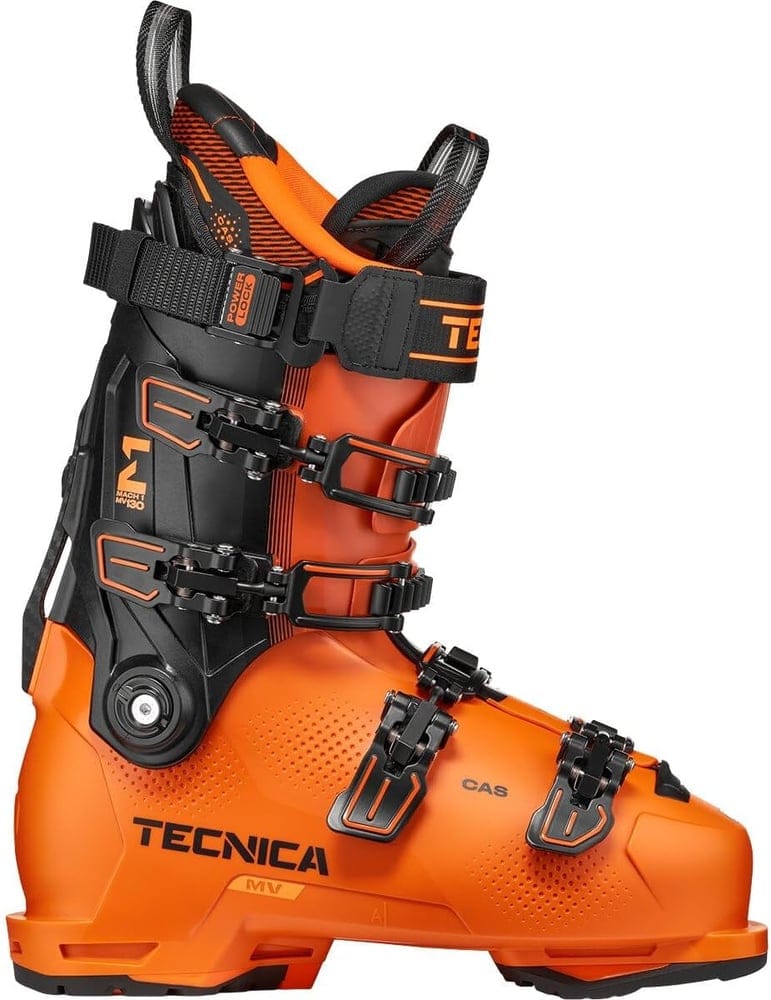 | 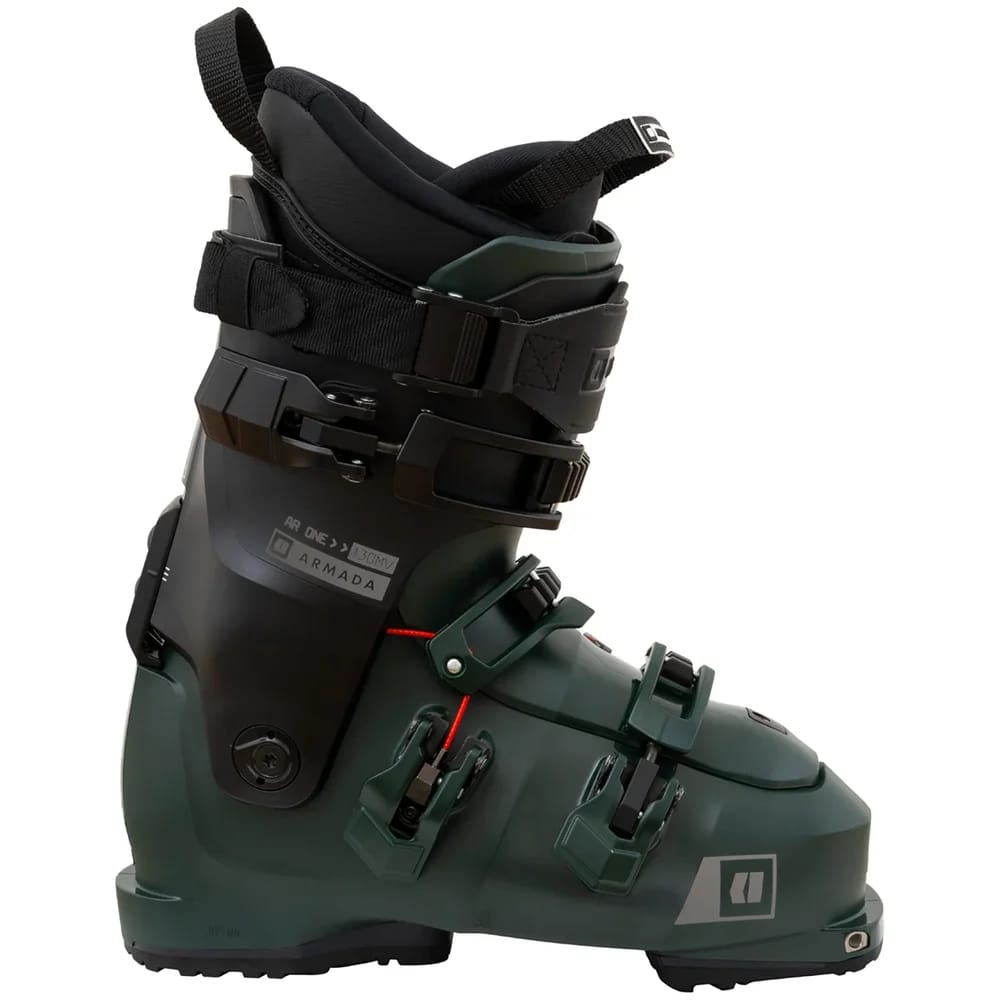 VS | |
| Flex Rating | 130 | 130 |
| Last Width | 100 mm | 100 mm |
| Closure System | 4 micro-adjustable aluminum buckles + Power Lock strap | Slingshot Buckle system + 50 mm elastic cam strap |
| Walk Mode | No | No |
| Sole Norm | GripWalk (ISO 23223) | GripWalk (ISO 23223) with tech toe inserts |
| Weight | 4.20 lb (single boot, MP 26.5) | 4.63 lb (single boot, MP 26.5) |
| Warranty | Limited manufacturer warranty (term not published) | 2 Years |
| Liner Type | Ecodesign High Performance Full C.A.S., adjustable tongue | AR One Team heat-moldable liner |
| Shell Material | PU shell / Grilamid-carbon co-injected cuff | PU shell / PU tongue / PU cuff |
| Forward Lean | 13.3° (+2° or +3.5° with spoiler) | 13° / 15° / 17° (17° default) |
| Ramp Angle | Not specified | Not specified |
| Size Range | 24.5–30.5 (Mondopoint) | 24.5–29.5 (Mondopoint) |
| Tecnica Mach1 MV 130 TD2 GW | Armada AR One 130 MV |
|---|---|
| |
| Flex Rating | |
130 | 130 |
| Last Width | |
100 mm | 100 mm |
| Closure System | |
4 micro-adjustable aluminum buckles + Power Lock strap | Slingshot Buckle system + 50 mm elastic cam strap |
| Walk Mode | |
No | No |
| Sole Norm | |
GripWalk (ISO 23223) | GripWalk (ISO 23223) with tech toe inserts |
| Weight | |
4.20 lb (single boot, MP 26.5) | 4.63 lb (single boot, MP 26.5) |
| Warranty | |
Limited manufacturer warranty (term not published) | 2 Years |
| Liner Type | |
Ecodesign High Performance Full C.A.S., adjustable tongue | AR One Team heat-moldable liner |
| Shell Material | |
PU shell / Grilamid-carbon co-injected cuff | PU shell / PU tongue / PU cuff |
| Forward Lean | |
13.3° (+2° or +3.5° with spoiler) | 13° / 15° / 17° (17° default) |
| Ramp Angle | |
Not specified | Not specified |
| Size Range | |
24.5–30.5 (Mondopoint) | 24.5–29.5 (Mondopoint) |
Comfort
Mach1 MV 130 TD2 GW
AR One 130 MV
Comfort matters because boots are worn for full days, and a pressure point on the instep or a sloppy liner can end a run early. Buyers praise the Mach1 liner as very comfortable, and its custom tongue and quick instep feature are repeatedly credited with easing pressure on the top of the foot and supporting circulation. Its softer shell also makes getting in and out simpler, and easy back-hole closing adds to the convenience. The AR One earns solid marks too, with a thick, cushy liner and a softer boot board that softens landings, and several skiers call it comfortable straight out of the box. Its main complaint is a plastic overhang on the tongue that some buyers feel on the top of the foot and instep. The Mach1 has the edge for skiers with sensitive insteps or long days in the boot, so product1 wins this category.
Fit
Mach1 MV 130 TD2 GW
AR One 130 MV
Fit is the decision that determines whether any boot works for you, and it is where the two models diverge most clearly. The Mach1 is built around choice, offering mid, low, and high volume lasts at 100, 98, and 103 mm, along with an opened toe box and a fine-tunable rear spoiler. Buyers describe the medium-volume version as a nice, comfortable fit, though picking the correct volume for your instep height is essential. The AR One is often described as fitting well out of the box, with the classic medium-volume shape performing as advertised and a hybrid cuff that many find comfortable. Its feedback is more mixed, though, with some buyers noting that the top buckle is tight during sizing, the instep can feel snug, and the slingshot buckle can press against the instep until the boot is properly molded. Forward lean can be adjusted through a rear bolt and shim, which helps with tuning. Because the Mach1 offers more volume options and a more consistently strong fit reputation, product1 is the stronger choice here.
Performance
Mach1 MV 130 TD2 GW
AR One 130 MV
Performance determines how the boot translates your input into turns on different terrain, which matters for anyone who pushes speed or varies between groomers and freeride lines. The Mach1 is praised for its polished overall build and its carbon T Drive, which buyers say keeps its shape and efficiency across changing temperatures. It is viewed as usable from groomed slopes through freeride terrain, and its cant screws allow a more aggressive setup for experienced skiers. The AR One is respected for holding up to high-speed, aggressive carving, and buyers note there is no hinge point felt when pushing into a turn. Its hybrid touring setup with tech fittings in the toes adds versatility for skiers who split time between resort and backcountry. On the downside, some feel it gives up precision in tight technical terrain, and the upper cuff can feel less precise in the 130 flex. Overall the Mach1 has the slightly stronger performance profile for resort skiers who want consistency across conditions, so product1 leads this category, though both are capable all-mountain boots.
Heel Hold
Mach1 MV 130 TD2 GW
AR One 130 MV
Heel hold affects control and power transfer, because a heel that lifts inside the shell can make a boot feel vague and tiring. The AR One is the clear standout here, with its slingshot buckle and TPU anchors pulling the heel back into the pocket and locking the ankle in place. Buyers repeatedly describe the heel hold as one of the best in the industry, and many say the buckle press pushes the heel firmly back into position. Feedback on the Mach1 is much more limited, with a small number of comments noting that the boot still feels secure around the heel. That encouraging feedback is not enough evidence to match the AR One's reputation. If a locked-in heel is your priority, the AR One is the better pick, so product2 wins this category.
Power Response
Mach1 MV 130 TD2 GW
AR One 130 MV
Power response describes how quickly a boot passes pressure from your legs to the ski edge, and it matters most for aggressive carving and quick transitions. The Mach1 earns praise for its T-drive plate, which buyers say adds rebound, kickback, and leverage, and for aft pressure that gives near-instant feedback to the edge. It is also described as more progressive in flex, with better edge-to-edge transition and transmission. The AR One uses a 50 mm power strap with an elastic booster-style strap, and buyers find it responsive and precise in a traditional flex. Its power transfer comes through plastic upper buckle flaps in front of the tongue, and some skiers say the ankle can be slower to engage in technical terrain. The Mach1 offers the more progressive and immediate feel, so product1 wins this category.
Lateral Stiffness
Mach1 MV 130 TD2 GW
AR One 130 MV
Lateral stiffness governs how well a boot holds an edge and resists twisting when you load the ski on a firm surface. Neither boot has enough buyer feedback in this area to show a meaningful difference, and both land at the same middle rating. Because the evidence is too thin to separate them, this category does not favor either model. Buyers who care most about stiffness should try both boots in a shop and assess how each responds on their own skis, since on-snow feel will matter more than the published data here.
Trust & Transparency
- Data-driven rankings from real user reviews
- Affiliate partnerships don't influence our methodology
We may earn commission from links.
Conclusion & Final Verdict:
Choose the Mach1 MV 130 TD2 GW if fit adjustability, all-day comfort, and responsive power transfer matter most to you. Its three volume options, opened toe box, and progressive T Drive response make it the more versatile resort and freeride choice, and it is lighter with a wider size range.
Choose the AR One 130 MV if you want the most secure heel hold available in this flex, along with a hybrid touring setup and a two-year warranty. Expect a firmer sizing process and a snugger instep, and plan on some time in the molding process to get the best fit.
Related Comparisons
Atomic Hawx Prime 100 BOAvsTecnica Mach1 MV 130 TD2 GW
The Atomic Hawx Prime 100 BOA suits skiers who want a moldable, easy-closing all-mountain boot with quicker recoil and a softer feel. The Tecnica Mach1 MV 130 TD2 GW is the stronger pick for buyers who want a stiffer high-performance boot and can choose a volume option to dial in their fit.
Tecnica Cochise 130vsArmada AR One 130 MV
The Tecnica Cochise 130 suits skiers who want one boot for resort skiing and occasional touring, thanks to its walk mode, lighter weight and better fit feedback. The Armada AR One 130 MV is the better choice for buyers who put heel lock and aggressive carving first and climb less often.
Tecnica Mach1 MV 130 TD2 GWvsAtomic Remedy 130
The Mach1 MV 130 TD2 GW is the better pick for skiers who want a comfortable, adjustable fit with three volume options and a responsive, progressive feel. The Remedy 130 suits skiers who prioritize a damp, locked-in carving boot with stronger performance and heel hold, and who are willing to work through a narrower fit.
Tecnica Mach1 MV 130 TD2 GWvsHead Kaliber Pro 130 LV GW BOA2
The Tecnica Mach1 MV 130 TD2 GW is the better pick for skiers who want a customizable fit across three volume options and a more forgiving, easier-to-enter boot. The Head Kaliber Pro 130 LV GW BOA2 suits advanced skiers who prioritize direct, precise power transmission and a secure dual-BOA wrap, especially with a low-volume foot.
Tecnica Mach1 MV 130 TD2 GWvsK2 Cortex 130 Zonal BOA
The Mach1 MV 130 TD2 GW is the better choice for most skiers who want adjustable fit, comfort, and a wider size range, while the Cortex 130 Zonal BOA suits narrow-footed skiers who want a tighter, more direct connection to the ski.
Tecnica Mach1 MV 130 TD2 GWvsLange Shadow 130 MV
The Mach1 MV 130 TD2 GW suits skiers who want fine-tuned fit adjustments and a responsive, progressive feel from groomers to freeride. The Shadow 130 MV is the easier pick for comfort-first skiers with average-width feet who prioritize plush out-of-box fit and a lower, more accessible power band.