
TETON Sports Celsius vs Sierra Designs Frontcountry Bed 20
Why You Can Trust Us
- Side-by-side analysis based on real user feedback
- Unbiased comparisons, not influenced by partnerships
- Updated as new data becomes available
We may earn from affiliate links at no extra cost to you.
| Celsius | Frontcountry Bed 20 | |
|---|---|---|
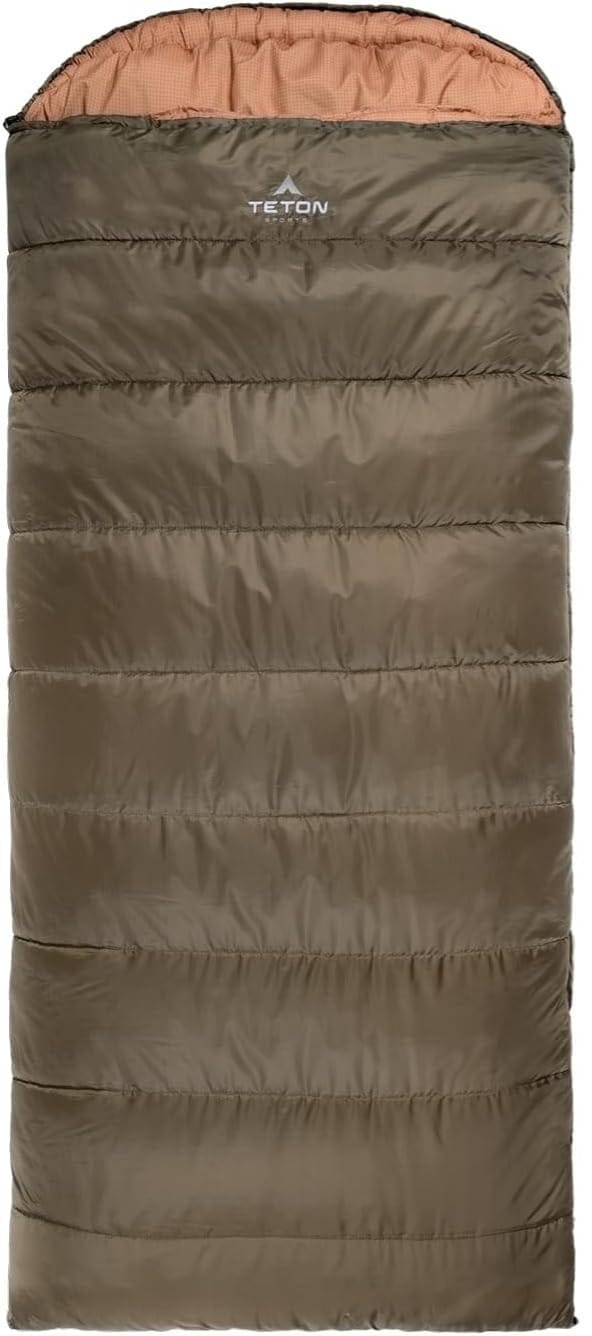 | 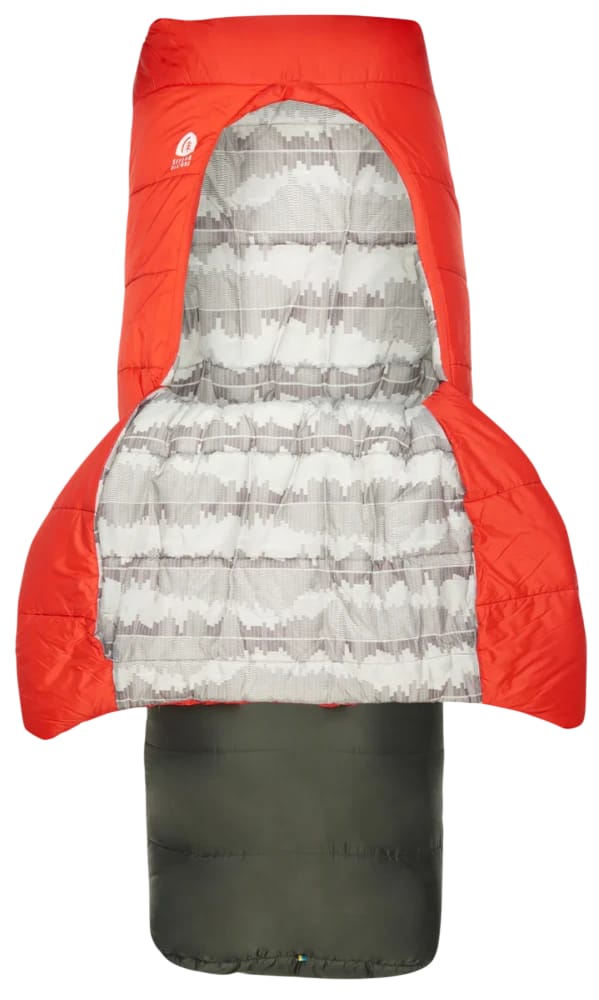 VS | |
| Fill Type | SuperLoft Elite hollow fiber | Synthetic |
| Weight | Junior: 45.6 oz; Large: 68.8–78.4 oz; XXL: 88–152 oz | Regular: 81.5 oz; Long: 82 oz |
| Size | Junior: 66 × 26 in; Large: 80 × 33 in; XXL: 90 × 39 in | Regular: 80 × 61 in; Long: 86 × 61 in |
| Shell Material | 70D/190T polyester taffeta | 30D polyester ripstop |
| Compression Sack | Included | Included; 20 × 11 in |
| Warranty | Limited lifetime | Limited lifetime |
| Lining Material | 75D polyester flannel | 68D polyester taffeta |
| Baffle Construction | Offset-stitch double layer | Not specified |
| Color | Variant-specific | Red/Black |
| Draft Tubes | Full-length shoulder and zipper draft tubes | Insulated hand/arm pockets |
| Fill Power | Not applicable - synthetic fill | Not applicable - synthetic fill |
| Foot Box | Rectangular | Self-sealing foot vent |
| TETON Sports Celsius | Sierra Designs Frontcountry Bed 20 |
|---|---|
| |
| Fill Type | |
SuperLoft Elite hollow fiber | Synthetic |
| Weight | |
Junior: 45.6 oz; Large: 68.8–78.4 oz; XXL: 88–152 oz | Regular: 81.5 oz; Long: 82 oz |
| Size | |
Junior: 66 × 26 in; Large: 80 × 33 in; XXL: 90 × 39 in | Regular: 80 × 61 in; Long: 86 × 61 in |
| Shell Material | |
70D/190T polyester taffeta | 30D polyester ripstop |
| Compression Sack | |
Included | Included; 20 × 11 in |
| Warranty | |
Limited lifetime | Limited lifetime |
| Lining Material | |
75D polyester flannel | 68D polyester taffeta |
| Baffle Construction | |
Offset-stitch double layer | Not specified |
| Color | |
Variant-specific | Red/Black |
| Draft Tubes | |
Full-length shoulder and zipper draft tubes | Insulated hand/arm pockets |
| Fill Power | |
Not applicable - synthetic fill | Not applicable - synthetic fill |
| Foot Box | |
Rectangular | Self-sealing foot vent |
Comfort
Celsius
Frontcountry Bed 20
Comfort is critical for a restful night outdoors, especially when temperatures drop or surfaces are uneven. For the Celsius, buyers consistently highlight its soft, fluffy interior and generous sizing, which contribute to a cozy feel even in cold weather. The Frontcountry Bed 20 earns praise for its stable design, which keeps pillows in place and prevents slipping on air mattresses, enhancing overall sleep quality. While both bags score highly, the Frontcountry Bed 20 edges out slightly due to its stability-focused design, though the Celsius’s plushness is a standout for those who prioritize warmth and softness.
Durability
Celsius
Frontcountry Bed 20
Durability ensures a sleeping bag lasts through multiple seasons of use, resisting wear from rough terrain or frequent packing. Neither the Celsius nor the Frontcountry Bed 20 has enough buyer feedback to clearly establish durability as a strength or weakness. Both land at a neutral rating, suggesting they perform adequately but without standout longevity. For buyers, this means durability is unlikely to be a deciding factor between the two.
Warmth
Celsius
Frontcountry Bed 20
Warmth is the most critical factor for cold-weather camping, as it directly impacts safety and comfort. The Celsius shines here, with overwhelmingly positive feedback on its ability to retain heat in subzero conditions, making it ideal for winter or high-altitude trips. In contrast, the Frontcountry Bed 20 receives mixed reviews on warmth, with buyers noting it’s better suited for milder temperatures. For those camping in cold climates, the Celsius is the clear winner, while the Frontcountry Bed 20 is better for warmer nights.
Packability
Celsius
Frontcountry Bed 20
Packability determines how easily a sleeping bag can be compressed and carried, which is essential for backpackers or those with limited storage space. The Celsius struggles here, with frequent complaints about its bulkiness and a finicky zipper that complicates packing. The Frontcountry Bed 20, however, is praised for its compact design and ease of compression, making it a far better choice for backpacking or trips where space is at a premium. Buyers who prioritize portability should strongly favor the Frontcountry Bed 20.
Ease Of Use
Celsius
Frontcountry Bed 20
Ease of use covers how intuitive and hassle-free a sleeping bag is to set up, adjust, and pack away. The Celsius lacks sufficient feedback to establish this as a strength, though its zipper issues hint at potential frustrations. The Frontcountry Bed 20, on the other hand, receives consistent praise for its straightforward design and user-friendly features, such as its self-sealing foot vent and insulated pockets. For those who value convenience, the Frontcountry Bed 20 is the better option.
Versatility
Celsius
Frontcountry Bed 20
Versatility reflects how well a sleeping bag adapts to different conditions, seasons, or activities. The Celsius is highly specialized for cold weather, which limits its usefulness in warmer climates but makes it a go-to for winter camping. The Frontcountry Bed 20, while not as warm, is more adaptable for a range of temperatures and activities, thanks to its packable design and features like the foot vent. Buyers seeking a single bag for varied conditions will prefer the Frontcountry Bed 20, while those focused on cold-weather performance will lean toward the Celsius.
Trust & Transparency
- Data-driven rankings from real user reviews
- Affiliate partnerships don't influence our methodology
We may earn commission from links.
Conclusion & Final Verdict:
The TETON Sports Celsius is the best choice for cold-weather camping, thanks to its exceptional warmth, plush lining, and heat-retaining features like full-length draft tubes. However, its bulkiness and zipper issues make it less ideal for backpacking.
The Sierra Designs Frontcountry Bed 20 is the clear winner for packability, ease of use, and versatility, with a lightweight, compressible design and user-friendly features like a self-sealing foot vent. It’s better suited for milder conditions and those prioritizing portability.
Verdict: Pick the Celsius for winter warmth; choose the Frontcountry Bed 20 for backpacking and milder trips.
Related Comparisons
Sierra Designs Frontcountry Bed 20vsREI Co-op Siesta Hooded 20 Sleeping Bag
The Sierra Designs Frontcountry Bed 20 and REI Co-op Siesta Hooded 20 Sleeping Bag differ in comfort, warmth, and packability. The Frontcountry Bed 20 is suitable for buyers prioritizing comfort and ease of use, while the Siesta Hooded 20 may appeal to those valuing versatility.
TETON Sports Altos Down 0°FvsSierra Designs Frontcountry Bed 20
TETON Altos Down 0°F excels in cold-weather warmth and durability, while Sierra Designs Frontcountry Bed 20 prioritizes comfort and ease of use for milder conditions.
TETON Sports CelsiusvsKelty Cosmic Down 20
The TETON Sports Celsius and Kelty Cosmic Down 20 differ in packability and durability, with the Cosmic Down 20 exceling in these areas, making it suitable for backpacking trips, while the Celsius is better for car camping or cabin sleeping due to its warmth and comfort.
TETON Sports CelsiusvsMarmot Trestles Elite Eco 20° Long
Marmot Trestles Elite Eco 20° Long wins for comfort, warmth, and packability, while TETON Sports Celsius offers budget warmth but is bulkier. Choose Marmot for versatility, Celsius for cozy cold-weather car camping.
TETON Sports CelsiusvsREI Co-op Siesta Hooded 20 Sleeping Bag
TETON Sports Celsius excels in warmth and comfort for cold-weather car camping, while REI Co-op Siesta Hooded 20 offers better versatility and ease of use for milder conditions.
TETON Sports CelsiusvsTETON Sports Altos Down 0°F
TETON Celsius excels in warmth and comfort for cold-weather car camping, while Altos Down 0°F packs smaller for backpackers. Choose Celsius for coziness, Altos for portability.