
TETON Sports Tracker 5°F Mummy vs Sierra Designs Frontcountry Bed 20
Why You Can Trust Us
- Side-by-side analysis based on real user feedback
- Unbiased comparisons, not influenced by partnerships
- Updated as new data becomes available
We may earn from affiliate links at no extra cost to you.
| Tracker 5°F Mummy | Frontcountry Bed 20 | |
|---|---|---|
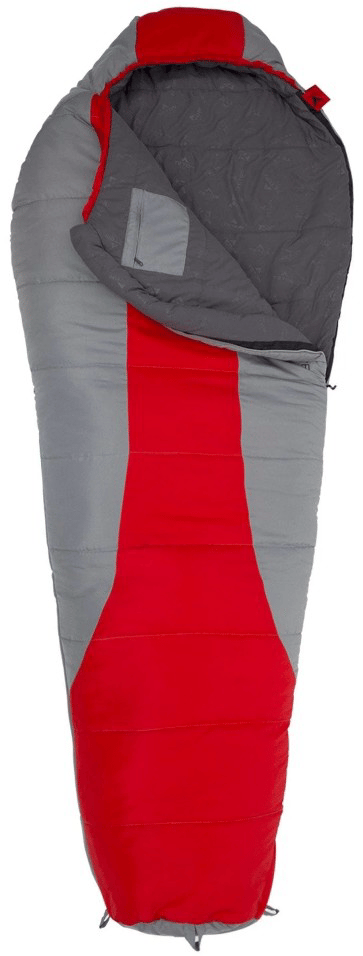 | 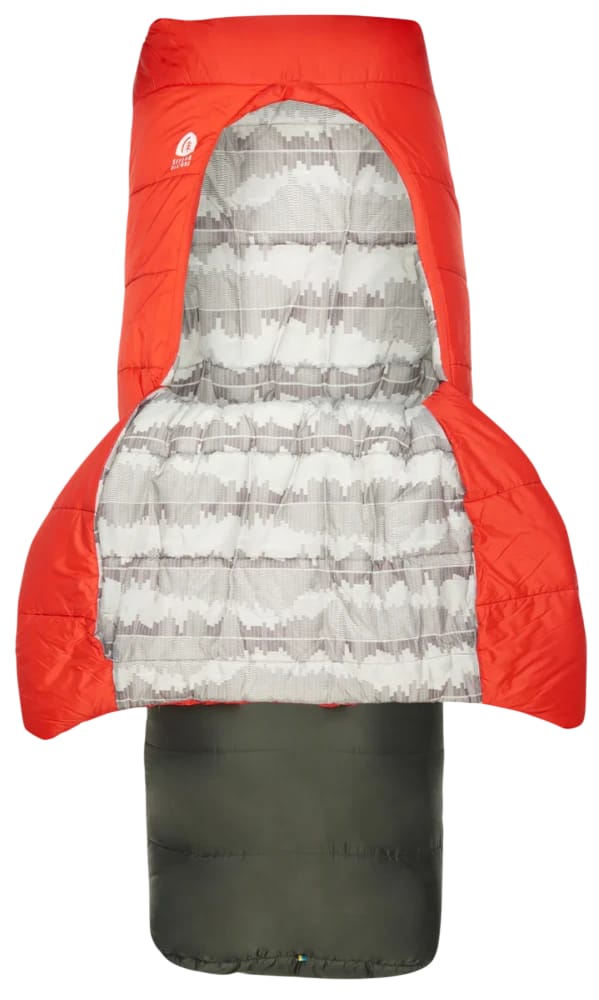 VS | |
| Fill Type | PolarLite synthetic | Synthetic |
| Weight | 65 oz | Regular: 81.5 oz; Long: 82 oz |
| Size | 87 × 34 × 22 in | Regular: 80 × 61 in; Long: 86 × 61 in |
| Shell Material | Diamond ripstop | 30D polyester ripstop |
| Compression Sack | Included | Included; 20 × 11 in |
| Warranty | Limited lifetime | Limited lifetime |
| Lining Material | Brushed polyester | 68D polyester taffeta |
| Baffle Construction | Double-layer construction | Not specified |
| Color | Red/Grey & Green | Red/Black |
| Draft Tubes | Full-length zipper draft tube | Insulated hand/arm pockets |
| Fill Power | Not applicable - synthetic fill | Not applicable - synthetic fill |
| Foot Box | 22 in mummy footbox | Self-sealing foot vent |
| TETON Sports Tracker 5°F Mummy | Sierra Designs Frontcountry Bed 20 |
|---|---|
| |
| Fill Type | |
PolarLite synthetic | Synthetic |
| Weight | |
65 oz | Regular: 81.5 oz; Long: 82 oz |
| Size | |
87 × 34 × 22 in | Regular: 80 × 61 in; Long: 86 × 61 in |
| Shell Material | |
Diamond ripstop | 30D polyester ripstop |
| Compression Sack | |
Included | Included; 20 × 11 in |
| Warranty | |
Limited lifetime | Limited lifetime |
| Lining Material | |
Brushed polyester | 68D polyester taffeta |
| Baffle Construction | |
Double-layer construction | Not specified |
| Color | |
Red/Grey & Green | Red/Black |
| Draft Tubes | |
Full-length zipper draft tube | Insulated hand/arm pockets |
| Fill Power | |
Not applicable - synthetic fill | Not applicable - synthetic fill |
| Foot Box | |
22 in mummy footbox | Self-sealing foot vent |
Comfort
Tracker 5°F Mummy
Frontcountry Bed 20
Comfort is critical for a restful night in the outdoors, especially when temperatures drop or surfaces are uneven. Both bags score equally high here, but they achieve it differently. The Tracker 5°F earns praise for its cozy, spacious foot box, soft lining that doesn’t stick to skin, and a three-piece hood that contours to your face for added warmth. Meanwhile, the Frontcountry Bed 20 stands out for its stable design, which keeps pillows in place and prevents slipping on air mattresses—a practical advantage for side sleepers or those using pads. With no clear edge in overall feel, this category is a tie, but buyers prioritizing stability may lean toward the Frontcountry Bed.
Durability
Tracker 5°F Mummy
Frontcountry Bed 20
Durability ensures your sleeping bag withstands rough terrain, punctures, and repeated use without failing. The Tracker 5°F clearly leads here, with consistent buyer feedback highlighting its tear-resistant, sturdy 75D ripstop material, water resistance, and a limited lifetime warranty. Users note it won’t tear even if punctured, making it a reliable choice for rugged conditions. In contrast, the Frontcountry Bed 20 lacks detailed durability feedback, leaving its long-term resilience uncertain. For campers who prioritize a bag that can handle wear and tear, the Tracker is the stronger pick.
Warmth
Tracker 5°F Mummy
Frontcountry Bed 20
Warmth is the most critical factor for cold-weather camping, and the Tracker 5°F delivers where it counts. Rated for 5°F, it uses body-mapping technology, extra fill in key areas, and a full-length zipper draft tube to lock in heat, earning positive feedback for keeping users warm in three-season conditions. The Frontcountry Bed 20, rated for 20°F, receives mixed reviews on warmth—some find it sufficient for mild nights, while others report it falls short in colder temperatures. With a higher temperature rating and more consistent warmth-related praise, the Tracker is the better choice for chilly environments.
Packability
Tracker 5°F Mummy
Frontcountry Bed 20
Packability matters for backpackers and hikers who need to save space and reduce weight. The Frontcountry Bed 20 excels here, with buyers consistently praising its compact design and ease of packing, earning it a top score in this category. The Tracker 5°F, while relatively packable, is noted as bulkier by some users, and its compression sack doesn’t fully offset its size. If minimizing pack volume is a priority—especially for long treks—the Frontcountry Bed’s superior packability makes it the clear winner.
Ease Of Use
Tracker 5°F Mummy
Frontcountry Bed 20
Ease of use can make or break a camping trip, especially in the dark or when you’re exhausted. The Frontcountry Bed 20 edges out the Tracker here, with users highlighting its straightforward setup and user-friendly features like insulated hand/arm pockets. The Tracker’s anti-snag zippers and compression straps are praised, but feedback is more limited. For those who value simplicity and quick setup, the Frontcountry Bed’s slight advantage in this category may tip the scales.
Versatility
Tracker 5°F Mummy
Frontcountry Bed 20
Versatility determines how well a sleeping bag adapts to different conditions, seasons, and activities. The Frontcountry Bed 20 takes a narrow lead, with buyers noting its adaptability for various outdoor activities and its self-sealing foot vent, which adds flexibility for temperature regulation. The Tracker 5°F is well-suited for three-season backpacking and fits TETON’s internal frame backpacks, but its bulk limits its appeal for ultralight or multi-day treks. If you need a bag that performs across a range of scenarios, the Frontcountry Bed’s design offers a bit more versatility.
Trust & Transparency
- Data-driven rankings from real user reviews
- Affiliate partnerships don't influence our methodology
We may earn commission from links.
Conclusion & Final Verdict:
The TETON Sports Tracker 5°F Mummy is the better choice for cold-weather campers who prioritize warmth, durability, and a lighter weight. Its 5°F rating, tear-resistant materials, and full-length draft tube make it ideal for three-season use in cooler climates. However, it’s bulkier and less packable, which may deter backpackers.
The Sierra Designs Frontcountry Bed 20 shines for hikers and travelers who value packability, ease of use, and versatility. Its compact design, self-sealing foot vent, and stable construction make it a practical option for milder conditions and varied outdoor activities. That said, it lags in warmth and durability, so it’s less suited for extreme cold or rough terrain.
Verdict: Pick the Tracker 5°F for warmth and ruggedness; choose the Frontcountry Bed 20 for portability and convenience.
Related Comparisons
Coleman Brazos 20°FvsSierra Designs Frontcountry Bed 20
The Coleman Brazos 20°F excels in warmth and durability, making it ideal for cold weather camping. The Sierra Designs Frontcountry Bed 20 offers better packability and versatility, suitable for milder conditions and various outdoor activities.
Coleman Brazos 20°FvsTETON Sports Tracker 5°F Mummy
The Coleman Brazos 20°F excels in warmth and ease of use, while the TETON Sports Tracker 5°F Mummy offers better packability. Choose the Brazos for colder conditions and the Tracker for easier transport.
Coleman Kompact 30°F RectanglevsSierra Designs Frontcountry Bed 20
Coleman Kompact excels in warmth and comfort for cooler nights; Sierra Designs Frontcountry Bed packs smaller and is easier to use for mild-weather campers.
TETON Sports Tracker 5°F MummyvsREI Co-op Siesta Hooded 20 Sleeping Bag
TETON Sports Tracker 5°F wins for warmth, durability, and packability; REI Siesta Hooded 20 offers versatility as a blanket but lags in cold-weather performance.
TETON Sports Tracker 5°F MummyvsTETON Sports Altos Down 0°F
Tracker 5°F Mummy wins on comfort and durability; Altos Down 0°F excels in warmth, packability, and versatility. Choose Tracker for cozy three-season use, Altos for colder, compact trips.
TETON Sports LEEF Short 30°FvsTETON Sports Celsius
The TETON Sports LEEF Short 30°F and Celsius sleeping bags differ in packability and durability, with the LEEF Short 30°F being more packable and durable, while the Celsius offers excellent warmth and comfort. Backpackers may prefer the LEEF Short 30°F, while car campers may prefer the Celsius.