
Hydration Pack vs Water Bottle for Day Hiking
Choose between a hydration pack and water bottle setup for day hikes based on distance, heat, cleaning, refills, and how you like to drink.
Draft status: Step 9 completed on 2026-07-04. This is article prose only, not the final structured blog object. Internal guide slugs still need verification before object build.
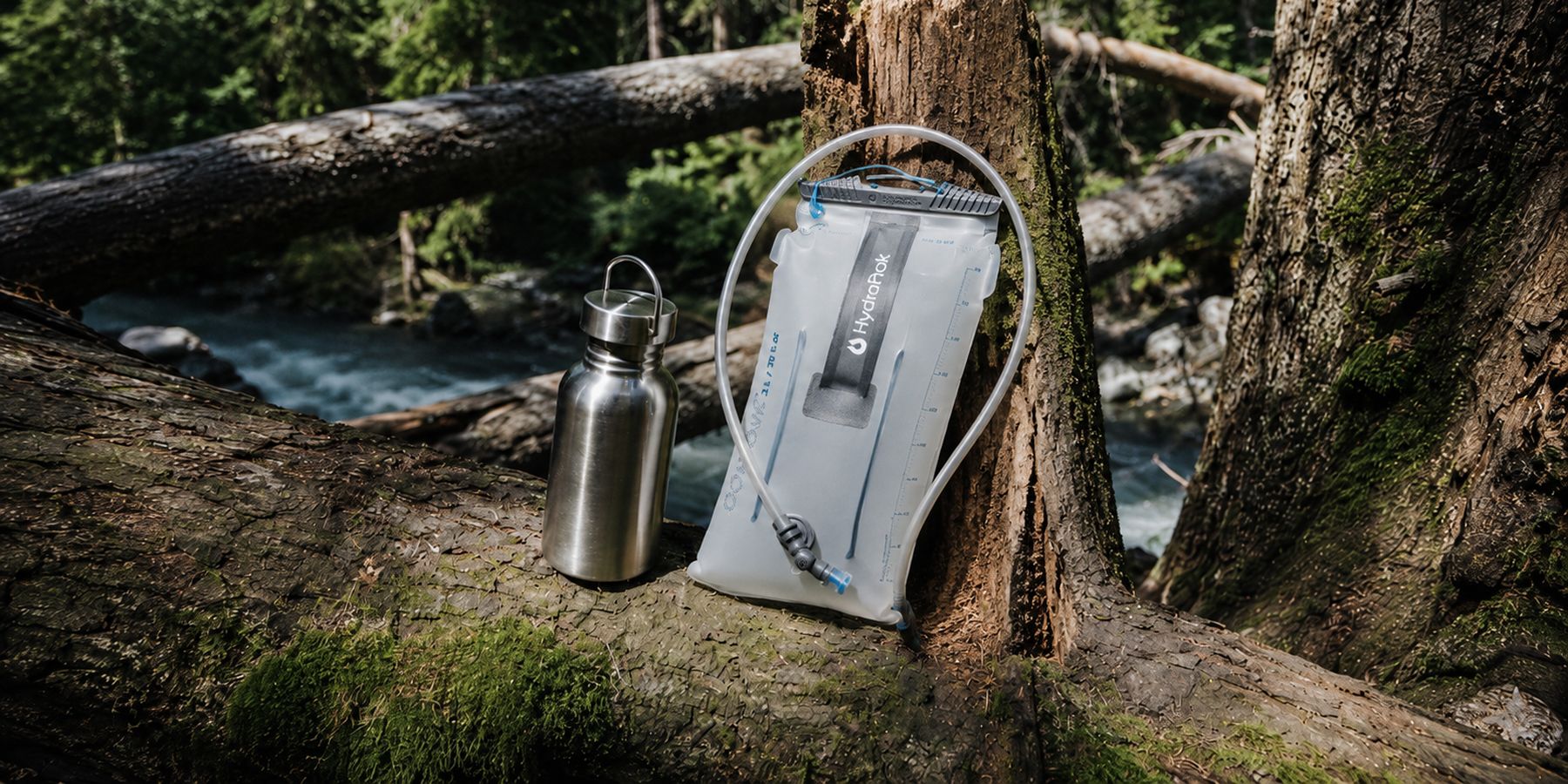
A hydration pack is usually better for longer or hotter day hikes where you want hands-free sipping and more water capacity. Water bottles are simpler, easier to clean, easier to refill, and better when you want to see exactly how much water remains. Many hikers use both on bigger days.
The best setup depends on distance, heat, refill access, pack design, cleaning tolerance, and whether you use drink mixes. A short cool hike may need only a bottle. A hot exposed route may justify a reservoir plus a backup bottle.
The REI trail hydration guide gives a general planning baseline of about 0.5 liter per hour for moderate activity in moderate temperatures, with more needed for heat or harder effort. The REI hydration pack guide also notes that reservoirs make drinking convenient and that water weight adds up quickly.
Hydration Pack vs Water Bottle: Quick Comparison
| Factor | Hydration pack or bladder | Water bottle | Best choice |
|---|---|---|---|
| Drinking convenience | Sip through a hose while walking | Stop or reach for the bottle | Hydration pack for frequent sipping |
| Water tracking | Harder to see remaining water | Easy to see volume | Bottle for visibility |
| Cleaning | More parts and tubing | Simple opening and fewer parts | Bottle for easy maintenance |
| Capacity | Commonly 1.5L, 2L, 2.5L, or 3L | Flexible, usually carried in pockets | Hydration pack for larger carry |
| Refills | Can be awkward if buried in pack | Quick at taps and streams | Bottle for frequent refills |
| Drink mixes | Can leave flavor in tube/reservoir | Easier to clean after mixes | Bottle for electrolytes or flavored drinks |
| Insulation | Usually not insulated | Insulated bottles are available | Bottle for cold or hot drinks |
| Pack compatibility | Needs reservoir sleeve and hose routing | Needs reachable bottle pockets | Depends on your daypack |
If you only remember one rule, make water easy to drink. A system that looks efficient but discourages drinking is the wrong system.
When a Hydration Pack Makes More Sense
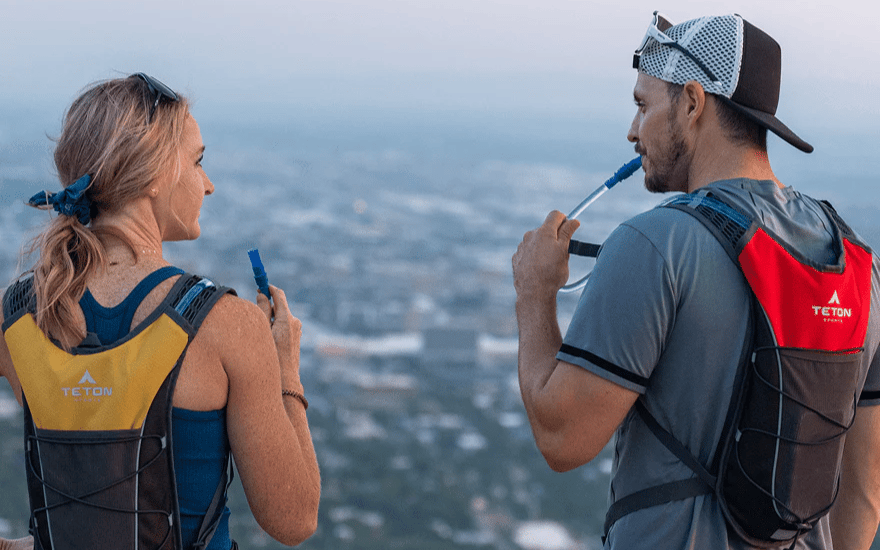
A hydration pack makes sense when you want to drink often without stopping. That can help on hot trails, steep climbs, long day hikes, or fast-paced hikes where pulling out a bottle every few minutes gets annoying.
Hydration packs also carry larger water volumes neatly. REI's hydration pack guide notes that 2L to 2.5L reservoirs are a common balance, while 3L reservoirs fit longer or water-scarce outings. Remember that water is heavy: roughly 2 lb per liter.
Choose a hydration pack when:
- The hike is hot, long, or exposed.
- You tend not to drink enough from bottles.
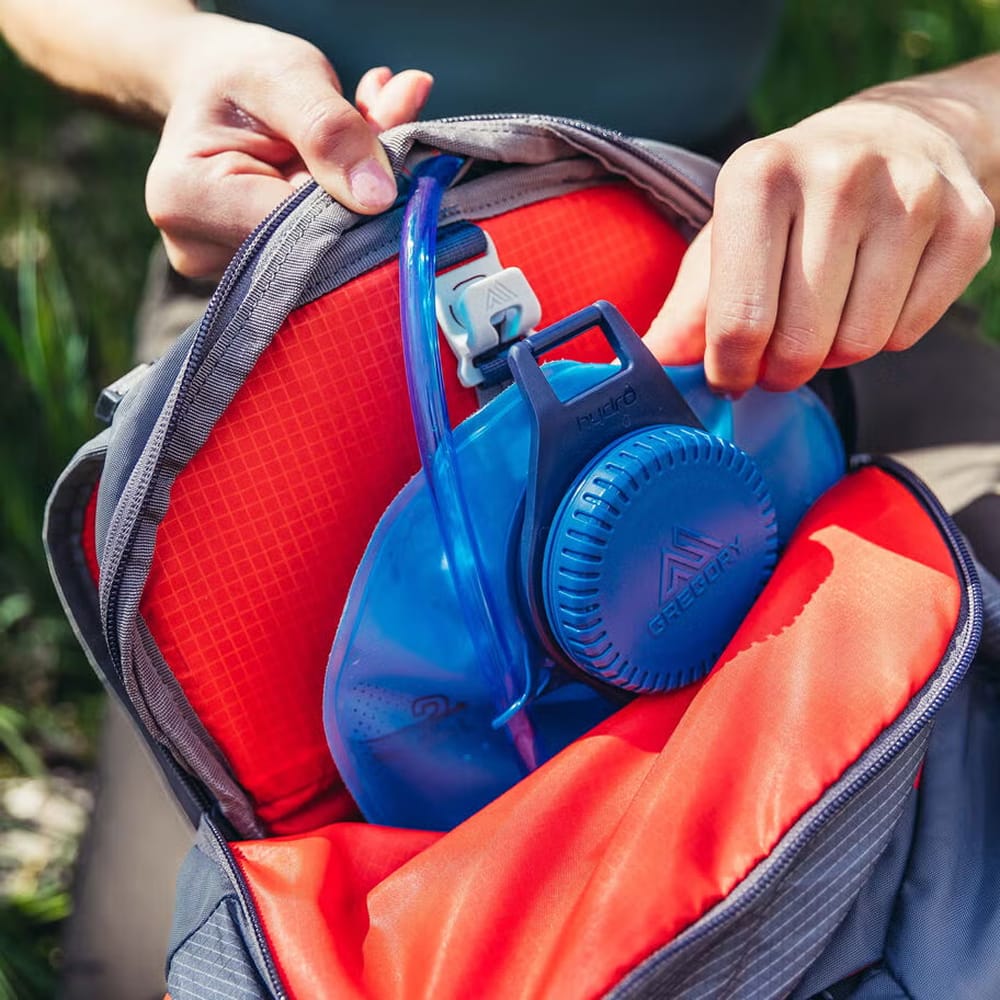
- Your daypack has a reservoir sleeve and hose port.
- You want most water weight close to your back.
- You do not mind drying and cleaning the reservoir.
If you already own a compatible pack, compare the reservoir itself in our hydration bladder guide, paying attention to capacity, opening style, hose routing, and cleaning.
When Water Bottles Make More Sense
Water bottles are simple. You can see how much water remains, refill quickly, clean them easily, and use drink mixes without worrying as much about flavor lingering in a hose.
Bottles are especially practical for short hikes, cooler weather, hikes with frequent refills, and people who like insulated drinks. They also make it easier to split plain water and electrolyte mix into separate containers.
Choose bottles when:
- The hike is short or moderate.
- You want to monitor water volume at a glance.
- You use electrolyte tablets or powders often.
- You dislike cleaning reservoir tubes.
- Your daypack has reachable side pockets.
Should You Carry Both?
For many day hikers, the best setup is not either-or. A reservoir plus one bottle can solve several problems at once.
| Day hike type | Suggested setup | Caveat |
|---|---|---|
| Short cool hike | One or two bottles | Keep one reachable while walking. |
| Moderate day hike | Bottles or 1.5-2L reservoir | Choose by drinking style and pack fit. |
| Hot full-day hike | 2-3L reservoir plus bottle | Plan water sources and carry weight. |
| Electrolyte-heavy hike | Plain water reservoir plus mix bottle | Easier to clean and track. |
| Hike with refills | Bottles plus filter or treatment if needed | Check whether water sources are reliable. |
| Group hike | Personal water plus shared backup if appropriate | Do not rely only on someone else's water. |
The "both" setup works well when you want hands-free drinking from the hose and visible backup water in a bottle. It also gives you a separate container for electrolytes.
How Much Water Should You Carry for a Day Hike?
There is no exact number that works for every person or trail. REI's general starting point is about 0.5 liter per hour for moderate activity in moderate temperatures. Hot weather, elevation, sun exposure, steep climbing, fitness, and personal sweat rate can push that higher.
The National Park Service frames hydration as a safety system: identify water sources before you go, carry enough for conditions, and bring treatment when you plan to use natural sources.
Do not fill a 3L reservoir just because it holds 3L. Also do not underfill because you want a lighter pack. Match water to route, heat, refill access, and your body.
Cleaning and Maintenance
Cleaning is one of the biggest real-world differences between bottles and bladders.
| Item | Cleaning need | Risk if ignored |
|---|---|---|
| Wide-mouth bottle | Wash and dry after use | Odor or residue |
| Insulated bottle | Wash lid and seals | Lingering flavor |
| Hydration reservoir | Rinse, dry fully, clean periodically | Odor, residue, or growth |
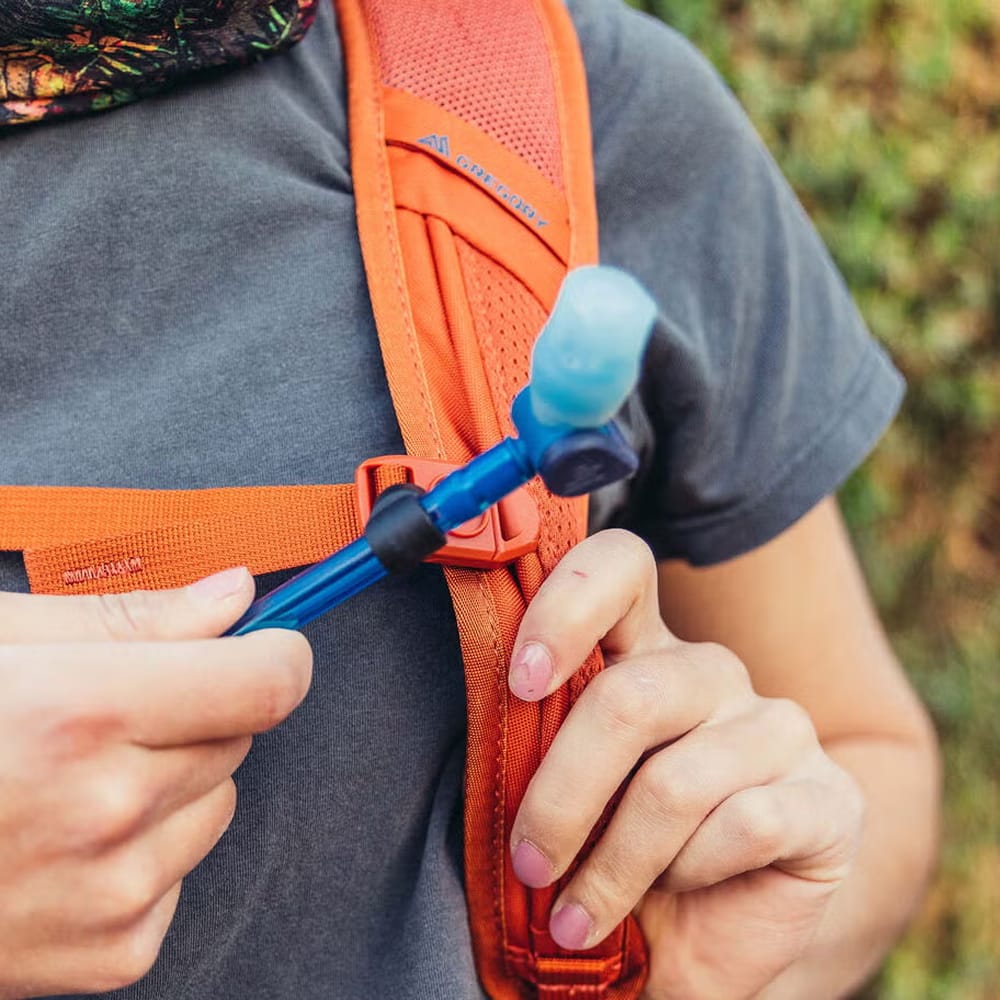
| Drink tube and bite valve | Flush and dry | Harder-to-clean buildup |
| Electrolyte mix container | Clean promptly | Sticky residue and flavor carryover |
Use the cleaning instructions for your specific bottle or reservoir. If you hate cleaning tubes, keep mixes in bottles and reserve the bladder for plain water.
FAQ
Is a hydration pack better than a water bottle for hiking?
A hydration pack is better when you want hands-free sipping, larger capacity, and water carried close to your back. A water bottle is better when you want simple cleaning, visible water volume, easy refills, and insulated or mixed drinks.
Are hydration bladders hard to clean?
They are not difficult, but they take more attention than bottles. The reservoir, hose, and bite valve all need to be rinsed, dried, and cleaned according to the manufacturer's instructions. Bottles are simpler.
How much water should I carry for a day hike?
Use about 0.5 liter per hour in moderate conditions as a starting point, then adjust for heat, effort, elevation, refill access, and your body. For hot or strenuous hikes, you may need substantially more.
Can I put electrolyte mix in a hydration bladder?
You can if the reservoir manufacturer allows it, but many hikers keep mixes in bottles because they are easier to clean and do not leave flavor in a hose. Plain water in the bladder plus electrolytes in a bottle is a practical compromise.
Are insulated bottles worth it for hiking?
Insulated bottles are worth it when cold water, hot drinks, or temperature control matters more than weight. For long or fast hikes, they are heavier than simple plastic bottles or a reservoir.
Should I carry both a bladder and a bottle?
Often, yes. A bladder gives convenient sipping, while a bottle gives visible backup water and a place for electrolytes. The combination is especially useful on hot, long, or exposed day hikes.
What is the best way to carry water on a hot hike?
For a hot hike, use a setup that makes frequent drinking easy and gives enough capacity for the route. A 2-3L reservoir plus a bottle can work well, but refill access, shade, elevation, and carry weight should guide the final amount.
Related Guides
Best Hydration Packs For Hiking
Finding the best hydration pack for hiking depends on your needs for comfort, durability, and accessibility. We've compared top options to help you choose the right one.
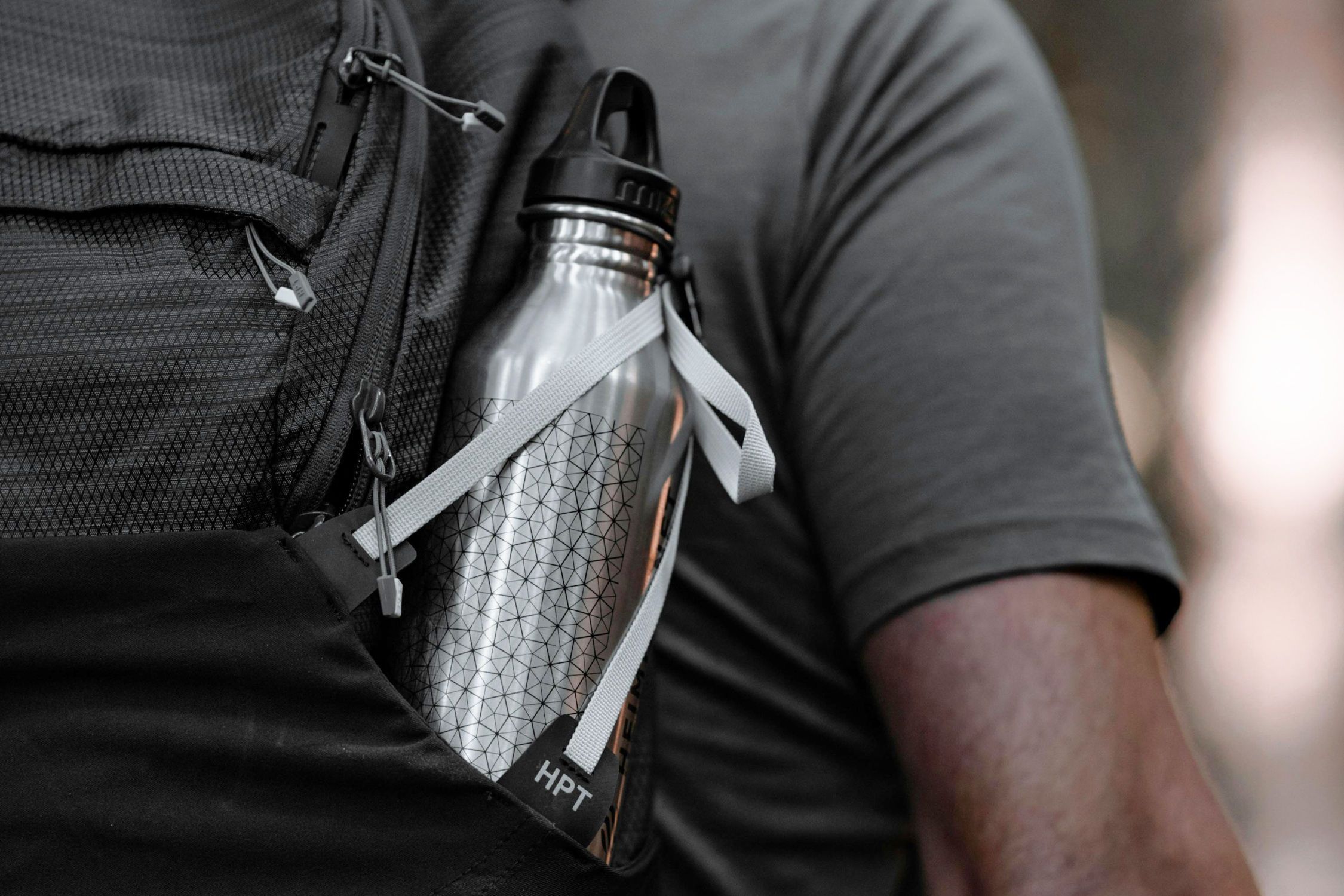
Best Insulated Hiking Water Bottles
Choosing an insulated hiking bottle requires balancing cold retention against leak reliability, weight efficiency, and lid maintenance. This guide evaluates nine bottles across six performance categories to clarify which trade-offs align with your actual trail use.
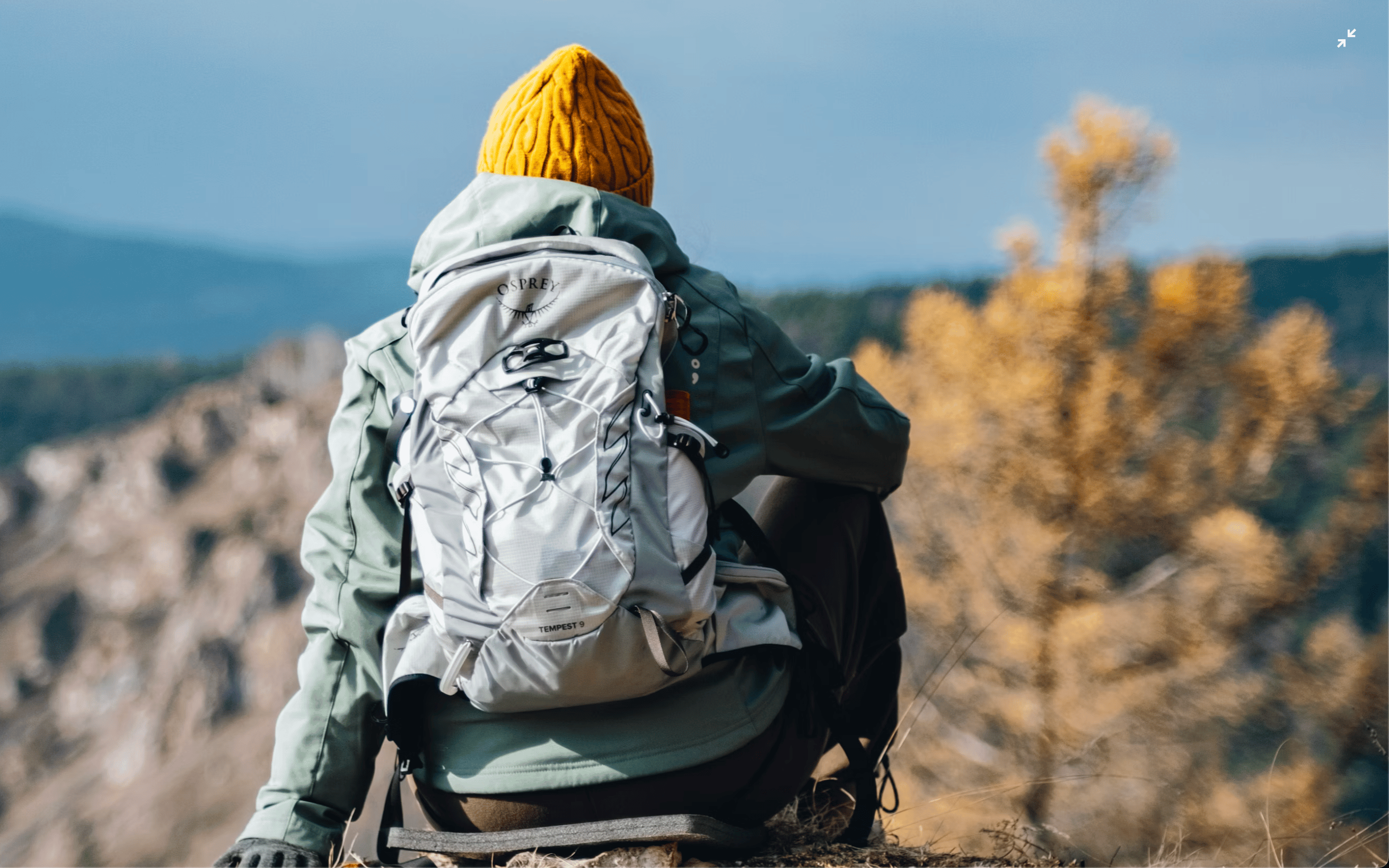
Best Daypacks For Hiking
Finding the right daypack for hiking can make or break your outdoor experience. We've compared the top options to help you choose the best one for your needs.
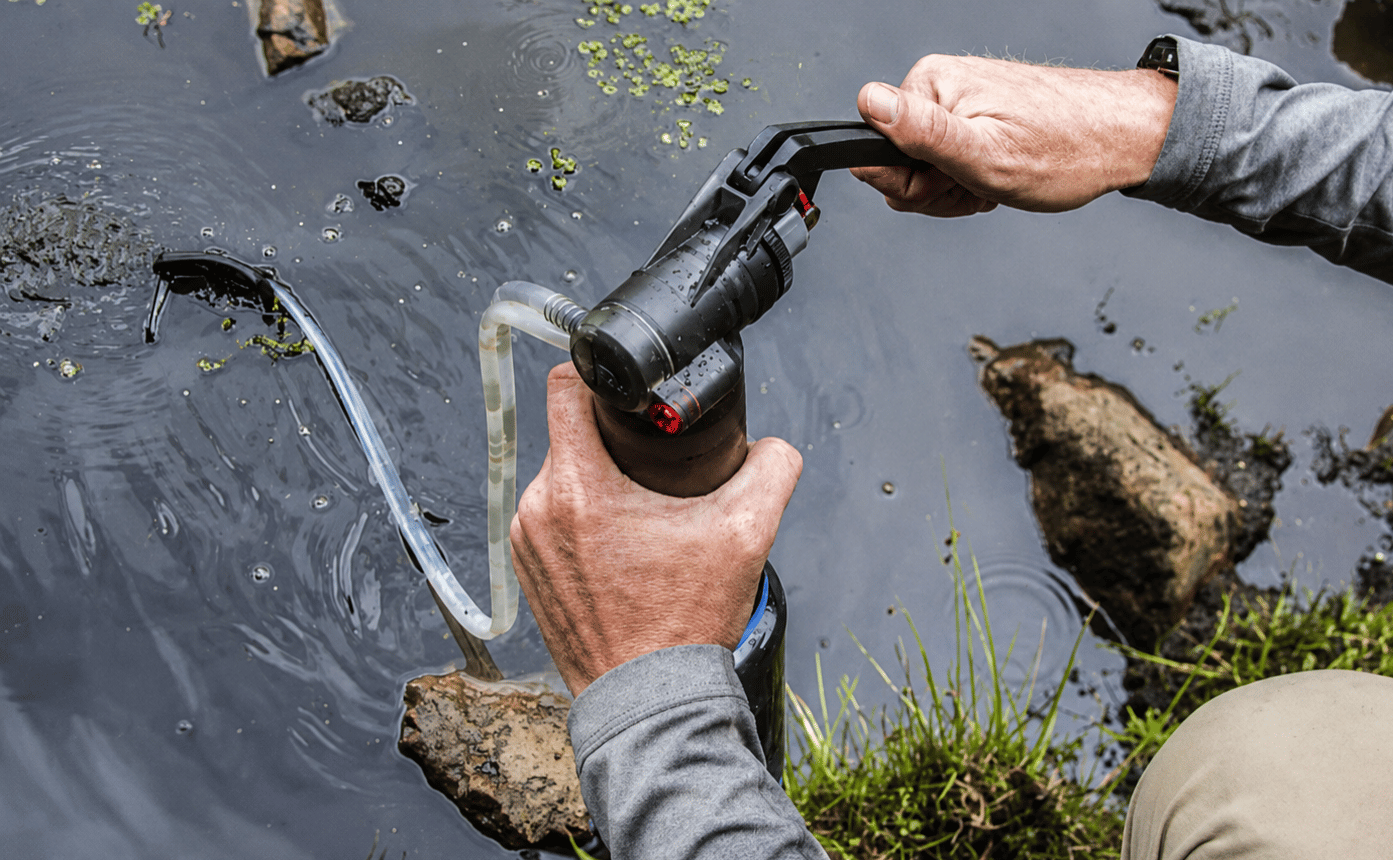
Best Backpacking Water Filters
Looking for the best backpacking water filter? We compare top-rated options to help you find the perfect balance of durability, flow rate, and portability for your next adventure.
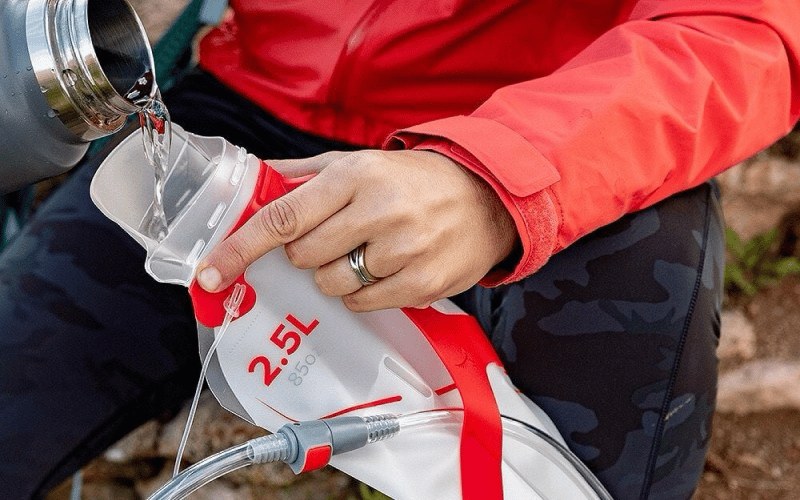
Best Hydration Bladders
This guide compares top hydration bladders, highlighting key features and tradeoffs to help you choose the best option for your outdoor adventures.