
Sleeping Pad R-Value Explained for Backpackers
Understand sleeping pad R-value, common warmth ranges, and how to choose enough insulation for backpacking without overpacking.
Draft status: Step 9 completed on 2026-07-04. This is article prose only, not the final structured blog object. Internal guide slugs still need verification before object build.
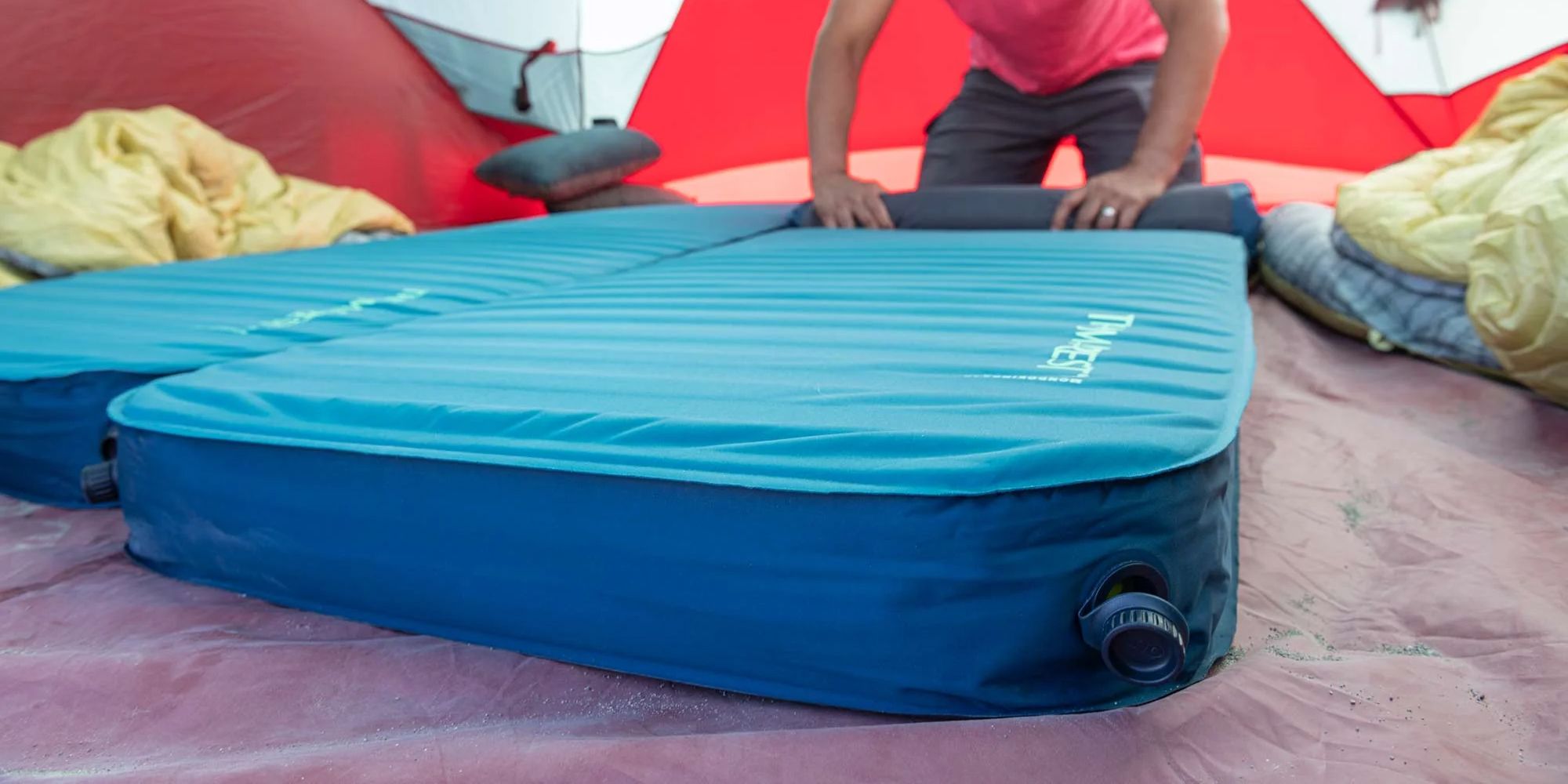
For backpacking sleeping pads, R-value measures how well a pad resists heat loss to the ground. For warm summer backpacking, many hikers use pads under R-2 or around R-2 to R-3; for colder 3-season trips, R-3 to R-5 is more common; for freezing conditions, look higher. Your sleeping bag warmth depends on the pad underneath it.
R-value is useful because the ground can pull heat away from your body even when your sleeping bag or quilt is warm enough on paper. A sleeping pad is not just a cushion. It is part of the sleep system, along with your bag or quilt, clothing, shelter, campsite, and the overnight low.
The REI sleeping pad guide explains R-value as a thermal-resistance rating and gives broad warmth ranges for different conditions. The ASTM F3340-22 standard gives manufacturers a repeatable lab method for comparing camping mattress thermal resistance. That makes R-value a better comparison tool than vague warmth language, but it is still not a guarantee that every sleeper will feel warm at the same temperature.
What Is Sleeping Pad R-Value?
Sleeping pad R-value is a measure of resistance to heat flow. A higher number means the pad insulates better against cold surfaces. A lower number means less insulation between you and the ground.
That matters most when the ground is cold, damp, frozen, or slow to warm in spring. Your body compresses the insulation underneath you in a sleeping bag, so the pad becomes the main barrier between your body and the ground.
R-value is also a comparison number. Because modern pad ratings use a standardized test method, you can compare the R-value of two pads more confidently than you can compare marketing terms like "warm," "insulated," or "three-season."
What R-Value Do You Need for Backpacking?
Use R-value as a starting point, then adjust for expected lows, ground temperature, shelter, sleeping bag or quilt, and whether you sleep warm or cold.
| R-value range | Typical conditions | Best fit | Watch out for |
|---|---|---|---|
| Under R-2 | Warm summer nights | Minimalist warm-weather trips | Cold sleepers may still feel chilled on cool ground. |
| R-2.0 to R-3.9 | Cool weather and mild 3-season use | Many spring, summer, and fall trips | Early spring ground can be colder than the air suggests. |
| R-4.0 to R-5.4 | Cold shoulder-season conditions | Cold sleepers, quilts, colder 3-season routes | May be heavier or bulkier than a summer pad. |
| R-5.5+ | Freezing and very cold conditions | Winter camping, snow, and cold-ground trips | More insulation is not a substitute for the rest of the winter sleep system. |
These ranges are not temperature promises. They are decision bands. A warm sleeper in a tent on dry summer ground may be comfortable with less insulation. A cold sleeper using a quilt in damp shoulder-season conditions may want more.
How R-Value Works With Your Whole Sleep System
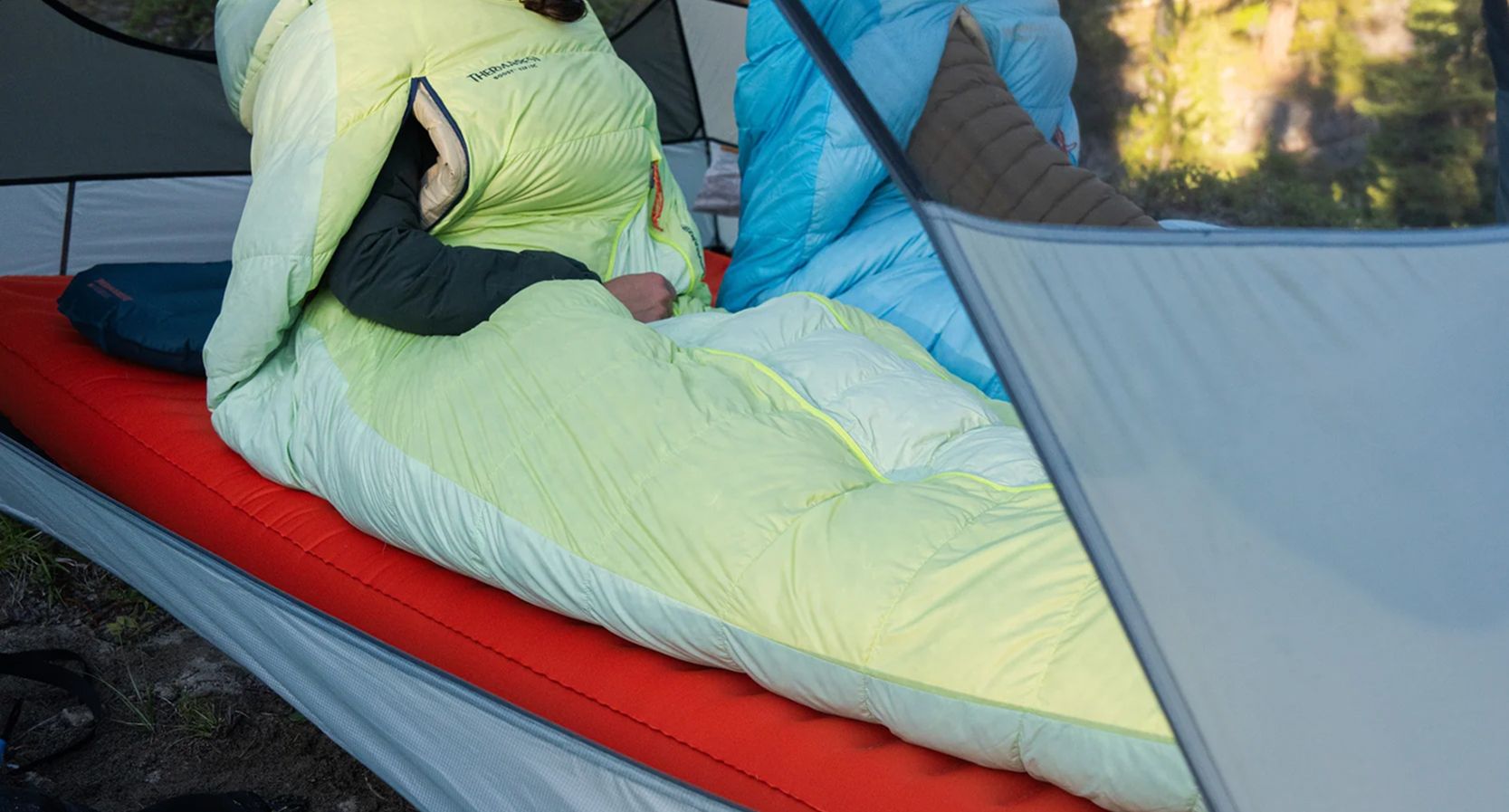
A sleeping pad does not work alone. Your bag or quilt traps warm air above and around you, while the pad slows heat loss below you. If the pad is under-insulated, a warm sleeping bag can still feel disappointing because the cold is coming from beneath.
| Gear variable | What it affects | Why it matters |
|---|---|---|
| Sleeping pad R-value | Heat loss to the ground | Low pad warmth can make the whole system feel colder. |
| Sleeping bag or quilt rating | Warmth around your body | Ratings assume a complete sleep setup, not bare ground. |
| Shelter and campsite | Wind, moisture, and exposure | A sheltered site can feel warmer than an exposed one. |
| Clothing | Supplemental warmth | Layers help, but they do not fully replace ground insulation. |
| Sleeper type | Personal comfort | Cold sleepers often need more margin than warm sleepers. |
Quilt users should pay extra attention to pad warmth. A quilt has no insulated bottom by design, so the pad does even more work underneath you. Side sleepers may also care about pad thickness and comfort, but thickness and R-value are different specs. A thick pad can still be cold if it is not insulated.
A pad is only one part of the system: value-focused campers can compare budget sleeping bags, while comfort-focused backpackers can evaluate backpacking pillows separately from insulation.
Foam Pads vs Inflatable Pads for Warmth
Closed-cell foam pads are simple, durable, and often inexpensive. They can be strapped outside a pack and can still work if punctured because there is no air chamber to fail. Their downside is bulk and limited comfort.
Insulated inflatable pads usually pack smaller and feel more comfortable for many backpackers. They can also reach higher R-values at lower packed volume. Their downside is puncture risk, price, and the need to manage inflation, repair, and moisture.
| Pad type | Warmth pattern | Weight and packability | Best use |
|---|---|---|---|
| Closed-cell foam | Usually modest R-value, reliable insulation | Light but bulky | Summer trips, backup layer, rugged use |
| Insulated inflatable | Wider R-value range, including high winter ratings | Compact but more fragile | 3-season comfort, cold trips, smaller packs |
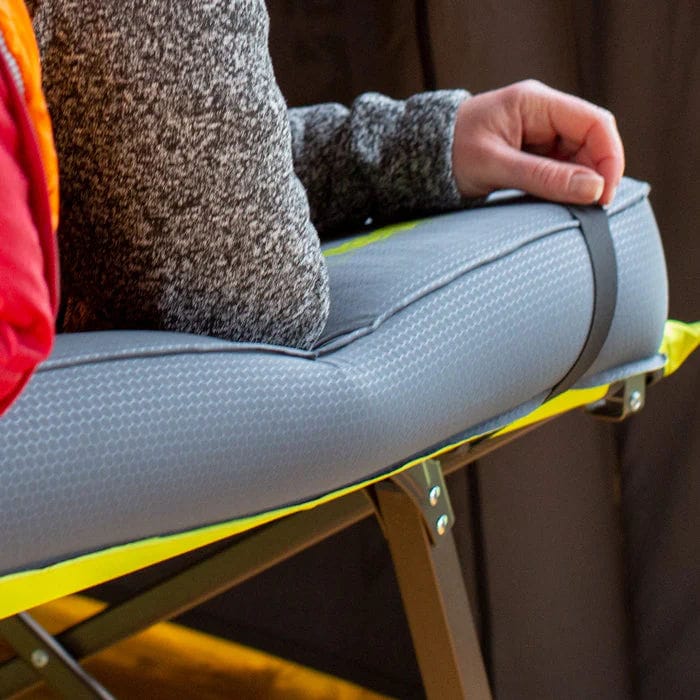
| Self-inflating pad | Foam and air combination | Usually bulkier than air pads | Comfort-focused trips, shorter carries |
| Stacked pads | R-values can be added | More bulk and weight | Winter, backup protection, cold sleepers |
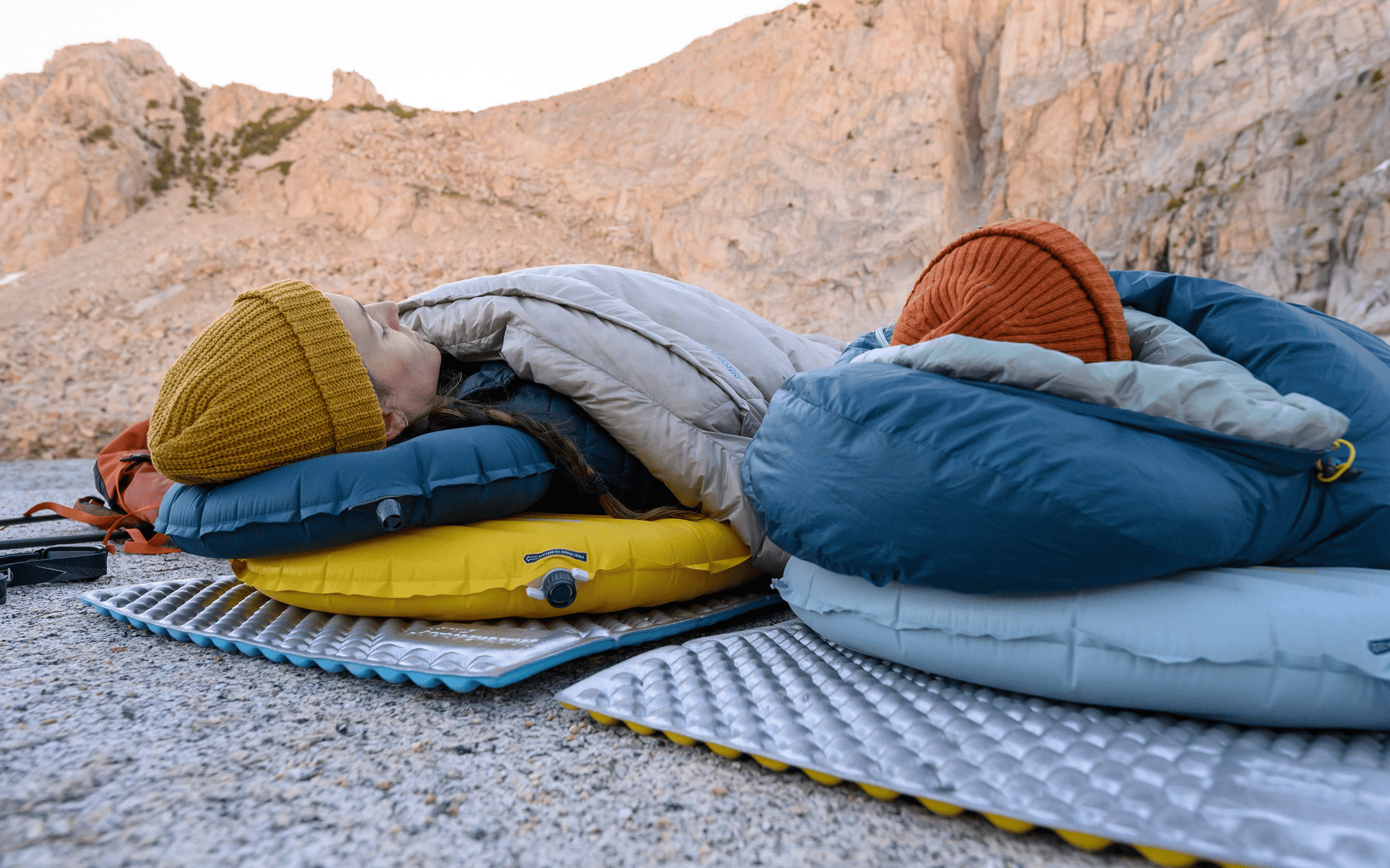
Stacking pads is a practical cold-weather trick. A foam pad under an inflatable can add insulation, protect the inflatable from punctures, and create a backup if the air pad fails.
Common R-Value Mistakes
Buying only by weight
Light pads are appealing, but warmth is part of the job. A very light, low-R pad can be the wrong choice for cold ground, even if it looks perfect in a gear spreadsheet.
Ignoring ground temperature
Air temperature and ground temperature are not always the same. Spring ground can stay cold after the air warms up. Wet soil, exposed campsites, and snow all change the sleep-system equation.
Trusting a sleeping bag rating without pad context
A sleeping bag temperature rating is not a promise that the bag will feel warm over an under-insulated pad. If you are cold from below, adding a warmer bag may not fix the real problem.
Replacing pad warmth with extra clothing
Extra layers can help you sleep warmer, but they do not fully solve ground heat loss. If the pad is too cold for the conditions, clothing is a patch, not a complete replacement.
Assuming higher R-value is always better
More insulation can add cost, weight, and packed volume. A high-R pad is not unsafe in summer, but it may be more pad than you need for hot-weather trips where low weight and packability matter more.
FAQ
What does R-value mean on a sleeping pad?
R-value is a sleeping pad's resistance to heat flow. A higher R-value means the pad insulates better against cold ground. For backpackers, it is one of the clearest specs for comparing pad warmth across brands and pad types.
What R-value sleeping pad do I need for backpacking?
For warm summer backpacking, many hikers use pads under R-2 or around R-2 to R-3. For cooler 3-season trips, R-3 to R-5 is a safer middle. For freezing or winter trips, look at R-5.5 or higher and match the pad with the rest of your sleep system.
Is a higher R-value sleeping pad always better?
Not always. A higher R-value gives more insulation, but it can also add weight, cost, or packed bulk. For cold trips, extra insulation is useful. For warm summer trips, a lighter lower-R pad may be enough.
Can I stack two sleeping pads to increase R-value?
Yes. Sleeping pad R-values can be added when pads are stacked. For example, many winter campers place a closed-cell foam pad under an insulated inflatable pad for more warmth, puncture protection, and backup.
Does a sleeping bag liner replace a warmer sleeping pad?
No. A liner can add some warmth inside the bag, but it does not replace insulation underneath you. If you are losing heat to cold ground, a warmer pad is usually more relevant than a liner.
What R-value is good for 3-season backpacking?
Many 3-season backpackers land somewhere around R-2 to R-5, depending on expected lows, ground temperature, and whether they sleep warm or cold. For mild summer trips, lower can work. For shoulder-season cold, move toward the higher end.
Why am I cold if my sleeping bag is warm enough?
One common reason is an under-insulated pad. Sleeping bags and quilts need a suitable pad underneath them. Cold ground, damp campsites, wind exposure, hunger, dehydration, and personal cold sensitivity can also make a sleep setup feel colder than expected.
Related Guides
Best Sleeping Pads For Backpacking
Finding the best sleeping pad for backpacking can be tricky. This guide compares top options to help you choose the right one for your needs.
Best Self Inflating Camping Mattresses
This guide compares top self-inflating sleeping pads for camping, highlighting key features, pros, and cons to help you choose the best option for comfort and convenience.
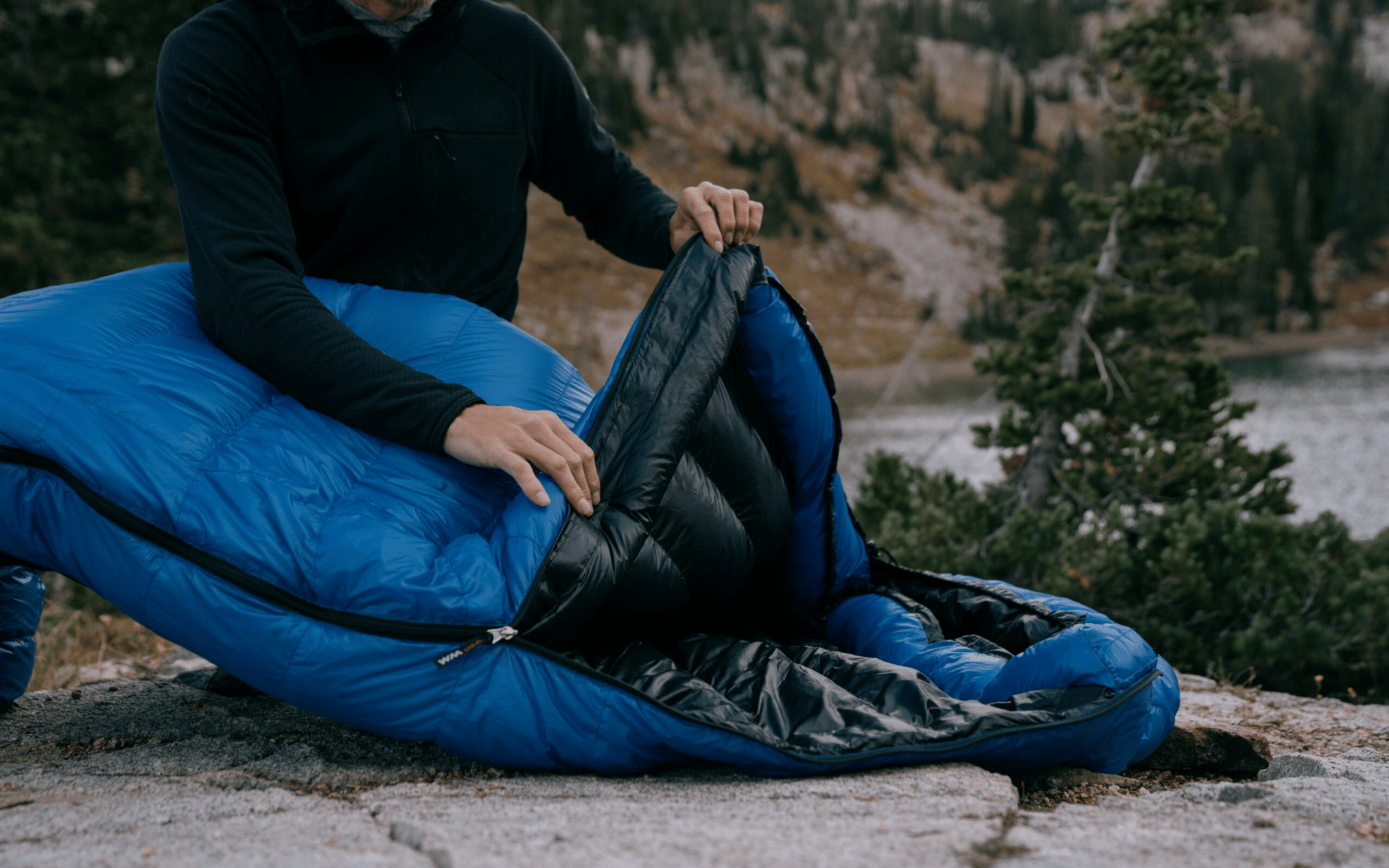
Best Backpacking Sleeping Bags
Finding the best backpacking sleeping bag depends on your priorities: warmth, weight, or versatility. We compare top options to help you choose the right one for your adventures.
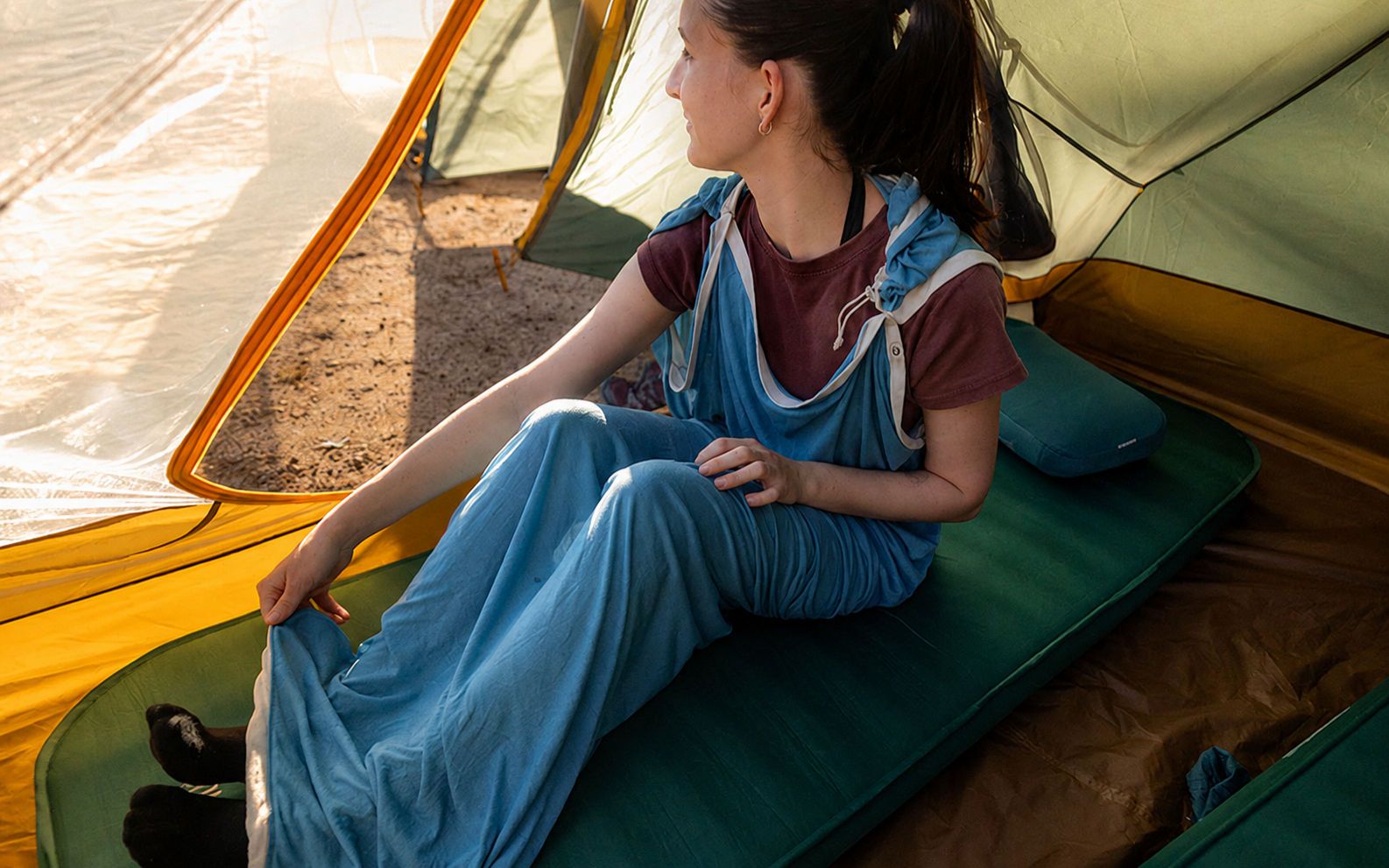
Best Sleeping Bag Liners
A sleeping bag liner can add warmth, comfort, and versatility to your outdoor gear. This guide compares top options to help you find the best fit for your needs.
Best Foam Sleeping Pads
This guide compares the best foam sleeping pads, highlighting top choices for comfort, warmth, and durability to help you find the perfect fit for your outdoor adventures.
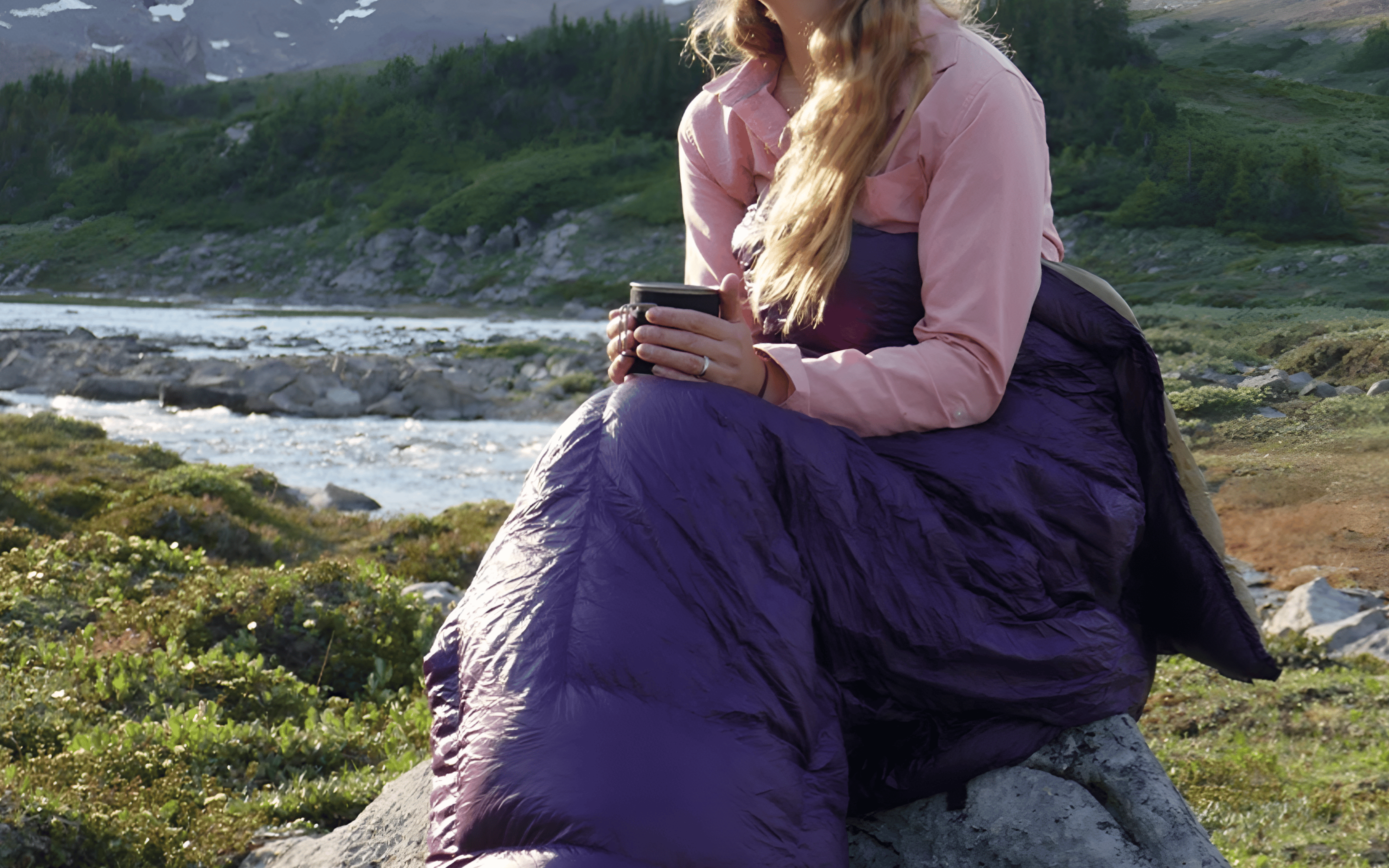
Best Backpacking Quilts
This guide compares the best backpacking quilts, highlighting top choices for warmth, comfort, and packability to help you find the perfect fit for your outdoor adventures.