
BOTE WULF Aero vs BOTE Breeze Aero
Why You Can Trust Us
- Side-by-side analysis based on real user feedback
- Unbiased comparisons, not influenced by partnerships
- Updated as new data becomes available
We may earn from affiliate links at no extra cost to you.
| BOTE WULF Aero | BOTE Breeze Aero | |
|---|---|---|
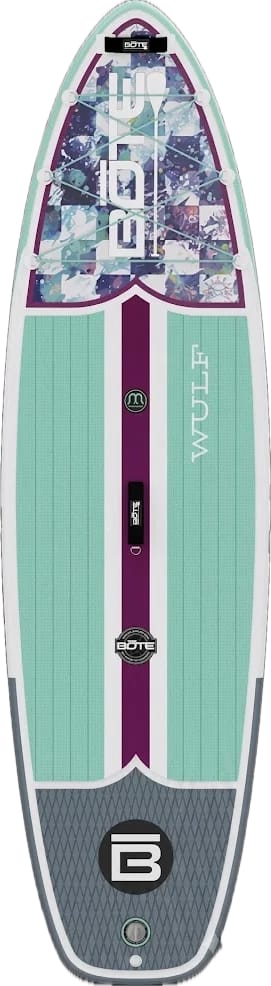 | 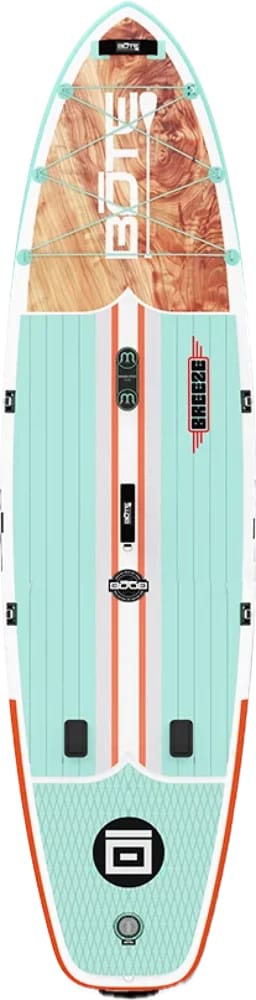 VS | |
| Dimensions | 10'4": 10.33 × 2.83 × 0.5 ft | 10'6": 10.5 × 2.83 × 0.5 ft |
| Capacity | 10'4": 250 lb | 10'6": 250 lb |
| Weight | 10'4": 20 lb | 10'6": 20 lb |
| Thickness | 6 in | 6 in |
| Maximum Pressure | 10–15 psi | 10–15 psi |
| Warranty | 2 Years | 2 Years |
| BOTE WULF Aero | BOTE Breeze Aero |
|---|---|
| |
| Dimensions | |
10'4": 10.33 × 2.83 × 0.5 ft | 10'6": 10.5 × 2.83 × 0.5 ft |
| Capacity | |
10'4": 250 lb | 10'6": 250 lb |
| Weight | |
10'4": 20 lb | 10'6": 20 lb |
| Thickness | |
6 in | 6 in |
| Maximum Pressure | |
10–15 psi | 10–15 psi |
| Warranty | |
2 Years | 2 Years |
Durability
BOTE WULF Aero
BOTE Breeze Aero
Durability matters most for inflatables because they face rocks, UV exposure, and repeated inflation cycles. A board that resists punctures and holds air pressure will stay reliable longer. The WULF Aero scores 3.9/5 and is built with reinforced PVC, a high pressure rating and a patch kit, earning praise for surviving impacts without damage. The Breeze Aero rates 3.8/5 and is noted for solid construction, though some users mention thin joints and occasional zipper wear. Both carry a two‑year warranty, so overall durability is essentially comparable, resulting in a tie.
Stability
BOTE WULF Aero
BOTE Breeze Aero
Stability is the foundation of confidence on a SUP, especially for beginners and long‑distance paddlers. A stable board reduces the risk of wobbling and makes standing and turning easier. The Breeze Aero leads with a 4.7/5 rating, praised for its low center of gravity, wide nose and consistent tracking that keeps it steady even in light chop. The WULF Aero, while still solid at 4.2/5, feels slightly less steady in tight turns due to its rocker profile. For paddlers who prioritize a rock‑solid platform, the Breeze Aero is the clear winner.
Maneuverability
BOTE WULF Aero
BOTE Breeze Aero
Maneuverability determines how easily a board can change direction, which matters in crowded waterways or surf. Boards need a balance of rocker, fin setup and hull shape to turn without sacrificing tracking. Both boards sit at 3.6/5, with the WULF Aero offering a front rocker and fin options that help with chop but require deliberate strokes for sharp turns. The Breeze Aero glides well and tracks straight, yet users report sluggish response in choppy conditions. Because the scores and feedback are evenly matched, maneuverability is a tie.
Speed
BOTE WULF Aero
BOTE Breeze Aero
Speed influences how quickly you can cover distance, which is important for fitness paddlers or those racing. A stiffer, narrower hull usually yields higher top speeds. The WULF Aero rates 2.9/5 and, despite not being a race board, is noted as the faster of the pair thanks to a slightly more rigid feel. The Breeze Aero lags at 2.4/5, with reviewers mentioning that higher speeds cause splash and feel less efficient. For paddlers who want a modest boost in cruising pace, the WULF Aero wins.
Comfort
BOTE WULF Aero
BOTE Breeze Aero
Comfort affects how long you can paddle without fatigue, especially on longer outings. Features like padded decks, ergonomic handles and non‑slip surfaces make a big difference. The WULF Aero scores 4.2/5, offering a padded deck, rubbery grip and spacious stance that most users find pleasant, though a few note arm fatigue on very long trips. The Breeze Aero earns 3.8/5, with generally positive comments but fewer comfort‑specific details. Overall, the WULF Aero provides a more cushioned experience, making it the comfort winner.
Portability
BOTE WULF Aero
BOTE Breeze Aero
Portability is critical for inflatable SUPs because it determines how easily you can transport, store and set up the board. Light weight, compact packing and included accessories like bags or straps all contribute. The WULF Aero shines with a 4.9/5 rating, weighing 20–22 lb and folding into a backpack‑style bag with an electric pump, making air travel a breeze. The Breeze Aero follows closely at 4.8/5, also 20–22 lb, and includes a shoulder strap and carry case. Both are exceptionally portable, so the category ends in a tie.
Trust & Transparency
- Data-driven rankings from real user reviews
- Affiliate partnerships don't influence our methodology
We may earn commission from links.
Conclusion & Final Verdict:
Which board should you buy?
- Choose the BOTE WULF Aero if you value a slightly faster ride, superior comfort, and the ultimate pack‑and‑go experience for travel. Its reinforced PVC, padded deck and ultra‑light backpack make it the most portable and comfortable option.
- Choose the BOTE Breeze Aero if stability is your top priority, especially for beginners or long‑distance touring. Its higher stability rating and solid construction give you confidence on the water, even if you sacrifice a bit of speed. Both boards share the same weight capacity, thickness, pressure rating and warranty, so your decision comes down to whether you prefer speed/comfort (WULF) or steadiness (Breeze).
Related Comparisons
BOTE WULF AerovsAtoll 11' Cove
The Atoll 11' Cove outshines the BOTE WULF Aero in stability, speed and comfort, while the Aero wins on ultra‑light portability—pick Atoll for performance or Aero for travel ease.
BOTE WULF AerovsHydrus Board Tech JoyRide All-Around
If you need blister‑fast speed and rugged durability, the Hydrus JoyRide All‑Around wins; but for ultimate travel convenience the BOTE WULF Aero’s ultra‑light, packable design is hard to beat.
BOTE WULF AerovsNRS Clipper 126
The BOTE WULF Aero wins on portability and comfort with its ultra‑light inflatable design, while the NRS Clipper 126 delivers higher speed for long‑distance touring but is heavier and less travel‑friendly.
BOTE WULF AerovsThurso Surf Waterwalker 126 10'6 All-Around
The BOTE WULF Aero shines for ultra‑light, backpack‑ready travel, while the Thurso Waterwalker 126 delivers stronger durability, stability and comfort. Pick the Aero if you prioritize portability, or the Waterwalker for a sturdier all‑around board.
Niphean Classic 10’6”vsBOTE Breeze Aero
The Niphean Classic 10’6” offers stronger durability, higher weight capacity and better overall performance, while the BOTE Breeze Aero is lighter and folds down smaller for ultimate portability. Choose Niphean for stability‑focused paddling, BOTE if you need the most compact transport.
NRS Clipper 126vsBOTE Breeze Aero
The NRS Clipper 126 delivers higher cruising speed for long‑distance touring, while the BOTE Breeze Aero wins on stability, comfort and ultra‑easy transport—choose the Clipper for speed, the Breeze Aero for beginner‑friendly stability and portability.