
BOTE WULF Aero vs NRS Clipper 126
Why You Can Trust Us
- Side-by-side analysis based on real user feedback
- Unbiased comparisons, not influenced by partnerships
- Updated as new data becomes available
We may earn from affiliate links at no extra cost to you.
| BOTE WULF Aero | NRS Clipper 126 | |
|---|---|---|
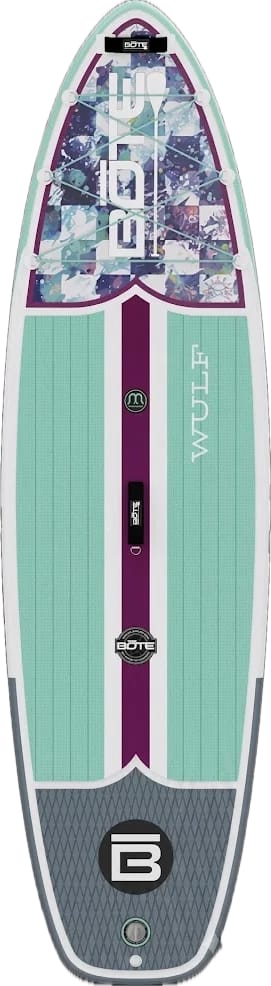 | 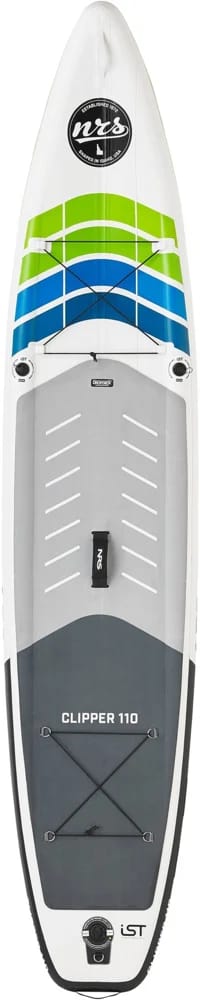 VS | |
| Dimensions | 10'4": 10.33 × 2.83 × 0.5 ft | 110: 11 × 2.25 × 0.42 ft |
| Capacity | 10'4": 250 lb | 235 lb |
| Weight | 10'4": 20 lb | 110: 20.2 lb |
| Thickness | 6 in | 110: 5 in |
| Maximum Pressure | 10–15 psi | 20 psi |
| Warranty | 2 Years | 3 Years Retail, 1 Year Commercial |
| BOTE WULF Aero | NRS Clipper 126 |
|---|---|
| |
| Dimensions | |
10'4": 10.33 × 2.83 × 0.5 ft | 110: 11 × 2.25 × 0.42 ft |
| Capacity | |
10'4": 250 lb | 235 lb |
| Weight | |
10'4": 20 lb | 110: 20.2 lb |
| Thickness | |
6 in | 110: 5 in |
| Maximum Pressure | |
10–15 psi | 20 psi |
| Warranty | |
2 Years | 3 Years Retail, 1 Year Commercial |
Durability
BOTE WULF Aero
NRS Clipper 126
Durability matters because a SUP must withstand repeated launches, impacts with rocks, and the wear of regular use without compromising safety. A board that stays structurally sound saves you money on repairs and extends its service life. The WULF Aero’s reinforced PVC, high‑quality construction, and numerous positive durability mentions give it a clear edge over the Clipper 126, which has fewer durability references despite a rugged PVC outer. For paddlers who expect to hit varied conditions or want a board that ages gracefully, the Aero is the safer bet.
Stability
BOTE WULF Aero
NRS Clipper 126
Stability is essential for confidence on the water, especially for beginners or when paddling in choppy conditions. Both boards score high, with the Aero’s wide 34‑inch shape and the Clipper’s drop‑deck design delivering rock‑solid balance. The Aero edges slightly higher in rating, but the difference is marginal and both provide a steady platform. Buyers can expect comparable stability from either board, making this a tie.
Maneuverability
BOTE WULF Aero
NRS Clipper 126
Maneuverability determines how easily you can turn, navigate tight spots, and respond to changing water conditions. The Aero’s rocker front, fin options, and tracking abilities give it more responsive handling than the Clipper, which has only a single positive tracking note. While neither board is a race‑craft, the Aero’s design lets you execute reverse sweeps and pivot turns with less effort. For paddlers who need agile control, the Aero is the better choice.
Speed
BOTE WULF Aero
NRS Clipper 126
Speed matters for touring paddlers who want to cover distance efficiently. The Clipper 126’s longer, narrower shape cuts through water with less resistance, earning it a higher speed rating and praise for a fast glide. The Aero, built for stability and comfort, is intentionally slower and not suited for racing. If you prioritize cruising speed over comfort, the Clipper 126 takes the lead.
Comfort
BOTE WULF Aero
NRS Clipper 126
Comfort influences how long you can paddle without fatigue, especially on longer outings. The Aero features a padded deck, cushioned grab handles, and a spacious layout that many users find pleasant, reflected in its strong comfort rating. The Clipper offers only minimal comfort details, such as a neoprene‑wrapped center handle. For paddlers who value a soft, ergonomic ride, the Aero is the clear winner.
Portability
BOTE WULF Aero
NRS Clipper 126
Portability is crucial for paddlers who travel, store their board in small spaces, or need to transport it by car or plane. The inflatable Aero weighs just 20–22 lb and folds into a compact backpack bag, earning an almost perfect portability score. The Clipper 126, while still manageable, is bulkier and heavier, making it less convenient for frequent travel. For anyone who wants a board that packs down and goes anywhere, the Aero dominates.
Trust & Transparency
- Data-driven rankings from real user reviews
- Affiliate partnerships don't influence our methodology
We may earn commission from links.
Conclusion & Final Verdict:
Bottom Line
If you travel often, need a board that fits in a backpack, and value comfort and durability, the BOTE WULF Aero is the smarter pick. If your priority is straight‑line speed for long tours and you don’t mind a bulkier, rigid board, the NRS Clipper 126 will serve you better.
Related Comparisons
BOTE WULF AerovsAtoll 11' Cove
The Atoll 11' Cove outshines the BOTE WULF Aero in stability, speed and comfort, while the Aero wins on ultra‑light portability—pick Atoll for performance or Aero for travel ease.
BOTE WULF AerovsBOTE Breeze Aero
The BOTE WULF Aero is a bit faster and more comfortable for travel, while the BOTE Breeze Aero delivers superior stability for beginners and touring; choose WULF for portability and comfort, Breeze for steadiness.
BOTE WULF AerovsBOTE Rackham Aero
The BOTE WULF Aero excels in weight and packability for travel, while the BOTE Rackham Aero offers superior speed and agility for fitness or fishing.
BOTE WULF AerovsHydrus Board Tech JoyRide All-Around
If you need blister‑fast speed and rugged durability, the Hydrus JoyRide All‑Around wins; but for ultimate travel convenience the BOTE WULF Aero’s ultra‑light, packable design is hard to beat.
BOTE WULF AerovsRetrospec Weekender 10'6”
The BOTE WULF Aero excels in durability and ultra‑light, backpack‑ready portability, while the Retrospec Weekender offers superior maneuverability for agile paddling.
BOTE WULF AerovsThurso Surf Waterwalker 126 10'6 All-Around
The BOTE WULF Aero shines for ultra‑light, backpack‑ready travel, while the Thurso Waterwalker 126 delivers stronger durability, stability and comfort. Pick the Aero if you prioritize portability, or the Waterwalker for a sturdier all‑around board.