
Esquif Mallard Canoe vs Esquif Prospecteur 16
Why You Can Trust Us
- Side-by-side analysis based on real user feedback
- Unbiased comparisons, not influenced by partnerships
- Updated as new data becomes available
We may earn from affiliate links at no extra cost to you.
| Esquif Mallard Canoe | Prospecteur 16 | |
|---|---|---|
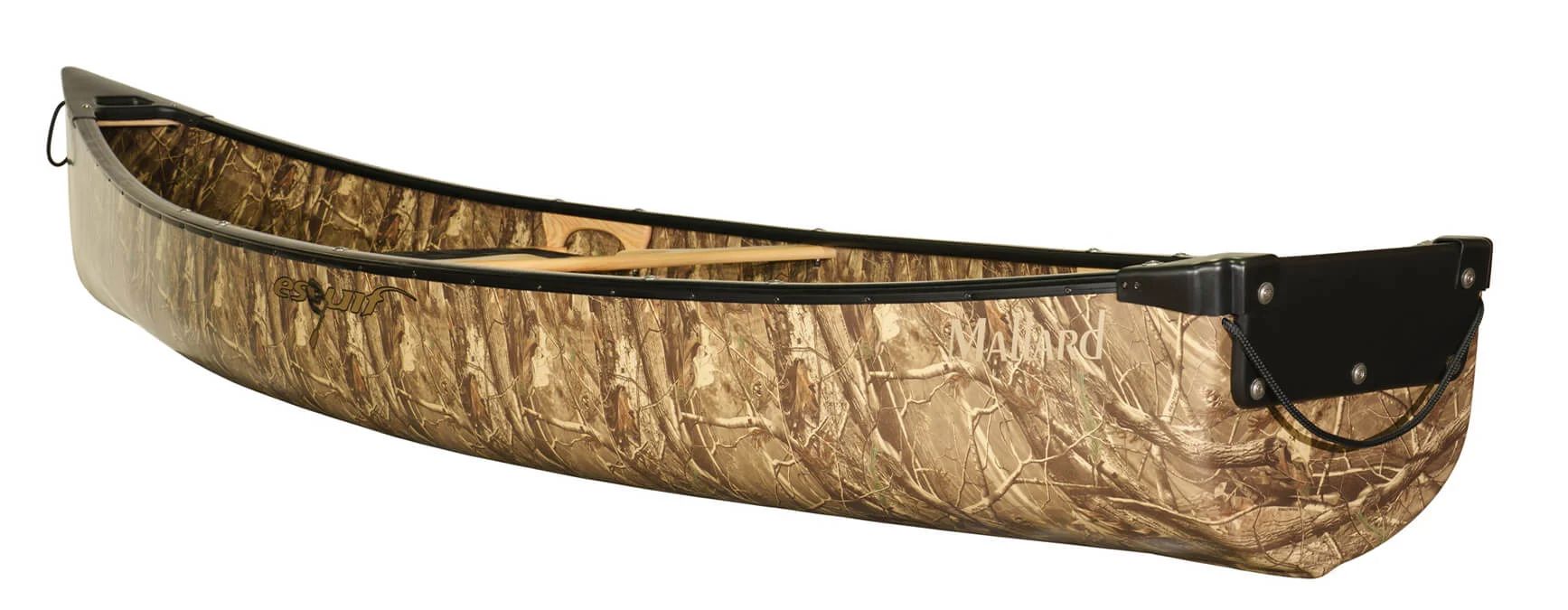 | 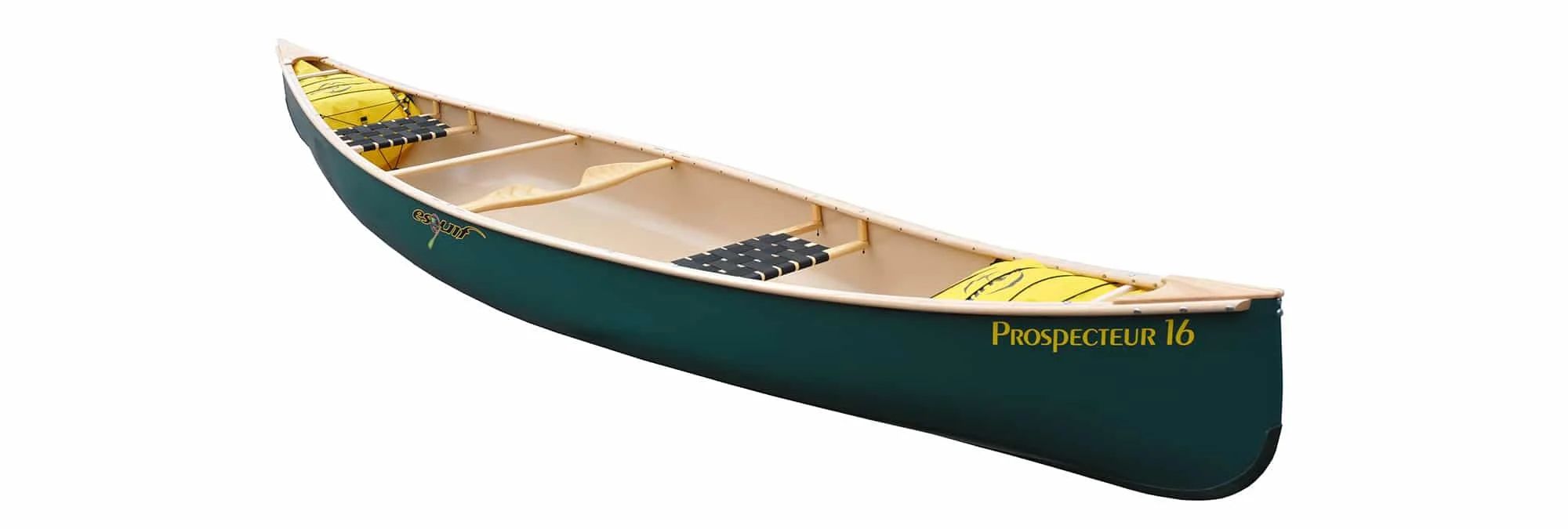 VS | |
| Dimensions | 12 ft 4 in × 3 ft 3.75 in × 1 ft 1 in | 16 × 2.9 ft |
| Weight | 59 lb | 65 lb |
| Capacity | 500 lb | 1000 lb |
| Material | T-Formex | T-Formex |
| Seat Count | N/A | N/A |
| Warranty | 1 Year | 3-year limited warranty |
| Transom | N/A | N/A |
| Rocker | 1.5 | 2.75 |
| Carrying Handles | N/A | N/A |
| Esquif Mallard Canoe | Esquif Prospecteur 16 |
|---|---|
| |
| Dimensions | |
12 ft 4 in × 3 ft 3.75 in × 1 ft 1 in | 16 × 2.9 ft |
| Weight | |
59 lb | 65 lb |
| Capacity | |
500 lb | 1000 lb |
| Material | |
T-Formex | T-Formex |
| Seat Count | |
N/A | N/A |
| Warranty | |
1 Year | 3-year limited warranty |
| Transom | |
N/A | N/A |
| Rocker | |
1.5 | 2.75 |
| Carrying Handles | |
N/A | N/A |
Stability
Esquif Mallard Canoe
Prospecteur 16
Stability is crucial for beginners, families, and anyone paddling on flat water or in light chop, because it reduces the risk of capsizing and makes steering easier. A more stable hull lets you focus on fishing or sightseeing rather than constantly correcting balance. The Mallard scores higher, with buyers repeatedly praising its stiff, triple‑keel design and overall steadiness. The Prospecteur 16, while reasonably rigid, shows mixed feedback in choppy conditions and a higher rocker that can reduce steadiness. For paddlers who value confidence on calm to mildly rough water, the Mallard is the clear winner.
Performance
Esquif Mallard Canoe
Prospecteur 16
Performance covers tracking, speed, and the ability to mount auxiliary motors—important for covering distance quickly or navigating shallow streams. Faster tracking and thrust translate into smoother trips and less effort on longer routes. The Mallard leads with strong mentions of superior tracking, thrust, and motor‑mount options, indicating it handles both paddling and motor‑assist scenarios well. The Prospecteur 16 is praised for maneuverability but falls short on raw speed and thrust. If you prioritize efficient forward motion and motor compatibility, the Mallard again takes the lead.
Comfort
Esquif Mallard Canoe
Prospecteur 16
Comfort determines how enjoyable long days on the water are, especially when you’re seated for hours. Features like padded seats, back support and ergonomic foot steering reduce fatigue. The Mallard receives consistent praise for its comfortable shoulder pads, two‑seat layout and rigid backrest, creating a supportive paddling position. The Prospecteur 16 offers bench seats but reviewers note lower back support and occasional discomfort on extended trips. For paddlers who value a plush, well‑supported ride, the Mallard is superior.
Versatility
Esquif Mallard Canoe
Prospecteur 16
Versatility measures how well a canoe adapts to solo versus tandem paddling, portaging, gear configurations and even motor attachment. A highly versatile canoe can serve as a fishing platform, a family day‑trip boat, or a lightweight carrier for a weekend adventure. The Mallard shines with modular seats, removable standing platforms, easy car‑top loading and a compact footprint that fits in a garage, earning it the top rating. The Prospecteur 16 is versatile too—portable and suitable for white‑water—but it lacks the same breadth of modular features. Overall, the Mallard offers broader utility for most paddlers.
Weight & Capacity
Esquif Mallard Canoe
Prospecteur 16
Weight affects how easy the canoe is to carry and launch, while capacity determines how much gear and how many passengers you can safely load. The Mallard is lighter at 59 lb, making solo portages and single‑person loading effortless, yet its 500 lb capacity limits heavy‑gear trips. The Prospecteur 16 weighs a bit more (65 lb) but doubles the payload to 1,000 lb, appealing to expeditions that require extensive equipment. Although the Mallard edges out in pure weight‑to‑carrying efficiency, the Prospecteur’s massive capacity can be decisive for gear‑heavy outings. For most recreational paddlers, the Mallard’s lighter feel wins the category, but heavy‑load users may favor the Prospecteur.
Durability
Esquif Mallard Canoe
Prospecteur 16
Durability reflects how well a canoe stands up to rocks, impacts and long‑term wear—essential for anyone who frequently launches from rough shorelines. The Mallard’s T‑Formex hull, reinforced d‑rings and sealed battery box earn it a high durability rating, with users noting it “doesn’t get caught” and resists abuse. The Prospecteur 16’s polyethylene construction is sturdy but receives some criticism for being less robust in high‑impact situations. When longevity and resistance to damage are top priorities, the Mallard is the more reliable choice.
Trust & Transparency
- Data-driven rankings from real user reviews
- Affiliate partnerships don't influence our methodology
We may earn commission from links.
Conclusion & Final Verdict:
Bottom Line
- Choose the Esquif Mallard if you want a lighter, more stable, and highly versatile canoe that excels in comfort, durability and everyday performance.
- Choose the Esquif Prospecteur 16 if you need a larger payload, a longer hull for speed, and are willing to trade a few pounds of weight and a bit of stability for that extra capacity.
Both boats share the same tough T‑Formex construction, so your decision should hinge on whether stability and portability or sheer load‑carrying power matters most for your paddling adventures.
Related Comparisons
Esquif Mallard CanoevsNorthstar B 16
The Esquif Mallard excels in stability, comfort and versatile solo‑or‑tandem use, while the Northstar B 16 shines with higher performance, lighter weight and greater load capacity. Pick the Mallard for family or fishing outings; pick the B 16 if speed and payload matter most.
Esquif Mallard CanoevsPelican Explorer 14.6 DLX canoe
The Esquif Mallard is lighter and more versatile, while the Pelican Explorer 14.6 DLX can haul more weight and comes with built‑in seats and a longer warranty.
Northstar B 16vsEsquif Prospecteur 16
The Northstar B 16 is a lighter, more stable tandem canoe that excels in performance, while the Esquif Prospecteur 16 trades a bit of stability for far greater load capacity and all‑around versatility—pick the B 16 for speed and handling, the Prospecteur for heavy‑gear trips.
Old Town Discovery 119vsEsquif Mallard Canoe
The Old Town Discovery 119 is lighter and easier to transport, while the Esquif Mallard offers superior stability and durability. Choose the Discovery for solo, portable paddling; pick the Mallard for a steadier, tougher ride.
Old Town Discovery 119vsEsquif Prospecteur 16
The Old Town Discovery 119 is a lightweight solo canoe with superior handling and versatility, while the Esquif Prospecteur 16 offers greater stability and double the load capacity for tandem or gear‑heavy trips.
Sun Dolphin Scout SS Square Stern CanoevsEsquif Prospecteur 16
The Sun Dolphin Scout SS offers rock‑solid stability, a comfortable three‑seat layout and a square stern for a motor but is heavier, while the Esquif Prospecteur 16 is lighter, carries more gear and is built tougher for adventure.