
Fischer Ranger 96 vs Rossignol Sender 100
Why You Can Trust Us
- Side-by-side analysis based on real user feedback
- Unbiased comparisons, not influenced by partnerships
- Updated as new data becomes available
We may earn from affiliate links at no extra cost to you.
| Ranger 96 | Sender 100 | |
|---|---|---|
 | 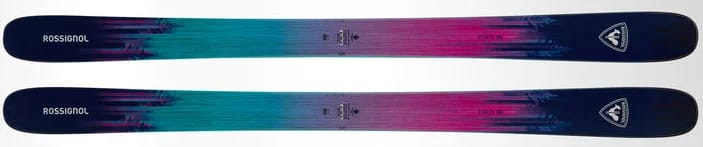 VS | |
| Waist Width | 96 mm | 100 mm (99-101 mm across lengths) |
| Turn Radius | 17 m at 173 cm | 18 m at 178 cm |
| Rocker Profile | Freeski Rocker (tip and tail rocker) | Twin Rocker (tip and tail rocker, camber underfoot) |
| Metal Layers | 1 (Shaped Ti 0.5 mm titanal inlay) | No metal |
| Length Range | 159-187 cm | 162-190 cm |
| Weight | 4.1 lb per ski at 173 cm | 4.2 lb per ski at 178 cm |
| Warranty | N/A | N/A |
| Sidecut Dimensions | 128-96-119 mm | 131-100-123 mm |
| Core Material | Beech-poplar wood core | PEFC Poplar wood |
| Sidewall | Sandwich sidewall (ABS) | Rectangular full sidewall |
| Fischer Ranger 96 | Rossignol Sender 100 |
|---|---|
| |
| Waist Width | |
96 mm | 100 mm (99-101 mm across lengths) |
| Turn Radius | |
17 m at 173 cm | 18 m at 178 cm |
| Rocker Profile | |
Freeski Rocker (tip and tail rocker) | Twin Rocker (tip and tail rocker, camber underfoot) |
| Metal Layers | |
1 (Shaped Ti 0.5 mm titanal inlay) | No metal |
| Length Range | |
159-187 cm | 162-190 cm |
| Weight | |
4.1 lb per ski at 173 cm | 4.2 lb per ski at 178 cm |
| Warranty | |
N/A | N/A |
| Sidecut Dimensions | |
128-96-119 mm | 131-100-123 mm |
| Core Material | |
Beech-poplar wood core | PEFC Poplar wood |
| Sidewall | |
Sandwich sidewall (ABS) | Rectangular full sidewall |
Stability
Ranger 96
Sender 100
Stability matters for mid-90s all-mountain skis because they are often asked to stay composed at speed, in chopped snow, and across uneven ground. The Ranger 96 earns praise for a smooth, quiet, vibration-damped ride that handles chunder well, and some buyers say its heft helps when skiing faster. Some testers wanted more energy, though, and a few felt the shovel could give way when leaning forward or said it is not as strong as some other mid-90s skis. The Sender 100 is rated more highly, with buyers describing it as stable in crud, very smooth at speed, and stiff underfoot without buckling even when skied hard. Its wood core and honeycomb air tip reduce chatter, although a few reviewers note the tips may deflect at very high speeds and that the ski can get bounced around in rough conditions. In practice, the Sender 100 inspires more confidence for aggressive speed, while the Ranger 96 is the calmer, more comfortable option for skiers who value damping above all.
Edge Grip
Ranger 96
Sender 100
Edge grip matters because groomers, firm snow, and ice are where many skiers spend much of their time, and weak hold is most noticeable there. The Ranger 96 holds an edge well thanks to its metal layer, thick wood core, and stiffer flex, and buyers say it carves groomers really well and gives the tip and tail something to push against. However, several note that it is not the strongest carving ski and that its hold can fade on firmer-than-slightly-soft snow. The Sender 100 earns stronger praise, with reviewers describing locked-in, rock-solid grip on ice and an edge hold close to a dedicated carving ski. Buyers also say it stays quiet and clean on edge without releasing or chattering, and that its powerful grip invites high-speed carves. For a skier who spends long days on hard snow, the Sender 100 is the clear choice, while the Ranger 96 remains a capable groomer ski mainly for softer conditions.
Maneuverability
Ranger 96
Sender 100
Maneuverability matters because it determines how easily a ski turns in tight spots, bumps, trees, and short-radius turns. The Ranger 96 is praised for quick turn initiation, light weight, and a rounder tail that releases easily, and its rocker means it does not fight the skier in turns. Buyers also say it does not hook in easily or quickly, which keeps the ride playful. The Sender 100 is the standout here, with a large number of reviewers describing it as easy to turn, nimble in bumps, and maneuverable in trees. Its light, swivelly tips and tails release and smear out of turns easily, and its shorter turn radius and lighter build help it snap through moguls and tight terrain. It also switches easily in either direction. A few reviewers mention trouble with shorter swing turns and say it can feel a bit wiggly or smeary, but for skiers who spend time in bumps and glades, the Sender 100 is the more agile partner.
Forgiveness
Ranger 96
Sender 100
Forgiveness matters for skiers who are progressing or who get caught out by sudden snow changes and imperfect turns. The Ranger 96 is described as not overly demanding, with a supportive flex that is not overly stiff, and buyers say intermediate skiers can have a good time on it because it removes one variable from learning. The Sender 100 receives consistently positive comments on stability through landing errors and on the forgiveness provided by its tapered tip and tail, with buyers saying it is easy to get out of trouble and not cumbersome with the tail behind them. The evidence for the Sender 100 is less extensive than for other categories, but it points in one direction. Both skis are approachable, yet the Sender 100 offers the larger safety margin when a turn goes wrong.
Powder Performance
Ranger 96
Sender 100
Powder performance matters for buyers who want a ski that handles soft snow beyond groomers but do not need a dedicated deep-snow board. The Ranger 96 is praised for a supple and predictable feel in crud, chop, and trees, and reviewers say it suits soft off-trail snow well. Buyers do note that it is narrower than they would want for a true powder ski. The Sender 100 has a wider 100 mm waist and reviewers say it floats through a few inches of fresh powder, but the feedback on it in soft snow is more limited and the ski reads more like a resort performer. Because the Ranger 96 has the stronger and more consistent soft-snow feedback, it has the edge here. Choose the Ranger 96 if soft snow matters more to you than carving, though neither ski should be considered a dedicated powder option.
Versatility
Ranger 96
Sender 100
Versatility matters because most buyers want one pair of skis that can handle the whole mountain. The Ranger 96 earns strong praise as a true daily driver that works across groomers, chop, crud, and soft snow, and buyers describe it as well-rounded across skier types and styles. Some note it does not excel in one particular area and is not designed for park, switch, or brand-new skiers. The Sender 100 is rated higher, with buyers describing it as one pair of skis for everywhere, capable across freeride and freestyle, fun in the park with tail press and butter, and switch-friendly thanks to its balanced, symmetrical feel. Reviewers also say it performs well outside the park, although a few note that its mount point trades some directional performance for park feel. For a mostly all-mountain skier who wants calm, damp performance, the Ranger 96 is a solid choice, while the Sender 100 is the better option for skiers who want a broader toolkit that includes park and switch riding.
Trust & Transparency
- Data-driven rankings from real user reviews
- Affiliate partnerships don't influence our methodology
We may earn commission from links.
Conclusion & Final Verdict:
Choose the Sender 100 if you want a livelier, more agile all-mountain ski with stronger carving grip, better performance in bumps and trees, and a broader park and switch toolkit. Choose the Ranger 96 if you prefer a calmer, damper daily driver that handles chop and soft snow smoothly and is a bit more forgiving for intermediate skiers who are still building confidence. Overall, the Sender 100 is the stronger all-around performer, while the Ranger 96 is the better fit for skiers who value a smooth, quiet ride above all else.
Related Comparisons
Fischer Ranger 96vsK2 Mindbender 96
The Fischer Ranger 96 is the more versatile, quicker-turning daily driver for skiers who want one ski for groomers, chop, and soft snow. The K2 Mindbender 96 is the steadier, more planted choice for faster skiers who want stability at speed and a snappy turn feel.
Fischer Ranger 96vsLINE Pandora 99
The Fischer Ranger 96 is the smoother, more composed daily driver for mixed groomers and chop, while the LINE Pandora 99 is livelier, more agile, and better suited to soft snow, trees, and park-influenced riding. Choose the Ranger for calm all-mountain stability and the Pandora for playful, float-friendly skiing.
Fischer Ranger 96vsNordica Santa Ana 92
The Fischer Ranger 96 is the more versatile, smoother daily driver for intermediate to advanced all-mountain skiers who want a playful, forgiving ski. The Nordica Santa Ana 92 is the stronger performer for advanced and expert skiers who want more stability, edge grip, and tip float.
Fischer Ranger 96vsSalomon QST 100
The Fischer Ranger 96 is the smoother, more forgiving daily driver for skiers who want one ski for groomers, chop, and soft snow. The Salomon QST 100 is the stronger all-rounder for buyers who want better carving, float, and agility in tight terrain.
Fischer Ranger 96vsStöckli Stormrider 88
The Fischer Ranger 96 is the more versatile daily driver for chop, crud, and soft off-piste snow, while the Stöckli Stormrider 88 is the stronger choice for firm groomers and ice. Pick the Ranger for a playful all-mountain ski that handles mixed conditions, and the Stormrider if carving and edge grip matter most.
Fischer Ranger 96vsVölkl M7 Mantra
The Fischer Ranger 96 is the easier, more versatile daily driver that stays smooth and playful across mixed snow, while the Völkl M7 Mantra is a stiffer, faster-carving charger with superior edge grip and stability at speed. Choose the Ranger 96 if you want forgiveness and soft-snow ease, and the Mantra if you ski hard and demand groomer performance.