
Gregory Inertia 18 H2O vs Gregory Swift 16 H2O
Why You Can Trust Us
- Side-by-side analysis based on real user feedback
- Unbiased comparisons, not influenced by partnerships
- Updated as new data becomes available
We may earn from affiliate links at no extra cost to you.
| Gregory Inertia 18 H2O | Gregory Swift 16 H2O | |
|---|---|---|
 |  VS | |
| Capacity | 1,098 cu in | 976.38 cu in |
| Weight | 1.22 lb | 1.32 lb |
| Hip Belt | Hipbelt included | Removable webbing hipbelt |
| Hydration Sleeve | Hydration sleeve | Dedicated hydration compartment |
| Bladder Capacity | 67.5 fl oz | 67.5 fl oz |
| Warranty | Lifetime | Limited lifetime |
| Compression Strap | N/A | N/A |
| Mesh Back Panel | 3D foam backpanel | Breathable 3D foam backpanel |
| Sternum Strap | Yes, with magnetic buckle | Magnetic sternum buckle |
| Rain Cover | No | N/A |
| Frame Sheet | Frameless | N/A |
| Side Pockets | 3 exterior pockets + main compartment | N/A |
| Trekking Pole Attachment | N/A | N/A |
| Gregory Inertia 18 H2O | Gregory Swift 16 H2O |
|---|---|
| |
| Capacity | |
1,098 cu in | 976.38 cu in |
| Weight | |
1.22 lb | 1.32 lb |
| Hip Belt | |
Hipbelt included | Removable webbing hipbelt |
| Hydration Sleeve | |
Hydration sleeve | Dedicated hydration compartment |
| Bladder Capacity | |
67.5 fl oz | 67.5 fl oz |
| Warranty | |
Lifetime | Limited lifetime |
| Compression Strap | |
N/A | N/A |
| Mesh Back Panel | |
3D foam backpanel | Breathable 3D foam backpanel |
| Sternum Strap | |
Yes, with magnetic buckle | Magnetic sternum buckle |
| Rain Cover | |
No | N/A |
| Frame Sheet | |
Frameless | N/A |
| Side Pockets | |
3 exterior pockets + main compartment | N/A |
| Trekking Pole Attachment | |
N/A | N/A |
Comfort
Gregory Inertia 18 H2O
Gregory Swift 16 H2O
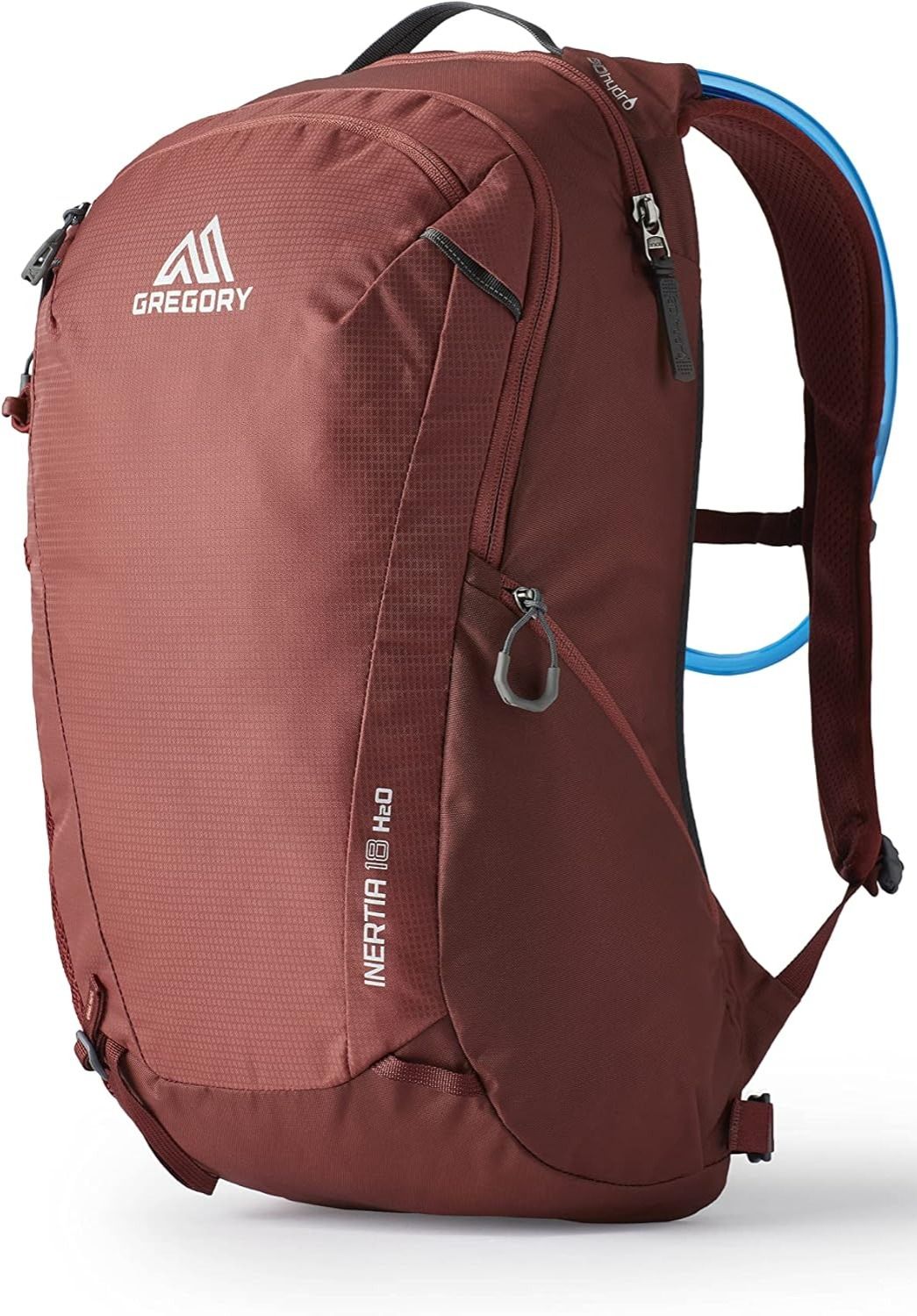
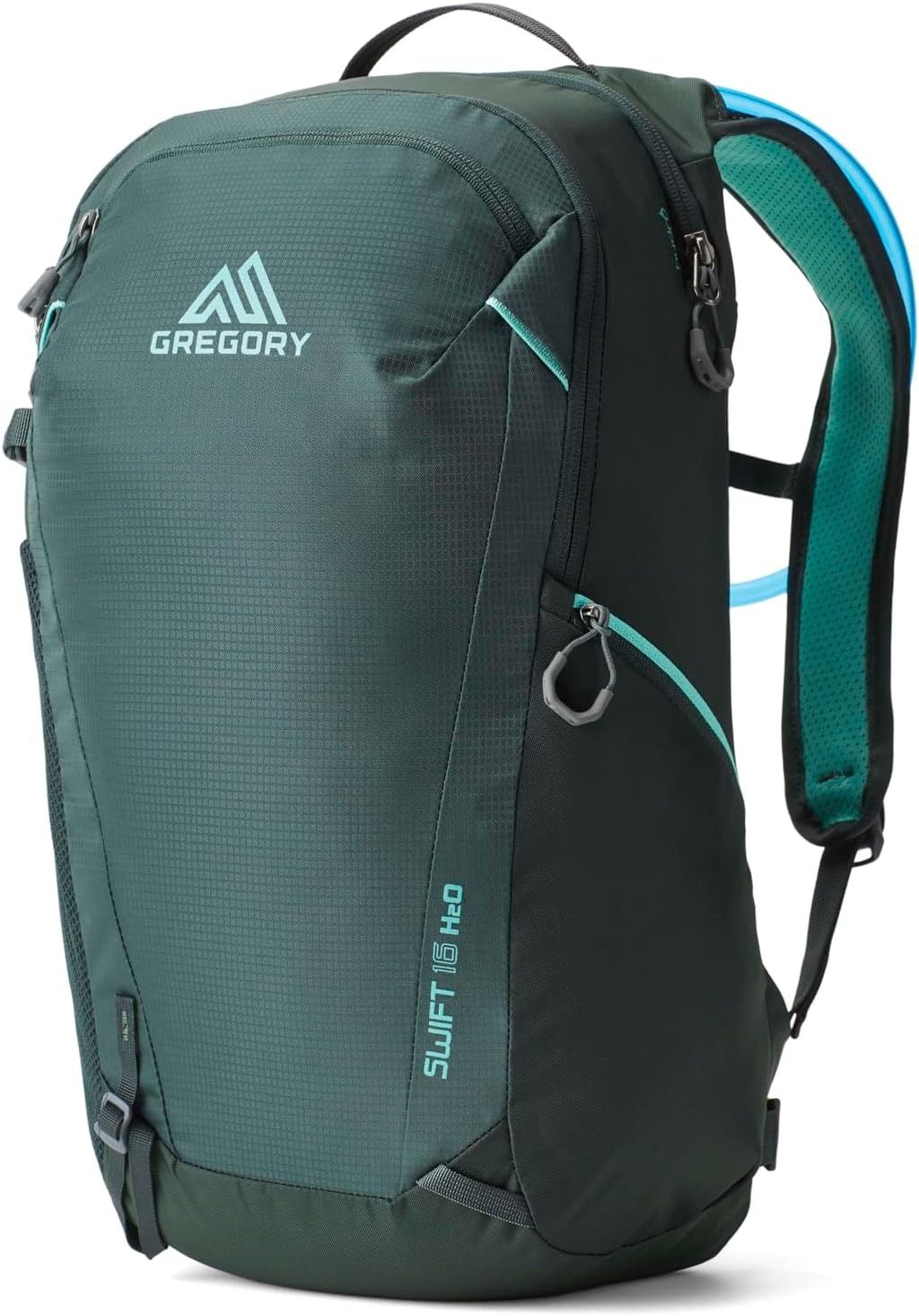
Comfort is the cornerstone of any successful day hike, determining whether a pack feels like a burden or a seamless extension of your body. For buyers, a high comfort rating means the suspension system effectively distributes weight, allowing for longer distances without shoulder or back fatigue. The Gregory Inertia 18 H2O excels here with a perforated shoulder harness, multi-density foam, and a 3D foam back panel that users report feels great even when fully loaded. In contrast, while the Gregory Swift 16 H2O offers a comfortable fit for most, particularly those with longer torsos, it lacks the same level of detailed feedback regarding load-bearing performance. The Inertia's pliable hip straps and adjustable magnetic sternum buckle provide a more customized and secure feel, making it the clear winner for extended wear.
Durability
Gregory Inertia 18 H2O
Gregory Swift 16 H2O
Durability dictates how well a pack withstands the abrasion of rocks, branches, and repeated packing over years of use. Buyers need to know if the materials will hold up to rough terrain or if the pack is best reserved for gentle paths. The Inertia 18 H2O is constructed with ripstop nylon and durable padding, with specific mentions of a denier rating that suggests it can handle regular trail use. Conversely, the Swift 16 H2O lacks sufficient buyer feedback to confirm its long-term resilience, resulting in a neutral rating that leaves potential durability concerns unaddressed. Given the explicit construction details and positive durability mentions for the Inertia, it is the safer investment for hikers who plan to tackle varied and rugged environments.
Ventilation
Gregory Inertia 18 H2O
Gregory Swift 16 H2O
Effective ventilation is critical for preventing sweat buildup and maintaining body temperature during intense physical activity. A pack with superior airflow keeps the back cool and dry, which is essential for comfort on hot days or steep climbs. The Inertia 18 H2O features a 3D foam back panel and perforated shoulder harness that users praise for providing excellent airflow and keeping them cool even during intense hikes. The Swift 16 H2O also utilizes a 3D foam back panel with multi-density foam to reduce heat, but the feedback is limited to just a few mentions, suggesting it is merely decent rather than exceptional. For hikers who prioritize staying dry and cool, the Inertia's proven ventilation system offers a distinct advantage.
Accessibility
Gregory Inertia 18 H2O
Gregory Swift 16 H2O
Accessibility refers to how quickly and easily a hiker can reach hydration, snacks, and gear without stopping or removing the pack. This feature is vital for maintaining momentum on the trail and ensuring safety when quick access to water is needed. The Inertia 18 H2O shines with a speed clip hydration hanger, one-handed snap-and-go connections, and deep stretch pockets that allow for effortless access to essentials. While the Swift 16 H2O includes a dedicated hydration sleeve and inline quick disconnect, the overall feedback on accessibility is less robust compared to the Inertia. The Inertia's combination of large zipper handles, easy-fill handles, and multiple quick-access pockets makes it the superior choice for hikers who value efficiency on the move.
Stability
Gregory Inertia 18 H2O
Gregory Swift 16 H2O
Stability ensures the pack stays close to the body and does not sway or bounce during technical maneuvers or on uneven ground. A stable pack improves balance and reduces the risk of injury, especially when carrying heavier loads or navigating steep descents. The Inertia 18 H2O features a removable webbing hip belt and adjustable magnetic straps that help cinch the load down, though some users note it can feel less stable with very heavy weights. The Swift 16 H2O lacks specific user feedback regarding stability, leaving buyers without clear evidence of how it performs on rough terrain. While neither pack is perfect for extreme technical hiking, the Inertia's documented features for load cinching provide a more reliable foundation for stability than the unverified performance of the Swift.
Organization
Gregory Inertia 18 H2O
Gregory Swift 16 H2O
Organization determines how well a pack keeps gear sorted, accessible, and secure, preventing the frustration of digging through a single large compartment. Good organization allows hikers to carry a variety of items, from tools to rain gear, in dedicated spaces. The Inertia 18 H2O offers an impressive array of storage options, including a dedicated zippered hydration sleeve, multiple stretch mesh pockets, side pockets, and a large posterior mesh pocket. In contrast, the Swift 16 H2O has no specific user feedback regarding its organizational features, making it difficult to assess its utility for complex gear loads. For hikers who need to carry more than just water and a snack, the Inertia's extensive and well-documented pocket system is the definitive choice.
Trust & Transparency
- Data-driven rankings from real user reviews
- Affiliate partnerships don't influence our methodology
We may earn commission from links.
Conclusion & Final Verdict:
The Gregory Inertia 18 H2O is the clear winner for hikers seeking a high-performance day pack. It dominates in every evaluated category, offering superior comfort, ventilation, and organization backed by robust user feedback. Its lighter weight, larger capacity, and lifetime guarantee further solidify its value. The Gregory Swift 16 H2O is a viable option only for those on a strict budget who prioritize a roomy main compartment for extra water bottles and do not require advanced organizational features or proven durability on rough terrain. For most serious hikers, the Inertia's comprehensive feature set and proven track record make it the recommended choice.
Related Comparisons
CamelBak Arete 18 Pack 1.5LvsGregory Swift 16 H2O
The CamelBak Arete 18 Pack 1.5L excels in organization and durability with a sleek design, while the Gregory Swift 16 H2O offers superior comfort and ventilation for longer torsos, though it lacks the same build robustness.
Gregory Citro 24 H2OvsGregory Swift 16 H2O
Compare the Gregory Citro 24 H2O and Swift 16 H2O to find the perfect hydration pack for your hiking style, balancing capacity, ventilation, and stability.
Gregory Inertia 18 H2OvsArc'teryx Aerios 18 Backpack
Both the Gregory Inertia 18 H2O and Arc'teryx Aerios 18 deliver top-tier comfort for day hikes, but they diverge on stability and durability. Choose Gregory for superior hydration access and a more secure fit on uneven ground, or Arc'teryx for a lighter, more breathable experience with rugged fabric.
Gregory Inertia 18 H2OvsCamelBak Arete 18 Pack 1.5L
The Gregory Inertia 18 H2O excels in comfort and ventilation for long trails, while the CamelBak Arete 18 Pack 1.5L offers a sleek, stylish design with solid organization for day hikes and festivals.
Gregory Inertia 18 H2OvsCamelBak Cloud Walker 18 Hydration Pack 85 oz
Both the Gregory Inertia 18 H2O and CamelBak Cloud Walker 18 deliver top-tier comfort and ventilation for day hikes, but the CamelBak edges out the Gregory in stability for rougher terrain.
Gregory Inertia 18 H2OvsGregory Citro 24 H2O
The Gregory Inertia 18 H2O excels in comfort and organization for day hikes, while the Gregory Citro 24 H2O offers superior stability and extra capacity for longer treks.