
K2 Cortex 130 Zonal BOA vs Tecnica Cochise 130
Why You Can Trust Us
- Side-by-side analysis based on real user feedback
- Unbiased comparisons, not influenced by partnerships
- Updated as new data becomes available
We may earn from affiliate links at no extra cost to you.
| Cortex 130 Zonal BOA | Cochise 130 | |
|---|---|---|
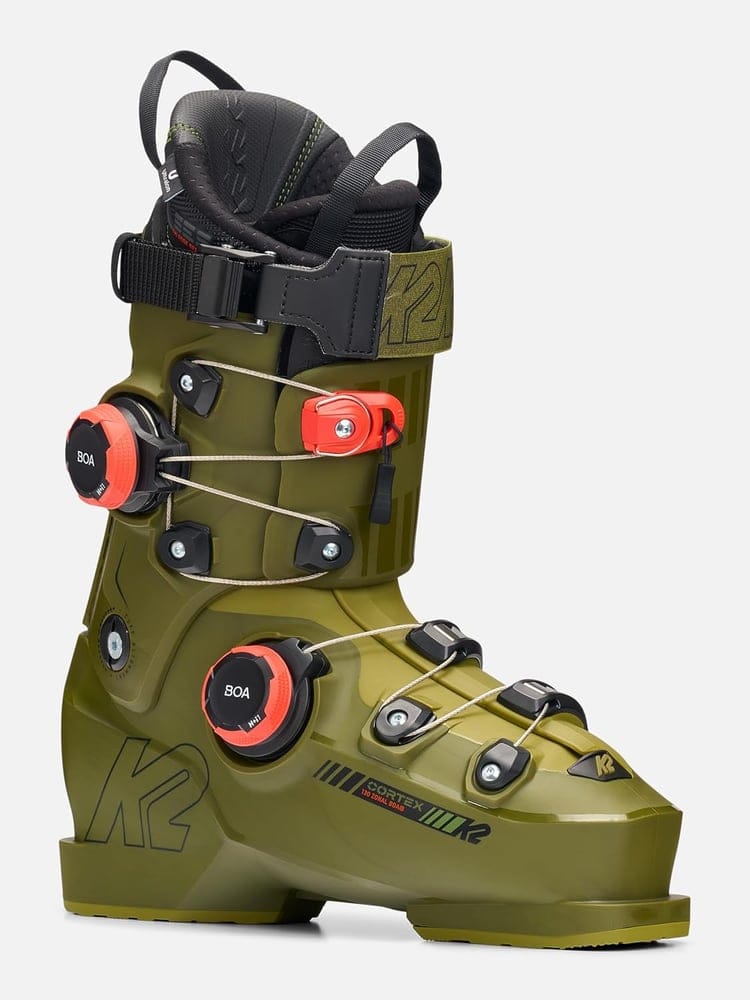 | 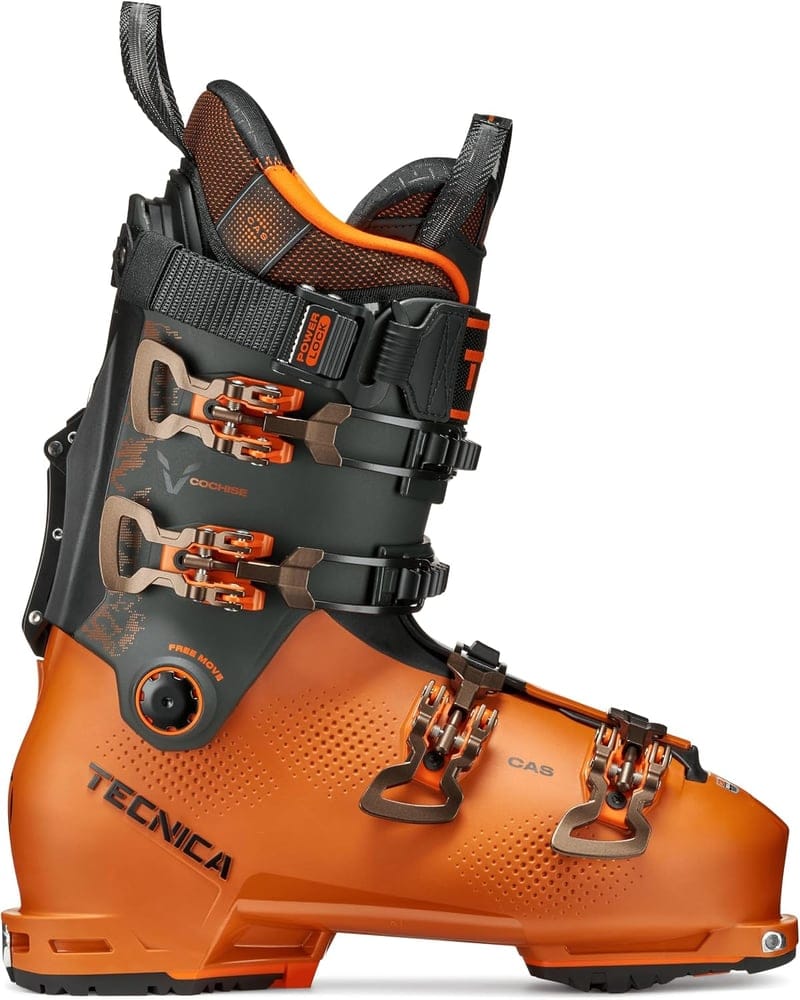 VS | |
| Flex Rating | 130 | 130 |
| Last Width | 98 mm (MultiFit 96–98 mm) | 99 mm |
| Closure System | Zonal dual BOA (2 dials) + 45 mm cam strap | 4 micro-adjustable aluminum buckles + 45 mm Power Lock strap |
| Walk Mode | No | Yes – T-Ride walk mechanism, 55° range of motion |
| Sole Norm | ISO 5355 alpine + GripWalk (ISO 23223) soles | GripWalk (ISO 23223) with DYN tech inserts |
| Weight | Not specified | 4.16 lb (single boot, MP 26.5) |
| Warranty | Not confirmed (retailer listings differ: 1 or 2 years) | Limited manufacturer warranty (term not published) |
| Liner Type | EliteFit Pro heat-moldable lace-up liner | Ecodesign High Performance Full C.A.S., lace-ready |
| Shell Material | TPU shell / TPU cuff | PU shell / carbon-PP bi-injected cuff |
| Forward Lean | Not specified | 12.5° (+2° or +3.5° with spoiler) |
| Ramp Angle | Not specified | Not specified |
| Size Range | 24.5–28.5 (Mondopoint) | 24.5–30.5 (Mondopoint) |
| K2 Cortex 130 Zonal BOA | Tecnica Cochise 130 |
|---|---|
| |
| Flex Rating | |
130 | 130 |
| Last Width | |
98 mm (MultiFit 96–98 mm) | 99 mm |
| Closure System | |
Zonal dual BOA (2 dials) + 45 mm cam strap | 4 micro-adjustable aluminum buckles + 45 mm Power Lock strap |
| Walk Mode | |
No | Yes – T-Ride walk mechanism, 55° range of motion |
| Sole Norm | |
ISO 5355 alpine + GripWalk (ISO 23223) soles | GripWalk (ISO 23223) with DYN tech inserts |
| Weight | |
Not specified | 4.16 lb (single boot, MP 26.5) |
| Warranty | |
Not confirmed (retailer listings differ: 1 or 2 years) | Limited manufacturer warranty (term not published) |
| Liner Type | |
EliteFit Pro heat-moldable lace-up liner | Ecodesign High Performance Full C.A.S., lace-ready |
| Shell Material | |
TPU shell / TPU cuff | PU shell / carbon-PP bi-injected cuff |
| Forward Lean | |
Not specified | 12.5° (+2° or +3.5° with spoiler) |
| Ramp Angle | |
Not specified | Not specified |
| Size Range | |
24.5–28.5 (Mondopoint) | 24.5–30.5 (Mondopoint) |
Comfort
Cortex 130 Zonal BOA
Cochise 130
Comfort matters in a 130 flex boot because a stiff shell only pays off if you can stay in it through a full day of runs without pressure points or circulation problems. The Cortex draws mixed comfort feedback: some buyers praise the softer TPU instep and find it natural once they are in the boot, and the BOA system makes it easy to loosen pressure in the lift line, but others report first-day cramping, instep sensitivity, and circulation loss when the low-volume shell is cinched too tight. The Cochise earns more consistently positive comfort comments, with buyers describing a quick instep that eases on and off, few lingering pressure points after moldings, and Booster Straps that reduce shin discomfort. Buyers also say it feels more natural when touring and more comfortable than snowboard boots. For most skiers who prioritize an easy day in the boot, the Cochise is the stronger choice, while Cortex buyers should plan on a molding session or liner work to get the fit right.
Fit
Cortex 130 Zonal BOA
Cochise 130
Fit is the make-or-break factor for a boot like this, since a shell that does not match the foot will undermine every other strength. The Cortex is built on a narrow, low-volume last, and buyers describe a snug, consistent wrap with the top BOA and a bottom BOA that dials in the midfoot and heel area well. The softer instep and heat molding of the liner are widely praised, and grinding the plastic from midfoot to toe often helps, but several buyers still want more toe room and find the throat becomes loose if too much is removed. The Cochise is described as fitting more like a second skin, with a custom adaptive liner, movable tongue, and a 99 mm last that falls into a low-to-mid volume range. Buyers note the shell bulges only where needed, and the HV version is available for wider feet, though some find the cuff sits a little low. Overall, the Cochise offers a more forgiving fit for a broader range of feet, while the Cortex rewards narrow feet with a precise, locked-in hold.
Performance
Cortex 130 Zonal BOA
Cochise 130
Performance is the reason most skiers look at a 130 flex boot, because it determines how the boot handles speed, carving, and aggressive terrain. The Cortex earns strong praise for its progressive upper BOA, which contracts the shaft for a smooth, direct connection, and buyers link its forward lean and ramp setup to a high-level, expert-grade ski feel. Some reviewers call it a performance machine, although a few note that it is less quick in short-swing situations. The Cochise is also rated highly, with buyers describing alpine-like downhill performance, a stiff and powerful feel, and a boot that feels like a reliable everyday resort tool. It is also praised for uphill efficiency, thanks to its lightweight polyurethane construction and T-Ride walk and lock mechanism, which secures and releases easily. Skiers who want one boot for demanding downhill skiing will find both capable, but the Cochise gives more confidence across a wider range of conditions and uses.
Heel Hold
Cortex 130 Zonal BOA
Cochise 130
Heel hold determines whether your foot stays locked in the heel pocket during aggressive turns and forward flex, and it is an important consideration for any performance boot. The Cortex has a built-in rear spoiler and heel lift that buyers say help move the heel forward, which supports better leverage on the skis. The Cochise is credited with more heel hold when its added volume and oven-baked liner pull the heel back into the pocket. Feedback for both boots is encouraging but still limited, so neither is clearly ahead here. Buyers with a narrow heel will likely find the Cortex's design helpful, while those who need more volume may prefer the Cochise. The two boots are effectively even, and the choice should come down to the rest of your fit.
Power Response
Cortex 130 Zonal BOA
Cochise 130
Power response describes how quickly and directly energy from your legs reaches the edges of the skis, which matters most for skiers who push hard through turns. The Cortex is praised for transmitting movement directly through its thick reactive plastic and robust lug, with buyers reporting precise power transfer to the inside edges. Some reviewers note the front power plate made no noticeable difference, so the lug and shell do most of the work. The Cochise is described as incredibly stiff on the descent, and its power lock strap cinches up to add forward flex support, although its feedback is based on fewer comments and it is rated slightly lower. For skiers who value immediate, direct energy transfer, the Cortex has a modest advantage, while the Cochise is a strong option for those who want a firm, supported forward flex on long descents.
Lateral Stiffness
Cortex 130 Zonal BOA
Cochise 130
Lateral stiffness affects how well a boot holds an edge and how precisely the skis respond when you initiate side cut. The Cortex is linked to a thick polyurethane shell and solid plastic plate, with buyers saying the skis hook up and feel less sloppy. The Cochise uses a carbon inlay to form a rigid spine, and buyers report stiffer lateral movement for precise side cut. Both boots are rated the same and both have limited feedback, so neither can be declared the clear winner. Buyers who want a boot that feels rigid through the edge will be satisfied with either, and the decision should be driven by fit and walk requirements rather than lateral stiffness alone.
Trust & Transparency
- Data-driven rankings from real user reviews
- Affiliate partnerships don't influence our methodology
We may earn commission from links.
Conclusion & Final Verdict:
Choose the K2 Cortex 130 Zonal BOA if you have a narrow, low-volume foot, want a tight, direct connection to the skis, and plan to mold the liner to dial in the fit. It rewards expert skiers who prioritize power transfer on groomed and firm terrain.
Choose the Tecnica Cochise 130 if you want one boot for both resort skiing and uphill touring, need a wider or more forgiving fit, or value comfort out of the box. Its walk mode, roomier last, and consistently strong fit and performance feedback make it the more versatile and broadly recommended option.
Related Comparisons
Atomic Hawx Prime 100 BOAvsTecnica Cochise 130
The Atomic Hawx Prime 100 BOA suits skiers who want a secure, comfortable all-mountain boot with a softer, more forgiving feel and a better fit for larger calves. The Tecnica Cochise 130 is the better choice for resort-first skiers who also want to tour, offering a stiffer, more powerful downhill feel and an efficient walk mode.
Head Kaliber Pro 130 LV GW BOA2vsTecnica Cochise 130
The Kaliber Pro 130 LV GW BOA2 suits advanced skiers who want precise, direct power and a snug low-volume fit, while the Cochise 130 suits skiers who want a resort-stiff boot that also walks and tours. Choose Head for on-piste precision and Tecnica for uphill versatility.
K2 Cortex 130 Zonal BOAvsArmada AR One 130 MV
The K2 Cortex 130 Zonal BOA suits skiers who want a tight, direct, high-performance connection to their skis and can work with a narrow, low-volume fit. The Armada AR One 130 MV is the better pick for buyers who want a locked-in heel, a cushy out-of-box feel, and touring versatility.
K2 Cortex 130 Zonal BOAvsNordica Pro Machine 3 130 S
The K2 Cortex 130 Zonal BOA suits skiers who want a snug, low-volume fit with a tunable dual BOA system and a direct edge feel. The Nordica Pro Machine 3 130 S is the stronger all-round choice for buyers who want more out-of-the-box comfort, firmer heel hold, and livelier power rebound.
K2 Cortex 130 Zonal BOAvsNordica Speedmachine 3 130 BOA DD
The Cortex 130 Zonal BOA suits skiers who want a tight, direct connection and a narrow, low-volume fit, while the Speedmachine 3 130 BOA DD is the better pick for comfort around the shin and easier, more forgiving fit for most buyers. Choose the Cortex for performance-focused skiing on a narrow foot and the Speedmachine for a more relaxed wrap.
K2 Cortex 130 Zonal BOAvsSalomon S/Pro Alpha C BOA 130
The Salomon S/Pro Alpha C BOA 130 is the stronger all-round choice for carving, heel lock, and energy transfer, with a more comfortable liner. The K2 Cortex 130 Zonal BOA suits narrow-footed skiers who want a direct, progressive feel and can handle a low-volume fit.