
MSR Evo Trail vs L.L.Bean Women's Winter Walker
Why You Can Trust Us
- Side-by-side analysis based on real user feedback
- Unbiased comparisons, not influenced by partnerships
- Updated as new data becomes available
We may earn from affiliate links at no extra cost to you.
| Evo Trail | Women's Winter Walker | |
|---|---|---|
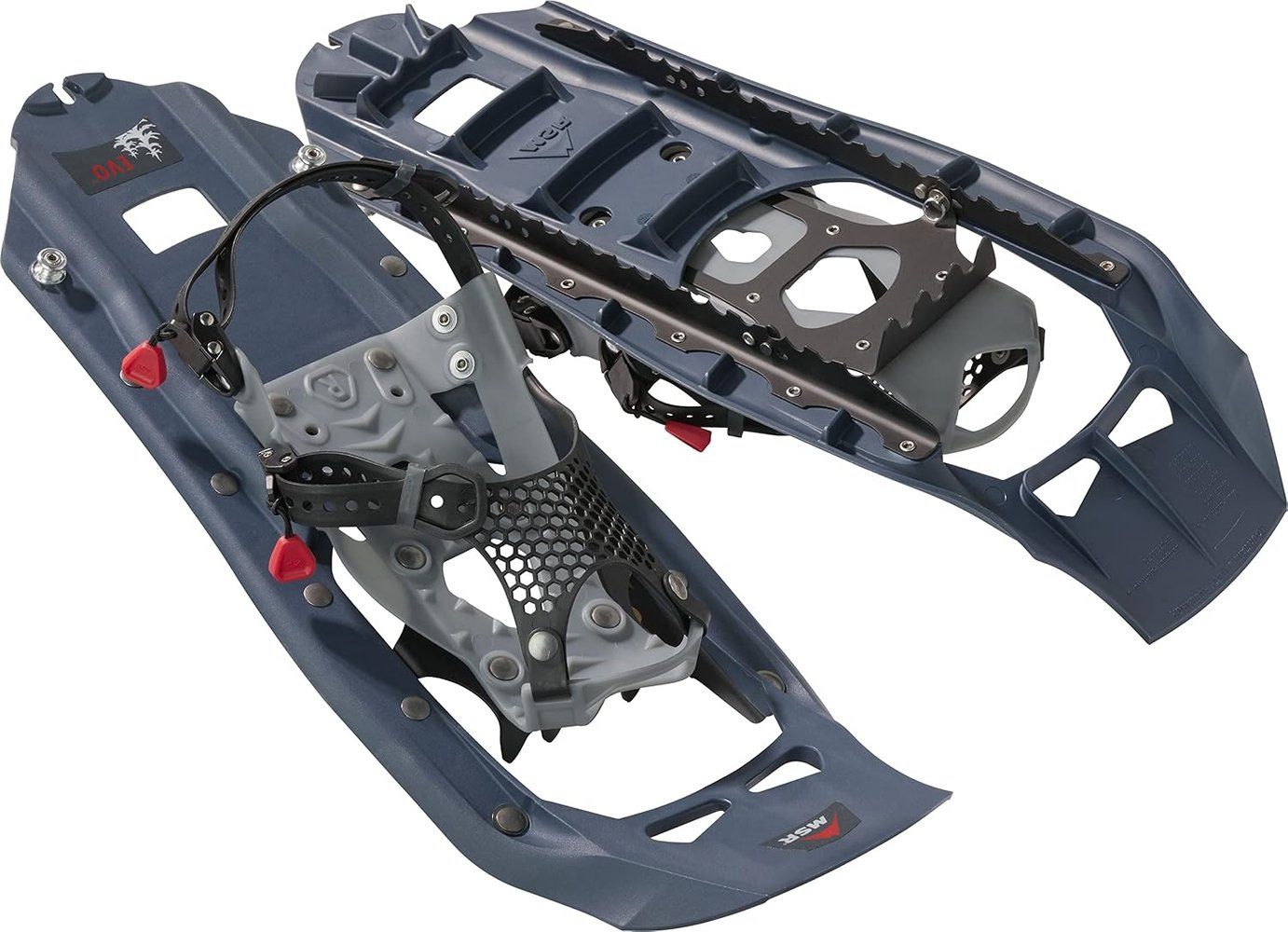 | 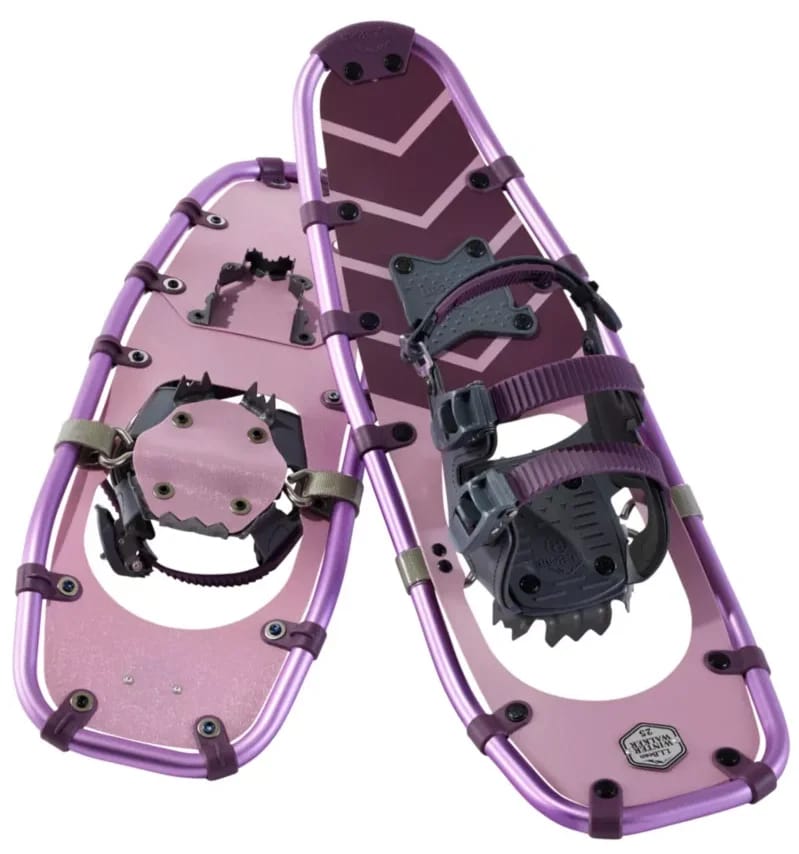 VS | |
| Max Load | Without tails: Up to 180 lb | 21 in: 80 - 150 lb |
| Dimensions | 22 × 8 in | 25 in: 25 × 8 in |
| Weight | 3 lb 10 oz per pair | Not specified |
| Binding Type | Paraglide | Ratcheting |
| Crampon Count | Not specified | Not specified |
| Heel Lift | No | Yes (25 in model) |
| Warranty | 3 years limited | Not specified |
| Modular Tail Extension | 6 in | No |
| Frame Material | Martensitic steel frame, polypropylene deck | 6000 grade anodized aluminum |
| Bag Included | Not specified | Not specified |
| MSR Evo Trail | L.L.Bean Women's Winter Walker |
|---|---|
| |
| Max Load | |
Without tails: Up to 180 lb | 21 in: 80 - 150 lb |
| Dimensions | |
22 × 8 in | 25 in: 25 × 8 in |
| Weight | |
3 lb 10 oz per pair | Not specified |
| Binding Type | |
Paraglide | Ratcheting |
| Crampon Count | |
Not specified | Not specified |
| Heel Lift | |
No | Yes (25 in model) |
| Warranty | |
3 years limited | Not specified |
| Modular Tail Extension | |
6 in | No |
| Frame Material | |
Martensitic steel frame, polypropylene deck | 6000 grade anodized aluminum |
| Bag Included | |
Not specified | Not specified |
Traction
Evo Trail
Women's Winter Walker
Traction decides whether you stay upright on icy, packed, or steep snow, so it is one of the first things to check on any snowshoe. The Evo Trail is the clear leader here, with buyers repeatedly praising its steel crampons and steel side rails for a secure bite on trails, the metal track's grip on uneven ground and rock, and good performance on steep hills. Some reviewers note that the cleats can slide a little on certain surfaces, so it may not match the most aggressive race-level grip. The Winter Walker earns solid praise for bottom grippers that bite better than cheaper pairs and resist sliding on ice, and one buyer was impressed while pulling a loaded sled through two-plus feet of snow. The evidence is thinner for the Winter Walker, so the Evo Trail is the better pick if you expect icy or steep ground.
Comfort
Evo Trail
Women's Winter Walker
Comfort matters because snowshoes are worn for hours, and a binding that pinches or a shoe that feels strapped down quickly becomes a problem. The Evo Trail's Paraglide stretch-mesh bindings are praised for hugging the foot and reducing pressure points, and some buyers say the design feels natural on the trail. Fit is mixed, however, since a few owners find the straps loosen while others find a snug cinch works well, so it pays to test with your own boots. The Winter Walker is described by buyers as very comfortable, with many saying the shoe does not feel strapped in and feels natural after a few minutes of walking. A smaller set of buyers point out a tight spot in the shoe fit, so the Winter Walker has the more consistent comfort reputation for most people.
Flotation
Evo Trail
Women's Winter Walker
Flotation keeps you on top of soft snow instead of post-holing, and it is the main reason to size up or add tails in deep powder. The Evo Trail's modular tails extend the deck to 28 inches and add a 6-inch fin option, which buyers say helps them stay on top of fluffy powder and heavier loads. Because the tails are an add-on, you can start with a leaner setup and add flotation only when conditions call for it. The Winter Walker is also praised for floating well in deep snow and staying on top of packed trail, and the buyer feedback is uniformly positive. Both products earn the same flotation score, so the choice depends on whether you want the extra adjustability of the Evo Trail's tails or the simpler, fixed setup of the Winter Walker.
Ease Of Use
Evo Trail
Women's Winter Walker
Ease of use affects how often you will bother to put your snowshoes on, especially when your hands are cold and you are wearing gloves. The Winter Walker is the standout here, with buyers consistently describing the ratchet straps as easy to adjust, the quick-release lever as simple to use, and the process as easy even with gloves. A few owners find the back strap fiddly, and some say the shoes are easier to tighten than older Cabela's models. The Evo Trail's ratchet binding and horseshoe-style design also clip in and release quickly, and many buyers like the glove-friendly straps. However, several reviewers say the boot entry can feel tight, hooks can catch on boots, and the missing heel lift makes it clunkier to get on and off. For most buyers, the Winter Walker is the easier pair to live with.
Durability
Evo Trail
Women's Winter Walker
Durability determines whether a snowshoe lasts several seasons of hard use, and the frame and binding materials are the main clues. The Evo Trail's injection-molded UniBody deck and martensitic steel frame are praised as rugged and long-lasting, and some owners expect them to last a decade or more on rolling terrain. A few reviewers report wear on boots from the straps over time, so it is worth checking the bindings periodically. The Winter Walker is described as well made, with metal parts praised against cheaper plastic designs, though some buyers doubt the long-term reliability of its plastic clip. The two products land at nearly identical durability scores, so the Evo Trail may suit those who prioritize a steel frame, while the Winter Walker suits buyers who value a lighter, well-finished build.
Stability
Evo Trail
Women's Winter Walker
Stability affects how secure your footing feels on uneven terrain and whether bindings stay put during a hike. The Evo Trail is steady on flat trail footing, and buyers say the shoes strap on well, but it is less consistent on uneven or sloped snow, and some owners report bindings coming unhooked during use. The Winter Walker has a slightly higher score, but the buyer feedback gives little detail on stability, so the score mostly reflects a lack of complaints rather than a proven strength. If your route involves steep or variable slopes, the Evo Trail's known weaknesses are worth weighing, but the Winter Walker's advantage here is modest and not well documented.
Trust & Transparency
- Data-driven rankings from real user reviews
- Affiliate partnerships don't influence our methodology
We may earn commission from links.
Conclusion & Final Verdict:
Choose the MSR Evo Trail if your hikes involve icy, packed, or steep trails and you want the security of steel crampons, plus the option to add 6-inch tails for deep powder. Accept that its bindings are less intuitive and that it needs careful fit checks with your boots.
Choose the L.L.Bean Women's Winter Walker if you want the easier daily experience, with quick ratchet adjustment, a natural-feeling fit, and a heel lift on the 25-inch model. Its flotation matches the Evo Trail, but its traction and stability evidence is thinner, so it suits mixed trail and moderate snow more than steep ice.
Related Comparisons
L.L.Bean Women's Winter WalkervsTSL Symbioz Hyperflex Elite
The L.L.Bean Women's Winter Walker is the better choice for deep snow, quick glove-friendly strap adjustments, and everyday trail use, while the TSL Symbioz Hyperflex Elite suits buyers who mainly face icy, steep terrain and want stronger crampons. Pick the Winter Walker for mixed trail and powder, and the Symbioz for serious ice.
L.L.Bean Women's Winter WalkervsTubbs Frontier
Choose the Tubbs Frontier for stronger ice grip, better flotation, and the easiest entry, especially if you are a beginner. Pick the L.L.Bean Women's Winter Walker if a natural, comfortable fit and sturdier construction matter more to you.
L.L.Bean Women's Winter WalkervsTubbs Wilderness
The L.L.Bean Women's Winter Walker is the better pick for comfort, flotation and easy ratchet straps, while the Tubbs Wilderness grips icy and steep slopes better and has quick-cinch bindings. Choose the Winter Walker for mixed trail and deep snow, or the Wilderness for firm, icy terrain.
MSR Evo TrailvsMSR Evo Ascent
The Evo Ascent is the stronger pick for steep climbs, icy slopes, and heel-lift comfort, with better traction, a Televator, and higher durability scores. The Evo Trail suits flatter trail hiking and buyers who want a lighter pair with simple, quick-release bindings.
MSR Evo TrailvsMSR Lightning Ascent
The MSR Evo Trail is the better pick for lighter trail hiking on packed and icy snow where durability and a lower-maintenance build matter most. The MSR Lightning Ascent suits buyers who want more aggressive downhill grip, a heel lift, and more comfortable bindings, despite weaker durability reports.
MSR Evo TrailvsMSR Lightning Explore
The Lightning Explore is the stronger all-round pick for grip, comfort, a heel lift, and easier bindings on icy and steep snow. The Evo Trail suits buyers who prioritize deep-powder flotation from its modular tails and a steel-built frame.