
MSR Evo Trail vs MSR Lightning Ascent
Why You Can Trust Us
- Side-by-side analysis based on real user feedback
- Unbiased comparisons, not influenced by partnerships
- Updated as new data becomes available
We may earn from affiliate links at no extra cost to you.
| Evo Trail | Lightning Ascent | |
|---|---|---|
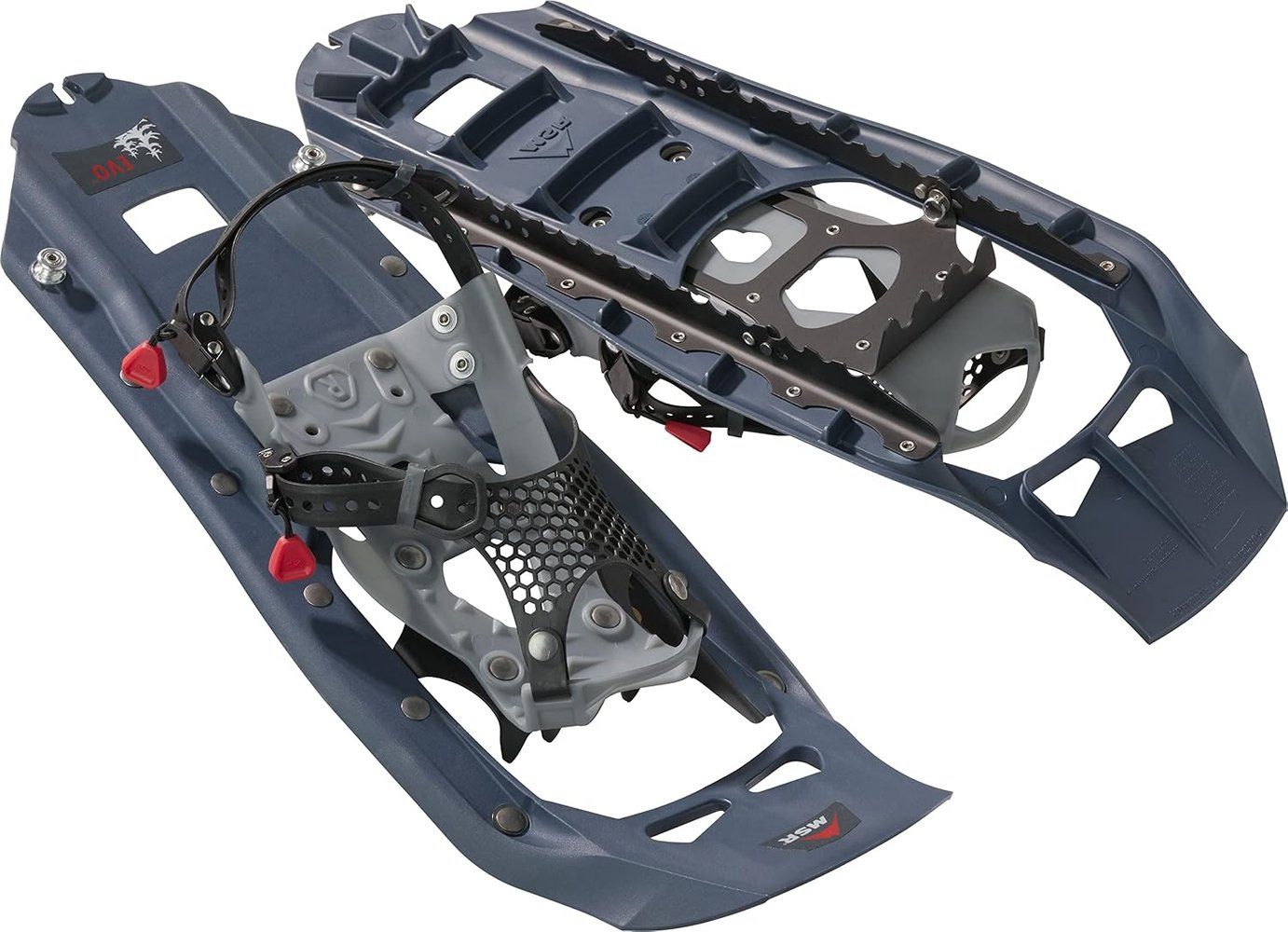 | 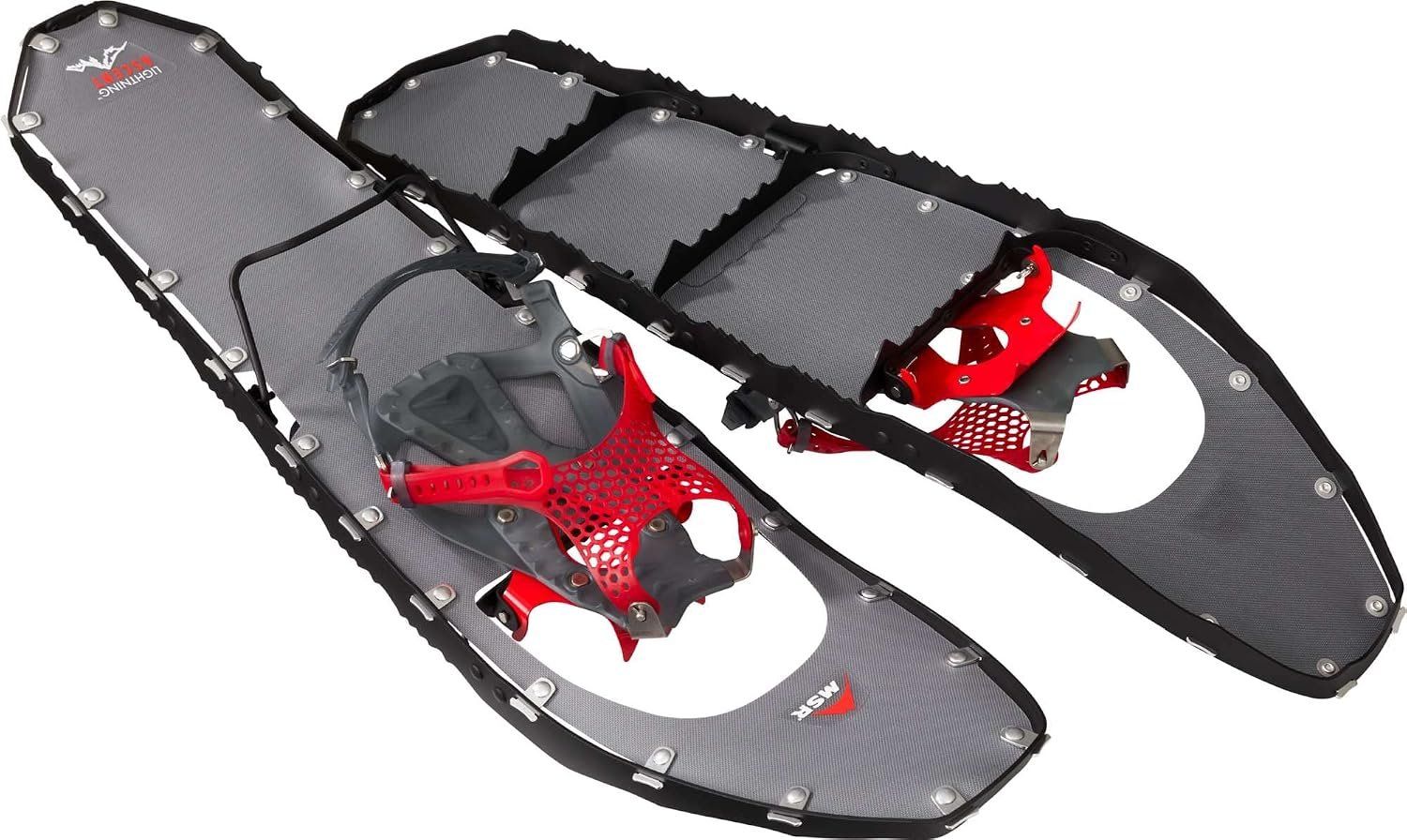 VS | |
| Max Load | Without tails: Up to 180 lb | 22 in: Up to 180 lb |
| Dimensions | 22 × 8 in | 22 in: 22 × 8 in |
| Weight | 3 lb 10 oz per pair | 22 in: 4 lb 2 oz per pair |
| Binding Type | Paraglide | Paragon |
| Crampon Count | Not specified | Not specified |
| Heel Lift | No | Yes (Ergo Televator) |
| Warranty | 3 years limited | 3 years limited |
| Modular Tail Extension | 6 in | 5 in |
| Frame Material | Martensitic steel frame, polypropylene deck | 7075 T6 Aluminum |
| Bag Included | Not specified | Not specified |
| MSR Evo Trail | MSR Lightning Ascent |
|---|---|
| |
| Max Load | |
Without tails: Up to 180 lb | 22 in: Up to 180 lb |
| Dimensions | |
22 × 8 in | 22 in: 22 × 8 in |
| Weight | |
3 lb 10 oz per pair | 22 in: 4 lb 2 oz per pair |
| Binding Type | |
Paraglide | Paragon |
| Crampon Count | |
Not specified | Not specified |
| Heel Lift | |
No | Yes (Ergo Televator) |
| Warranty | |
3 years limited | 3 years limited |
| Modular Tail Extension | |
6 in | 5 in |
| Frame Material | |
Martensitic steel frame, polypropylene deck | 7075 T6 Aluminum |
| Bag Included | |
Not specified | Not specified |
Traction
Evo Trail
Lightning Ascent
Traction matters because most snowshoe outings end up on icy, packed, or steep snow where loose footing quickly turns into a slip. Both products score 4.3 out of 5 here, so neither has a clear overall edge. The Evo Trail relies on steel crampons and steel side rails, and buyers say the metal track grips uneven ground and rock and bites well into packed snow on steep hills. Some note the cleats can slide a little on certain surfaces, so it may not match the top tier of aggressive snowshoes. The Lightning Ascent uses a 360-degree cramp-on frame with steel teeth and extra bottom bars, which reviewers describe as especially strong on downhills, on ice, and on rain crust. Its side grip is weaker on steep traverses and icy snow, so crossing slopes requires extra care. For firm trail footing the Evo Trail is a solid choice, while the Lightning Ascent is the better match when steep downhill grip is the priority.
Comfort
Evo Trail
Lightning Ascent
Comfort determines whether you still enjoy the trail after a long day on your feet. The Lightning Ascent scores 4.4 against 3.6 for the Evo Trail, and buyers consistently describe its Paragon bindings as comfortable with no obvious pressure points. Its Televator heel lift is repeatedly credited with reducing strain on the calves and Achilles on long treks, which matters most on sustained climbs. The Evo Trail's Paraglide stretch-mesh bindings also earn praise for hugging the foot and easing pressure, and some hikers find its natural gait comfortable. Fit is mixed on the Evo Trail, however, since some buyers find it secure when cinched snug while others report straps that loosen over time. Because the Evo Trail has no heel lift, long inclines may feel more taxing. For most buyers the Lightning Ascent is the more comfortable choice, especially on extended treks.
Flotation
Evo Trail
Lightning Ascent
Flotation decides whether you stay on top of deep, fluffy powder or sink with every step. The two models are close, with the Evo Trail at 4.1 and the Lightning Ascent at 4.2, so this category is effectively a tie. The Evo Trail's modular tails extend the deck to 28 inches and add an optional 6-inch fin, which buyers say helps in deep powder and with heavier loads. The Lightning Ascent deck is described as keeping riders near the snow surface, and its optional 5-inch tails add float when snow softens. Some reviewers call its floating capability great in deep powder, while one comparison favored a rival model for flotation. Both let you start lean and add tails only when conditions call for it, so choose based on your typical snow depth and total load.
Ease Of Use
Evo Trail
Lightning Ascent
Ease of use affects how quickly you can get in and out of snowshoes, especially when you are wearing gloves in cold weather. The Lightning Ascent scores 4.2 versus 3.9 for the Evo Trail, and buyers report straps that are easy to hook up and adjust, a Televator heel lift that flicks up and down simply, and a foot rail that makes climbing easier. The Evo Trail's ratchet and horseshoe-style binding clip in and release quickly, and its glove-friendly straps are praised for cold-weather use. However, some buyers find boot entry tight on the Evo Trail and mention hooks catching on boots or a missing heel lift. The Lightning Ascent is not free of complaints, since a few users found its attachment system less convenient than rival systems and disliked the prong binding. Overall the Lightning Ascent is easier for most buyers, while the Evo Trail is quick once it is set up.
Durability
Evo Trail
Lightning Ascent
Durability matters because snowshoes take hits from rocks, sticks, and repeated heavy use over multiple seasons. The Evo Trail scores 3.9 against 3.1 for the Lightning Ascent, and owners describe its injection-molded UniBody deck and martensitic steel frame as rugged and long-lasting, with some expecting many years of use on rolling terrain. Its main wear complaint is strap-related wear on boots over time, so periodic inspection is worthwhile. The Lightning Ascent has a tough deck and well-built construction that many buyers praise, but reviewers worry that sharp sticks can puncture the decking and that the material may not hold up in cold temperatures. Several hunters reported frame bending or collapse under heavy use, which makes its durability more mixed. If you expect rough, repeated use, the Evo Trail is the safer bet.
Stability
Evo Trail
Lightning Ascent
Stability matters on slopes, uneven snow, and traverses, where a shifting heel or loose binding can cause a fall. Both products score low here, with the Evo Trail at 2.8 and the Lightning Ascent at 2.6, so the narrow edge goes to the Evo Trail. Many buyers find the Evo Trail steady on flat trail footing and say it straps to boots well, but it is less consistent on uneven or sloped snow. Some owners report bindings coming unhooked during use, which is worth weighing if you plan to cross steep or variable terrain. The Lightning Ascent heels do not always stay in place and may need re-hooking, and its flexible bottom can prevent the correct snowshoe angle on traverses. Neither model is especially confidence-inspiring on slopes, so test either one on the terrain you plan to cross.
Trust & Transparency
- Data-driven rankings from real user reviews
- Affiliate partnerships don't influence our methodology
We may earn commission from links.
Conclusion & Final Verdict:
Choose the MSR Evo Trail if you want a lighter pair for trail hiking on packed and icy snow, a more durable build that buyers expect to last for years, and a secure, quick-release binding that works well with gloves.
Choose the MSR Lightning Ascent if long treks, steep downhill grip, and comfort matter most, since its Paragon bindings and Televator heel lift are the standout features and its ease of use scores higher. Watch for heel shifting on traverses and for deck puncture risk from sharp sticks before you buy.
For mixed terrain on a budget of effort rather than money, the Evo Trail is the safer all-round pick, while the Lightning Ascent rewards buyers who prioritize comfort and steep traction.
Related Comparisons
MSR Evo TrailvsL.L.Bean Women's Winter Walker
The MSR Evo Trail is the stronger choice for icy, steep trail hiking and deep powder, thanks to steel crampons and an optional 6-inch fin, while the L.L.Bean Women's Winter Walker suits buyers who want quicker, easier bindings and a more natural fit.
MSR Evo TrailvsMSR Evo Ascent
The Evo Ascent is the stronger pick for steep climbs, icy slopes, and heel-lift comfort, with better traction, a Televator, and higher durability scores. The Evo Trail suits flatter trail hiking and buyers who want a lighter pair with simple, quick-release bindings.
MSR Evo TrailvsMSR Lightning Explore
The Lightning Explore is the stronger all-round pick for grip, comfort, a heel lift, and easier bindings on icy and steep snow. The Evo Trail suits buyers who prioritize deep-powder flotation from its modular tails and a steel-built frame.
MSR Evo TrailvsMSR Revo Explore
The Revo Explore is the stronger all-round pick for winter hikers who want aggressive grip, a heel lift, and quicker stability on uneven snow. The Evo Trail suits buyers who want a lighter pair with steel crampons and rugged build for trail use on a tighter budget.
MSR Evo TrailvsTSL Symbioz Hyperflex Elite
The MSR Evo Trail suits buyers who need flotation in deep powder, a lighter pair, and a longer warranty, while the TSL Symbioz Hyperflex Elite is the better choice for icy steep terrain, stability, and uphill comfort with heel lifts.
MSR Evo TrailvsTubbs Flex ALP
The MSR Evo Trail suits trail hikers who want secure steel-edged grip, a quick ratchet binding, and an add-on float tail for deep snow. The Tubbs Flex ALP is the better pick for steep, icy alpine terrain and easier descents, though it offers less flotation.